Short direct answer
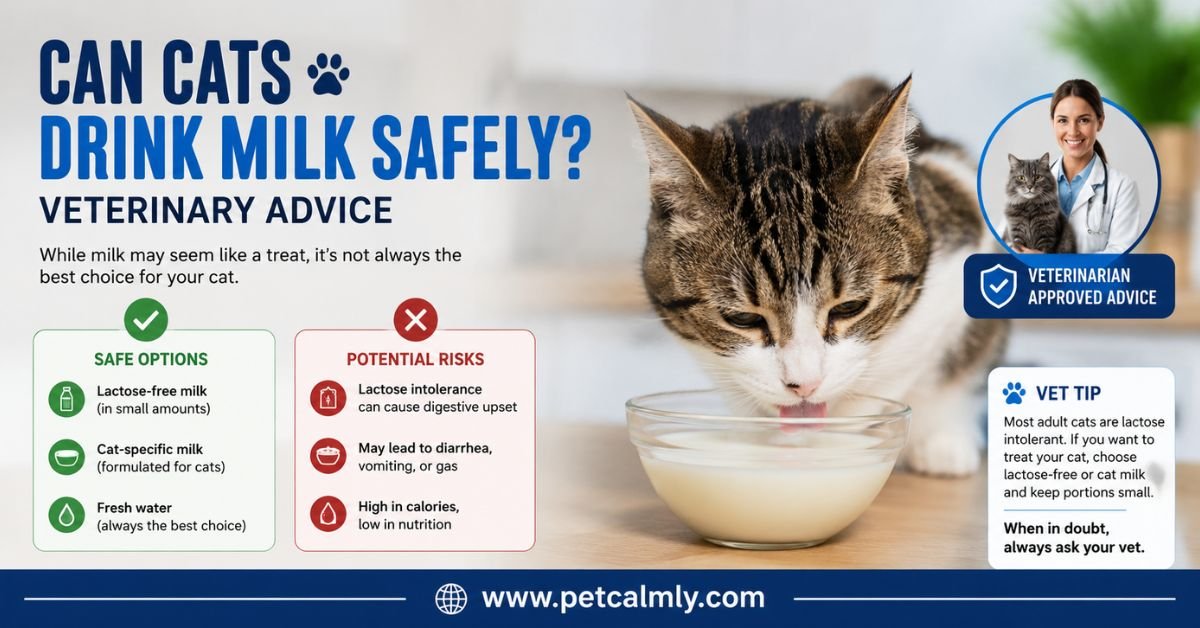
Most cats should not drink milk regularly, even though many people believe it’s a healthy treat. While a small amount of milk won’t typically cause serious harm, most cats are lactose intolerant after kittenhood and can experience digestive upset, including diarrhea, vomiting, and abdominal discomfort. The safest approach is to avoid offering milk altogether and opt for cat-specific alternatives like lactose-free milk, water, or cat-formulated treats instead.
Why Milk Became a Cat Myth
If you’ve ever given your cat a small dish of milk and watched them lap it up with pure contentment, you’re not alone. The image of a kitten with a saucer of milk is practically ingrained in our cultural memory it’s in cartoons, old movies, and children’s books. But here’s what veterinarians want pet owners to understand: that cherished image doesn’t match what actually happens inside your cat’s body.
The confusion is understandable. Milk seems harmless. It’s natural. It comes from animals, just like the food cats eat in the wild. Many people grew up giving milk to cats without obvious problems. But the science behind feline nutrition tells a different story one that explains why your cat’s digestive system may struggle with something that seems so simple.
Your cat didn’t ask for this complication. Nature simply programmed most cats to stop producing lactase (the enzyme that breaks down lactose) after they’re weaned from their mother. This is actually normal and healthy. Most mammals, including humans in many populations, experience the same thing. The difference is that kittens drinking their mother’s milk have plenty of lactase. Adult cats? Not so much.
This article will walk you through everything you need to know about milk and cats what happens when they drink it, why some cats seem fine while others get sick, what signs to watch for, and most importantly, what to offer your cat instead.
Understanding Lactose Intolerance in Cats
Why Most Adult Cats Can’t Digest Milk Properly
When kittens are born, they produce plenty of lactase an enzyme that breaks down lactose, the primary sugar found in milk. This makes perfect sense. Mother’s milk is their only food source, packed with the lactose they need to survive and grow.
But around the time kittens are weaned (typically 8-12 weeks old), their lactase production naturally decreases. This is exactly what’s supposed to happen. In the wild, cats stop nursing and move on to hunting prey. Their bodies no longer need the enzyme to digest milk because milk is no longer part of their diet.
What happens next is where the problem begins for pet cats. When lactase levels drop but milk is suddenly introduced into an adult cat’s diet (because their human thinks it’s a treat), the undigested lactose sits in the intestines. Bacteria in the gut ferment the lactose, producing gas, bloating, and the uncomfortable symptoms most of us recognize as lactose intolerance.
It’s not that your cat is broken or abnormal. It’s that most adult cats are simply not designed to process milk. This is the biological reality that veterinarians emphasize repeatedly, yet the myth persists.
How Common Is Lactose Intolerance in Cats?
Here’s the number that might surprise you: approximately 90% of cats experience some degree of lactose intolerance after weaning. That’s the vast majority. A small percentage of cats largely those with certain genetic backgrounds—retain the ability to produce lactase into adulthood. These cats may tolerate small amounts of milk without obvious problems. But they’re the exception, not the rule.
The tricky part is that your individual cat might seem fine after drinking milk. Some cats show no immediate symptoms. Others experience dramatic digestive upset within minutes or hours. The absence of obvious symptoms doesn’t mean lactose isn’t causing internal irritation and discomfort. Some cats experience subtle, low-grade digestive stress that builds over time without ever showing dramatic signs.
This is why veterinarians recommend treating all cats as potentially lactose intolerant rather than testing the theory with your own pet. It’s simply not worth the risk when safer alternatives exist.
What Really Happens When Cats Drink Milk
The Digestive Journey: A Step-by-Step Look
When a lactose-intolerant cat consumes milk, here’s what occurs in their digestive tract:
- Milk reaches the small intestine where lactase would normally break down lactose into simpler sugars. Without adequate lactase, this doesn’t happen effectively.
- Undigested lactose continues through the digestive system instead of being absorbed and used for energy.
- Bacteria in the colon ferment the lactose, producing gas, lactic acid, and other byproducts.
- Osmotic effects occur: The presence of undigested lactose draws water into the intestines, which leads to loose stools.
- Your cat experiences abdominal discomfort, which might manifest as vomiting, diarrhea, constipation, or just general digestive distress.
The timeline varies. Some cats show symptoms within 15-30 minutes. Others may not display signs for several hours. The severity depends on how much milk was consumed and how sensitive that individual cat’s digestive system is.
Different Types of Milk and Their Risk Levels
Not all milk is created equal when it comes to lactose content:
Whole milk and 2% milk: Highest lactose content. Most likely to cause symptoms in lactose-intolerant cats.
Skim milk: Still contains most of the lactose. Not a safer option.
Heavy cream: Contains less lactose than regular milk because it’s mostly fat. Still risky, though, and also very high in fat, which brings different health concerns for cats.
Evaporated milk: Concentrated lactose. Should definitely be avoided.
Condensed milk: Sweetened and concentrated. Both the lactose and added sugar make this especially problematic.
Goat’s milk: Contains less lactose than cow’s milk and is easier for some cats to digest, but it’s still not ideal for most cats and can still trigger symptoms.
Plant-based milks (oat, almond, coconut): Don’t contain lactose, but many contain additives or ingredients that aren’t ideal for cats. More on safer alternatives below.
Symptoms Your Cat May Show After Drinking Milk
If you’ve already given your cat milk and you’re now worried, here’s what to watch for over the next 24 hours:
Gastrointestinal symptoms:
- Vomiting or retching
- Diarrhea or loose stools
- Constipation (less common but possible)
- Excessive gas or bloating
- Abdominal cramping or discomfort (may show as restlessness, hunching, or reluctance to move)
Behavioral changes:
- Lethargy or unusual tiredness
- Loss of appetite
- Seeking a quiet, dark place to rest (many cats hide when experiencing digestive distress)
- Excessive meowing or vocalization indicating discomfort
Other signs:
- Breath that smells slightly sour
- Excessive licking of their rear end or abdomen
Most cats who drink a small amount of milk will either have no noticeable symptoms or will experience mild, temporary digestive upset that resolves within 24-48 hours. A single small serving of milk is unlikely to cause serious harm to a healthy adult cat.
However, if your cat has already consumed milk and shows severe symptoms particularly bloody diarrhea, uncontrollable vomiting, signs of severe pain, or symptoms lasting more than a few days contact your veterinarian. While lactose intolerance alone is rarely dangerous, these symptoms could indicate something more serious.
Risk Factors: Why Some Cats Get Sicker Than Others
Age Matters
Kittens (under 12 weeks): Kittens still produce adequate lactase and can tolerate milk from their mother. However, even kittens shouldn’t be given cow’s milk as a substitute for mother’s milk or kitten formula—the nutrient profile is wrong. If a kitten is orphaned, special kitten formula is essential.
Adult cats (1-10 years): Most have reduced lactase production and will experience some level of digestive upset from milk.
Senior cats (10+ years): Digestive systems become more sensitive with age. Older cats are more likely to show symptoms from lactose and may have other underlying digestive conditions that make milk consumption riskier.
Underlying Digestive Conditions
Cats with inflammatory bowel disease (IBD), food sensitivities, pancreatitis, or other digestive issues are at higher risk for severe reactions to milk. If your cat has any known digestive condition, milk should be completely avoided.
Individual Genetic Variation
A small percentage of cats retain higher levels of lactase into adulthood. These cats are typically able to tolerate small amounts of milk without significant symptoms. However, there’s no way to know if your cat is in this minority without experimentation—and there’s no good reason to run the experiment when alternatives exist.
What About Lactose-Free Milk and Milk Alternatives?
Commercial Lactose-Free Milk
If you really want to offer your cat something milk-like, lactose-free cow’s milk is technically safer than regular milk because the lactose has been broken down. However, it still contains the other components of milk that aren’t particularly beneficial for cats—extra fat, protein that differs from what cats need, and sometimes added additives.
The occasional small serving of lactose-free milk won’t hurt most cats, but it’s not necessary, doesn’t provide nutritional benefits cats can’t get elsewhere, and isn’t something veterinarians recommend as part of a regular diet.
Plant-Based Milk Alternatives
Oat milk, almond milk, coconut milk: These are lactose-free, but they often contain additives like gums, sweeteners, or flavorings that aren’t ideal for cats. Unsweetened versions are better than sweetened, but they still lack nutritional value for felines and aren’t formulated with a cat’s needs in mind.
Some cats may tolerate a very small amount of plain, unsweetened plant-based milk without problems, but there’s genuinely no reason to offer it. Water is free, fully hydrating, and exactly what your cat needs.
Cat-Specific “Milk” Products
Brands like Fancy Feast make specially formulated cat milk products designed to be easier on feline digestive systems. These products have reduced lactose and are formulated to be more nutritionally appropriate for cats than regular milk. If you want to give your cat something special that resembles milk, these are a far better choice than regular milk or store-bought alternatives.
However, they should still be an occasional treat, not a dietary staple. The better default option is always water.
When Should You Actually Worry? Red Flags vs. Normal Upset
It’s Probably Fine If:
- Your cat drank a small amount of milk (a few licks or tablespoon or two)
- Symptoms are mild (slight loose stool or minimal vomiting)
- Symptoms appeared within 1-2 hours and are resolving
- Your cat is otherwise acting normal, eating, and alert
- It’s been a one-time exposure, not a regular habit
In these cases, monitor your cat, offer extra fresh water, and make sure you don’t repeat the experience. Most cats recover completely within 24 hours.
Contact Your Veterinarian If:
- Your cat drank a large quantity of milk
- Symptoms are severe (multiple episodes of vomiting, profuse diarrhea)
- Your cat shows signs of significant abdominal pain
- Symptoms persist for more than 24-48 hours
- Your cat shows signs of dehydration (lethargy, sunken eyes, dry gums)
- There’s blood in the stool or vomit
- Your cat stops eating or drinking
- Your kitten (under 12 weeks) drank regular milk and you’re unsure about their wellbeing
These symptoms could indicate lactose intolerance, or they could signal something else entirely. A veterinary check-up provides peace of mind and ensures your cat gets appropriate care if needed.
Prevention: How to Keep Milk Away from Your Cat
Common Scenarios Where Cats Access Milk
The breakfast table: Cereal bowls, coffee with cream, and milk glasses are irresistible to many cats. Store these away from your cat’s reach or finish them completely before your cat can investigate.
The kitchen counter: Milk-containing foods left out during meal prep attract curious cats. Keep your cat out of the kitchen during cooking, or ensure they can’t jump to counter height.
Shared households: If you have family members or roommates who don’t understand the milk issue, they may sneak your cat milk as a “treat.” Have a conversation about why this isn’t safe, even with the best intentions.
Guests and visitors: Well-meaning guests often ask, “Can I give your cat some milk?” Be prepared with a clear answer: “No, thanks—cats are lactose intolerant. I have some cat treats they’d love instead.”
Creating a Cat-Safe Kitchen Culture
The easiest prevention strategy is simply making milk inaccessible. This means:
- Rinsing milk bowls and glasses immediately after use, or loading them into the dishwasher right away
- Putting away milk-based foods after each meal rather than leaving them on the counter
- Establishing clear boundaries about what family members can or can’t feed your cat
- Educating visitors upfront about your cat’s dietary restrictions
- Offering alternative treats so your cat doesn’t feel left out when you’re enjoying food
What Should You Offer Your Cat Instead?
The Best Beverage: Fresh Water
This is the simple truth that veterinarians emphasize: fresh, clean water is the best and only beverage your cat needs. Cats should have constant access to fresh water. Some cats prefer running water and may drink more if you offer a cat water fountain. Others like still water in a bowl. The specific preference doesn’t matter what matters is availability.
Most cats don’t naturally drink as much water as they probably should. If your cat is prone to urinary issues, kidney disease, or diabetes, adequate water intake is especially important. Offering water in multiple locations around your home encourages drinking.
Hydrating Foods
If your cat seems bored with plain water, you can increase hydration through their diet. Wet food (canned or fresh) contains significantly more moisture than dry kibble. Some cats will also lap up plain bone broth (low-sodium, specifically formulated for pets without added ingredients) as an occasional treat, which provides hydration plus minimal calories.
Appropriate Treats and Occasional Indulgences
If you want to offer your cat something special beyond their regular meals:
- Wet food toppers: Small amounts of specially formulated cat food toppings
- Cat-safe people food: Plain cooked chicken or turkey (no seasoning)
- Commercial cat treats: Specifically formulated for feline nutrition
- Freeze-dried cat treats: Pure meat with nothing added
- Cat-specific milk products: Only if you want to offer something milk-like
The key is keeping treats to no more than 10% of your cat’s daily caloric intake, with the remaining 90% coming from complete and balanced cat food.
Special Situations: When Milk Becomes More Complicated
Kittens and Milk
This deserves special attention because the situation is different. Orphaned kittens cannot be fed regular cow’s milk. Mother’s milk and specially formulated kitten formula have the right balance of nutrients, proteins, and fats for growing kittens. Regular cow’s milk lacks essential amino acids and has the wrong nutrient ratios.
If you’re bottle-feeding a kitten, use only specially formulated kitten replacement milk (KRM). Brands like Kitten Milk Replacer are specifically designed for this purpose and available at most pet stores and veterinary clinics.
Kittens that are nursing from their mother can of course drink mother’s milk—that’s nature’s perfect food for them. Once they begin eating solid food (typically around 4 weeks old) and through the weaning process, gradually introduce kitten food while mother’s milk becomes less central to their diet.
Cats with Digestive Disease
If your cat has been diagnosed with inflammatory bowel disease, pancreatitis, irritable bowel syndrome, or any other digestive condition, milk should be completely avoided. These conditions make the digestive tract more sensitive, and even small amounts of lactose can trigger painful symptoms or flare-ups.
Senior Cats
Older cats often develop food sensitivities they didn’t have when younger. Their digestive systems are less efficient and more easily upset. A senior cat who tolerated milk as a younger adult might suddenly develop problems. It’s better to avoid milk altogether in senior years rather than risk unexpected digestive upset.
Cats Being Fed Special Diets
If your cat is on a prescription diet for a medical condition (kidney disease, urinary health, weight management, etc.), adding milk could interfere with the therapeutic benefits of that diet. Always check with your veterinarian before offering anything outside the prescribed diet.
The Science Behind the Myth: Why This Misconception Persists
Historical and Cultural Factors
The image of a cat with milk likely originated in an era before commercial cat food existed. Young farm cats and household cats ate what was available scraps, rodents, and yes, sometimes milk from the milking operation. Some cats probably did consume milk occasionally and appeared fine (remember, that 10% that tolerate it better), and the observation stuck in cultural memory.
Additionally, milk became symbolically associated with nurturing and care. Offering milk to an animal felt like a loving gesture, like how humans might offer milk to children. The emotional association with care and comfort probably helped perpetuate the idea that milk must be good for cats.
Why Veterinary Advice Is Still Misunderstood
Even with widespread veterinary education about lactose intolerance in cats, the myth persists because:
- Not all cats show obvious symptoms, making people think their cat is “one of the lucky ones”
- The advice seems unnecessarily restrictive to people who grew up with cats drinking milk
- The discomfort is internal and invisible to casual observation
- Confirmation bias leads people to remember times their cat seemed fine after milk and forget times they experienced subtle digestive issues
- The myth is deeply embedded in popular culture, so people are exposed to it repeatedly through media and conversation
But the veterinary consensus is clear and based on feline physiology: most cats should not regularly consume milk.
More Information About Pets, Please Visit Our Website: Cat Sleeping Positions Meaning
Best Homemade Food for Kittens
Why Is My Cat Drooling So Much?
Why Does My Cat Bite Me?
Why Does My Cat Bite Me Gently Out of Nowhere?
Can Cats Eat Tuna?
Why Does My Cat Smell So Good to Me?
Why Does My Cat Smell So Bad?
Frequently Asked Questions
1. My cat drank milk once is there permanent damage?
No. A single small serving of milk won’t cause permanent damage to a healthy adult cat. Your cat might experience some digestive upset for a few hours to a day, but they’ll recover completely. Monitor for symptoms like vomiting or diarrhea, but a one-time exposure is generally not a cause for serious concern. Going forward, just avoid offering milk again.
2. Why does my cat keep asking for milk if it makes her sick?
Cats don’t understand the connection between milk and digestive upset the way we do. If your cat has drunk milk before and then experienced discomfort, they might not associate the two events. Additionally, cats are attracted to the rich taste and smell of milk it’s flavorful and different from their regular diet. They may enjoy the immediate sensory experience without understanding the consequences.
3. Can I use milk to give my cat medicine or pills?
This isn’t an ideal strategy. While a small amount of milk mixed with medication might help your cat accept it, the lactose could upset their stomach when combined with medication. Talk to your veterinarian about better options they can often recommend treats specifically designed for hiding pills, or discuss alternative medication forms that your cat might accept more easily.
4. Is goat’s milk better for cats than cow’s milk?
Goat’s milk does contain less lactose than cow’s milk, and some cats tolerate it better. However, it’s not a veterinarian-recommended regular treat for cats. If you choose to offer goat’s milk, do so very occasionally and in very small amounts. Most cats are still better off sticking with water and their regular diet. Raw goat’s milk carries additional bacterial risks, so if you do offer it, pasteurized versions are safer.
5. What should I do if my cat is dehydrated is milk acceptable then?
If your cat is dehydrated, water is still the best option, followed by a vet-recommended electrolyte solution designed for cats if dehydration is significant. Milk during dehydration could actually worsen the situation by triggering digestive upset and further fluid loss through diarrhea. If your cat isn’t drinking adequate water, contact your veterinarian dehydration can indicate an underlying health issue that needs attention.
6. My vet said my cat can have a little milk sometimes does this mean regular milk is okay?
Some veterinarians may take a more permissive stance with cats that have shown good tolerance to small amounts of milk. This doesn’t mean milk becomes a regular part of your cat’s diet. If your veterinarian has given this approval, they likely mean very occasional, tiny amounts like a lick or two from your glass not a regular treat. Continue monitoring your cat’s digestive health, and if symptoms develop, discontinue immediately.
What You Should Actually Do: A Clear Action Plan
If You Haven’t Given Your Cat Milk Yet
Simply don’t. It’s not necessary, provides no nutritional benefit, and carries unnecessary risk. Offer water instead. Your cat will be healthier for it.
If Your Cat Has Drunk Milk Recently
- Watch for symptoms over the next 24-48 hours
- Ensure fresh water is available to help with hydration
- Continue regular feeding with their normal diet
- Note any changes in litter box habits, energy level, or appetite
- Contact your vet if symptoms are severe or persistent
- Commit to preventing future access by managing household milk
Going Forward
- Keep milk and milk-containing foods away from your cat
- Explain to family members and visitors why your cat can’t have milk
- Offer water as the default beverage and hydrating foods as the primary diet
- If you want to give occasional treats, choose cat-appropriate options
- Schedule regular veterinary check-ups to monitor your cat’s overall digestive health
Conclusion
The question “Can cats drink milk safely?” has a straightforward answer for most cats: not really, and they don’t need to. The persistent belief that milk is a healthy feline treat doesn’t match the biological reality of how cat digestive systems work.
What makes this issue worth taking seriously isn’t dramatic it’s the quiet, uncomfortable digestive upset that many cats experience but can’t tell you about directly. Your cat can’t explain that they’re experiencing abdominal cramping or that the dairy you offered created bloating and gas. They just live with it, and you have the opportunity to prevent it.
The good news is that preventing milk-related discomfort is incredibly simple. It doesn’t require special products, expensive alternatives, or complicated feeding plans. It just requires saying no to milk and yes to water. Your cat doesn’t feel deprived by this they don’t know what they’re missing. They only know the comfortable feeling of a healthy digestive system when you make the right choice.
Pet ownership is full of decisions big and small. This one is easy. Choose water. Choose your cat’s comfort. Choose the option that every veterinarian agrees is best.