
If you’re a dog owner wondering about the first signs your dog is pregnant, you’re not alone. Many pet parents search for early symptoms of dog pregnancy to ensure their furry friend gets the best care during this exciting yet delicate time. Recognizing these initial indicators can help you prepare for the arrival of puppies and address any health concerns promptly. Dog pregnancy, also known as canine gestation, typically lasts around 62 to 64 days, but the earliest signs may not appear until a few weeks in. In this comprehensive article, we’ll explore the key early signs of pregnancy in dogs, including physical and behavioral changes, how to confirm pregnancy, and tips for caring for your expectant pup. Whether you’re dealing with an unplanned breeding or simply monitoring your dog’s health, understanding these symptoms of a pregnant dog can make all the difference.
Pregnancy in dogs can be subtle at first, especially in the initial stages. Unlike humans, dogs don’t have over-the-counter tests readily available, so relying on observable changes is crucial. Common search terms like “early signs of dog pregnancy” or “how to tell if my dog is pregnant” often lead owners to look for reliable information. According to veterinary experts, the first noticeable changes usually emerge around weeks three to four after mating. These can include shifts in energy levels, appetite, and physical appearance. It’s important to note that not all dogs show the same symptoms, and factors like breed, age, and overall health can influence how pregnancy manifests. For instance, smaller breeds might exhibit signs earlier than larger ones due to their faster metabolism.
Why is it essential to spot these first signs your dog is pregnant early? Timely recognition allows you to adjust your dog’s diet, provide a comfortable environment, and schedule veterinary check-ups to monitor the pregnancy’s progress. Ignoring potential symptoms could lead to complications, such as false pregnancies or underlying health issues mimicking gestation. In this guide, we’ll break down the signs into physical and behavioral categories, offer advice on confirmation methods, and share practical tips to support your dog through her pregnancy journey. By the end, you’ll feel confident in identifying if your dog is expecting and what steps to take next. Let’s dive into the details to ensure you get all the information you need based on your search for “first signs your dog is pregnant.”
Understanding the Dog Pregnancy Timeline
Before delving into the specific symptoms, it’s helpful to understand the timeline of dog pregnancy. This knowledge provides context for when the first signs might appear and how they evolve over time.
Dog gestation periods average 63 days from the date of ovulation, though this can vary slightly by breed ranging from 58 to 68 days. The pregnancy is divided into three trimesters, but the most relevant for early detection is the first few weeks.
- Week 1-2: Fertilization and Implantation During the initial two weeks after mating, there are typically no visible signs. The fertilized eggs travel to the uterus and implant around day 14-16. At this stage, your dog might seem completely normal, with no outward changes. However, hormonal shifts are beginning, setting the stage for later symptoms.
- Week 3-4: Early Development This is when the first signs your dog is pregnant often emerge. Embryos start developing rapidly, and progesterone levels rise, leading to subtle physical and behavioral alterations. Owners searching for “early symptoms of pregnant dog” will find this period crucial, as nipple changes and mild appetite fluctuations become apparent.
- Week 5-9: Visible Progression and Whelping Preparation By mid-pregnancy, abdominal swelling and weight gain are more obvious. Toward the end, nesting behaviors intensify, signaling that labor is approaching. A drop in body temperature (below 99°F) and restlessness are key indicators that whelping is imminent, usually within 24-36 hours.

Knowing this timeline helps differentiate between early and later signs. For example, while lethargy might appear early, significant belly enlargement typically doesn’t show until day 40 or so. If your dog has recently mated or escaped during her heat cycle, monitor her closely starting from week three.
Early Physical Signs of Pregnancy in Dogs
Physical changes are often the most reliable early indicators that your dog might be pregnant. These symptoms stem from hormonal fluctuations and the body’s preparation for nurturing puppies. Let’s explore the key physical signs in detail.
Nipple Changes: One of the Earliest Clues
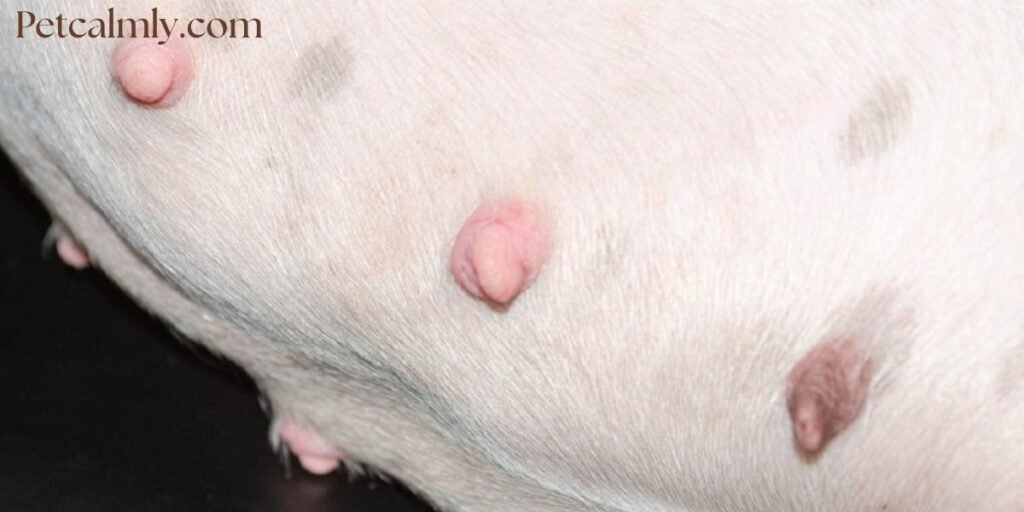
Among the first signs your dog is pregnant are changes to her nipples, often referred to as “pinking up.” Around three to four weeks into pregnancy, the nipples may become enlarged, more prominent, and take on a pinker hue. This is due to increased blood flow and hormonal preparation for milk production. In some dogs, especially those with lighter fur, you might notice a semi-clear fluid discharge from the nipples around day 30.
For first-time mothers (known as primiparous dogs), these changes can be more pronounced near the hind legs. If your dog has had litters before, the nipples might already be somewhat enlarged, making this sign less noticeable. Owners often describe this as the nipples looking “swollen” or “rosier,” which is a classic early symptom of dog pregnancy. If you spot this, it’s a strong hint to consult a vet for confirmation.
Appetite Changes and Morning Sickness
Changes in eating habits are another common early sign. In the first few weeks, your dog might experience a decrease in appetite or even vomit occasionally, similar to morning sickness in humans. This typically occurs around weeks three to five and is caused by hormonal shifts. Some dogs may skip meals or seem uninterested in their usual food, while others might eat more as pregnancy progresses.
By week four or five, appetite often increases significantly up to 50% more than normal as the puppies grow. If vomiting persists or is severe, it could indicate other issues, so monitor closely. To support your dog, offer smaller, more frequent meals and consider switching to a high-quality puppy food for added nutrients.
Weight Gain and Abdominal Swelling
While not always evident in the very early stages, gradual weight gain is a physical sign that can appear around week four. Your dog’s abdomen may start to swell slightly as the uterus expands to accommodate the growing fetuses. By day 35-40, this becomes more noticeable, with the belly appearing rounder.
Weight gain can vary by breed and litter size expect an increase of 20-50% over her normal weight. For smaller dogs, this might be just a few pounds, while larger breeds could gain more. Avoid overfeeding early on to prevent obesity, but consult your vet for a tailored nutrition plan.
Vaginal Discharge
A slight mucus-like vaginal discharge may occur around one month after mating. This is usually clear or slightly milky and is normal as the body prepares for pregnancy. However, if the discharge is foul-smelling, bloody, or excessive, it could signal an infection or complication, warranting immediate veterinary attention.
Behavioral Signs That Your Dog Might Be Pregnant
Beyond physical changes, behavioral shifts can provide early clues about your dog’s pregnancy. These are often subtler but, when combined with physical signs, paint a clearer picture.
Lethargy and Decreased Energy Levels
One of the first behavioral signs your dog is pregnant is increased tiredness or lethargy. Your normally energetic pup might prefer lounging on the couch over playing fetch, starting as early as week three. This is due to hormonal changes and the body’s energy redirection toward fetal development.
If lethargy is accompanied by other symptoms like vomiting, it’s likely pregnancy-related. However, rule out illnesses by noting if she’s otherwise healthy. Provide a quiet, comfortable space for rest, and reduce strenuous activities.
Nesting Behavior
As pregnancy advances, especially from week five onward, your dog may exhibit nesting instincts. This includes dragging blankets, digging in closets, or rearranging bedding to create a “nest” for her puppies. It’s an instinctive preparation for whelping and can be one of the more endearing signs.
In the final days, nesting becomes frantic, often paired with panting and discomfort. Set up a whelping box in a calm area to support this behavior.
Changes in Affection or Irritability
Pregnant dogs may become more affectionate, seeking extra cuddles, or conversely, more irritable and withdrawn. Hormones like progesterone influence mood, leading to clinginess or sensitivity to touch.
Respect her space if she’s irritable, and offer gentle reassurance. These changes usually resolve post-whelping but can indicate pregnancy early on.

How to Confirm If Your Dog is Pregnant
Spotting the first signs is a start, but professional confirmation is key. Visit your vet around day 28-35 for options like:
- Palpation: Gentle abdominal feeling to detect fetuses (weeks 4-5).
- Ultrasound: Visualizes puppies and heartbeats from day 25.
- X-rays: Counts puppies after day 45.
- Blood Tests: Measures relaxin hormone from day 20-30.
Home pregnancy tests for dogs exist but are less reliable than vet methods.
Caring for a Pregnant Dog: Tips and Best Practices
Once confirmed, focus on care. Feed a balanced diet, maintain light exercise, and schedule regular vet visits. Avoid medications without approval, and prepare for whelping with supplies like towels and a thermometer.
Monitor for complications like dystocia or eclampsia. Breeds like Bulldogs may need C-sections.
More Information About Pets, Please Visit Our Website: Petcalmly.com
Conclusion
Recognizing the first signs your dog is pregnant such as nipple changes, appetite shifts, lethargy, and nesting empowers you to provide optimal care. By understanding the timeline and seeking veterinary confirmation, you can ensure a smooth pregnancy. Whether it’s your dog’s first litter or not, staying informed prevents surprises and enhances the experience. If you notice any concerning symptoms, don’t hesitate to consult a professional. Welcoming puppies is a joyful event, and with proper preparation, you’ll be ready for the adventure ahead.
(FAQs)
1. What are the very first signs your dog is pregnant?
The earliest signs include nipple enlargement and pinking up, decreased appetite, and mild lethargy, often appearing around weeks three to four.
2. How soon after mating can you tell if a dog is pregnant?
Physical signs may not show until week three, but a vet can confirm via blood test around day 20-30.
3. Can a dog be pregnant and not show any signs?
Yes, some dogs, especially experienced mothers, may show minimal symptoms, making veterinary confirmation essential.
4. What should I do if I suspect my dog is pregnant?
Schedule a vet visit for confirmation and guidance on nutrition, exercise, and monitoring.
5. How long is a dog pregnant?
On average, 62-64 days, but it can vary by breed and individual factors.
6. Are there home remedies to check if my dog is pregnant?
While observing signs helps, home tests are unreliable; always rely on professional veterinary methods for accuracy.