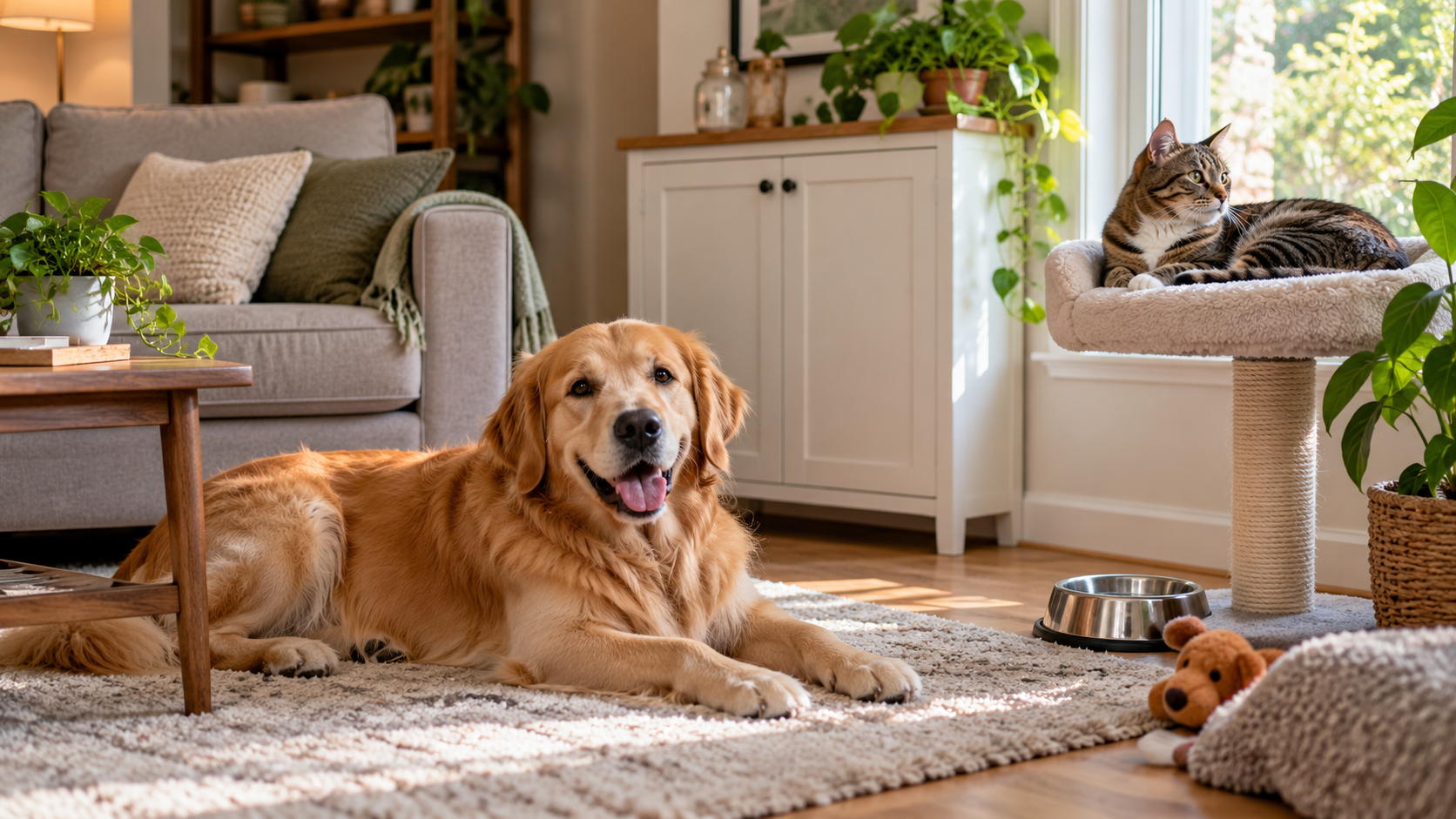
A pet’s wellbeing depends on more than nutritious food, regular exercise, and routine veterinary visits. The everyday habits people follow at home can also influence how dogs and cats feel, behave, and respond to their surroundings. From cleaning routines and household noise to air quality and daily schedules, small details can make a meaningful difference to an animal’s comfort and safety.
Pets share many aspects of their environment with their owners, but they do not always respond to these surroundings in the same way. A noisy gathering may leave a dog feeling anxious, while an unfamiliar smell may cause a cat to avoid a particular room. Certain household substances can also pose health risks if pets inhale them, ingest them, or come into contact with them.
Understanding these everyday influences helps pet owners make informed choices and create a home environment that supports their animals’ physical and emotional needs.
Maintaining a Consistent Daily Routine:
Dogs and cats often benefit from predictable daily routines. Regular feeding times, appropriate exercise, play sessions, and opportunities for rest can help pets feel more comfortable in their surroundings.
When daily schedules change frequently, some animals may become unsettled. For example, a dog accustomed to a morning walk may show signs of frustration when that activity is repeatedly delayed. A cat may also react to changes in feeding times, sleeping arrangements, or access to familiar spaces.
A consistent routine does not mean every day must follow an identical schedule. Instead, owners should try to maintain a reasonable level of predictability while allowing flexibility for work, travel, and other responsibilities.
Useful habits include:
- Feeding pets at reasonably consistent times.
- Providing regular opportunities for exercise and play.
- Maintaining a comfortable sleeping area.
- Allowing pets time to adjust to changes in the household.
- Avoiding sudden changes to established routines whenever possible.
For dog owners, building a predictable schedule can make everyday pet care easier to manage. Our daily dog care routine guide explains how to balance feeding, exercise, enrichment, and rest while adapting the routine to your dog’s individual needs.
Puppies, kittens, older animals, and pets with existing health concerns may have particular needs. Owners should consult a veterinarian if changes in routine are accompanied by persistent behavioural changes, appetite loss, or other concerning symptoms.
Keeping Household Noise Under Control:
Noise is a common but often overlooked factor in a pet’s home environment. Loud music, television sounds, construction work, shouting, and sudden household activities can make some animals uncomfortable.
Dogs may respond to loud noises by barking, pacing, hiding, or seeking attention. Cats may retreat to quiet spaces or become less willing to interact. Individual reactions vary, and an animal’s response can depend on its temperament, previous experiences, age, and health.
Pet owners can reduce unnecessary noise by keeping television and music volumes reasonable and providing a quiet area where animals can rest without interruption.
During celebrations, family gatherings, or other noisy occasions, it may help to prepare a familiar room with bedding, water, and a comfortable hiding place. Owners should allow their pets to retreat voluntarily rather than forcing them to remain in a busy area.
If an animal repeatedly shows intense fear around particular sounds, a veterinarian or qualified animal behaviour professional can help identify suitable management strategies.
Understanding the Impact of Indoor Air Quality:
The air inside a home can contain particles, fragrances, aerosols, smoke, and other substances that may affect animals. Because pets spend considerable time indoors, the products people use and the activities they carry out can influence their environment.
Cooking fumes, dusty rooms, certain cleaning products, cigarette smoke, and vaping aerosols are examples of exposures that pet owners should consider when assessing indoor air quality.
Although products designed for adults may be marketed for human use, that does not mean their emissions are harmless to animals. Pets may be exposed through inhalation, residue on surfaces, or accidental contact with discarded materials.
For example, adults researching consumer products such as the best 10000 puff vapes should also understand that vaping around pets can expose them to aerosol. It is safer to avoid vaping around animals and to keep devices, e-liquids, and used components securely stored out of their reach.
E-liquids containing nicotine can be particularly dangerous if swallowed. Some vape devices and components may also present risks if chewed or ingested. If a pet may have swallowed e-liquid or part of a device, contact a veterinarian or animal poison service immediately rather than waiting for symptoms.
Practical ways to improve the indoor environment include opening windows when appropriate, following product safety instructions, avoiding smoking or vaping around pets, and keeping potentially hazardous substances away from animal-accessible areas.
Owners should also remember that air fresheners, essential oils, and other fragranced products are not automatically safe for every animal. When uncertain about a product, seek veterinary guidance before using it near a pet.
Using Cleaning Products Responsibly:
Regular cleaning helps maintain a hygienic home, but the way cleaning products are selected, stored, and used matters.
Disinfectants, detergents, concentrated cleaning solutions, and other household chemicals can cause harm if animals ingest them or experience inappropriate exposure. Some products may irritate the skin, eyes, or respiratory tract.
Pet owners should read product labels carefully and follow the manufacturer’s directions, including any instructions about dilution, ventilation, and keeping people or animals away from treated areas.
Good cleaning habits include:
- Storing chemicals in closed cupboards that pets cannot access.
- Keeping animals away from freshly cleaned surfaces when required by the product instructions.
- Allowing treated areas to dry or ventilate as directed.
- Never mixing cleaning products unless the manufacturer explicitly permits it.
- Storing laundry detergents, disinfectants, and other chemicals in their original containers.
Extra care is also needed when cleaning pet bedding, food bowls, toys, and litter areas. Products should be appropriate for the intended use, and surfaces should be rinsed when required by their instructions.
If a pet comes into contact with a potentially harmful chemical, follow professional veterinary advice promptly. Do not induce vomiting or attempt a home remedy unless a veterinarian specifically instructs you to do so.
Creating a Safe Space for Rest and Privacy:
Every pet needs somewhere comfortable to rest. A suitable resting area can help animals feel secure and give them a break from household activity.
Dogs may appreciate a quiet bed in a familiar location, while cats often benefit from access to elevated resting areas, hiding places, or enclosed beds. The right arrangement depends on the animal’s size, mobility, temperament, and preferences.
Owners should place resting areas away from constant foot traffic and avoid disturbing pets unnecessarily while they sleep.
It is also important to respect an animal’s signals. A pet that moves away, hides, or avoids interaction may need space rather than additional attention. Children should be taught not to pull, chase, or disturb animals that are resting.
Households with multiple pets may need separate feeding and resting areas to reduce competition. Cats, in particular, may benefit from having resources distributed around the home rather than grouped together in one busy location.
A comfortable environment should give pets opportunities to interact with family members while allowing them to withdraw when they need quiet time.
Keeping Food and Everyday Items Out of Reach:
Many common household items can become hazards when pets explore them. Food left on kitchen counters, medication placed on low tables, small toys, and unsecured rubbish can all create opportunities for accidental ingestion.
Some foods that are safe for people are harmful to dogs or cats. Chocolate, grapes, raisins, onions, garlic, and products containing the sweetener xylitol are examples of foods that can pose risks to dogs. Cats also have specific dietary sensitivities and should not be given human medication without veterinary direction.
Pet owners can reduce these risks by storing food securely, clearing leftovers promptly, and keeping medicines and small objects in closed storage.
Rubbish bins should have secure lids, especially if they contain food scraps, packaging, or discarded household materials. Owners should also inspect pet toys regularly and replace damaged items that could be swallowed.
When introducing a new plant, household product, or food, check whether it is safe for the particular animal. If a pet consumes something potentially toxic, contact a veterinarian immediately and provide details about the substance and approximate quantity if known.
Understanding How Social Activities Affect Pets:
Family gatherings, visitors, celebrations, and busy weekends can change a pet’s normal surroundings. Some animals enjoy meeting new people, while others become anxious when unfamiliar individuals enter their territory.
The combination of noise, open doors, food on tables, and increased movement can also create practical safety concerns.
Owners can prepare by providing a quiet room, informing visitors about household pet rules, and ensuring that doors and gates remain secure. During gatherings, it may be helpful to keep pets away from crowded areas if they appear uncomfortable.
Children should be encouraged to approach animals calmly and avoid forcing physical contact. Visitors should also understand that not every pet wants to be held, petted, or introduced to strangers.
For pets that find visitors particularly stressful, gradual behaviour training and professional guidance may be appropriate.
Sports nights and televised matches can create similar changes in household activity. For example, a family following the PKL player auction or watching a major sporting event may have guests over, increase the television volume, or spend more time in a shared living space.
The important consideration is not the sporting activity itself but how the household environment changes around it. Keeping noise at a reasonable level, preventing access to unsafe food, and maintaining a quiet retreat can help pets remain comfortable during busy evenings.
Providing Enough Exercise and Mental Stimulation:
A pet-friendly household should support physical activity and mental engagement as well as rest.
Dogs generally need exercise suited to their age, breed, health, and individual abilities. Depending on the animal, this may include walks, supervised outdoor activity, play, or training exercises.
Cats also benefit from opportunities to climb, explore, chase appropriate toys, and engage in activities that encourage natural behaviours.
Without sufficient stimulation, some pets may develop unwanted behaviours such as excessive barking, destructive chewing, or repeated attempts to attract attention. These behaviours can have several causes, however, so they should not automatically be attributed to boredom.
Owners can introduce short play sessions, food puzzles designed for pets, safe toys, and simple training activities. Rotating suitable toys can help maintain interest without requiring constant purchases.
Exercise should be adapted to the animal’s condition. Pets with mobility problems, breathing difficulties, or other health concerns may need a modified activity plan developed with veterinary advice.
Recognising Behavioural Changes Early:
Everyday household habits can affect how pets behave, but sudden behavioural changes may also indicate pain, illness, or another underlying problem.
A normally sociable dog that begins hiding, a cat that stops using its litter tray, or an animal that suddenly becomes aggressive may be responding to environmental stress. However, these signs can also have medical causes.
Owners should pay attention to changes in eating, drinking, sleeping, grooming, activity, and toileting habits.
Keeping a simple record of when a behaviour occurs may help identify patterns. For example, an owner might notice that a dog becomes unsettled during thunderstorms or that a cat avoids a room after a new cleaning product is introduced.
If the change persists, becomes severe, or appears alongside other symptoms, seek veterinary advice. Breathing difficulty, collapse, suspected poisoning, and other serious symptoms require urgent professional attention.
Understanding an animal’s usual behaviour makes it easier to notice when something is wrong and respond appropriately.
Building Pet-Friendly Habits That Last:
Creating a healthier home environment does not require changing everything at once. Small, consistent improvements can make daily life safer and more comfortable for pets.
Start by reviewing the areas where animals spend most of their time. Check whether cleaning products and medications are stored securely, whether resting areas are quiet enough, and whether pets have suitable opportunities for exercise and interaction.
Next, consider the household’s daily routine. Regular feeding, appropriate play, and predictable rest periods can help animals feel more settled.
It is also worth reviewing how household members use products that produce smoke, aerosols, strong fragrances, or chemical residues. Keeping potentially hazardous substances away from pets and following appropriate safety guidance should be part of normal household practice.
Finally, make pet safety a shared responsibility. Everyone in the home should understand feeding rules, storage precautions, safe handling, and the importance of recognising signs of distress.
The best habits are practical enough to maintain consistently and flexible enough to accommodate the needs of individual animals.
Conclusion:
Everyday household habits can influence a pet’s physical health, emotional comfort, and behaviour. Noise, inconsistent routines, indoor air quality, cleaning products, unsafe food, and busy social gatherings can all affect the environment animals experience at home.
By maintaining predictable routines, providing quiet resting spaces, storing hazardous substances safely, and offering appropriate exercise and stimulation, owners can reduce preventable risks and support their pets’ wellbeing.
It is equally important to observe changes in behaviour and seek veterinary advice when something seems unusual. Environmental adjustments can help in many situations, but they should not replace professional assessment when illness, injury, or poisoning is suspected.
A safe and comfortable home is built through everyday decisions. With thoughtful planning and consistent care, pet owners can create an environment where their animals feel secure, supported, and better able to thrive.