Short direct answer
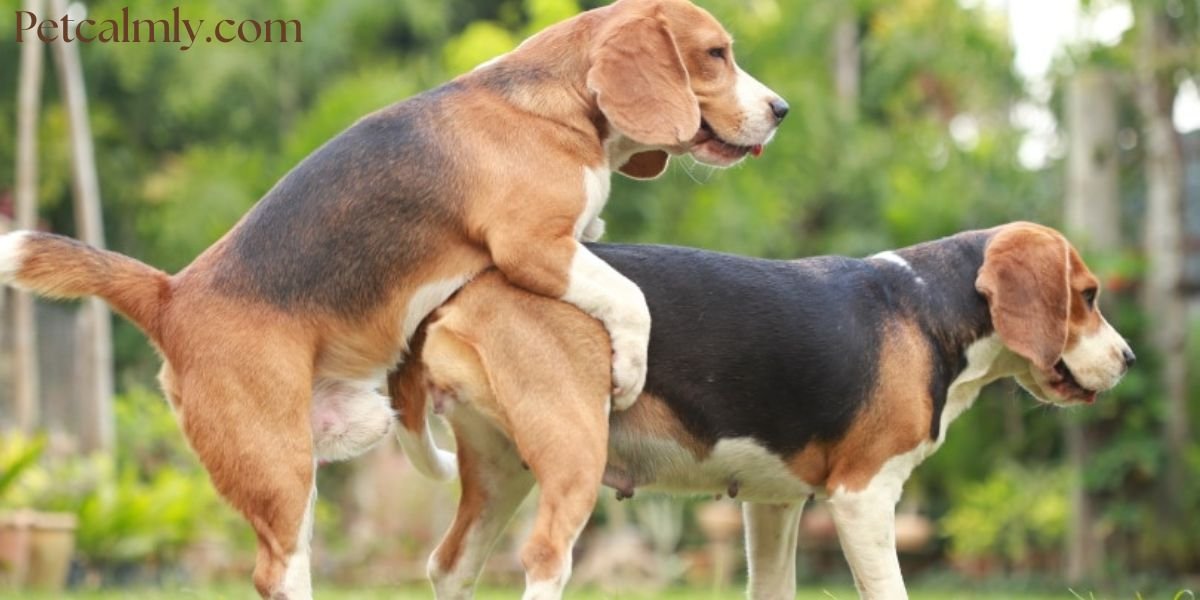
Dogs typically stay stuck together after mating for 5 to 45 minutes. This natural process, known as a copulatory tie, occurs when the male’s bulbus glandis swells inside the female, locking them in place. Most ties last 15-20 minutes, but it can vary based on breed, age, and experience.
As a pet owner, knowing about the copulatory tie can ease worries during breeding. It prevents accidental harm from trying to separate dogs and helps you spot issues early. Whether you’re planning puppies or dealing with an unplanned mating, this knowledge keeps your dogs safe and healthy.
Understanding the Dog Mating Process
Dog mating involves distinct stages that ensure reproduction. It starts with courtship, moves to mounting, and ends with the tie. This process is instinctual, but understanding it helps you manage your pets responsibly.
What is the Copulatory Tie?
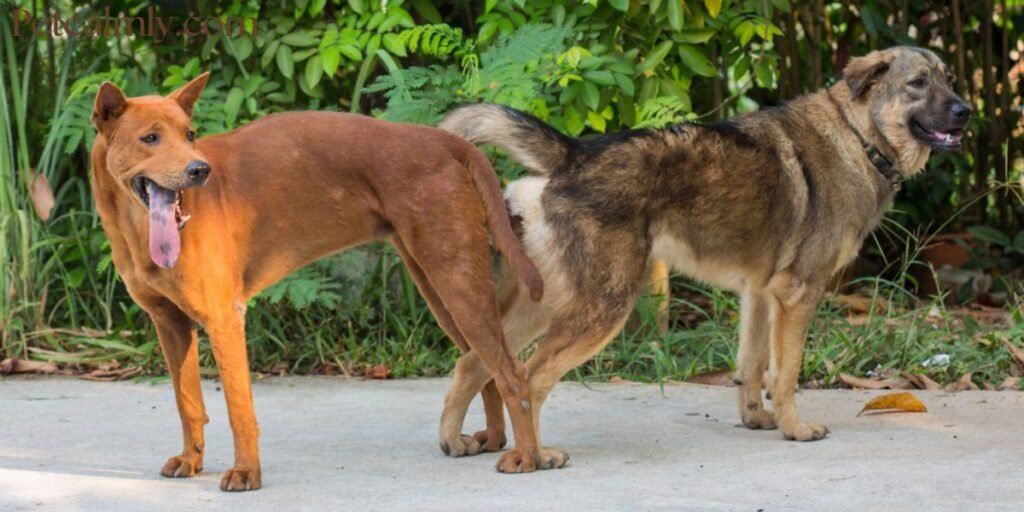
The copulatory tie is the final stage where dogs appear “stuck” rear-to-rear. The male dismounts but remains locked due to swelling in his penis. This tie allows sperm to flow effectively, boosting pregnancy chances.
In real life, you might see the male turn around while still connected. Both dogs may stand calmly or show mild discomfort if it’s their first time.
Why Do Dogs Get Stuck Together?
Dogs get stuck to maximize fertilization. The male’s bulbus glandis enlarges with blood, gripped by the female’s vaginal muscles. This prevents separation until the swelling subsides.
Unlike humans, dogs don’t mate for pleasure alone. The tie evolved to help sperm reach the eggs in a competitive environment, like with multiple males.
Factors Affecting How Long Dogs Stay Stuck
Tie duration varies. Smaller breeds often have shorter ties, around 5-15 minutes, while larger ones may last 30-45 minutes.
Age and experience matter too. Young or first-time dogs might tie briefly due to anxiety, while experienced pairs can stay longer. Health issues, like prostate problems in males, could shorten or extend it.
Normal Behaviors During and After the Tie
During the tie, dogs may whine or pant from excitement, not pain. The female might try to move, but gentle restraint keeps them safe.
After separating, both may lick their genitals to clean up. Expect some fluid discharge, which is normal semen and vaginal secretions. Monitor for excessive bleeding, though.
Common Concerns About Dog Mating
Pet owners often worry about pain or injury. The tie itself isn’t painful, but forcing separation can tear tissues.
Is the Tie Painful for Dogs?
Most dogs tolerate the tie well. Newbies might yelp from surprise, but it’s not agony. Signs of real pain include constant howling or aggression rare in healthy dogs.
In practice, calm environments reduce stress. If your dog seems distressed, it’s often just adjustment.
Can Dogs Get Injured During Mating?
Yes, if mismatched in size. A large male with a small female risks vaginal tears. Unsupervised matings in yards can lead to fights if other dogs interfere.
Real example: A backyard breeder reported a female pulling away violently, causing bleeding. Vet care fixed it, but prevention is key.

Does Tying Guarantee Pregnancy?
No, tying boosts odds but doesn’t ensure pups. Timing during the female’s heat cycle is crucial days 9-14 are fertile. Multiple matings increase success.
If no tie happens, pregnancy is still possible from brief contact, but less likely.
When Should You Be Concerned?
Watch for red flags during or after mating. Normal ties resolve naturally, but issues need quick action.
If the tie lasts over 45 minutes to an hour, call your vet it could signal swelling that won’t subside. Excessive bleeding, swelling, or limping post-tie means possible injury.
Concern if the female shows signs of infection later, like fever or discharge. Unplanned matings with strays risk diseases like brucellosis test both dogs.
Puppies under 1 year or seniors over 7 face higher risks. Always consult a vet before breeding.
What Should Pet Owners Do?
Stay proactive to handle matings safely. Prevention is best for non-breeders.
If You Witness a Tie
Keep calm don’t pull them apart, as it causes harm. Secure the area to prevent dragging or falls. Offer water and a quiet space.
Time the tie; note any odd behaviors for your vet records.
Preventing Unwanted Matings
Spay or neuter if not breeding. Supervise intact dogs during heat use diapers or separate them.
For planned breeding, choose compatible mates. Get health checks: hips, eyes, and genetic tests from OFA or similar USA organizations.
After Mating Care
Monitor the female for pregnancy signs around week 3: appetite changes, nipple growth. Schedule a vet ultrasound at day 28.
Both dogs need deworming and vaccines updated. Feed quality food brands like Hill’s or Purina for USA pets.
More Information About Pets, Please Visit Our Website: My Cat Always Runs Away From Me
Why Is My Cat Running Away from Me and Hiding
Conclusion
The copulatory tie in dogs is a normal, vital part of mating, lasting 5-45 minutes to aid reproduction. By understanding this, you can support your pets without stress. Always prioritize health consult vets for breeding advice. Responsible ownership means happy, safe dogs and fewer surprises.
Frequently Asked Questions
Why do dogs get stuck when breeding?
Dogs get stuck due to the male’s penis swelling inside the female, creating a lock. This ensures sperm transfer and lasts until muscles relax naturally.
Is it normal for dogs to tie for only a few minutes?
Yes, short ties like 5-10 minutes can still lead to pregnancy if sperm is deposited. It depends on the dogs’ arousal and experience levels.
What if my dogs separate too early during mating?
Early separation might reduce fertilization chances, but retry in 24-48 hours if breeding is intended. Consult a vet if it happens repeatedly.
Can dogs mate multiple times in one heat cycle?
Yes, females stay receptive for days, allowing multiple matings. This can result in litters with different fathers from various males.
How can I tell if my dog is in heat?
Look for swollen vulva, bloody discharge, and increased urination. Behavior changes include friendliness toward males or restlessness lasts 2-4 weeks.
Should I breed my dog at home without a vet?
No, always involve a vet for health screenings and guidance. Home breeding risks complications like dystocia, needing emergency C-sections.