How often should I bathe my dog? Most healthy adult dogs thrive with a bath every 4 to 6 weeks. This balance keeps them clean and comfortable while preserving the natural oils that protect their skin and give their coat a healthy shine. Highly active dogs, those with oily or long coats, or dogs living in muddy environments may need bathing every 2 to 4 weeks. Meanwhile, short-haired indoor companions can comfortably go 8 to 12 weeks or longer. The best approach is to watch your dog’s individual cues coat condition, odor, and skin health rather than following a rigid timetable.
Why Getting the Bathing Frequency Right Matters So Much
Bathing your dog is about more than just removing dirt and making them smell fresh. It directly affects their skin barrier, comfort, and overall well-being. A dog’s skin produces sebum, a natural oil that moisturizes, repels water, and defends against bacteria and allergens. Bathe too frequently with the wrong products, and you strip away this protective layer, leading to dryness, itching, and irritation. Bathe too infrequently, and dirt, pollen, dead skin, and bacteria accumulate, which can cause odors, matting, hot spots, or even skin infections.
Imagine your dog’s skin like a delicate garden. The natural oils are the rich soil that keeps everything thriving. Over-watering (or in this case, over-washing) washes away the nutrients, while neglect lets weeds and pests take over. Striking the right balance helps your dog stay happy, reduces vet visits, and keeps your home smelling better too.
Many pet parents feel confused when they first bring home a dog. One common story comes from Sarah, a first-time owner of a lively Labrador Retriever named Max. She bathed him weekly because he loved rolling in the backyard. Within a month, Max developed flaky skin and constant scratching. Her vet explained that the frequent baths had dried out his coat. Switching to every 5 weeks, combined with daily brushing, cleared the issue in just a couple of weeks. Stories like this show why understanding your dog’s unique needs is essential.
Major Factors That Influence How Often You Should Bathe Your Dog
Every dog is different, so bathing frequency depends on several interconnected factors. Here’s a closer look at what to consider:
Coat Type and Breed Coat type is one of the biggest influencers. Short, smooth coats (think Beagles, Boxers, or Dachshunds) naturally shed dirt and require less frequent bathing often every 6 to 8 weeks or even longer. Double-coated breeds like Labrador Retrievers, Golden Retrievers, or Siberian Huskies trap dirt in their dense undercoat, so they usually benefit from a bath every 4 to 8 weeks, especially during heavy shedding seasons.
Long-haired or silky breeds (Shih Tzus, Maltese, Yorkshire Terriers) collect debris easily and tangle quickly, making a bath every 3 to 4 weeks more appropriate. Curly or woolly coats, such as those on Poodles or Bichon Frises, need regular bathing every 3 to 4 weeks to prevent painful mats. Oily-coated dogs like Basset Hounds or Cocker Spaniels tend to develop a stronger odor faster and may do best with gentle baths every 2 to 4 weeks. Hairless breeds, including the Chinese Crested, often require weekly baths with mild, moisturizing formulas because they lack fur to protect their skin and can develop buildup or acne-like issues.
Lifestyle and Activity Level A dog’s daily routine plays a huge role. Couch-potato dogs who spend most of their time indoors stay cleaner and can often go 8 to 12 weeks between baths. In contrast, adventurous dogs who hike, swim, dig in the garden, or visit dog parks pick up dirt, pollen, and odors much faster. For these active pups, bathing every 2 to 4 weeks during peak seasons keeps them comfortable and prevents skin irritation from trapped debris.
Seasonal changes matter too. In hot, humid summers or rainy periods, more frequent baths help remove allergens and moisture-related bacteria. In dry winter months, reduce frequency and focus on brushing and moisturizing sprays to avoid worsening skin dryness.
Age, Health, and Skin Conditions Puppies have thinner, more sensitive skin and usually need only occasional baths every 6 to 8 weeks, or spot cleaning with gentle wipes. Use positive reinforcement during these early experiences so they grow up viewing bath time calmly. Senior dogs often become less active and may need fewer full baths, but they can benefit from more frequent gentle wiping of paws, belly, and rear areas.
Dogs with allergies, dry skin, yeast infections, or other dermatological issues frequently require a customized schedule. Vets sometimes recommend medicated baths 1–2 times per week initially to manage flare-ups, then tapering off. Always follow professional advice, as the right medicated shampoo can make a dramatic difference in comfort.
Environment and Personal Factors Dogs living in dusty or pollen-heavy areas, or those who share beds and couches with family, may need more regular cleaning to keep the household fresh. If anyone in your home has allergies, bathing your dog more often can reduce dander and allergens in the air.
Clear Signs That Your Dog Needs a Bath
Instead of marking dates on a calendar, let your dog tell you when it’s time. Reliable indicators include:
- A persistent “doggy” smell that brushing doesn’t remove
- Greasy or dull-looking fur that feels oily when touched
- Visible dirt, mud, or sticky residues in the coat
- Increased scratching, licking, or rubbing against furniture
- Formation of mats or tangles, especially in longer coats
- Flaky skin or dandruff appearing on the back or sides
Pay attention to seasonal shifts too. If your dog comes in from a walk covered in pollen or mud, a quick bath or thorough rinse can prevent discomfort.
Take the case of Bella, a fluffy Shih Tzu. Her owner noticed mats forming behind her ears and a sour smell after two weeks without a bath. After a gentle wash with a moisturizing shampoo, Bella’s coat looked vibrant again and she stopped scratching. Small observations like these help you fine-tune the schedule perfectly for your pet.
Potential Risks of Bathing Too Often or Not Enough
Over-bathing is a common mistake that can harm your dog more than help. Stripping natural oils leads to dry, flaky, itchy skin, a dull and brittle coat, increased shedding, and higher risk of hot spots or secondary infections. Some dogs develop redness or even behavioral stress if baths become too frequent and unpleasant.
Under-bathing allows dirt, bacteria, yeast, and allergens to build up. This can cause matting that pulls on the skin, unpleasant odors, parasite attraction, and discomfort that affects your dog’s mood and energy levels. In severe cases, chronic buildup contributes to skin infections requiring veterinary treatment.
The sweet spot for most dogs lands around once a month, but always adjust based on real-life feedback from your dog’s skin and coat.
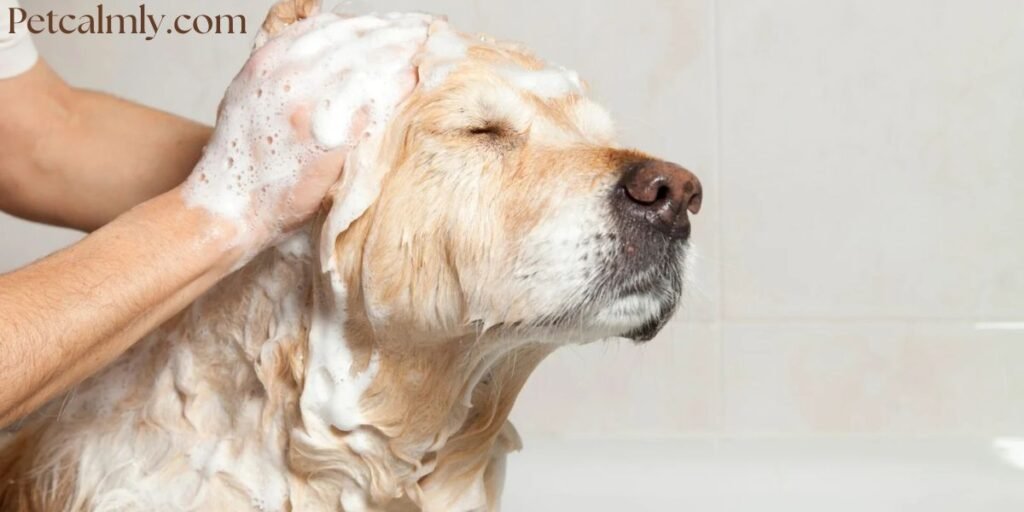
How to Bathe Your Dog at Home: A Detailed Step-by-Step Guide
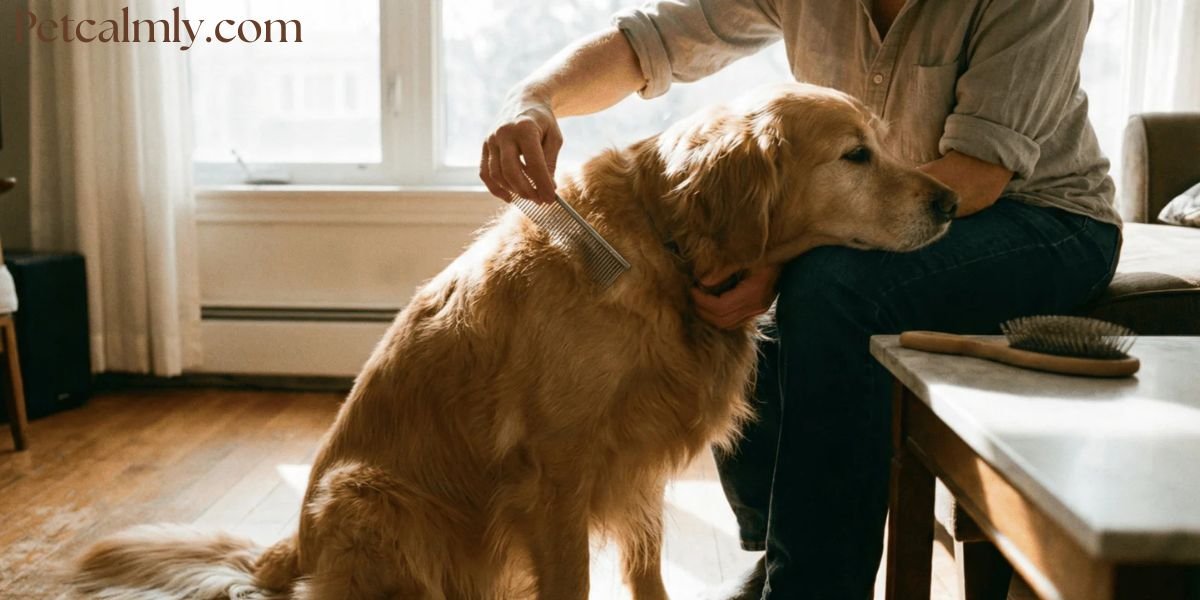
Bathing at home can be a rewarding bonding experience when done correctly. Here’s a thorough, practical process:
- Gather Supplies in Advance —
Dog-specific shampoo and conditioner suited to your dog’s coat and skin type, several absorbent towels, a non-slip mat, a soft brush or grooming comb, cotton balls for ears, treats, and optionally a low-heat pet dryer. Never use human shampoo—it has the wrong pH and can cause irritation. - Brush Thoroughly First —
Remove loose hair, dirt, and any mats. Wet mats tighten and become painful, so this step is non-negotiable for long or curly coats. - Prepare the Bathing Area —
Use a bathtub, walk-in shower, utility sink for small dogs, or an outdoor area with warm water access. Place the non-slip mat down and keep water temperature lukewarm—test it on your wrist like you would for a baby. - Wet Your Dog Completely —
Start from the neck down to avoid getting water in the eyes and ears initially. Use a handheld sprayer or cup for better control. Make sure water reaches the skin, especially in thick or double coats. - Apply and Massage Shampoo —
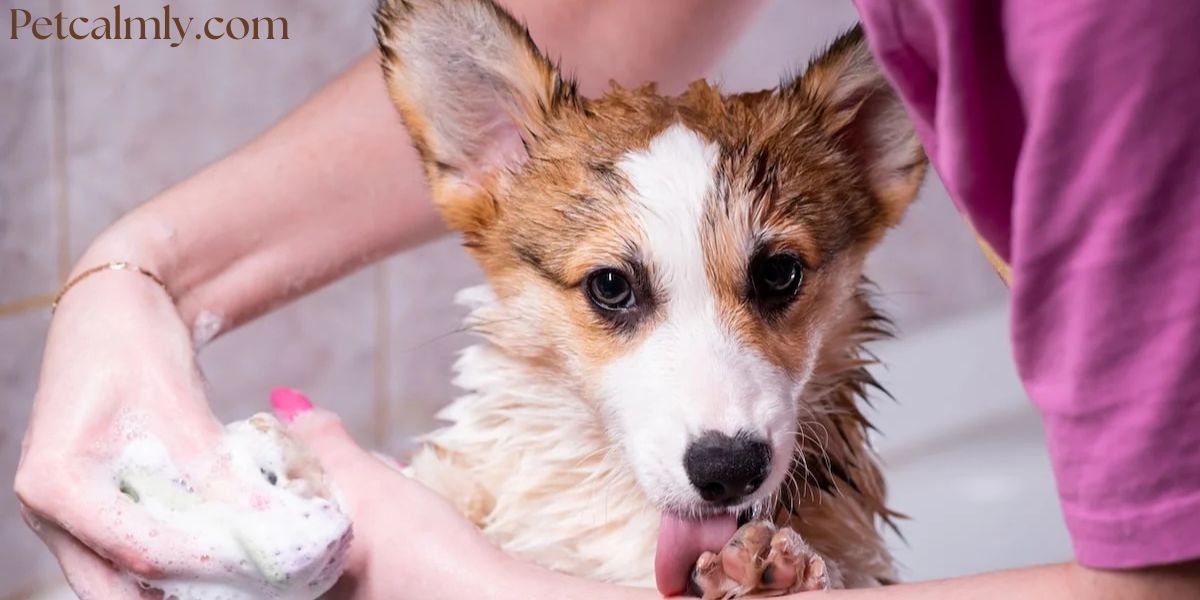
Use a small amount (dilute if the label suggests). Work it into a gentle lather, massaging from neck to tail, paying extra attention to armpits, belly, groin, and paws where dirt hides. Let the shampoo sit for the recommended time—often 5–10 minutes for medicated formulas—to allow it to work effectively. - Rinse Extremely Well —
Residual shampoo is a major cause of itching and skin problems. Rinse until the water runs completely clear, lifting the coat to ensure no soap remains underneath. - Apply Conditioner if Needed —
For dry or long coats, a dog-safe conditioner can restore moisture and reduce static. Follow the same thorough rinsing process. - Dry Carefully —
Towel dry first, gently squeezing rather than rubbing to avoid tangles. Use a pet dryer on low heat or air-dry in a warm room. Ensure your dog is fully dry before letting them outside or sleep in their bed—damp fur can lead to chills or hot spots. - Finish with Rewards and Check-Up —
Offer praise and high-value treats. Gently dry ears with cotton balls and inspect skin for any issues.
For dogs who dislike water, start with short positive sessions: let them explore the empty tub with treats, then add a little water over multiple days until they feel comfortable.
Choosing the Right Shampoo and Products
Always select pH-balanced shampoos formulated specifically for dogs. Look for gentle, oatmeal-based, or hypoallergenic options for sensitive skin. For odor control, consider formulas with natural ingredients like aloe or coconut. Medicated shampoos containing chlorhexidine or ketoconazole help with infections but should only be used under veterinary guidance.
Popular vet-recommended choices include oatmeal and aloe blends for everyday use, whitening shampoos for light-colored coats, and moisturizing options for dry skin. Waterless or foaming shampoos work well for quick touch-ups between full baths.
Common Mistakes Pet Owners Make and How to Avoid Them
Many well-meaning owners bathe too often with harsh products or skip brushing beforehand. Others leave soap residue or use hot water, which dries the skin. Forcing a fearful dog into the tub without preparation creates negative associations that last for years.
Instead, focus on consistency, gentle handling, and high-quality products. Regular brushing between baths removes most surface dirt and distributes natural oils, dramatically reducing the need for frequent washing.
When Should You Be Concerned?
Reach out to your veterinarian if you notice:
- Persistent redness, hot spots, or bald patches after bathing
- Increased itching or licking that doesn’t improve with adjusted frequency
- Strong odor returning within just a few days of a bath
- Dry, flaky skin that worsens despite using moisturizing products
- Any signs of pain, swelling, or unusual behavior during or after grooming
Puppies younger than 8 weeks generally need only warm cloth spot cleaning rather than full baths. Dogs with underlying conditions like hypothyroidism or autoimmune issues may have completely different requirements professional input is invaluable here.
What Should Pet Owners Do? Your Practical Action Plan
Create a simple routine that works for your lifestyle:
- Spend one month observing your dog’s coat, odor, and behavior after different intervals.
- Begin with a bath every 4–6 weeks and adjust up or down based on results.
- Incorporate weekly or bi-weekly brushing sessions tailored to coat type.
- Keep a small supply of dog wipes or waterless shampoo for quick clean-ups of paws, belly, and rear.
- Schedule professional grooming every 6–8 weeks for breeds that need trimming or styling.
- Track any seasonal or health changes and consult your vet promptly if concerns arise.
- Make bath time positive with patience, treats, and calm energy.
Over time, this personalized approach becomes second nature and strengthens the bond with your dog.
Additional Tips for Long-Term Success
- Combine bathing with other grooming tasks like nail trimming, ear cleaning, and dental care for a complete routine.
- Consider your home environment frequent bathing helps if you have allergies in the family.
- In multi-dog households, bathe one at a time to reduce stress.
- During shedding seasons, more frequent brushing often replaces the need for extra baths.
- Explore natural remedies like coconut oil (sparingly) or vet-approved sprays for between-bath moisture.
More Information About Pets, Please Visit Our Website: How Often Should I Bathe My Dog in Winter?
How Often Should I Bathe My Dog with Skin Allergies
Conclusion
There is no single perfect number for how often you should bathe your dog. For the majority of healthy adults, every 4 to 6 weeks provides an excellent starting point, but always tailor the schedule to coat type, activity level, age, health, and environment. Regular brushing, the right dog-specific products, thorough rinsing, and complete drying are just as important as the frequency itself.
Pay close attention to your dog’s skin and coat they will clearly show you when adjustments are needed. When in doubt, your veterinarian or a professional groomer can offer personalized guidance based on your dog’s specific situation. A well-cared-for dog with healthy skin and a fresh coat is not only more comfortable but also a joy to live with and cuddle.
By following these practical, vet-informed guidelines, you’ll avoid common pitfalls, prevent skin problems, and enjoy many happy, odor-free years together with your beloved companion.
Frequently Asked Questions
1: How often should I bathe my puppy?
Puppies have sensitive skin, so limit full baths to every 6–8 weeks or only when truly dirty. Use gentle spot cleaning with dog wipes or warm damp cloths in between to build positive associations for future grooming.
2: Is it safe to bathe my dog once a week?
For most dogs, weekly baths risk drying out the skin and stripping protective oils. However, dogs with very oily coats, allergies, or certain skin conditions may tolerate or even need weekly baths when using mild, vet-recommended shampoos. Monitor for signs of irritation.
3: What if my dog has dry or sensitive skin?
Bathe less often every 6–8 weeks or longer and choose moisturizing, oatmeal-based dog shampoos. Focus heavily on brushing and consider leave-in conditioners or sprays between baths to maintain skin hydration.
4: Can I use human or baby shampoo on my dog?
No. Human and baby shampoos have a different pH level that can disrupt your dog’s skin barrier, leading to dryness, itching, or allergic reactions. Always select products made specifically for canine use.
5: How do I bathe a dog that hates water?
Introduce the tub gradually with treats and praise. Start with dry sessions, then add minimal water over several days or weeks. Many fearful dogs improve with professional groomer help or calming aids recommended by a vet.
6: Do indoor dogs really need fewer baths than outdoor dogs?
Yes, in most cases. Indoor dogs encounter less dirt, mud, and allergens, so they can often go 6–12 weeks between baths. Active outdoor dogs usually need more frequent cleaning every 2–4 weeks depending on their adventures.