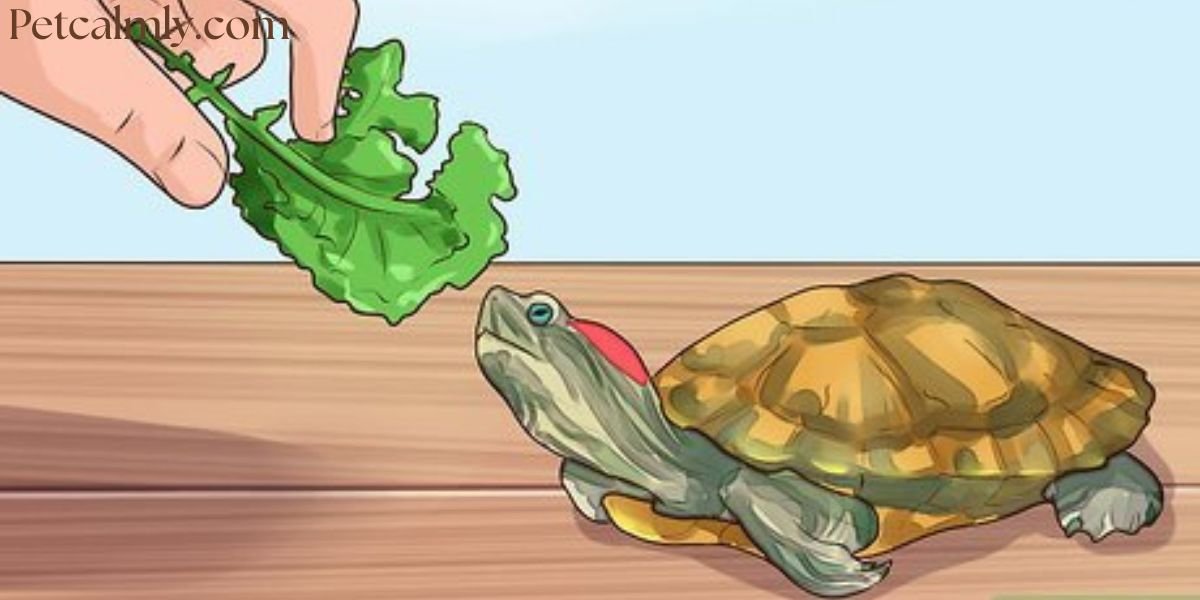
Short direct answer
The main answer to how often should I feed my turtle is this: It depends heavily on your turtle’s age and species, but as a general guideline for most common pet turtles (like red-eared sliders, painted turtles, or other aquatic/omnivorous types):
- Hatchlings and juveniles (under 1–2 years old): Feed once a day or every other day, with a focus on protein-rich foods to support fast growth.
- Young adults (roughly 2–5/7 years): Feed every day or every other day.
- Mature adults (over 7–10 years): Feed every 2–3 days, shifting toward more plant-based meals.
Always offer an amount they can finish in 15–20 minutes (or use the “head size” rule: food volume roughly equal to the size of their head if hollow). Remove leftovers to keep the water clean. This schedule prevents obesity while ensuring proper nutrition.
Caring for a pet turtle means more than just providing a tank and water feeding frequency plays a huge role in their long-term health and happiness. Many new owners wonder about this because turtles often beg for food, making it tempting to feed more often. But overdoing it can lead to serious issues like shell problems or obesity, while underfeeding stunts growth in young ones. Getting the schedule right helps your shelled friend thrive for decades.
Why Feeding Frequency Varies So Much
Turtles’ needs change as they grow. Young turtles have speedy metabolisms and grow rapidly, so they require more frequent meals packed with protein. Adults slow down, eat less, and do better with veggies dominating their plate.
Species make a difference too. Aquatic omnivores like red-eared sliders follow the age-based pattern above. More herbivorous types (like some adult sliders or certain box turtles) lean toward daily greens but less frequent protein. Always research your exact species, but the age rule covers most pets.
Think of it like raising a child versus an adult: Kids need breakfast, lunch, dinner, and snacks. Grown-ups might skip a meal without issue.
Feeding Hatchlings and Baby Turtles
Baby turtles need the most attention to feeding. Their bodies are building bone, shell, and muscle quickly.
Feed hatchlings daily. Offer small portions of high-quality turtle pellets, live or frozen protein (like worms, small fish, or shrimp), and chopped greens. Aim for 70–80% animal protein at this stage.
Use the 15–20 minute rule: Drop in food, let them eat what they want in that time, then scoop out extras. This prevents water fouling.
A common setup: Morning feeding of pellets mixed with veggies, perhaps a live treat twice a week for enrichment.
One owner shared how their tiny painted turtle hatchling ate eagerly every day but started refusing after overfeeding switching to strict daily portions fixed it fast.
How Often to Feed Juvenile Turtles
Juveniles (1–5 years, depending on growth) are still developing but not as frantically.
Feed every day or every other day. Many experts suggest daily for the first couple of years, then easing to every other day as they near adulthood.
Diet shifts slightly: 50% protein, 50% veggies/fruits. Include dark leafy greens (kale, dandelion), occasional fruits, and commercial pellets.
Portion tip: The “hollow head” method works great here imagine filling their head like a bowl. That’s about right.
Example: A young red-eared slider might get pellets Monday, greens Tuesday, protein Wednesday, repeating with variety.
This keeps energy high without excess calories piling up as fat.
Adult Turtle Feeding Schedule
Adult turtles have slower metabolisms. Feeding too often is a top mistake.
Offer food every 2–3 days. Some large adults do fine with twice weekly.
Focus diet on plants: 50–70% veggies/greens, 30–50% protein. Pellets should be a staple, supplemented with occasional treats like earthworms.
Many owners feed on a calendar: Monday, Wednesday, Friday, for example. This mimics natural opportunistic eating without constant gorging.
One vet noted that overfed adults often show fat rolls around legs and neck, making shell retraction hard avoid that by sticking to the schedule.

How Much Food Is the Right Amount?
Frequency matters, but quantity is key too.
General rules:
- Feed what they finish in 15–20 minutes.
- Or use head size: Pellets/protein equaling their head volume.
- Remove uneaten food promptly.
Over time, watch body condition. A healthy turtle has a smooth shell, no visible fat bulges, and good energy for swimming/basking.
Common Mistakes When Feeding Turtles
Avoid these pitfalls that many owners make:
- Feeding daily as adults — Leads to obesity fast. Adults don’t need it.
- Ignoring leftovers — Decaying food ruins water quality and causes shell rot.
- Too much protein forever — Young ones need it, but adults get fatty liver or shell pyramids from excess.
- Falling for begging — Turtles beg even when full—it’s instinct, not hunger.
- Same food every time — Boredom leads to refusal; rotate types.
Stick to a plan, and you’ll sidestep most issues.
Signs Your Turtle Is Overfed or Underfed
Watch behavior and body for clues.
Overfeeding signs:
- Rapid weight gain or chubby limbs/neck.
- Leftover food always in tank.
- Shell growing unevenly (pyramiding in some cases).
- Lethargy from excess weight.
Underfeeding signs:
- Constant begging or hyperactivity searching for food.
- Slow growth (in young turtles).
- Sunken eyes or soft shell.
- Low energy or hiding more.
If you spot these, adjust immediately and consult a reptile vet if needed.

When Should You Be Concerned?
Contact a vet if:
- Your turtle stops eating for weeks (could be hibernation prep, illness, or poor setup).
- Sudden weight loss/gain despite schedule.
- Shell abnormalities like soft spots or bumps.
- Refusal of food plus lethargy or floating oddly.
Early checks prevent big problems. Turtles hide illness well, so don’t wait.
What Should Pet Owners Do? Actionable Steps
Follow these simple steps for success:
- Identify age and species — Base schedule on that.
- Set a routine — Pick days (e.g., Mon/Wed/Fri for adults) and stick to it.
- Measure portions — Use time or head rule—don’t free-feed.
- Vary the menu — Pellets, greens, protein, occasional fruit. Add calcium supplement 2x/week.
- Clean after meals — Remove extras, maintain water quality.
- Monitor health — Weigh monthly if possible; note energy levels.
- Adjust seasonally — Some turtles eat less in cooler months.
Consistency is caring your turtle will reward you with a long, active life.
More Information About Pets, Please Visit Our Website: How to Treat a Sick Turtle at Home Naturally
Conclusion
To sum up how often should I feed my turtle: Daily for babies and juveniles, every other day for young adults, and every 2–3 days for mature ones. Pair this with proper portions, variety, and quick cleanup. This approach meets their needs without risks like obesity or malnutrition.
Your turtle relies on you for balanced care. With the right schedule, you’ll enjoy watching them thrive—swimming eagerly, basking contentedly, and living many happy years. If unsure about your specific turtle, a quick vet visit or species guide goes a long way. Happy turtle keeping!
FAQs
How often should I feed a baby turtle?
Baby and juvenile turtles usually need feeding once a day to fuel their rapid growth. Focus on protein-heavy meals, but always remove uneaten bits after 15–20 minutes to avoid dirty water.
Do adult turtles need to eat every day?
No most adult pet turtles do best with meals every 2–3 days. Their slower metabolism means less frequent feeding prevents weight gain while keeping them healthy.
What if my turtle begs for food all the time?
Begging is normal turtle behavior, even when full. Stick to your schedule overfeeding from begging often leads to obesity. Offer enrichment like live prey occasionally instead.
How much food should I give my turtle per feeding?
A good rule is the amount that fits in their head (if hollow) or what they eat in 15–20 minutes. This keeps portions just right for their size and age.
Can I feed my turtle the same thing every day?
Variety is better rotate pellets, leafy greens, veggies, and protein sources. Monotonous diets can cause boredom or nutritional gaps over time.
What happens if I overfeed my turtle?
Overfeeding leads to obesity, shell issues, poor water quality, and health risks like organ strain. Signs include fat around limbs and constant leftovers cut back and monitor closely.