Short direct answer
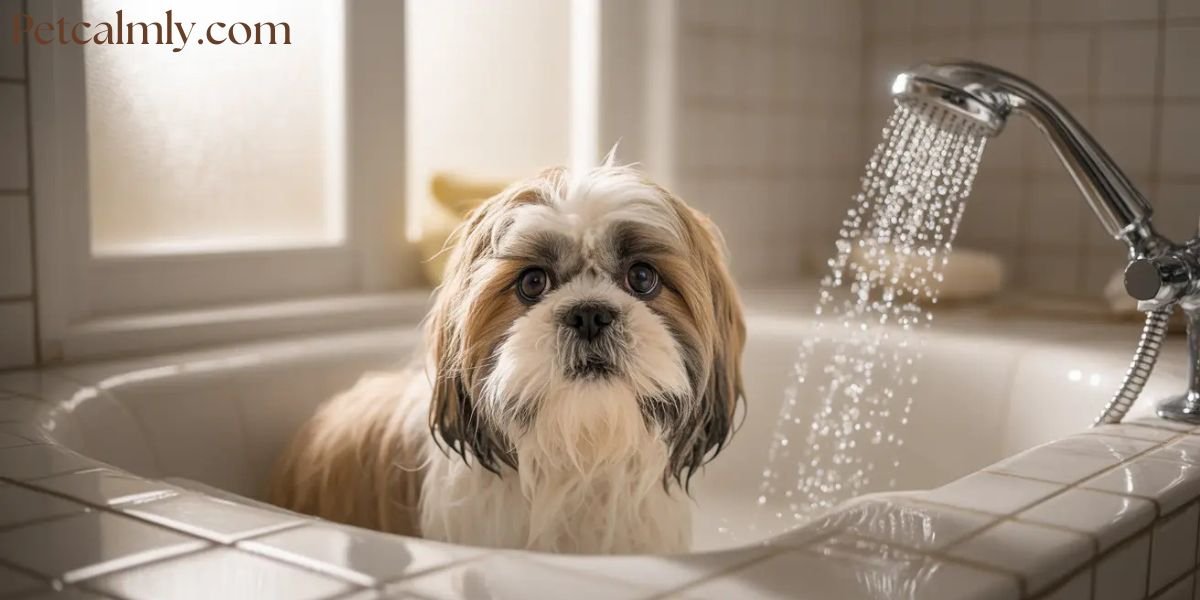
Bathing dogs in winter requires extra care to keep your furry friend warm, comfortable, and healthy. The key is to bathe indoors in a warm room, use lukewarm water (around 90-98°F or body temperature), choose a moisturizing oatmeal-based dog shampoo, dry thoroughly with towels and a low-heat blow dryer if needed, and avoid frequent baths aim for every 4-6 weeks unless they’re very dirty. This prevents dry skin while removing winter grime like salt or mud.
Winter brings unique challenges for dog owners who want to keep their pets clean. Cold air dries out skin, indoor heating worsens it, and snow or road salt can irritate paws and coats. A proper bath helps remove irritants, but doing it wrong can lead to chills, cracked skin, or discomfort. Many owners worry about over-bathing or under-bathing, but with the right approach, you can make bath time safe and even enjoyable.
Why Bathing Dogs in Winter Feels Different
In summer, you might hose down your dog outside without a second thought. Winter changes everything. Outdoor baths are risky your dog could get chilled quickly, leading to shivering or even hypothermia in extreme cases. Indoor bathing becomes essential, but dry indoor air strips natural oils from the coat faster.
Think of your dog’s skin like your own in winter: it gets flaky without moisture. Frequent washing removes protective oils, so timing and products matter more now.
How Often Should You Bathe Your Dog in Winter?
Most dogs need baths less often in winter than in warmer months. Aim for every 4-6 weeks for the average dog. This keeps them clean without over-drying the skin.
Factors that influence frequency include:
- Coat type: Double-coated breeds like Huskies or Labs shed less dirt but hold more moisture bathe sparingly.
- Lifestyle: Active dogs who roll in snow or walk on salted roads may need more frequent spot cleans.
- Skin issues: Dogs with allergies or dry skin benefit from hydrating baths every 3-4 weeks.
A quick rule: Bathe only when needed. If your dog smells or looks dirty, go for it. Otherwise, brushing and wiping paws often suffices.
Over-bathing is a common winter mistake. It strips oils, leading to itchy, flaky skin. Under-bathing lets salt and debris build up, causing irritation.

Preparing for a Safe Winter Bath
Start with preparation to make the process smooth.
Choose the right time: Bathe in the morning so your dog has all day to dry fully before bedtime. Avoid evenings when it’s harder to keep them warm overnight.
Warm the room: Crank up the heat in your bathroom or use a safe space heater. A cozy 75-80°F room helps prevent chills.
Gather supplies:
- Moisturizing dog shampoo (oatmeal or aloe-based)
- Pet conditioner for extra hydration
- Non-slip mat for the tub
- Several warm towels
- Low-heat blow dryer (optional but helpful)
- Treats for positive reinforcement
Test water temperature on your wrist or forearm lukewarm feels right, not hot.
Brush first: Remove loose fur and mats. This prevents tangles during washing and helps shampoo reach the skin.
Step-by-Step Guide: How to Bathe Your Dog in Winter
Follow these steps for a stress-free experience.
- Get your dog comfortable. Lead them into the warm bathroom calmly. Offer treats and praise.
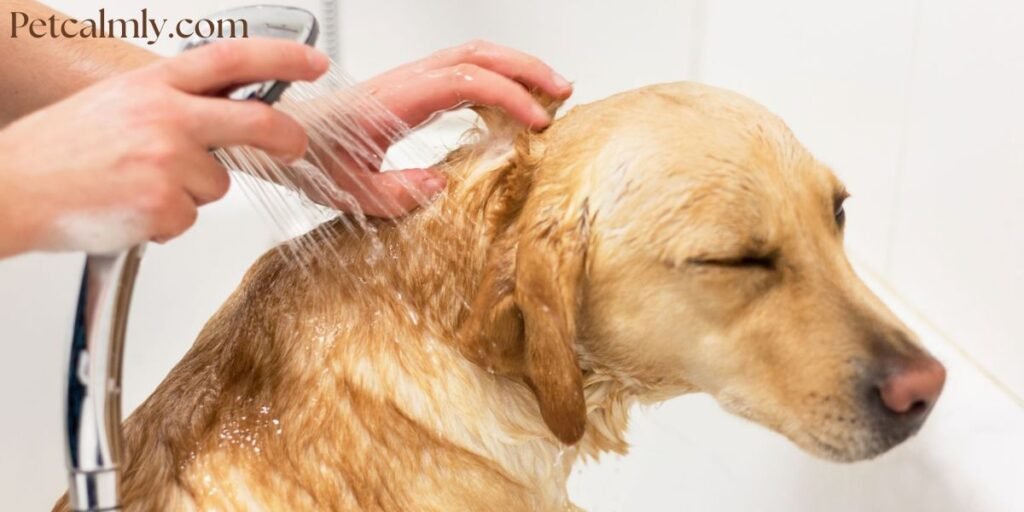
- Wet the coat slowly with lukewarm water. Start from the back and work forward. Avoid the head at first to prevent fear.
- Apply shampoo. Use a moisturizing formula. Massage gently into the skin, letting it sit 2-3 minutes for hydration benefits.
- Rinse thoroughly. Leftover shampoo causes irritation. Use multiple rinses with warm water.
- Condition if needed. Apply a dog conditioner, especially for dry coats, then rinse again.
- Towel dry immediately. Press gently don’t rub harshly. Wrap in warm towels for a few minutes.
- Finish drying. Use a blow dryer on low/cool setting if your dog tolerates it. Keep it moving to avoid hot spots. Many dogs love the warm air!
- Keep indoors until completely dry. No walks until the coat is bone-dry to prevent chilling.
A real-life example: Sarah’s Golden Retriever hated baths until she started morning sessions in a steamy bathroom with peanut butter on the tub wall as a distraction. The warmth and treat made it positive.
Signs Your Dog Might Have Dry Skin or Bath-Related Issues
Watch for these after winter baths:
- Excessive scratching or licking
- Flaky, dandruff-like skin
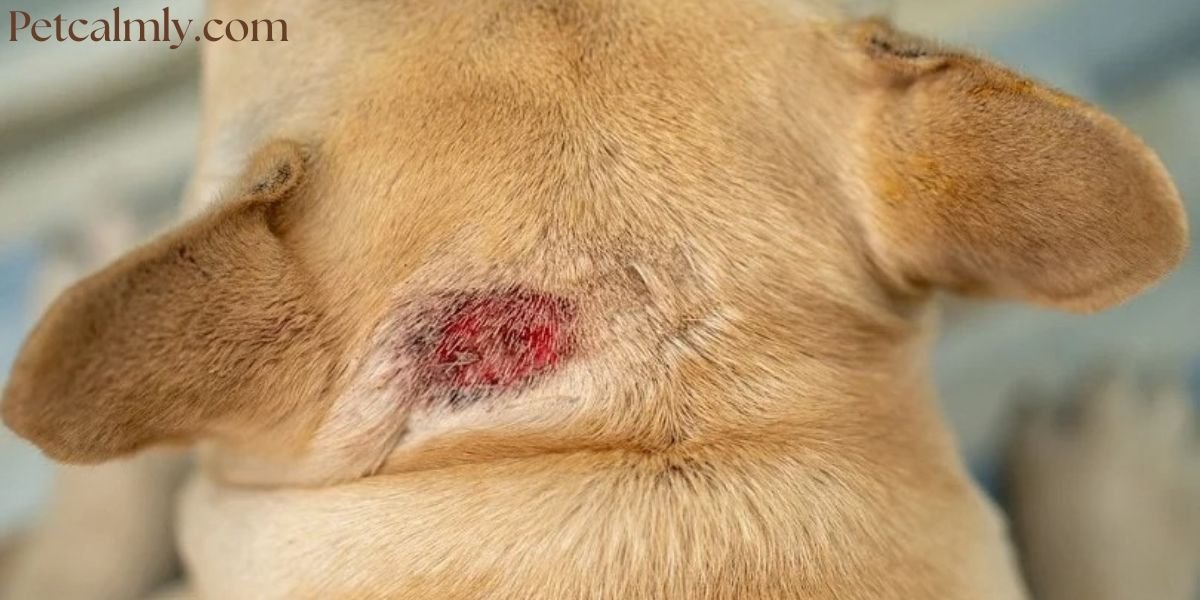
- Red, irritated patches
- Dull or brittle coat
- Cracked paw pads
These often stem from over-bathing, hot water, or harsh shampoos. If you spot them, pause baths and consult a vet.
When Should You Be Concerned?
Contact your vet if:
- Your dog shivers uncontrollably after a bath (possible hypothermia risk).
- Skin becomes very red, infected-looking, or has open sores.
- Dryness doesn’t improve with moisturizing products after 1-2 weeks.
- Your dog shows signs of pain during or after bathing.
Puppies, seniors, short-haired breeds, or those with health issues (like hypothyroidism) are more vulnerable to cold. For them, consider professional grooming with climate-controlled setups.
Dry, flaky skin isn’t always from bathing winter air plays a big role. But if baths worsen it, adjust your routine.
What Should Pet Owners Do? Actionable Tips
Here are practical steps to master winter bathing:
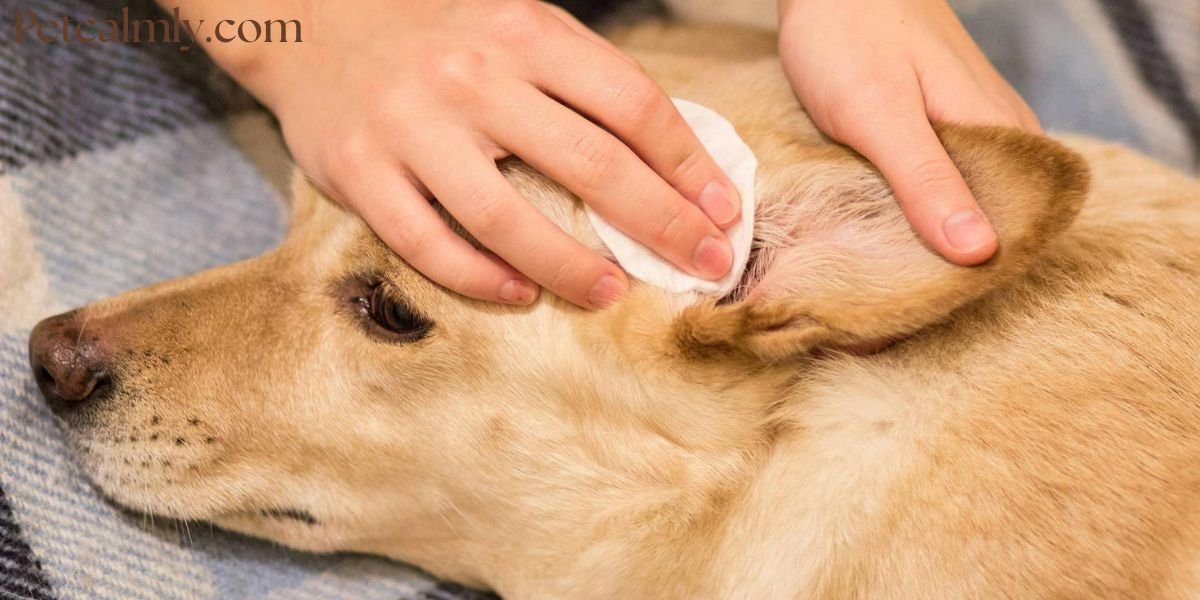
- Switch to dry shampoo or wipes between full baths for spot cleaning.
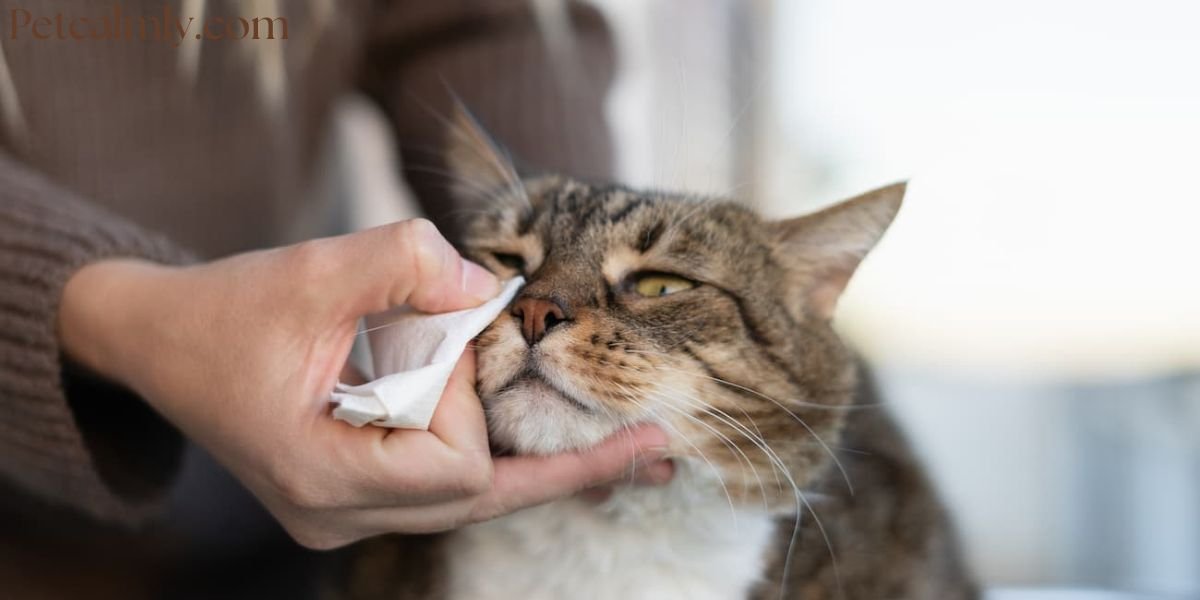
- Wipe paws after every walk to remove salt use warm water and a soft cloth.
- Apply paw balm or petroleum jelly (vet-approved) to protect pads.
- Brush regularly to distribute natural oils and remove debris.
- Use a humidifier indoors to combat dry air.
- Consider a coat or sweater post-bath for extra warmth during drying.
- Reward good behavior make baths fun with toys or praise.
For dogs who hate water: Try waterless baths with foaming mousse. They clean without soaking.
If your dog gets very dirty from winter play, a quick rinse of muddy areas (like belly and legs) with warm water often works better than a full bath.
Common Mistakes to Avoid When Bathing Dogs in Winter
- Using hot water: It dries skin faster.
- Bathing outside: Even briefly, it’s risky.
- Skipping thorough drying: Damp fur chills quickly.
- Human shampoo: Wrong pH irritates skin.
- Bathing too often: Stick to 4-6 weeks max.
- Rushing the process: Patience prevents stress.
Avoid these, and your dog stays happy and healthy.
More Information About Pets, Please Visit Our Website: How Often Should I Bathe My Dog in Winter?
Conclusion
Bathing dogs in winter doesn’t have to be stressful. Focus on warmth, moisture, and moderation. Use lukewarm water, hydrating products, and thorough drying to protect your dog’s skin and coat. Bathe every 4-6 weeks or as needed, brush often, and wipe paws daily. Your dog will thank you with a shiny coat and fewer itches.
With these tips, you’ll handle winter grooming confidently. If in doubt, chat with your vet they know your dog’s specific needs best. Stay warm out there!
Frequently Asked Questions
1: How often can I bathe my dog in cold weather?
Most dogs do fine with a bath every 4-6 weeks in winter. This preserves natural oils while keeping them clean. Adjust based on coat type, activity, and if they get into salt or mud.
2: Is it safe to bathe dogs when it’s cold outside?
Yes, but always indoors in a heated room. Avoid outdoor baths to prevent chilling. Use warm water and dry completely afterward.
3: What shampoo is best for dogs in winter?
Choose a moisturizing, oatmeal- or aloe-based dog shampoo. These soothe dry skin and add hydration without stripping oils. Skip human products they’re too harsh.
4: Can I use a blow dryer on my dog after a winter bath?
Absolutely use low or cool heat, keep it moving, and watch for comfort. It speeds drying and keeps them warm. Many dogs enjoy the gentle warmth.
5: What if my dog has dry skin after bathing in winter?
Reduce bath frequency, switch to a richer conditioner, and add indoor humidity. If it persists, see a vet to rule out underlying issues.
6: Do short-haired dogs need different winter bathing care?
Yes they lose body heat faster, so dry them extra thoroughly and consider a sweater afterward. Use hydrating shampoos to combat dryness from indoor heat.