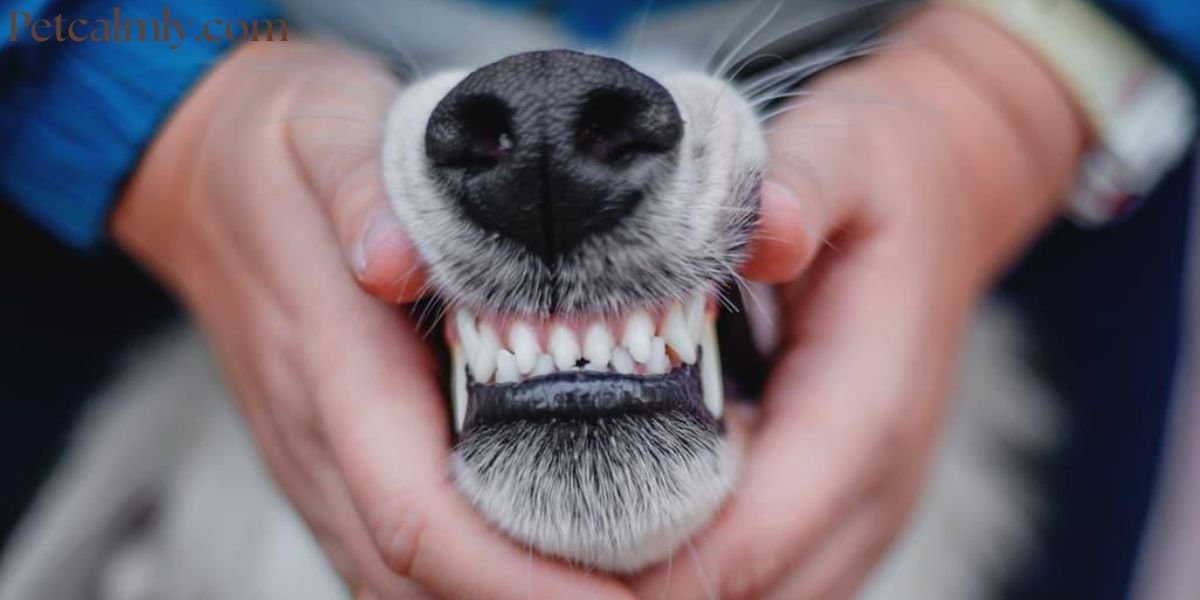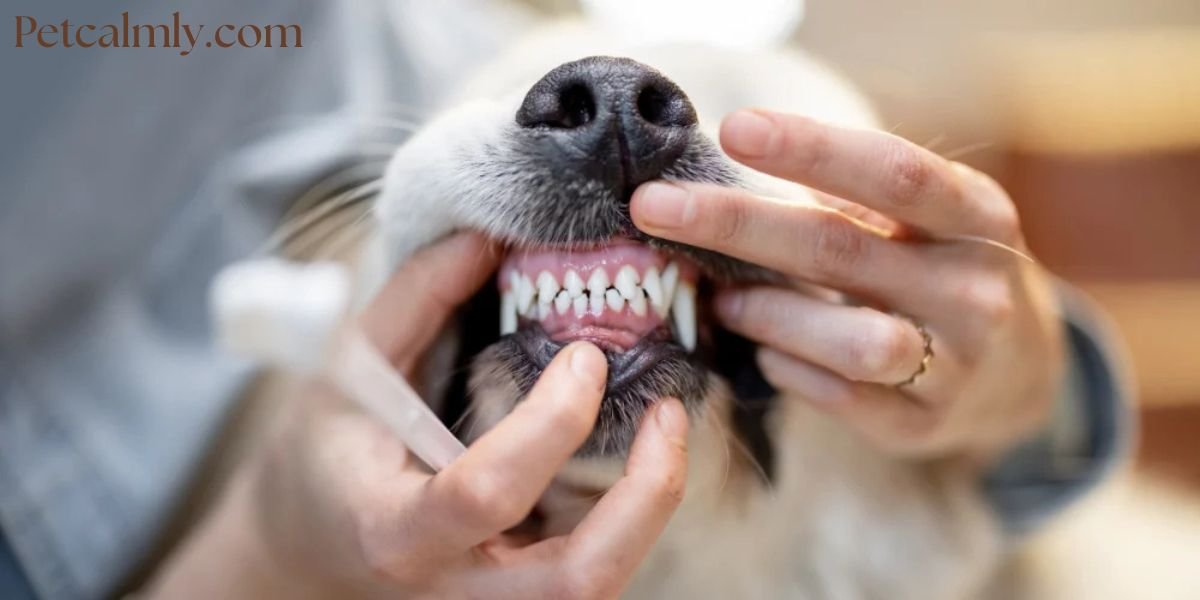
Short direct answer
To keep your dog’s teeth healthy without brushing, focus on daily dental chews or treats that scrape plaque, provide safe chew toys for natural cleaning, add oral health additives to water, choose kibble designed for dental care, and visit your vet for regular check-ups. These simple steps reduce tartar buildup and freshen breath effectively.
As a pet owner, you know your dog’s smile lights up your day. But poor dental health can lead to pain, infections, and even serious issues like heart or kidney problems. Keeping teeth clean without brushing is possible and practical for busy families. It helps your furry friend stay happy, eat comfortably, and avoid costly vet bills.
Understanding Dog Dental Health
Dogs can’t tell us when their teeth hurt, so prevention is key. Dental issues affect over 80% of dogs by age three, often due to plaque turning into tartar.
Causes of Poor Dental Health in Dogs
Plaque builds up from food particles and bacteria. If not removed, it hardens into tartar, irritating gums. Soft diets worsen this, as they don’t scrape teeth like wild ancestors’ food did.
Small breeds like Chihuahuas face higher risks from crowded teeth. Older dogs or those with weak immune systems may develop issues faster. Even chewing on hard objects can crack teeth if not careful.
Signs of Dental Problems
Watch for bad breath it’s often the first clue. Yellow or brown buildup on teeth signals tartar. Red, swollen gums mean gingivitis.
Your dog might paw at their mouth, drool more, or drop food while eating. In severe cases, they avoid hard food or seem in pain when yawning.

This image shows inflamed gums and tartar common early signs. If ignored, it can lead to loose teeth or abscesses

Dog Periodontal Disease Symptoms and Warning Signs
Here, severe inflammation highlights how untreated issues progress.
Natural Methods to Maintain Dental Health
You don’t need a toothbrush to fight plaque. These methods use your dog’s natural behaviors like chewing.
Dental Chews and Treats
Dental chews work by scraping teeth as your dog gnaws. Look for VOHC-approved ones (Veterinary Oral Health Council) like Greenies or Pedigree Dentastix. They contain enzymes to break down bacteria.
Give one daily after meals. For example, my Lab mix loves them as a bedtime routine it keeps her engaged and her teeth cleaner. Avoid overfeeding to prevent weight gain.


These examples show popular chews choose based on your dog’s size.
Chew Toys for Oral Hygiene
Toys like Kong or Nylabone promote chewing, massaging gums and removing debris. Rubber ones with ridges are best they mimic brushing action.
Rotate toys to keep interest high. For a teething puppy, freeze a wet rope toy for soothing relief. Always supervise to avoid swallowing pieces.
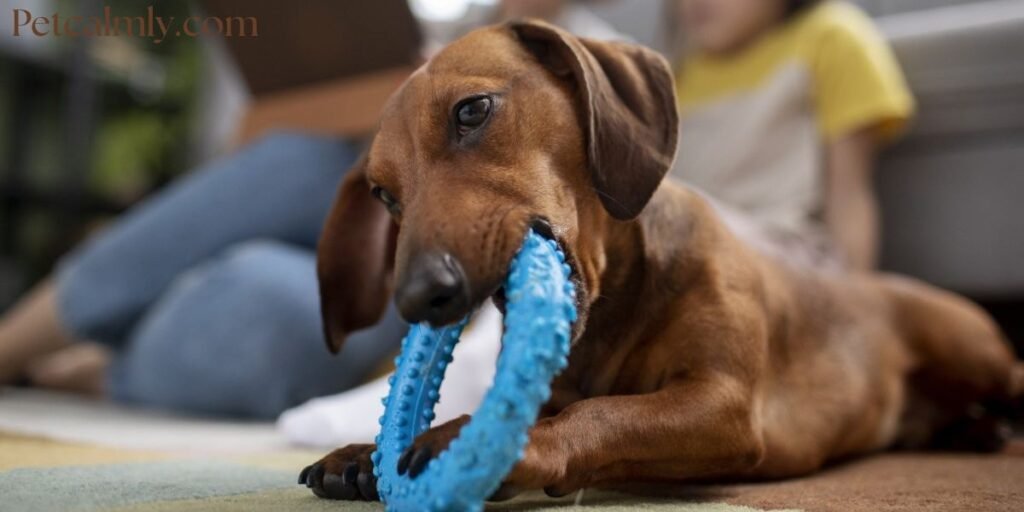

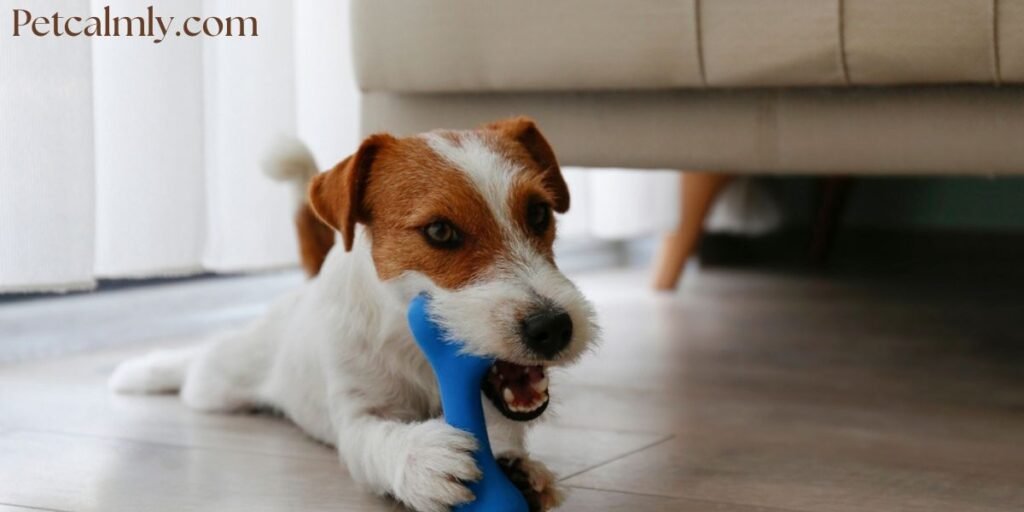
See how dogs engage with these toys for natural cleaning.
Water Additives and Rinses
Additives like TropiClean or Petrodex mix into water bowls. They use natural ingredients like chlorophyll to reduce bacteria and freshen breath.
Just add a capful daily easy for multi-dog homes. It’s passive but effective alongside other methods. Check for alcohol-free options if your dog has sensitivities.
Dental Diets and Food Choices
Special kibbles from brands like Hill’s Prescription Diet have larger pieces that encourage chewing. They include fibers to clean teeth.
Switch gradually to avoid tummy upset. For homemade touches, add crunchy carrots as snacks they act like natural scrubbers without calories.
Natural Chews and Bones
Raw meaty bones like chicken necks can clean teeth but come with risks. Cooked bones splinter, so stick to raw under supervision.
Avoid antlers or hooves they’re too hard and can fracture teeth. Consult your vet first, especially for brachycephalic breeds prone to choking.
Dental Wipes and Gels
Wipes are like mini towels infused with cleaners. Rub them on teeth weekly for spot cleaning.
Gels apply directly and fight bacteria. They’re great for dogs who hate chews but tolerate quick sessions.
When Should You Be Concerned?
Don’t wait for obvious pain. Be alert if your dog has persistent bad breath, bleeding gums, or loose teeth. These could indicate infection spreading to the jaw or bloodstream.
Puppies might chew excessively from teething, but adults doing so may signal discomfort. If eating slows or they favor one side, see a vet immediately. Early intervention prevents extractions.
For senior dogs, annual dental exams are crucial. Breeds like Yorkies often need professional help sooner due to genetics.
What Should Pet Owners Do?
Start small: Introduce one method, like a chew, and build a routine.
Monitor weekly lift lips to check gums. Pink and firm is good; red or white means trouble.
Combine methods: Use additives daily, chews 3-5 times weekly, and toys for play. Feed dental food as the base.
Track weight treats add calories, so adjust meals. Always have fresh water available.
If issues arise, book a vet visit. They might recommend non-anesthetic cleanings for mild cases.
Teach kids to spot signs, making it a family effort. Consistency pays off in healthier, happier dogs.
Professional Options
Vets offer cleanings without full anesthesia using gentle sedation. It’s safer for older dogs.
These remove deep tartar. Follow up with home care to extend benefits.
Costs vary ($200-500), but pet insurance often covers it. Ask about payment plans.
More Information About Pets, Please Visit Our Website: Can I Give My Dog Human Probiotics? Safe Answer + Risks
How to Keep Ants Out of Pet Food Bowls: 7 Easy Tips
Conclusion
Keeping your dog’s teeth healthy without brushing is straightforward with the right tools and habits. By using chews, toys, and additives, you’ll prevent problems and strengthen your bond. Remember, regular vet checks are your safety net. Your dog deserves a pain-free smile start today for their best health.
Frequently Asked Questions
1: Can dental chews replace professional cleanings?
No, chews help maintain health but can’t remove built-up tartar. Use them for prevention, and schedule vet cleanings every 1-2 years based on your dog’s needs.
2: Are water additives safe for all dogs?
Yes, most are safe, but check ingredients for allergies. Start with half dose to ensure no stomach upset, and consult your vet for puppies or pregnant dogs.
3: What if my dog won’t chew toys?
Try different textures or flavors. Stuff toys with peanut butter to entice them. If they avoid chewing, it might indicate pain get a dental check.
4: How often should I check my dog’s teeth?
Inspect weekly during petting sessions. Look for changes in color or smell. Make it positive with treats to build trust.
5: Can human foods help clean dog teeth?
Some like apples or celery can scrub mildly, but avoid grapes or onions they’re toxic. Stick to vet-approved options for safety.
6: Is bad breath always a dental issue?
Often yes, but it could signal diet or gut problems. If chews don’t help, a vet exam rules out underlying causes like kidney disease.