Short direct answer
To treat dog skin infection at home naturally, start by gently cleaning the affected area with a diluted apple cider vinegar rinse (1:1 with water) to fight bacteria. Apply coconut oil or pure aloe vera gel for soothing and antibacterial effects. Offer oatmeal baths to reduce itching and inflammation. Monitor daily; if no improvement in 48 hours, see your vet immediately.
Dog skin infections are a common issue for many pet owners in the USA, often causing your furry friend pain, restlessness, and endless scratching. These problems can stem from everyday triggers like allergies or fleas, and if left unchecked, they might lead to more serious health concerns. As a caring pet parent, using safe natural remedies can provide quick relief while you address the root cause always with your vet’s guidance to ensure your dog’s well-being.
Understanding Dog Skin Infections
Skin infections in dogs aren’t just surface-level annoyances; they can disrupt your pet’s daily life, making playtime or even resting uncomfortable. Knowing the basics helps you spot issues early and choose the right natural approaches.
Common Causes of Dog Skin Infections
Dogs can develop skin infections from various sources, often starting small but escalating if ignored. For example, a simple scratch from rough play might invite bacteria, especially in humid climates common in states like Florida or Texas.
Bacterial Infections
These are the most frequent, often caused by staph bacteria entering through cuts or irritated skin. Allergies weaken the skin’s barrier, making dogs more susceptible. Real-life example: A Labrador who loves swimming might get a bacterial hot spot from damp fur rubbing against itself.
Fungal Infections
Yeast overgrowth (like Malassezia) thrives in warm, moist areas such as ear flaps or paw pads. Ringworm, another fungal type, spreads from contaminated soil or other animals. Think of a puppy exploring the backyard and picking up spores that lead to circular bald patches.
Parasitic Infections
Fleas, mites (like sarcoptic mange), or ticks bite and irritate the skin, leading to secondary infections from scratching. In urban areas like New York or Los Angeles, fleas can hitch a ride indoors year-round, turning a minor bite into inflamed, infected skin.
Allergic Reactions
Food allergies (e.g., to chicken or grains) or environmental ones (pollen, dust mites) cause chronic itching, opening the door for infections. A Golden Retriever with seasonal allergies might chew its paws raw, inviting bacteria.
Signs and Symptoms to Watch For
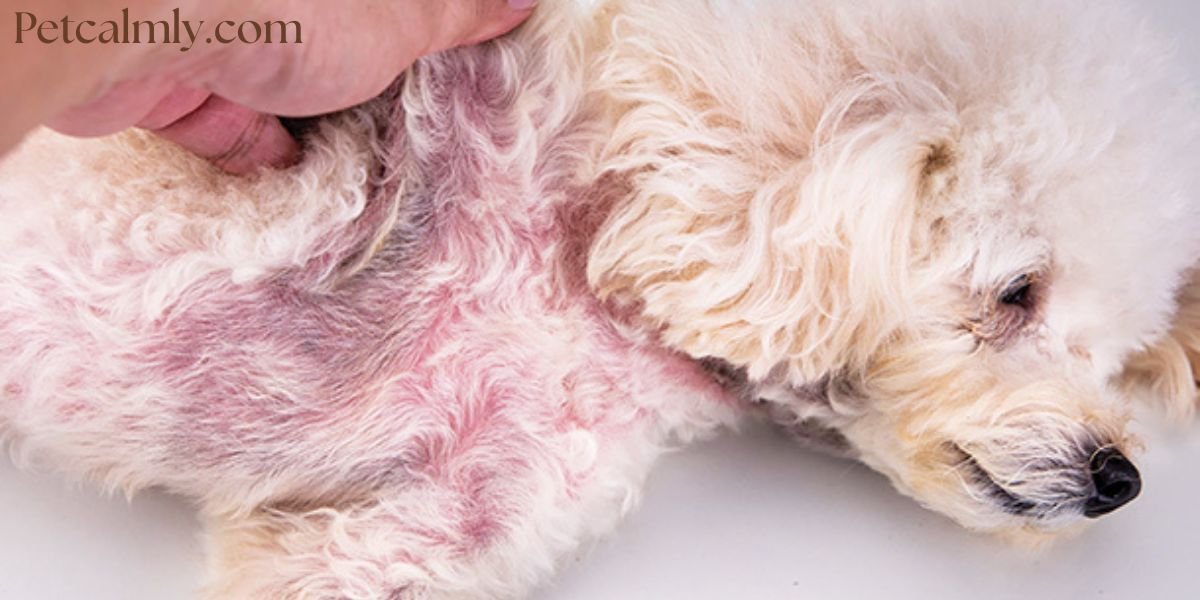
Early detection is key. Look for redness or swelling, especially on the belly, paws, or ears. Your dog might scratch excessively, leading to hair loss or scabs. A foul odor, like yeast or musty smell, is a red flag. In severe cases, you’ll see crusty patches, oozing sores, or hot spots moist, red areas that appear overnight. For instance, if your Beagle suddenly licks one spot obsessively, check for warmth and pus.

Natural Home Remedies for Dog Skin Infections
These vet-approved natural options can help manage mild cases at home. Always test a small area first to avoid reactions, and use organic, pet-safe ingredients. Remember, these support healing but aren’t cures consult your vet for diagnosis.
Oatmeal Baths for Soothing Relief
Oatmeal’s anti-inflammatory properties calm itchy, inflamed skin without harsh chemicals. Grind 1 cup of plain, unsweetened oatmeal into powder using a blender. Mix into lukewarm bathwater and let your dog soak for 10-15 minutes, massaging gently. Rinse and pat dry. Do this 2-3 times a week for dry, flaky infections. It’s great for allergies, as seen in dogs like Bulldogs with fold dermatitis.
Apple Cider Vinegar Rinse for Antibacterial Action
This kitchen staple balances skin pH and fights bacteria and fungi. Dilute raw, unfiltered apple cider vinegar 1:1 with water in a spray bottle. Apply to affected areas after cleaning, avoiding open wounds. Let air dry. Use daily for yeast infections on paws many owners notice less odor after a few applications. Caution: It might sting raw skin, so dilute more if needed.
Coconut Oil for Moisturizing and Fighting Infection
Organic virgin coconut oil has natural antibacterial and antifungal qualities. Warm a small amount in your hands and apply thinly to infected spots, like hot spots or dry patches. You can also add 1 teaspoon per 10 pounds of body weight to food for internal benefits. For a Cocker Spaniel with ear yeast, topical use often reduces greasiness and itching within days. Dogs usually love the taste, but start small to avoid tummy upset.

Aloe Vera Gel for Cooling and Healing
Pure aloe vera (no additives) soothes burns, bites, or irritated skin with its cooling effect. Apply a thin layer from a fresh leaf or pet-safe gel to clean areas. It’s ideal for hot spots, providing quick relief without greasiness. For example, on a Pit Bull’s insect bite, it can reduce swelling overnight. Avoid if your dog licks excessively, as ingestion in large amounts might cause diarrhea.
Herbal Tea Soaks for Anti-Inflammatory Support
Chamomile or green tea bags, brewed and cooled, offer natural anti-inflammatory benefits. Steep 2-3 bags in hot water, cool, and apply as a compress or spray. Black tea with turmeric (from spice cabinet) can be used similarly for its astringent properties mix cooled tea with 1/2 teaspoon turmeric and dab on. Great for localized infections, like in a Shih Tzu’s skin folds.
Epsom Salt Soaks for Paw Infections
For paw licking or infections, dissolve 1/2 cup Epsom salt in warm water and soak paws for 5-10 minutes daily. It draws out irritants and soothes. Follow with a rinse and dry thoroughly. Useful for dogs walking on salted sidewalks in winter states like Michigan.
Dietary Supplements to Boost Skin Health
Add omega-3 fatty acids from fish oil (vet-dosed) to reduce inflammation. Probiotics support gut health, which ties to skin immunity. Switch to a raw or hypoallergenic diet to eliminate triggers many owners see improvements in chronic cases after ditching processed kibble.
When Should You Be Concerned?
Not all skin issues resolve at home. Be worried if the infection spreads rapidly, covers large areas, or includes bleeding, deep sores, or fever (over 102.5°F). Lethargy, loss of appetite, or swelling around the face/eyes signals urgency could indicate anaphylaxis from allergies. If home remedies show no improvement in 24-48 hours, or if your dog seems in pain (whining, avoiding touch), head to the vet. For breeds prone to skin problems like French Bulldogs, early intervention prevents complications like secondary infections.
What Should Pet Owners Do?
As a responsible USA pet owner, take proactive steps to manage and prevent skin infections naturally.
First, identify the issue: Gently part fur to inspect skin, noting any odors or changes. Clean daily with warm water or mild rinses.
Apply remedies consistently: Choose one or two that suit your dog’s needs, like coconut oil for dry skin or ACV for yeast.
Prevent worsening: Use an e-collar to stop licking, keep your dog dry after baths, and groom regularly to avoid matting.
Support overall health: Feed a balanced diet rich in proteins and veggies, avoid allergens, and use flea preventives. Exercise helps reduce stress, which can flare skin issues.
Track progress: Note daily changes in a journal. If unsure, call your vet telehealth options are common now for quick advice.
Finally, maintain hygiene: Wash bedding weekly and vacuum often to cut environmental triggers.
More Information About Pets, Please Visit Our Website: Why Is My Dog Suddenly Scared of Everything? Top 8 Reasons
How to Calm an Anxious Dog During a Thunderstorm
Conclusion
Treating dog skin infections at home naturally can bring relief and strengthen your bond with your pet, but it’s most effective alongside professional care. By using simple remedies like oatmeal baths and coconut oil, while watching for warning signs, you’ll help your dog feel comfortable again. Prioritize prevention through diet and grooming for long-term skin health. If in doubt, your vet is your best ally your dog’s happy tail wag is worth it.
Frequently Asked Questions
1: Can coconut oil cure my dog’s skin infection completely?
Coconut oil helps soothe and fight mild bacteria with its natural properties, but it won’t cure severe infections alone. Use it as support while consulting a vet for antibiotics if needed. Many dogs improve in a week with consistent application.
2: How long does a natural treatment take to work on dog skin issues?
Mild cases may show relief in 2-3 days with remedies like aloe vera or oatmeal baths. If no change after 5-7 days, it’s time for a vet visit to rule out underlying causes like parasites.
3: What foods can help prevent dog skin infections naturally?
Opt for omega-rich foods like salmon or flaxseeds to boost skin barrier. Avoid common allergens such as wheat or dairy. A raw diet with fresh veggies can reduce inflammation over time.
4: Is apple cider vinegar safe for all dog breeds with skin infections?
Yes, when diluted, it’s safe for most, but test on sensitive breeds like Pugs. Avoid eyes, open wounds, or if it causes stinging switch to gentler options like chamomile tea.
5: When is a dog skin infection an emergency?
If accompanied by fever, swelling, or your dog stops eating, seek immediate care. Hot spots that ooze or spread fast need prompt attention to prevent deeper issues.
6: How can I naturally prevent recurring skin infections in my dog?
Regular grooming, flea control, and a hypoallergenic diet are key. Add probiotics for gut health and keep skin dry simple habits like these keep infections at bay for active dogs.