Short direct answer
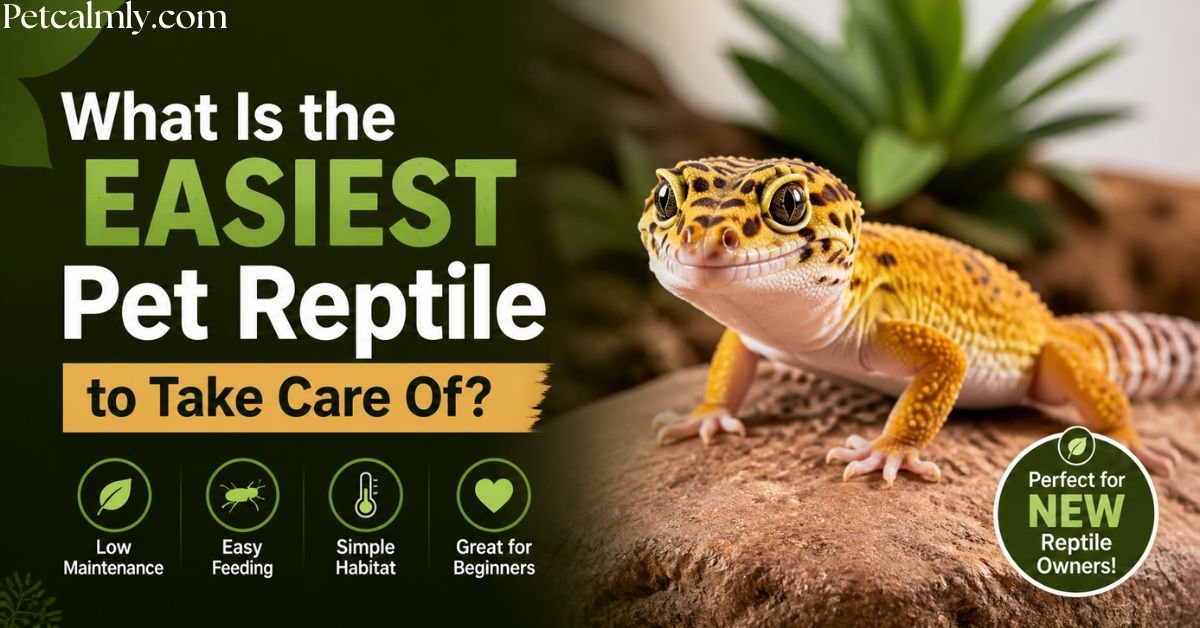
The leopard gecko is the easiest pet reptile to take care of. It is small, quiet, and low-maintenance. It does not need special UVB lighting, eats simple insects, and is gentle enough for beginners. Other good options include the bearded dragon, blue-tongued skink, and corn snake all great choices for first-time reptile owners.
Why This Question Matters
So you want a reptile but you’re not sure where to start.
Maybe you’ve seen a friend’s bearded dragon and thought, “That’s so cool. Could I actually do that?” Or maybe your child has been begging for something scaly and interesting. Reptiles can be wonderful pets. They are quiet, hypoallergenic, and fascinating to watch. But not all reptiles are created equal when it comes to care difficulty.
Some species need very specific lighting, humidity levels, or live prey. Others are surprisingly easy almost like having a low-key, exotic roommate. This guide will walk you through the best beginner-friendly reptiles, what makes each one manageable, and how to choose the right one for your lifestyle.
The Easiest Pet Reptile Overall: Leopard Gecko
If you only want one answer, it’s the leopard gecko.
Here’s why beginners love them: They are small (about 7–10 inches long), live 10–20 years with good care, and are active at dusk and dawn so they fit nicely into most people’s schedules. Unlike many reptiles, they don’t need UVB lighting, which cuts down on equipment cost and complexity. Their diet is straightforward mainly crickets and mealworms, lightly dusted with calcium powder.
Leopard geckos are also known for being calm and tolerant of handling. A first-time owner named Mia once told me she was nervous about picking up her gecko for the first time. Within two weeks, the gecko was walking up her arm without any fuss. That’s the leopard gecko experience gentle, curious, and surprisingly personable.
Basic care snapshot:
- Tank size: 20-gallon enclosure for one adult
- Temperature: Warm side 88–92°F, cool side 75–80°F
- Diet: Crickets, mealworms, waxworms (as treats)
- Humidity: Low (30–40%)
- Lifespan: 10–20 years
Other Easy Reptile Pets Worth Considering
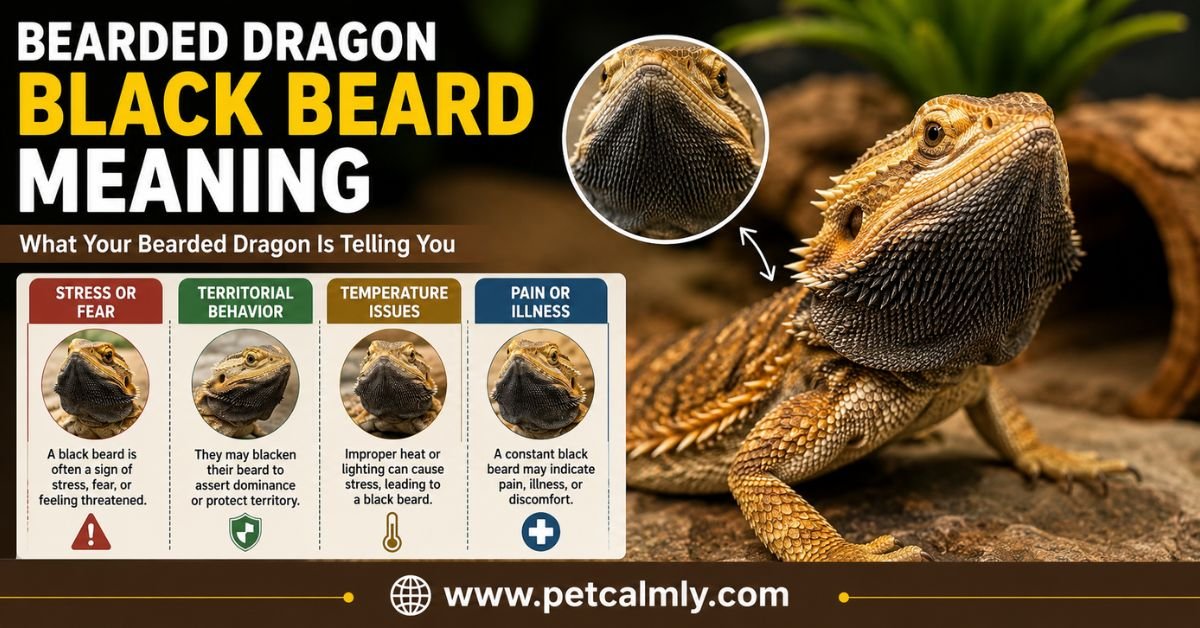
Bearded Dragon Great for Kids and Families
The bearded dragon is often called the “golden retriever of reptiles” and for good reason.
They are social, enjoy human interaction, and can even learn to recognize their owners. Bearded dragons are a bit more work than leopard geckos because they need a larger tank (75–120 gallons), UVB lighting, and a varied diet of vegetables and insects. But their personalities are so rewarding that many new owners say the extra effort is absolutely worth it.
If you have children at home, a bearded dragon is probably your best bet. They are sturdy, patient, and rarely bite when properly socialized.
Basic care snapshot:
- Tank size: 75–120 gallons
- Temperature: Basking spot 100–110°F, cool side 80–85°F
- Diet: Leafy greens, vegetables, dubia roaches, crickets
- UVB lighting: Required
- Lifespan: 10–15 years
Corn Snake Perfect If You’re Nervous About Lizards
Not everyone wants a lizard. If snakes are more your style, the corn snake is hands down the easiest snake to keep.
Corn snakes are non-venomous, slender, and come in a beautiful range of colors and patterns. They are escape artists, so a secure lid is a must but beyond that, care is simple. They eat frozen/thawed mice (no live prey needed), need basic heating, and don’t require high humidity. Most corn snakes are docile right out of the box, especially captive-bred ones.
An adult corn snake typically eats once every 7–10 days. That’s less frequent feeding than most dogs or cats eat in a single day. For busy people, that kind of independence is a major plus.
Basic care snapshot:
- Tank size: 40-gallon enclosure for adults
- Temperature: Warm side 85°F, cool side 75–80°F
- Diet: Frozen/thawed mice
- Humidity: Moderate (40–60%)
- Lifespan: 15–20 years
Blue-Tongued Skink Underrated and Underappreciated
The blue-tongued skink doesn’t get nearly as much attention as bearded dragons, but it absolutely deserves a spot on this list.
These lizards are stocky, slow-moving, and naturally curious about humans. They have that iconic blue tongue, which they flash when startled but they rarely bite. They eat a wide variety of foods including fruits, vegetables, and protein sources like cooked chicken or dog food (the good stuff no filler brands). That dietary flexibility makes them one of the most practical reptiles to feed.
Blue-tongued skinks are a great option for someone who wants a reptile with real personality but doesn’t want to deal with live insects regularly.
Basic care snapshot:
- Tank size: 4×2×2 feet enclosure
- Temperature: Basking spot 95–105°F, cool side 75–80°F
- Diet: Mixed fruits, vegetables, lean protein
- UVB lighting: Recommended
- Lifespan: 15–20 years
Crested Gecko — Low-Tech and Beautiful
For people who love the look of a gecko but want an even simpler setup, the crested gecko is a fantastic choice.
Crested geckos thrive at room temperature (65–80°F), which means you may not even need a heat lamp if your home stays in that range. They eat a commercially prepared meal replacement powder mixed with water no live insects required, though they enjoy the occasional cricket as enrichment. Their sticky toe pads let them walk on glass, which makes watching them endlessly entertaining.
The one downside: crested geckos can be skittish and may not enjoy handling as much as leopard geckos or bearded dragons. But for someone who wants to observe more than handle, they are nearly perfect.
Basic care snapshot:
- Tank size: 20-gallon tall enclosure
- Temperature: 65–80°F (no special heating often needed)
- Diet: Crested gecko diet powder + occasional live insects
- Humidity: Moderate to high (60–80%)
- Lifespan: 15–20 years
Reptiles Beginners Should Avoid
Not every reptile is beginner-friendly. Some are often sold in pet stores but have complex care needs that can overwhelm new owners.
Avoid these species if you’re just starting out:
- Chameleons — Extremely sensitive to humidity, temperature, and stress. They are beautiful but unforgiving of care mistakes.
- Iguanas — Grow very large (up to 6 feet), require specialized diets, and can become aggressive.
- Burmese Pythons — Adorable as babies, but they can reach 15+ feet and require a dedicated room.
- Wild-caught reptiles of any species — These carry more parasites, stress easily, and rarely adapt well to captivity.
Stick to captive-bred animals from reputable breeders or established rescue organizations whenever possible.
When Should You Be Concerned?
Even easy reptiles can get sick, especially in the beginning when owners are still learning.
Watch for these warning signs in any pet reptile:
- Not eating for more than 2–3 weeks (excluding pre-shed periods)
- Lethargy or weakness — sitting limp, not reacting to stimulus
- Swollen or discolored limbs — could indicate metabolic bone disease (MBD), common with poor UVB or calcium supplementation
- Wheezing or bubbling from the mouth — signs of a respiratory infection
- Weight loss — ribs or spine becoming visible
- Eyes that won’t open or stuck shed around the eyes
Reptiles hide illness well it’s a survival instinct from the wild. By the time symptoms are obvious, the problem may have been going on for a while. If you notice anything unusual, don’t wait. Find a vet who specializes in exotic animals, sometimes called a herp vet or exotic animal vet, as soon as possible.
What Should Pet Owners Do Before Getting a Reptile?
A little preparation goes a long way. Here’s what to do before bringing your first reptile home.
1. Set up the enclosure first.
Don’t buy the reptile and then shop for a tank. Set everything up, let it run for 48–72 hours, and confirm temperatures and humidity are stable.
2. Research your specific species in depth.
General reptile care advice is a starting point, not a complete guide. A corn snake and a leopard gecko have different needs. Know yours.
3. Find an exotic vet before you need one.
Search for a local vet experienced with reptiles. You don’t want to scramble for one in an emergency.
4. Buy from a reputable source.
Captive-bred animals from responsible breeders are healthier, calmer, and easier to care for than wild-caught ones. Ask questions before you buy.
5. Join a reptile community.
Online forums, Reddit threads, and local herpetological societies are full of experienced owners who love helping newcomers. You don’t have to figure everything out alone.
6. Start with one animal.
Resist the urge to buy multiple reptiles at once. Learn with one, get comfortable, and expand from there if you want to.
How to Choose the Right Reptile for You
Think about your lifestyle before choosing a species.
If you travel often, a corn snake that eats every 7–10 days is more practical than a bearded dragon that needs daily fresh greens. If you have children, a bearded dragon’s friendly temperament makes it the safer, more interactive choice. If you live in a small apartment, a leopard gecko or crested gecko takes up far less space than a blue-tongued skink.
Ask yourself:
- How much space do I have?
- How often am I home?
- Do I want something I can handle regularly?
- What’s my budget for setup and ongoing costs?
There’s no universally “best” reptile only the best one for your situation.
Conclusion
The world of pet reptiles is far more accessible than most people think.
The leopard gecko is the easiest starting point low-cost setup, calm temperament, and minimal care requirements. If you want something more interactive, go with a bearded dragon. If snakes interest you, start with a corn snake. For a more independent, beautiful lizard, try a crested gecko or blue-tongued skink.
Whatever you choose, prepare the habitat first, source your animal responsibly, and connect with experienced reptile owners who can guide you. Reptiles are rewarding, long-lived companions and with the right species, even a total beginner can thrive.
More Information About Pets, Please Visit Our Website: How Often Should I Feed My Bearded Dragon Vegetables?
Frequently Asked Questions
1: What is the best reptile pet for a beginner?
The leopard gecko is widely considered the best reptile for beginners. It’s small, easy to feed, doesn’t need UVB lighting, and has a calm, handleable temperament. Bearded dragons are a close second, especially for families with kids.
2: Are reptiles easy to take care of?
Some reptiles are quite easy like leopard geckos, corn snakes, and crested geckos. Others, like chameleons and large pythons, can be very demanding. The key is choosing a species that matches your experience level and lifestyle.
3: What is the cheapest reptile to own?
Leopard geckos and corn snakes tend to be among the most affordable reptiles to own. Their enclosures are relatively small, their food is inexpensive, and their care requirements don’t involve costly equipment like high-powered UVB lighting systems.
4: Do reptiles like to be held?
It depends on the species. Bearded dragons and blue-tongued skinks generally enjoy human interaction. Leopard geckos tolerate handling well when properly socialized. Crested geckos can be skittish, and most snakes prefer calm, slow handling over frequent rough contact.
5: How long do beginner-friendly reptiles live?
Most beginner-friendly reptiles live surprisingly long lives. Leopard geckos live 10–20 years, corn snakes 15–20 years, bearded dragons 10–15 years, and crested geckos up to 15–20 years. Owning a reptile is a long-term commitment.
6: Can reptiles make good pets for children?
Yes with supervision and the right species. Bearded dragons are considered one of the best reptiles for children because they are robust, patient, and social. Younger children should always be supervised during handling, and parents should be the primary caretakers until the child is old enough to understand the animal’s needs.