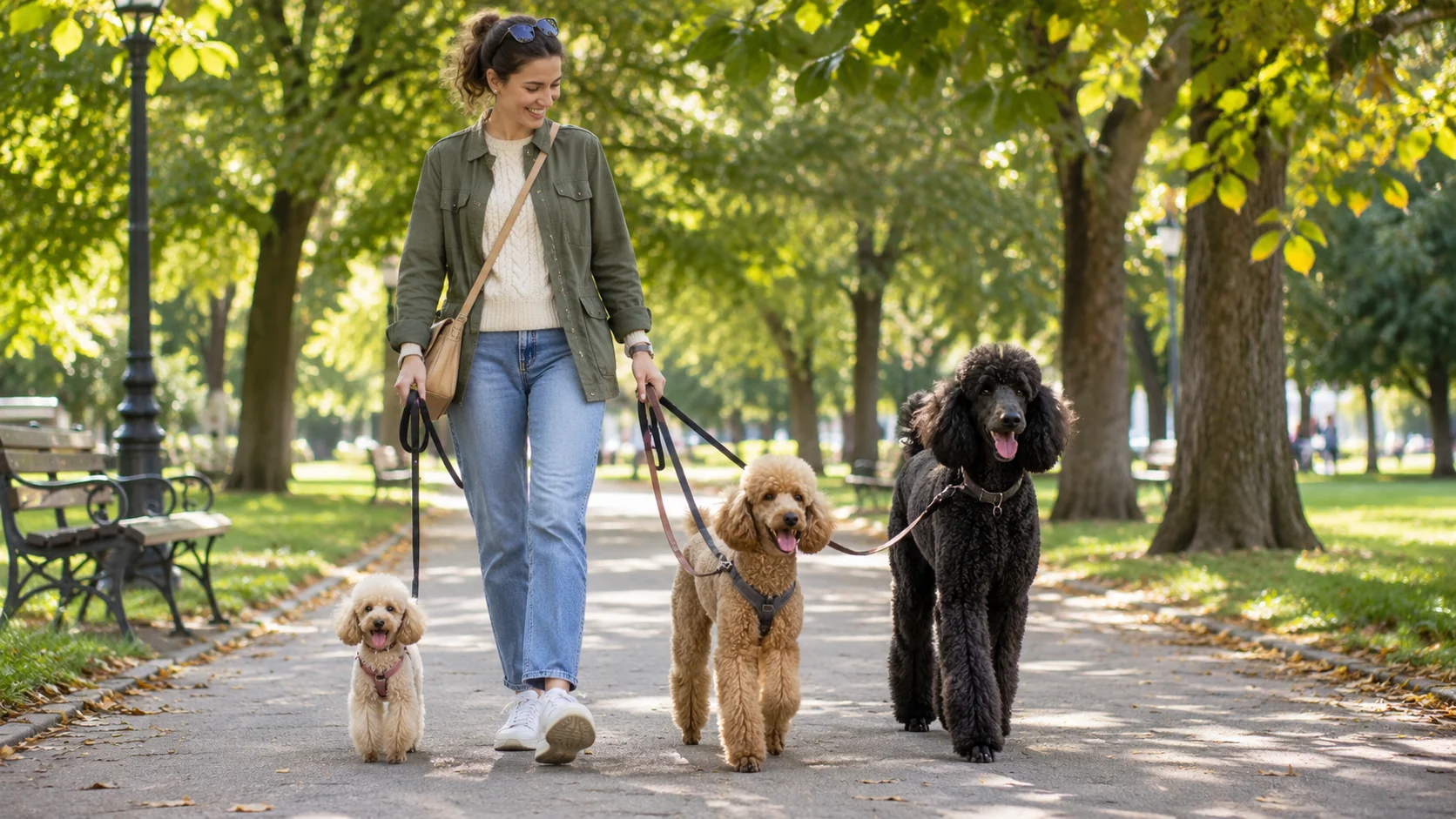
Known for being low-shedding, smart and loving, Poodles are actually three different dogs in one. While all Poodles have the same quick minds and curly coats, they vary significantly based on size, activity requirements and how well they suit your lifestyle. Rather than being based on which Poodle looks the most adorable, selecting the best Poodle will ultimately depend on your needs, your home and your level of activity.
Browse through the three Poodle options below to find the best Poodle for your needs. With the right choice, you’ll be able to begin your puppy’s life with peace and settling in.
The Three Poodle Sizes at a Glance
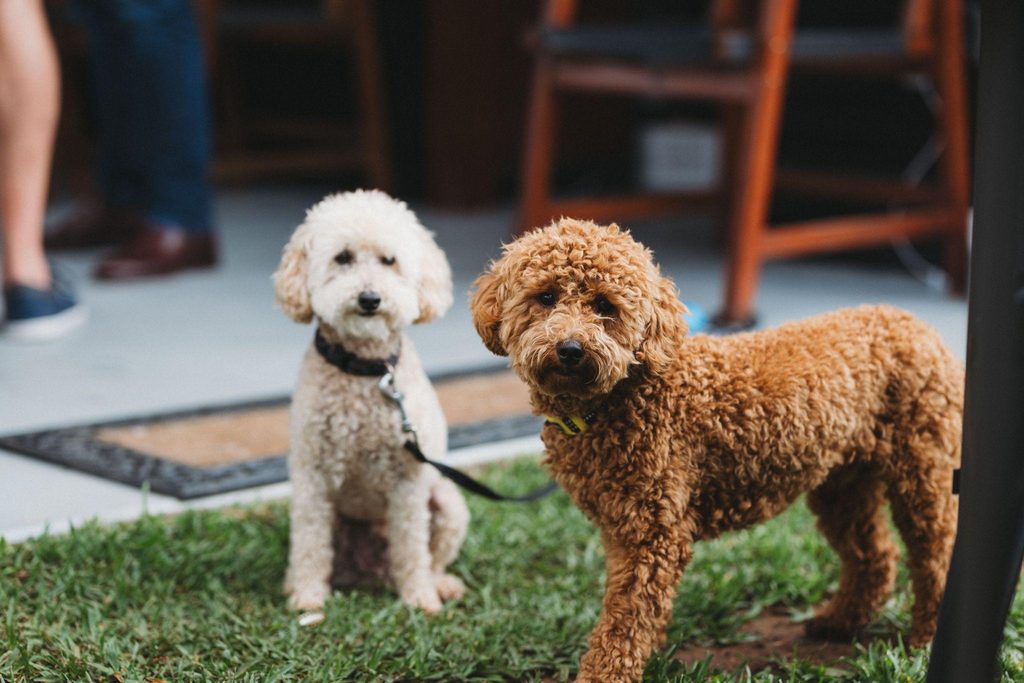
Sizes are usually defined by height at the shoulder, and exact limits vary slightly between kennel organisations. As a rough guide:
- Toy Poodle: under about 28 cm tall, typically around 2 to 4 kg
- Miniature Poodle: about 28 to 35 cm tall, typically around 5 to 9 kg
- Standard Poodle: roughly 45 cm and taller, typically around 20 to 30 kg or more
Individual dogs vary, so treat these as ballparks rather than promises. What stays consistent across all three sizes is intelligence, sensitivity and a strong desire to be close to their people.
Temperament: Smart, Sensitive and People-Focused
Overall, Poodles are very adaptable and will quickly learn to read the atmosphere in a home. While this is great for training, it also makes them potentially prone to being nervous in a very unpredictable or chaotic home. They may develop anxious behaviors, start to chew or barking if they aren’t given enough mental stimulation. Many Poodles don’t like to be alone for long periods.
Different sizes do offer a slightly different experience:
- Toy Poodles are typically said to be alert and devoted, a bit “big dog in a small body.” If they are constantly held around and never taught to be alone, they can be quite talkative and needy.
- Miniature Poodles are often a middle ground – they are fun and full of energy but are also relatively small for most homes. Often, these are the best choice.
- Standard Poodles are typically more mature and dignified (although they can be talkative and bouncy when they are younger). Because they are developed as water retrievers, they often enjoy having a purpose.
Which Size Suits Your Home?
Living in an apartment or smaller house. Both Toy and Miniature Poodles can live in apartments as long as they have daily walks and are provided with plenty of stimulation. Due to their ability to be loud barkers and sensitive to noise, keep your neighbor’s needs in mind and prioritize training to be quiet when left alone from day one.
Living in a house with a backyard. Standard or Miniature Poodles will love having a backyard to explore safely. However, it’s important to note that having a backyard does not replace the need for play, walks and training – Poodles love being near you, not left alone in their own backyard.
Living with young children. Depending on the size, both Standard and larger Miniature Poodles handle a busy household well. However, tiny Toy Poodles may be at risk for being dropped or mishandled. Regardless of size, always supervise when children interact with your pup and ensure they are gentle when handling your puppy.
Living with other pets. When introduced correctly, Poodles typically can be friendly with other pets. Taking the time to gradually introduce your pup to their new pets is worth doing – particularly if they will be around cats.
Which Size Suits Your Energy Level?
If you are quiet and need a gentle dog: Toy Poodles only require a few short walks daily, plus some time indoors playing or solving puzzles. They can be great for seniors or those who are less mobile, but they will still require some mental stimulation to be happy.
If you like to be active but don’t want to run marathons: Miniature Poodles are perfect for those who love to walk regularly, get some training and go out on weekends.
If you love to be outside and want your pup to be an active participant in sports: Standard Poodles are the best choice for individuals who like to run, hike, swim or anyone else who would like their dog to actively participate in sports. They enjoy being on long walks, playing retrieval games, swimming or participating in other training/activities. When not given enough mental and physical activity, Standard Poodles can become restless and cause damage.
One last tip: A bored Poodle is generally not a quiet Poodle. Regardless of size, allow for both mental and physical stimulation every day.
Grooming Needs Are the Same for Every Size
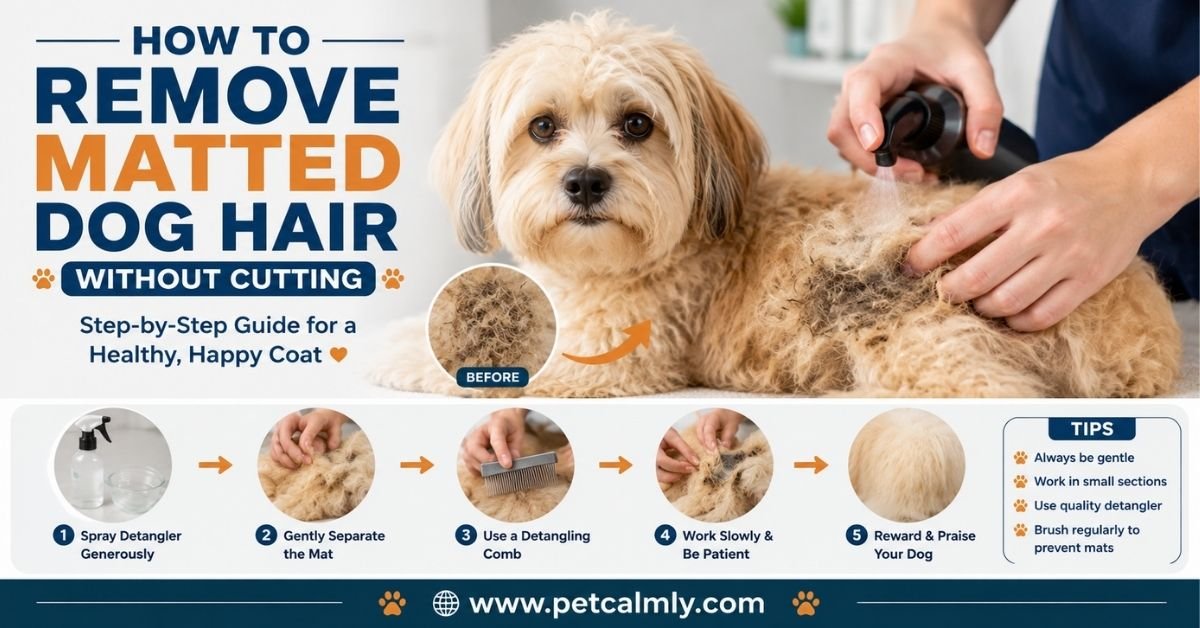
Poodles are known for having low-shedding coats but this does not mean low maintenance. They have dense curly coats that can easily tangle, so Poodles of all sizes will need regular brushing and professional grooming to keep them at their best.
Start grooming your Poodle earlier on to get them used to being handled right away, and reward them for good behavior.
Lifespan and Health Considerations
Smaller Poodles often live longer on average than Standard Poodles, while Toys and Miniatures can live well into their mid teens. This depends, of course, on how they’re cared for and if they’re free from diseases.
Smaller Poodles are commonly associated with dental problems and certain joint and eye conditions, while Standards are linked with issues such as hip problems.
Costs to Consider
Each size has different ongoing costs that go with their care, such as food, grooming, vet care, insurance, training, etc. Standard Poodles are larger and thus eat more. Their medication is also likely to cost more due to their size. Toy Poodles on the other hand tend to need more frequent dental care.
A Quick Decision Guide
Choose a Toy Poodle if you want a small companion, have a calmer routine, and are prepared to train independence and manage barking.
Choose a Miniature Poodle if you want a flexible, lively dog that suits most homes and moderate activity levels.
Choose a Standard Poodle if you have space, time and energy, and want a trainable partner for active adventures.
Finding a Poodle Puppy the Right Way
Once you know which size suits you, make sure you get your puppy from the right source. A good breeder will give the right health testing, care, and socialization to make sure their puppies are healthy, confident, and have good temperaments. In Australia, you can browse registered Poodle breeders listed with Responsible Pet Breeders Australia, which covers Toy, Miniature and Standard Poodles.
Final Thoughts
There is no single “best” Poodle size, only the best match for you. Be honest about your space, your daily routine, your activity level and your budget, and choose the size that fits the life you actually live. A well-matched, well-socialised Poodle puppy is far more likely to grow into a calm, happy companion.