Short direct answer
Your cat may run away when you walk by because of fear from sudden movements, lack of trust from past experiences, or playful instincts inviting a chase. It could also stem from stress, health issues like pain, or overstimulation. Identifying the trigger helps strengthen your bond and keeps your cat feeling safe.
As a cat owner, seeing your furry friend dart away can feel heartbreaking and confusing. It might make you worry about your relationship or your cat’s well-being. This behavior is common among cats, who are naturally independent and sensitive creatures. Understanding why it happens empowers you to create a more comfortable home, reducing stress for both of you and preventing potential health risks.
8 Reasons Your Cat Runs Away When You Walk By
Cats aren’t trying to reject you they’re reacting based on instinct or experience. Here are the main causes, with real examples from pet owners.
1: Fear or Anxiety from Sudden Movements
Cats are prey animals at heart, so quick steps or looming figures can trigger their flight response. If you walk by briskly, your cat might see it as a threat and bolt to safety.
For instance, a cat adopted from a shelter may associate human footsteps with danger from noisy past environments. Slow down your pace to help them relax.
2: Stress from Changes in the Environment
Big or small shifts, like new furniture, a moved litter box, or even a different schedule, can stress your cat out. They might run away to find a quiet spot until things feel normal.
One owner noticed their cat fleeing after bringing home a new puppy the unfamiliar smells and sounds overwhelmed the cat. Give your cat time to adjust with safe hiding spots.
3: Lack of Socialization or Trust Issues
If your cat wasn’t handled much as a kitten, they may not be used to close human contact. Stray or feral backgrounds often lead to this, where approaching means potential harm.
Building trust takes patience. A cat that runs might have had rough handling before, like being grabbed too roughly. Start with gentle interactions from a distance.
4: Playful Behavior or Invitation to Chase
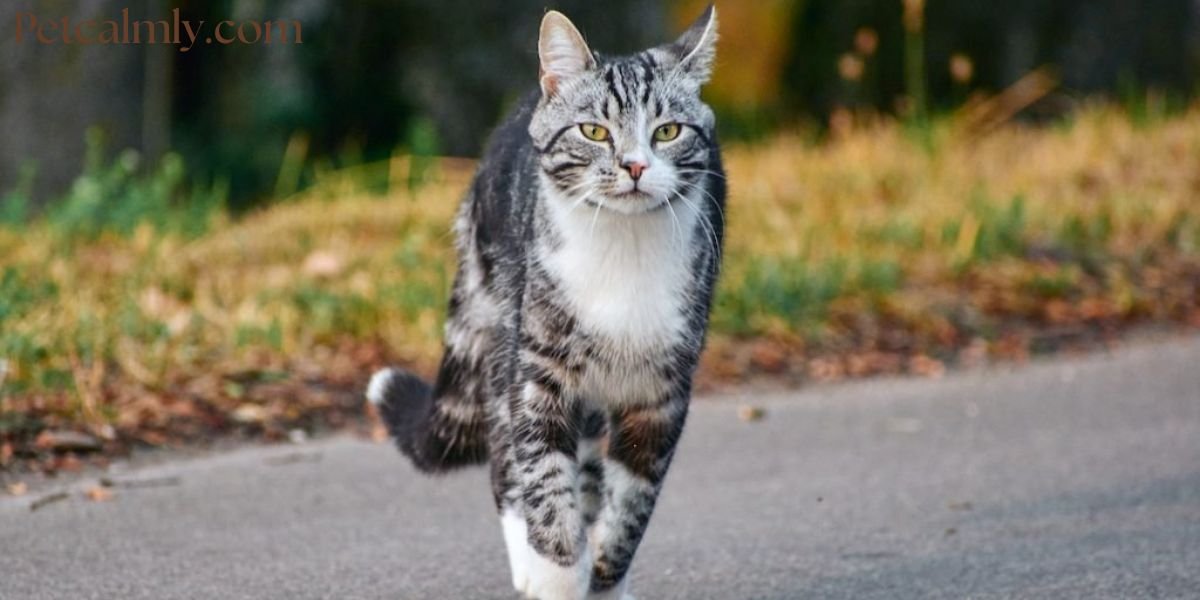
Sometimes, it’s not fear it’s fun! Cats often dash away as a game, flicking their tail or looking back to see if you’ll follow.
Kittens and energetic adults do this most. If your cat runs but then peeks around the corner, they’re likely saying, “Catch me if you can!” Engage with a toy instead of chasing directly.
5: Health Problems Causing Discomfort
Pain from arthritis, dental issues, or injuries can make your cat skittish. If walking by startles them or causes accidental bumps, they’ll avoid you to prevent more hurt.
Watch for limping or reduced appetite alongside running. An older cat might run due to vision loss, mistaking your approach for something scary. A vet check is key here.
6: Overstimulation or Unwanted Attention
Cats have limits on touch. If past walks-by led to petting when they weren’t in the mood, they might associate your presence with overstimulation.
Signs include flattened ears or twitching tails before fleeing. Respect their space let them come to you for affection.
7: Negative Associations with You or Routines
If approaching often means nail trims, meds, or vet trips, your cat learns to evade you. This is common in multi-tasking households.
One example: A cat runs when the owner wears certain shoes, linking them to outdoor errands that disrupt nap time. Break the pattern with positive treats.
8: Personality or Breed Traits
Some cats are just more independent, like Siamese or Bengals, who prefer observing from afar. It’s not personal it’s their nature.
Shy breeds or rescues might always be cautious. Accept this and offer choices, like high perches for watching without interaction.
When Should You Be Concerned?
Not every dash is a red flag, but watch for sudden changes. If your once-cuddly cat starts running away consistently, it could signal deeper issues.
Be worried if it’s paired with symptoms like hiding all day, aggression, weight loss, or excessive meowing. These might point to illness, pain, or severe stress. Outdoor cats running away could face dangers like traffic act fast.
Consult a vet if the behavior lasts over a week or worsens. Early intervention prevents bigger problems, like chronic anxiety or untreated health conditions.
What Should Pet Owners Do?
You can help your cat feel secure with simple, everyday steps. Focus on positive experiences to rebuild confidence.
Observe body language first dilated pupils or low tail mean back off. Approach slowly, at their level, without direct eye contact to avoid seeming threatening.
Use treats or toys to associate your presence with good things. Toss a treat from afar, gradually closing the gap over days.
Provide enrichment like scratching posts, window perches, or puzzle feeders to reduce boredom and stress. Pheromone diffusers, like Feliway, calm anxious cats naturally.
Schedule a vet visit to rule out medical causes. If it’s behavioral, consider a cat behaviorist for tailored advice.
Be patient changes take time, especially with rescues. Consistency builds trust, turning runs into rubs.
More Information About Pets, Please Visit Our Website: How Long Do Cats Mourn the Loss of Another Cat? (2026 Guide)
Why Does My Cat Lick My Nose So Much: (Vet-Explained)
Conclusion
Your cat running away when you walk by is often a mix of instinct, experience, or needs unmet. By addressing the root cause with care and action, you’ll foster a stronger, happier bond. Remember, cats thrive on respect and routine. With time, your home can become their ultimate safe space leading to more purrs and fewer dashes.
Frequently Asked Questions
1: Why is my cat suddenly avoiding me?
A sudden shift could mean health issues like pain or infection, or stress from home changes. Check for other signs like lethargy, and visit a vet to rule out problems.
2: How can I get my cat to trust me more?
Start slow with treats, play sessions, and no forced handling. Let them approach you, and create positive routines. Patience is key trust builds over weeks.
3: Is it normal for cats to run away when I try to pet them?
Yes, if they’re overstimulated or not in the mood. Watch for signals like tail swishing. Respect their boundaries to avoid reinforcing the behavior.
4: Why does my cat run away but then come back for attention?
This might be playful teasing or mixed feelings. They want interaction on their terms try engaging with a toy when they return.
5: What if my cat runs away outside the house?
Outdoor runs increase risks like cars or predators. Use a microchip, collar ID, and consider indoor-only living or a catio for safety.
6: Why does my cat avoid me but not other family members?
It could be past negative experiences with you, like giving meds. Rebuild with exclusive positive time, like feeding or gentle play, to even the playing field.