Short Direct Answer
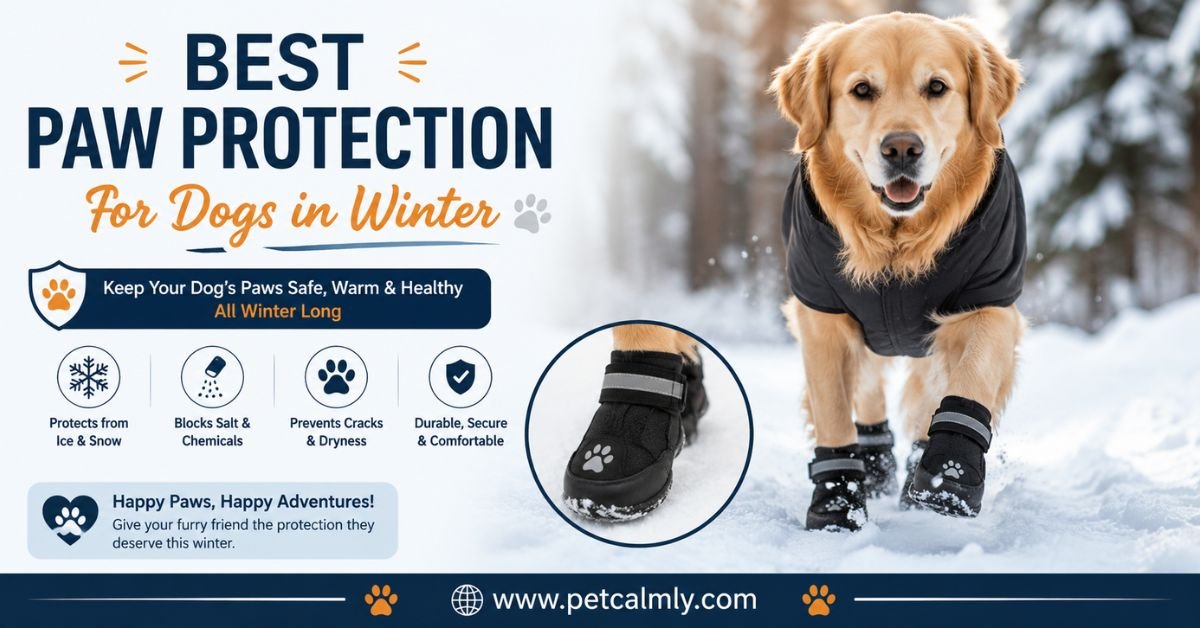
The best paw protection for dogs in winter usually combines well-fitted dog boots, paw balm, and regular paw cleaning after walks. Boots offer the strongest defense against ice, snow, road salt, frozen sidewalks, and chemical de-icers. For dogs that refuse boots, a protective paw wax or balm can help reduce cracking and irritation. Most importantly, winter paw protection should keep your dog comfortable without restricting movement or causing overheating.
Small changes like shortening walks during extreme cold and rinsing paws after outdoor trips can make a huge difference in preventing painful winter paw injuries.
Why Winter Is So Hard on Dog Paws
Many dog owners assume paws are naturally built to handle cold weather. To a point, that’s true. Paw pads are tougher than human skin and designed to handle rough terrain.
But winter conditions create problems dogs were never fully meant to deal with especially in cities and suburban neighborhoods.
The biggest issues are usually:
- Ice buildup between toes
- Road salt irritation
- Dry, cracked paw pads
- Chemical burns from de-icers
- Frostbite in extreme cold
- Slipping on frozen surfaces
- Small cuts from hidden ice shards
Some dogs barely notice winter conditions. Others start limping halfway through a short walk.
A lot depends on:
- Breed
- Paw size
- Coat type
- Age
- Activity level
- Climate
- Surface conditions
And honestly, many owners don’t realize there’s a problem until their dog suddenly stops wanting to walk.
Signs Your Dog’s Paws Need Winter Protection
Quick signs to watch for
If your dog needs better winter paw protection, you may notice:
- Licking paws excessively after walks
- Limping or favoring one leg
- Refusing to walk on snow
- Holding paws up intermittently
- Cracked or bleeding paw pads
- Redness between toes
- Ice balls trapped in fur
- Slipping frequently outdoors
Some dogs become anxious about winter walks because they associate the experience with discomfort.
That hesitation at the front door? Sometimes it’s not stubbornness. Their paws simply hurt.
What Makes Winter Dangerous for Dog Paws?
Road Salt Is One of the Biggest Problems
Road salt and chemical de-icers can seriously irritate paws.
These products:
- Dry out paw pads
- Cause small chemical burns
- Trigger redness and inflammation
- Become painful when trapped between toes
Dogs also lick these chemicals off later, which can upset the stomach or cause drooling and irritation.
In cities, this is often the main reason dogs suddenly hate winter walks.
Ice Can Create Tiny Cuts
Snow itself is usually less damaging than ice.
Sharp ice edges can create:
- Tiny cuts
- Abrasions
- Splits in paw pads
These injuries may look minor but become painful quickly because dogs place full body weight on their feet constantly.
Extreme Cold Can Lead to Frostbite
Frostbite is less common but still possible during severe winter weather.
The areas most at risk include:
- Paw pads
- Toes
- Ear tips
- Tail tips
Dogs left outside too long in freezing temperatures are especially vulnerable.
Pale, hard, or discolored paw tissue should always be taken seriously.
Best Types of Paw Protection for Dogs in Winter
Not every dog needs the same solution. The “best” option depends on your dog’s personality, climate, activity level, and tolerance for gear.
Dog Boots: The Most Effective Overall Protection
In short:
Dog boots provide the strongest barrier against snow, salt, ice, and freezing pavement.
Good winter dog boots help by:
- Preventing direct salt contact
- Reducing ice buildup
- Improving traction
- Keeping paws drier
- Protecting injured or sensitive feet
For many active dogs, boots are the safest long-term solution during harsh winters.
What to Look for in Winter Dog Boots
The best winter dog boots usually have:
| Feature | Why It Matters |
|---|---|
| Waterproof outer layer | Keeps paws dry |
| Flexible sole | Allows natural movement |
| Non-slip grip | Reduces slipping on ice |
| Secure straps | Prevents boots falling off |
| Soft interior lining | Improves comfort |
| Reflective details | Better visibility in winter darkness |
Avoid stiff boots that force awkward movement.
Dogs walk naturally when footwear bends with the paw.
Common Mistake: Buying Boots That Are Too Big
This happens constantly.
Oversized boots:
- Twist while walking
- Rub the skin
- Fall off in snow
- Make dogs walk awkwardly
A snug fit matters far more than extra room.
Measure paws while your dog is standing not sitting because paws spread under body weight.
How to Help a Dog Get Used to Boots
Some dogs accept boots immediately.
Others act like they’ve completely forgotten how legs work.
That dramatic high-stepping “robot walk” is extremely common at first.
Step-by-step boot training
1. Introduce boots indoors
Let your dog sniff and investigate them first.
2. Put on one boot briefly
Reward calmly with treats and praise.
3. Keep sessions short
One or two minutes is enough initially.
4. Add movement
Encourage walking indoors before outdoor use.
5. Gradually increase time
Build positive associations slowly.
Most dogs improve significantly within a few days.
Trying to force long outdoor walks immediately usually backfires.
Paw Balm and Paw Wax: Good Alternative for Some Dogs
Quick answer
Paw balms create a protective layer over the paw pads and can help prevent dryness, cracking, and mild irritation.
They’re especially helpful for:
- Dogs that hate boots
- Mild winter climates
- Short neighborhood walks
- Dogs with dry paw pads
However, balms do not fully protect against sharp ice or heavy salt exposure.
What Paw Balm Actually Does
A good paw balm:
- Moisturizes dry pads
- Reduces cracking
- Creates mild water resistance
- Helps soothe irritation
- Supports healing
Think of it as similar to lip balm for dry winter skin.
It helps, but it’s not armor.
When Paw Balm Works Best
Paw balm is often enough for:
- Quick potty breaks
- Light snow
- Moderately cold weather
- Senior dogs who dislike boots
- Indoor dogs with occasional winter exposure
For long hikes or heavily salted sidewalks, boots are still safer.
Disposable Paw Covers: Convenient but Limited
Some owners use disposable rubber-style paw covers.
These can work for:
- Short walks
- Emergency situations
- Rainy slush conditions
But they often:
- Tear easily
- Trap moisture
- Slip off active dogs
- Provide less insulation
They’re more of a temporary option than a reliable winter solution.
Do Long-Haired Dogs Need Paw Protection?
Sometimes even more than short-haired dogs.
Breeds with furry feet often develop painful snow clumps between their toes.
Common examples include:
- Golden Retrievers
- Border Collies
- Australian Shepherds
- Bernese Mountain Dogs
- Newfoundlands
The fur acts almost like Velcro for snow and ice.
Helpful grooming tip
Trimming excess fur between paw pads can reduce:
- Ice buildup
- Snow clumps
- Slipping
- Moisture retention
Avoid shaving too aggressively. Paw fur still offers natural insulation and traction.
Best Paw Protection by Weather Condition
| Winter Condition | Best Protection |
|---|---|
| Light cold weather | Paw balm |
| Snowy sidewalks | Boots + paw cleaning |
| Heavy road salt | Waterproof boots |
| Ice-covered trails | Grip boots |
| Short potty trips | Paw wax or balm |
| Deep snow hiking | Insulated boots |
| Senior dogs on slippery surfaces | Non-slip boots |
Some Dogs Need Extra Winter Paw Protection
Puppies
Puppy paws are softer and more sensitive.
Young dogs may:
- React strongly to salt
- Develop cracks faster
- Get cold quickly
Keep winter outings short and positive.
Senior Dogs
Older dogs often struggle more with:
- Slipping
- Joint stiffness
- Thin paw pads
- Cold sensitivity
Traction becomes extremely important.
Many senior dogs benefit from:
- Grip boots
- Indoor paw traction aids
- Shorter winter walks
Dogs With Allergies or Sensitive Skin
Dogs with environmental allergies often react more intensely to winter chemicals and moisture.
You may notice:
- Red paws
- Constant licking
- Swelling between toes
Winter can worsen existing skin irritation.
These dogs usually benefit from:
- Paw rinsing after walks
- Protective boots
- Fragrance-free paw balms
How Cold Is Too Cold for Dog Paws?
There’s no perfect universal temperature because breed and body type matter so much.
But generally:
| Temperature | Paw Risk Level |
|---|---|
| Above 45°F (7°C) | Usually safe |
| 32°F to 20°F (0°C to -6°C) | Some dogs become uncomfortable |
| Below 20°F (-6°C) | Higher risk for paw pain and cold injury |
| Below 10°F (-12°C) | Dangerous for many dogs |
Small breeds, thin-coated dogs, puppies, and seniors struggle sooner.
Wind chill also matters more than many owners realize.
Indoor Signs Winter Walks Are Hurting Your Dog
Sometimes problems appear after the walk ends.
Watch for:
- Excessive licking
- Chewing paws
- Restlessness
- Redness
- Cracks
- Reluctance to go out again
A dog repeatedly cleaning one paw may have:
- Salt irritation
- Tiny cuts
- Ice abrasions
- Embedded debris
Check carefully between toes.
The Importance of Cleaning Paws After Walks
Most importantly:
Even if your dog wears boots, winter paw cleaning still matters.
A quick rinse removes:
- Salt
- Chemicals
- Ice residue
- Mud
- Bacteria
This habit alone prevents many winter paw issues.
Easy winter paw-cleaning routine
After walks:
- Use lukewarm water
- Rinse each paw gently
- Dry thoroughly between toes
- Check for redness or cuts
- Apply balm if paws look dry
Moisture trapped between toes can cause irritation later.
5 Common Winter Paw Protection Mistakes
1. Waiting Until Paws Are Already Cracked
Prevention works much better than treatment.
Once pads split or bleed, walking becomes painful quickly.
2. Using Human Moisturizers
Some human lotions contain ingredients unsafe for dogs if licked.
Stick with pet-safe paw balms specifically designed for dogs.
3. Leaving Wet Boots On Too Long
Moisture trapped inside boots can irritate skin.
Dry paws thoroughly after walks.
4. Forcing Long Walks in Severe Cold
Even energetic dogs have limits.
Watch body language closely:
- Slowing down
- Lifting paws
- Seeking shelter
- Refusing to continue
These are important signals.
5. Ignoring Ice Between Toes
Ice balls become surprisingly painful.
Long-haired dogs are especially prone to this problem.
Natural Ways to Strengthen Paw Health in Winter
Healthy paw pads tolerate winter conditions better.
Helpful habits include:
- Keeping nails trimmed
- Maintaining healthy body weight
- Regular paw inspections
- Using paw balm proactively
- Avoiding overheated dry indoor air
- Feeding a balanced diet with healthy fats
Very dry indoor heating can contribute to cracked pads too.
Should Dogs Wear Boots Inside After Snow Walks?
Usually no.
Once indoors:
- Remove boots
- Dry paws
- Let feet breathe
Keeping wet boots on too long increases moisture buildup and irritation.
Real-Life Winter Paw Situations Owners Commonly Face
“My dog suddenly refuses to walk”
Very often caused by:
- Salt irritation
- Cold-sensitive paws
- Ice discomfort
Many owners mistake this for stubborn behavior.
“My dog keeps lifting one paw”
This usually means something hurts.
Common reasons:
- Ice stuck between toes
- Salt burn
- Small cut
- Extreme cold exposure
“The boots keep falling off”
Typically caused by:
- Incorrect sizing
- Loose straps
- Improper paw measurement
Front and back paws may require different sizes.
“My dog hates boots”
Some dogs never fully love them but many tolerate them once they associate boots with outdoor fun and comfort.
Patience matters more than force.
Winter Paw Care Routine That Actually Helps
Simple daily winter paw routine
Before walks
- Apply paw balm if needed
- Put on boots for harsh conditions
- Check boot fit
During walks
- Watch for limping or hesitation
- Avoid heavily salted areas
- Keep walks shorter during extreme cold
After walks
- Rinse paws
- Dry thoroughly
- Check for cracks or redness
- Reapply balm if needed
Consistency prevents most winter paw problems.
What to Avoid Putting on Dog Paws
Never use:
- Human pain creams
- Essential oils without veterinary guidance
- Alcohol-based products
- Chemical ice melts
- Zinc oxide creams unless vet-approved
Dogs lick their paws constantly, so safety matters.
Are Paw Protectors Safe for All Breeds?
Generally yes, but some breeds adapt differently.
Breeds that often tolerate boots well
- Labrador Retrievers
- Huskies
- German Shepherds
- Standard Poodles
Breeds that may resist more
- Small toy breeds
- Very sensitive dogs
- Dogs unfamiliar with handling
Training and gradual introduction make a big difference.
Winter Hiking With Dogs: Extra Paw Protection Matters
Snowy trails create additional challenges.
Dogs hiking in winter may encounter:
- Sharp ice
- Packed snow
- Frozen rocks
- Long exposure times
For hiking dogs:
- Insulated boots are usually worth it
- Frequent paw checks help prevent injury
- Emergency balm is useful for backup
Bring extra boot straps or spare boots if hiking deep snow.
Dogs can lose boots surprisingly fast on trails.
When Should You Worry About Winter Paw Injuries?
Contact your veterinarian if you notice:
- Bleeding paw pads
- Deep cracks
- Persistent limping
- Swelling
- Pus or discharge
- Severe redness
- Blackened skin
- Signs of frostbite
- Continuous paw chewing
Minor irritation is common.
Persistent pain is not.
What Should Pet Owners Do to Protect Dog Paws in Winter?
Practical action plan
For mild winters
- Use paw balm
- Rinse paws after walks
- Avoid heavily salted areas
For snowy or icy regions
- Invest in quality dog boots
- Trim excess paw fur
- Keep walks reasonable during severe cold
For sensitive dogs
- Start paw care early in the season
- Use fragrance-free products
- Monitor for redness or licking
For active outdoor dogs
- Carry backup paw protection
- Inspect paws during long outings
- Avoid frozen rough terrain when possible
The goal isn’t perfection. It’s reducing discomfort before injuries happen.
Helpful Product Features to Prioritize
Instead of focusing only on brand names, look for features that actually improve safety and comfort.
Good winter paw protection products usually include:
- Waterproof materials
- Breathable fabric
- Flexible soles
- Secure fasteners
- Non-toxic ingredients
- Easy cleaning
- Durable stitching
Cheap products often fail during cold weather when dogs need protection most.
Myths About Dogs and Winter Paw Care
“Dogs don’t need winter paw protection”
Some absolutely do.
Cold tolerance varies dramatically by breed, age, and environment.
“Snow is harmless”
Clean snow may be relatively safe.
Salt, ice, chemicals, and frozen surfaces are the bigger issue.
“If my dog isn’t crying, the paws are fine”
Dogs often hide discomfort surprisingly well.
Subtle signs matter.
“Boots are cruel”
Poorly fitted boots are uncomfortable.
Properly fitted boots can prevent pain and make walks safer.
Frequently Asked Questions
1: What is the best thing to protect dogs’ paws in winter?
For most dogs, insulated waterproof boots provide the best overall protection against snow, salt, ice, and freezing surfaces. Paw balm can help for shorter walks or dogs that dislike boots.
2: Do dogs really need boots in snow?
Not always. Some cold-weather breeds tolerate snow well. But dogs walking on salted sidewalks, icy pavement, or extreme cold often benefit greatly from boots.
3: Is paw balm enough for winter walks?
Paw balm may be enough for mild winter conditions and short outings. In harsh weather or heavily salted areas, boots usually offer better protection.
4: Why does my dog lift their paws during winter walks?
Dogs often lift paws because the cold surface hurts, ice is trapped between toes, or salt is irritating the skin. It’s usually a sign of discomfort rather than stubborn behavior.
5: How do I stop snow from sticking to my dog’s paws?
Keeping paw fur trimmed and using protective boots can reduce snow clumping. Some owners also apply paw wax before walks to help prevent buildup.
6: Can road salt hurt my dog’s paws?
Yes. Road salt and chemical de-icers can dry, crack, and irritate paw pads. Some chemicals may also upset the stomach if dogs lick them afterward.
More Information About Pets, Please Visit Our Website: Homemade dog treats recipes vet approved
Conclusion
Winter walks should feel enjoyable not painful.
The best paw protection for dogs in winter depends on your dog’s lifestyle, sensitivity, and climate, but most dogs benefit from at least some level of paw care once temperatures drop.
For some dogs, a simple paw balm and quick rinse after walks are enough. Others truly need waterproof boots to stay comfortable and safe.
Pay attention to small behavioral changes. A dog slowing down, licking paws, or hesitating outside is often trying to communicate discomfort before a more serious injury develops.
A little prevention now can spare your dog cracked paws, painful walks, and a stressful winter season later.
And honestly, once you find a winter paw routine that works, cold-weather walks become much easier for both of you.