Short direct answer
If your dog is pacing at night, it’s usually nothing to panic about but it’s worth paying attention to. Dogs pace when they’re restless, anxious, uncomfortable, or just not tired enough. Common reasons include excess energy, anxiety, digestive discomfort, changes in routine, or sometimes medical issues that show up more at night. Most cases resolve with exercise adjustments and environmental changes, but some warrant a veterinary checkup.
Why Your Dog Paces at Night: Understanding the Real Reason
Your dog isn’t pacing randomly. There’s always a reason behind it. Understanding what’s driving the behavior is the first step toward helping them settle down and get the rest they need.
Dogs pace when their minds or bodies are restless. Unlike humans who can lie down and process thoughts, dogs move to work through emotions, physical discomfort, or unspent energy. Nighttime pacing often reveals something about their daytime routine, emotional state, or physical condition that deserves your attention.
The key is that pacing is communication. Your dog is telling you something isn’t quite right and your job is to listen and respond.
The Most Common Reasons Dogs Pace at Night
1. Excess Energy and Not Enough Daytime Exercise
This is the most common reason dogs pace at night. If your dog hasn’t had enough physical activity during the day, their body is still running on high alert when bedtime comes around.
Dogs aren’t designed to sleep 16 hours a day and do nothing. They need to burn energy through walks, play, training, and mental stimulation. Without it, that pent-up energy manifests as nighttime restlessness and pacing.
A tired dog is a calm dog. This isn’t a cliché it’s biology. When dogs get adequate exercise, their brains produce serotonin and their bodies enter a natural state of relaxation. Pacing at night often simply means your dog needs more activity before bed.
What adequate exercise looks like:
- A 20-to-30-minute walk isn’t always enough, especially for young or high-energy dogs
- Fetch, flirt poles, tug-of-war, and play sessions burn mental and physical energy
- Training and puzzle toys provide mental stimulation that tires the brain
- Breeds like Border Collies, Australian Shepherds, and Labrador Retrievers need 60+ minutes daily
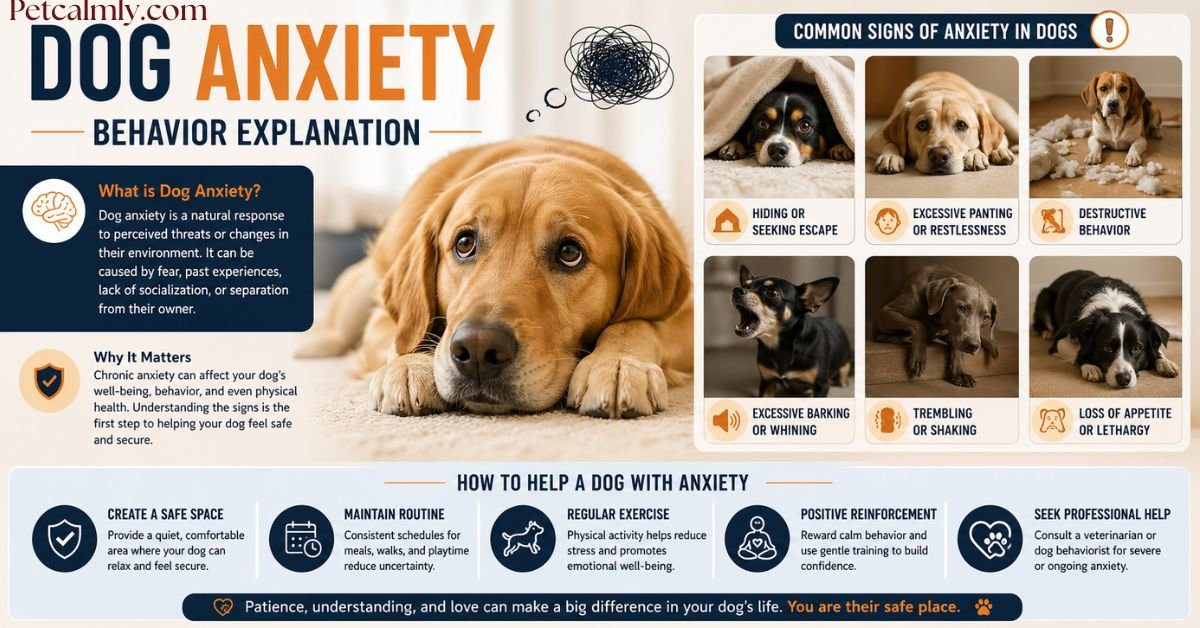
2. Anxiety and Emotional Stress
Dogs experience anxiety just like people do. Nighttime can trigger it more because the world is quiet, they’re less stimulated, and they’re more aware of their owner’s absence if they sleep separately.
Common anxiety triggers include:
- Separation from you or other pets
- Changes in household routine or living situation
- Loud noises (traffic, storms, neighbors)
- New environments
- Being alone in a dark room
- Past trauma or negative experiences
Anxious dogs often display a specific type of pacing: repetitive patterns in tight circles or back-and-forth routes. They might also whine, pant excessively, or seem unable to find a comfortable spot. The pacing becomes self-soothing behavior—similar to how humans pace when stressed.
3. Digestive Discomfort or Stomach Issues
If your dog is pacing more right after eating or in the middle of the night, digestive discomfort could be the culprit.
Conditions that cause nighttime pacing include:
- Upset stomach or mild gastric distress
- Bloating or gas
- Food allergies or sensitivities
- Difficulty digesting heavy meals
- Intestinal parasites
- Pancreatitis (more serious, often includes other symptoms like vomiting or loss of appetite)
Dogs experiencing stomach discomfort can’t get comfortable. They’ll pace, turn in circles trying to find a better position, and may have trouble settling down. If this pattern continues or is accompanied by other symptoms like diarrhea, vomiting, or loss of appetite, it’s time for a vet visit.
4. Age-Related Changes and Cognitive Dysfunction
Senior dogs pace differently than younger dogs. Pacing in older dogs can signal cognitive dysfunction syndrome (CDS)—essentially doggy dementia especially if it’s combined with confusion, disorientation, or changes in sleep patterns.
Signs of CDS in older dogs include:
- Pacing without purpose or in unusual patterns
- Seeming disoriented or confused at night
- Loss of house training
- Changes in sleep-wake cycles (sleeping during the day, restless at night)
- Seeming lost in familiar spaces
If your dog is over 7 years old and the pacing is new or accompanied by disorientation, mention it during your next vet visit. CDS is manageable with proper care and sometimes medication, and early identification helps.
5. Pain or Physical Discomfort
Dogs hide pain remarkably well, but nighttime often reveals it. When your dog tries to rest, pain becomes more noticeable and harder to ignore.
Common sources of pain causing nighttime pacing:
- Arthritis or joint pain (extremely common in middle-aged and senior dogs)
- Muscle soreness from overexertion
- Injuries or strains
- Back or neck pain
- Ear infections or other localized pain
A pacing dog in pain often shows other signs: limping during the day, reluctance to jump, sensitivity when touched in certain areas, or difficulty rising after rest. They might also pant or seem tense. If you suspect pain, your vet can help identify and manage it.
6. Medical Conditions and Health Issues
Several medical issues trigger nighttime pacing:
- Hyperthyroidism (less common in dogs than cats, but causes restlessness and anxiety)
- Urinary tract issues or urinary incontinence (dogs feel urgent need to urinate, pace in discomfort)
- Respiratory problems (difficulty breathing is more noticeable when lying down)
- Hormonal imbalances (including Cushing’s disease)
- Neurological conditions (seizure disorders or other neurological issues can cause pacing)
- Fever or illness (dogs feel unwell and can’t settle)
If the pacing is accompanied by other changes drinking more water, urinating frequently, coughing, lethargy, or changes in appetite—mention it to your vet.
7. Environmental Factors and Temperature
Your dog’s bedroom environment matters more than you might think.
- Too warm: Dogs cool themselves by lying on cold surfaces. If the room is warm, they’ll stay restless.
- Too stimulating: Outdoor sounds, street noise, or activity outside the window keeps their mind active.
- Unfamiliar sleeping area: A new bed or bedroom can make dogs anxious.
- Nighttime bathroom needs: As dogs age, they may need to urinate more frequently at night.
Simple environmental adjustments a cooler room, less noise, a comfortable bed in a familiar spot can make a real difference.
How to Tell If Night Pacing Is Normal or a Warning Sign
Not all pacing requires intervention. Occasional restlessness after a big day is normal. Consistent, compulsive pacing that disrupts sleep and prevents your dog from settling down deserves attention.
Normal Pacing (Usually Nothing to Worry About)
- Happens occasionally or after excitement/changes
- Dog can settle down with guidance or after a few minutes
- No other concerning symptoms
- Dog seems content during the day
- Settles quickly once you help them wind down
Pacing That Needs Attention
- Happens every night or most nights
- Compulsive or repetitive patterns
- Dog seems unable or unwilling to settle
- Accompanied by panting, whining, or anxious behavior
- Combined with other behavioral or physical changes
- Interferes with your dog’s sleep or yours
- New behavior in an older dog
- Accompanied by digestive issues, accidents, or changes in eating/drinking
Why Night Pacing Happens More Than Day Pacing
You might wonder: why does your dog pace at night specifically? Why not during the day?
Reduced distractions: During the day, activities, sounds, and stimulation keep your dog’s mind occupied. At night, the world quiets down, and restlessness becomes more obvious and harder to manage.
Your absence: If your dog sleeps separately from you, nighttime means being alone. Some dogs experience separation anxiety that’s worse when they can’t see or hear you.
Less stimulation: Without daytime activities, your dog’s brain has fewer things to focus on. Restlessness and anxiety intensify.
Natural sleep cycles: Dogs’ circadian rhythms differ from ours. Some dogs aren’t naturally ready to sleep when we are, especially if they’ve napped during the day.
Physical discomfort is more noticeable: Pain, digestive issues, and the need to urinate are all more obvious when your dog tries to rest.
This is why addressing daytime activity levels almost always helps with nighttime pacing.
How Much Exercise Does Your Dog Actually Need?
The “two walks a day” rule works for some dogs but not others. Real exercise needs depend on breed, age, health, and individual temperament.
Energy Levels by Category
High-energy dogs (Border Collies, Australian Shepherds, Vizslas, German Shorthaired Pointers):
- Minimum 60 minutes of vigorous activity daily
- Mental stimulation through training, puzzle toys, or work
- These dogs weren’t bred to rest they were bred to work
Moderate-energy dogs (Cocker Spaniels, Beagles, Australian Cattle Dogs):
- 30-45 minutes of varied activity daily
- Mix of walks, play, and mental enrichment
- Still need meaningful engagement beyond casual strolls
Low-energy dogs (Bulldogs, Basset Hounds, Shih Tzus):
- 20-30 minutes of gentle activity daily
- More satisfied with shorter walks and indoor play
- Still need daily movement to stay healthy
Senior dogs (any breed, age 7+):
- Shorter, gentler walks but still daily movement
- Mental stimulation through training, sniffing games, low-impact play
- Adjust for arthritis or other age-related issues
The pacing problem often resolves when you match exercise to your specific dog’s needs, not to generic guidelines.
The Role of Anxiety in Nighttime Pacing
Anxiety-based pacing feels different to owners who experience it. It’s urgent, compulsive, and often accompanied by visible stress.
How to Recognize Anxiety-Based Pacing
- Repetitive patterns (circles, back-and-forth routes)
- Panting or rapid breathing
- Whining or vocalizing
- Inability to settle even after exercise
- Seeming distressed or panicked
- Trembling or tension in the body
- Destructive behavior or urgency to escape
Creating an Anxiety-Friendly Bedtime Routine
Progressive desensitization: If your dog is anxious about being alone at night, gradually increase alone time in short increments. Start with leaving them for 5 minutes while you’re in the next room, then gradually extend.
Crate training: For some dogs, a secure crate (never used as punishment) provides comfort and structure. For others, it creates more anxiety. Know your dog.
Calming aids: Consider (with vet approval):
- Weighted blankets or anxiety wraps
- Calming supplements (L-theanine, magnesium)
- Pheromone diffusers (Adaptil for dogs)
- Background noise or white noise machines to mask triggering sounds
- Natural calming treats designed for dogs
Consistent bedtime routine: Dogs thrive on predictability. A consistent wind-down routine signals that it’s time to relax. This might include a final short walk, a calm play session, a treat, and then settling into their sleep space.
Proximity: Some anxious dogs need to sleep near you or in your room. Others need independence to succeed. Observe what actually reduces your dog’s anxiety rather than assuming.
If anxiety is severe or doesn’t improve with these strategies, your veterinarian or a certified dog behavior consultant can recommend additional support.
Making Your Dog’s Sleep Environment Work for Them
The bedroom environment has more influence on sleep quality than most owners realize.
Temperature and Comfort
- Keep the room cool (around 65-68°F is ideal for most dogs)
- Provide a supportive, comfortable bed that suits their sleeping style
- Use washable, soft bedding that your dog enjoys
- Some dogs prefer enclosed spaces; others prefer open areas
Noise and Stimulation
- Use white noise to mask triggering outdoor sounds
- Close blinds or curtains to reduce visual stimulation
- Keep the room quiet—turn off notifications on your phone
- If your dog is sensitive to sound, create a calm acoustic environment
Routine and Predictability
- Same bedtime each night (dogs’ circadian rhythms adapt to consistency)
- Same pre-bedtime routine (signals that sleep is coming)
- Same sleeping location (predictability reduces anxiety)
- Avoid sudden changes to the sleep environment
Lighting
- Dim lights about an hour before bed
- A completely dark room or very low nightlight (based on your dog’s preference)
- Darkness triggers melatonin production in both humans and dogs
When to See a Veterinarian About Nighttime Pacing
Pacing alone often isn’t an emergency, but it’s worth mentioning at your next vet visit, especially if it’s a new or worsening behavior.
See your vet soon if:
- The pacing started suddenly or has worsened recently
- Your dog is older and the pacing is new
- It’s accompanied by other behavioral or physical changes
- Your dog seems distressed, confused, or disoriented
- There are signs of pain, digestive issues, or other symptoms
- You’ve tried increasing exercise and it hasn’t improved
- The pacing is affecting your dog’s sleep quality
Seek emergency care if:
- Your dog is pacing frantically and seems in pain
- There’s vomiting, severe diarrhea, or inability to urinate
- Your dog is collapsing, unable to walk, or showing neurological signs
- Rapid or severe changes in behavior
- Signs of respiratory distress
Your vet can rule out medical causes, evaluate pain levels, check for cognitive dysfunction, and recommend appropriate treatment. Bring notes about when pacing occurs, how often, and what you’ve observed.
The Practical Dog Owner’s Guide to Reducing Nighttime Pacing
Here’s what actually works for most dogs experiencing nighttime pacing:
Step 1: Increase Daytime Activity (This Solves Most Cases)
Add at least 15-30 more minutes of activity to your dog’s day. This might include:
- An extra walk or longer walk
- A play session with a ball, flirt pole, or rope toy
- Training practice (which tires the brain)
- A trip to the dog park or a friend’s house with another dog
- Fetch or chase games
Give it 1-2 weeks. Most dogs who pace primarily from excess energy will show improvement.
Step 2: Establish a Wind-Down Routine (30 minutes before bed)
This signals to your dog’s brain that sleep is coming:
- Final outdoor bathroom break
- Calm play or a short walk (not vigorous)
- A safe treat or meal
- Quiet time together
- Settling into their sleep space
Consistency matters more than specific activities. Your dog will learn to associate the routine with sleep.
Step 3: Optimize the Sleep Environment
Create conditions that make sleep easier:
- Cool, dark, quiet room
- Comfortable, supportive bed
- Removal of daytime toys or stimulation
- Minimal distractions
Step 4: Check Diet and Digestive Health
If pacing is worse after meals:
- Feed your dog earlier in the evening (at least 3-4 hours before bed)
- Avoid heavy, fatty foods at night
- Consider smaller, more frequent meals
- Rule out food sensitivities or digestive issues with your vet
Step 5: Address Anxiety (If Present)
- Identify anxiety triggers and reduce exposure when possible
- Build a calming pre-bedtime ritual
- Consider calming supplements with vet approval
- Practice separation training gradually
- Consult a certified dog behaviorist for severe anxiety
Step 6: Evaluate Medical Factors
- Discuss with your vet, especially if pacing is new
- Rule out pain, arthritis, cognitive dysfunction, or medical conditions
- Consider appropriate medication if indicated
- Monitor for other symptoms
This approach works in stages. Don’t try everything at once implement changes one or two at a time so you can see what actually helps your individual dog.
7 Common Mistakes That Make Nighttime Pacing Worse
Mistake 1: Rewarding the Pacing
If you respond to pacing with attention, playtime, or extra engagement, you’re accidentally teaching your dog that pacing gets results. Ignore attention-seeking pacing. Don’t rush to entertain or engage with your dog every time they pace.
Mistake 2: Exercising Too Close to Bedtime
Vigorous exercise within 2-3 hours of bedtime can actually increase restlessness. Move exercise earlier in the day and keep pre-bedtime activity calm.
Mistake 3: Too Many Naps During the Day
If your dog sleeps most of the day, they won’t be tired at night. Structure the day with activity windows and rest windows, but don’t let daytime naps consume the whole day.
Mistake 4: Irregular Sleep Schedules
Dogs are creatures of rhythm. Inconsistent bedtimes and wake times disrupt their natural circadian rhythms. Pick a sleep schedule and stick to it.
Mistake 5: Confusing Pacing With Needing to Urinate
Not every instance of nighttime pacing means your dog needs to go outside. Taking them out every time they pace can actually train them to expect it. Distinguish between “I need to pee” behavior and restlessness.
Mistake 6: Ignoring Medical Possibilities
If pacing is new or accompanied by other changes, don’t assume it’s behavioral. Rule out medical causes first.
Mistake 7: Expecting Immediate Results
Behavior change takes time. Give new strategies 2-3 weeks before deciding they don’t work.
Conclusion
Nighttime pacing isn’t random. Your dog isn’t being difficult or defiant. They’re communicating that something in their physical or emotional world needs adjustment.
Sometimes it’s as simple as needing more exercise. Sometimes it’s anxiety that needs addressing. Sometimes it’s pain or a medical issue that requires professional help. The key is listening to what your dog is telling you and responding thoughtfully.
Most cases of nighttime pacing improve significantly when owners increase daytime activity, establish consistent routines, optimize the sleep environment, and address anxiety if present. The changes are usually simple they just require consistency and observation.
If you’ve tried these strategies and pacing continues, or if it’s accompanied by other concerning symptoms, your veterinarian can help identify whether there’s an underlying medical or behavioral issue that needs professional support.
Your dog wants to sleep. Your dog wants to be comfortable. The pacing is a sign that one or both of those things aren’t happening yet. With some adjustments and attention, most dogs return to peaceful, restful nights.
More Information About Pets, Please Visit Our Website: How to Create a Calm Environment for Dogs
Homemade Dog Shampoo Recipes That Kill Fleas
How to Check Dog Health at Home
Puppy Vaccination Schedule
How to Stop Dog Barking at Strangers
Easiest Dog Breeds to Potty Train
How to Prevent Dog Ear Infections After Swimming
How to Remove Matted Dog Hair Without Cutting
Best Dog Food for Small Breeds with Sensitive Stomachs
How to Brush Dog Teeth When They Refuse
Why Is My Old Dog Walking Around at Night?
How to Dog Care in Winter Season Dog Care Tips
How to Calm an Anxious Dog in a Car?
What Kills Fleas on Dogs Instantly Without Bathing
How Do I Become My Dog’s Favorite Person?
Frequently Asked Questions
1: My dog paces in circles. Is this different from pacing back and forth?
A: Repetitive circular pacing often suggests anxiety or compulsive behavior. Back-and-forth pacing is more commonly linked to restlessness or excess energy. Both can occur for behavioral or medical reasons, but circular pacing specifically warrants vet attention, especially if it’s new or accompanied by other behavioral changes.
2: Can CBD or calming supplements stop my dog’s pacing?
A: Some dogs benefit from calming supplements, but they work best as part of a comprehensive approach—not as a standalone solution. Supplements containing L-theanine, magnesium, or melatonin can help, but results vary. Discuss options with your vet before starting anything. Don’t expect supplements to replace exercise and behavioral changes.
3: My dog only paces at night when I’m away. What does that mean?
A: This points to separation anxiety or your dog simply not being tired. Pacing while you’re away could indicate your dog struggles with alone time and is anxious or needs more daytime activity when you’re home. Gradually build tolerance for alone time, increase activity when you’re present, and consider whether your dog would benefit from a calming aid or anxiety treatment.
4: Is it possible my dog is pacing because of a dream or nightmare?
A: Unlikely. If your dog seems distressed or disoriented upon waking, nightmares are possible but rare. More commonly, dogs pace because they’re not genuinely tired yet. If pacing happens during sleep, it’s more likely REM sleep normal and nothing to worry about.
5: How long does it take for increased exercise to improve pacing?
A: Some dogs improve within a few days. Others take 1-2 weeks to establish a new routine and settle into a pattern. Give increased activity at least 2 weeks before deciding it’s not working. Consistency matters sporadic increases in activity won’t have the same effect as daily, sustained changes.
6: Can my dog’s pacing disrupt my sleep? Is it okay to crate them if they’re pacing?
A: Yes, your sleep matters too. If pacing is disrupting your rest, crating might help but only if your dog is already comfortable with crate time. Never use a crate as punishment or force your dog into one if it increases anxiety. Some dogs settle better in a crate; others develop more anxiety. Know your dog’s crate association before using it for nighttime containment.