Short direct answer
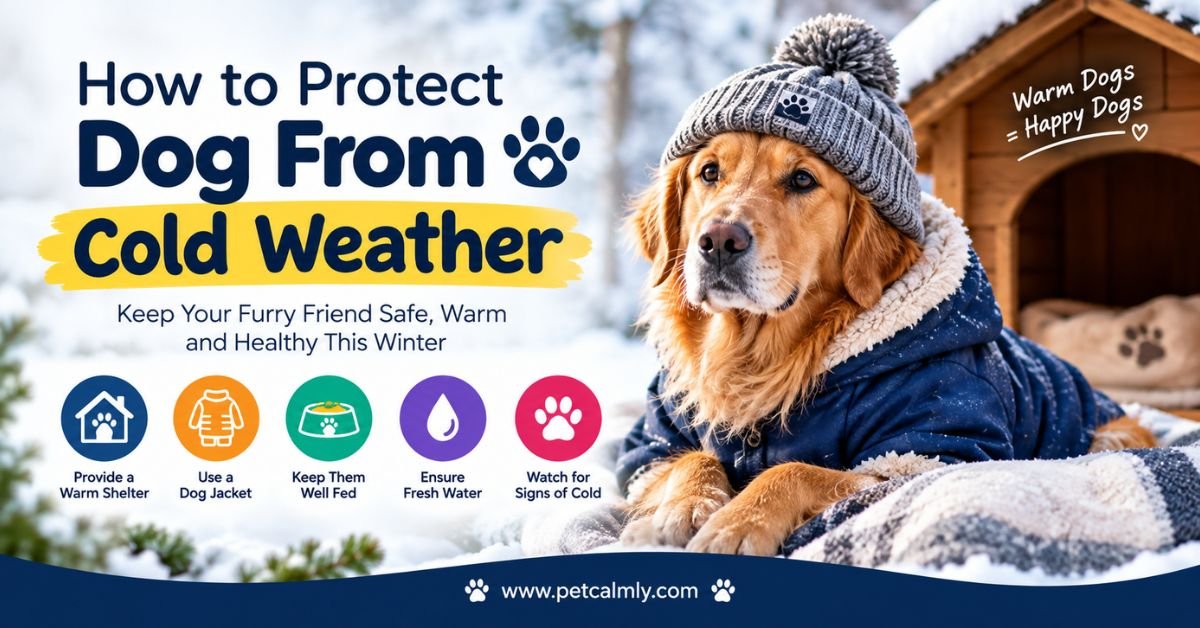
how to protect your dog from cold weather comes down to five habits. Limit time outside when it’s freezing, and dry your dog’s fur and paws after every walk. Give your dog a warm, draft-free bed indoors. Add a well-fitted coat for small, short-haired, young, or senior dogs. Finally, watch for shivering, lifted paws, slow movement, or lethargy. If your dog shows these signs, bring them inside right away. Severe signs need a vet.
Why Cold Weather Is Harder on Dogs Than Many Owners Realize
Many people assume a dog’s fur coat works like a built-in winter jacket. Sometimes it does. Often it doesn’t.
A Siberian Husky bred for arctic work handles snow very differently than a Chihuahua or a Greyhound. A thick coat also stops helping once it gets soaked. Wet fur loses much of its insulating power, and wind pulls heat off the body quickly.
Most dogs also can’t tell you they’re cold until they’re already uncomfortable. By the time a dog is shaking and refusing to walk, the chill has been building for a while.
This guide walks you through what actually keeps dogs safe in winter. You’ll learn which temperatures call for caution and how to care for paws, coats, and sleeping spaces. You’ll also learn which warning signs mean it’s time to call your vet.
None of this has to feel stressful. A few small routines go a long way.
How Cold Is Too Cold for Dogs?
There is no single temperature that is safe or unsafe for every dog. Size, coat, age, health, and even how used to the weather your dog is all matter.
Still, general guidelines help. Many veterinary and animal welfare organizations suggest the following rough ranges. Treat them as starting points, not strict rules.
| Temperature | What it means for most dogs |
|---|---|
| Above 45°F (7°C) | Generally comfortable for most dogs. Very small, thin-coated, or senior dogs may still want a coat. |
| 32–45°F (0–7°C) | Cold for many dogs. Watch small, short-haired, young, old, or ill dogs closely. |
| 20–32°F (-7–0°C) | Risky for extended time outdoors. Keep walks short and use protective gear. |
| Below 20°F (-7°C) | Potentially dangerous for any dog. Limit outdoor time to quick bathroom breaks. |
These numbers describe air temperature. Wind chill, rain, and damp snow make it feel colder to your dog. A 35°F day with wind and sleet can be harder on a dog than a calm, dry 25°F day.
Dogs That Get Cold Faster
Some dogs need extra help much sooner than the chart suggests. These include:
- Small and toy breeds such as Chihuahuas, Yorkshire Terriers, and Pomeranians. They have little body mass to hold heat.
- Short-coated or thin-coated dogs such as Greyhounds, Whippets, Italian Greyhounds, Boxers, and Dobermans.
- Puppies, whose bodies don’t regulate temperature as well yet.
- Senior dogs, especially those with arthritis. Cold can make stiff joints feel worse.
- Dogs with health conditions like heart disease, kidney disease, diabetes, or hormonal problems. These can affect how well the body manages temperature.
- Dogs with low body fat or those recovering from illness.
Flat-faced breeds like Bulldogs and Pugs deserve a mention too. They often struggle with breathing, and very cold air can make that harder.
Dogs That Handle Cold Better
Northern breeds such as Huskies, Malamutes, Samoyeds, and Newfoundlands usually tolerate cold well. Their double coats are built for it. They still need limits, though. A Husky living in a warm home all year isn’t acclimated to a deep freeze, and even cold-hardy dogs can get frostbite on their ears, paws, and tail.
When in doubt, trust your dog’s behavior over any chart.
Signs Your Dog Is Cold
Dogs show discomfort in small ways first. Learning these early signals helps you act before things get serious.
Common early signs include:
- Shivering or trembling
- Whining or barking more than usual
- Tucked tail and hunched posture
- Lifting paws off the ground or limping
- Slowing down or stopping on walks
- Trying to turn around and head home
- Seeking warm spots, such as curling up against you or near a vent
- Anxious behavior or acting unusually clingy
Picture a small terrier on a morning walk in light snow. Halfway down the block, she stops and lifts one paw, then another. Her owner thinks she’s being stubborn. In reality, her feet are freezing and she’s asking to go home. This is one of the most common misreadings in winter, and it’s worth remembering.
How to Protect a Dog From Cold Weather on Walks
Walks are where most cold exposure happens. The good news is that small adjustments make winter outings safer and more enjoyable.
Shorten the Walk, Not the Exercise
Dogs still need physical activity in winter. You can often meet that need with a few short walks instead of one long one. Ten minutes of brisk walking three times a day is easier on a small dog than a single 30-minute trek.
Choose the warmest part of the day when you can. Late morning or early afternoon is usually better than dawn or after dark.
Dress Your Dog for the Weather
A coat isn’t just a fashion accessory. For the right dog, it can make winter walks far more comfortable.
A good dog coat should:
- Cover from the neck to the base of the tail
- Protect the chest and belly, where heat escapes
- Fit snugly without restricting shoulder movement
- Be waterproof or water-resistant for wet conditions
- Allow bathroom posture without getting soiled
Avoid anything loose that your dog could trip on. Also avoid clothing with dangling parts that might get chewed. Check under the coat after each walk to make sure it hasn’t rubbed or left damp spots against the skin.
Some dogs hate wearing clothes at first. Let your dog sniff the coat. Reward them with treats for standing still while you put it on. Try short indoor sessions before you head outside. Most dogs adapt within a few days when the process stays positive.
Watch the Wind and Wetness
Wet fur chills quickly. If it’s snowing or raining, a waterproof layer matters more than a thick one. Wind is just as important. A dog standing still in a cold breeze loses heat faster than one moving.
If your dog stops to sniff for a long time, pay attention. Standing still in the cold adds up.
Stay Away From Frozen Water
Never let your dog walk on frozen ponds, lakes, or streams. Ice that looks solid can break, and cold-water emergencies are dangerous for both dogs and the people trying to rescue them. Keep your dog leashed near water in winter.
Keep Your Dog Visible
Winter days are short. If you walk in low light, add a reflective vest or a clip-on light. Snow, fog, and plowed roadsides can make dogs hard for drivers to see.
How to Protect Your Dog’s Paws in Winter
Paws take the biggest beating in winter. They touch ice, salt, and chemicals. Cold itself can dry and crack the pads.
What Happens to Paws in the Cold
Dog paw pads are tough, but they aren’t immune. Ice can cut them. Salt and de-icing products can irritate the skin and cause painful cracking. Snow can also pack between the toes and form small ice balls, which pull at the fur and hurt.
If your dog suddenly lifts a paw, licks their feet obsessively, or limps in snow, check the paws as soon as you can.
Practical Paw Care Steps
- Trim the fur between the pads. Shorter fur gives snow less to cling to. Ask a groomer to show you how if you’re unsure.
- Use paw balm or wax. A pet-safe balm creates a thin barrier before walks. Choose one made for dogs, since your dog will probably lick it.
- Try dog boots. Many dogs dislike them initially. Introduce them slowly with treats and short practice sessions indoors.
- Wipe paws after every walk. Use a warm, damp cloth to remove salt, ice melt, and grit. Pay attention to the spaces between toes.
- Check for cuts or redness. Look for cracked pads, small cuts, or swelling.
Be Careful With De-Icing Products
Some ice melts and salts can irritate paws and upset the stomach if licked off. Products labeled “pet-safe” are gentler, but it’s still smart to wipe your dog’s feet. If you use ice melt at home, store it where your dog can’t reach it.
Antifreeze Is a Serious Winter Danger
Antifreeze often contains ethylene glycol. It has a sweet taste that can attract dogs, and even small amounts can be toxic. Clean up spills in your garage or driveway right away. Watch for puddles on walks, especially near parked cars.
If you think your dog drank antifreeze, treat it as an emergency. Contact your vet or an emergency clinic immediately. Don’t wait for symptoms to appear.
Keeping Your Dog Warm and Comfortable Indoors
Many owners focus on walks and forget that indoor setup matters too. Floors can be cold. Drafts come in through windows and doors. A dog sleeping near a poorly insulated wall may be colder than you think.
Create a Warm Sleeping Spot
Choose a bed away from drafts and exterior doors. Raising the bed off the floor helps, since cold floors pull heat away from the body.
Good winter bedding includes:
- A thick, orthopedic or raised bed
- Soft blankets that your dog can burrow into
- Bolster-style beds that let dogs curl up
Senior dogs benefit especially from extra padding. Cold floors can make joint stiffness worse, so a supportive bed helps more than you might expect.
Be Careful With Heat Sources
It’s tempting to give a cold dog a heating pad or place their bed beside a heater. Use caution. Dogs can get burned on heating pads, especially older or less mobile dogs who can’t easily move away. Space heaters and fireplaces can also cause burns or tip over.
If you use a pet-safe heated bed, choose one designed for dogs. Make sure your dog can move off it easily. Skip anything with exposed cords your dog might chew. Never leave heating devices on when you’re out.
Let Your Dog Choose
Notice where your dog naturally sleeps. A dog who curls up tightly in a ball is trying to conserve heat. A dog who stretches out on the cool tile is probably fine. Offering both a warm spot and a cooler spot lets your dog regulate their own comfort.
Keep Mental Stimulation Going
Short winter walks can leave dogs with extra energy. Indoor games help fill that gap:
- Hide-and-seek with treats
- Puzzle feeders and snuffle mats
- Short training sessions for new tricks
- Gentle tug or fetch in a hallway
These keep your dog’s mind busy and can prevent bored, destructive behavior during stretches of bad weather. For more ideas, see our guide on indoor activities for dogs (internal link suggestion).
Can Dogs Stay Outside in Winter?
This question comes up often, especially from owners with large or double-coated dogs.
The honest answer is that most dogs are safest living indoors during winter. Even cold-hardy breeds need shelter, dry bedding, fresh water, and limits on exposure. In severe cold, no dog should be left outdoors for long periods.
If your dog spends time outside, you can reduce risk with a few key steps:
- Provide a proper shelter. It should be small enough to hold body heat, raised off the ground, and positioned out of the wind.
- Use straw or cedar shavings, not blankets. Blankets can absorb moisture and freeze. Straw stays drier.
- Keep the entrance covered with a flap to block wind.
- Check water often. Heated bowls prevent freezing.
- Check on your dog regularly, and bring them in when temperatures drop sharply.
Some local laws also set rules about outdoor shelter for pets. It’s worth checking your area’s guidelines.
Winter Feeding, Hydration, and Energy Needs
Cold weather can change how much energy your dog burns. Dogs that spend a lot of time outdoors may need slightly more calories to stay warm. Dogs that stay in all day and move less may need fewer.
Because needs vary, check with your veterinarian before changing your dog’s diet. Sudden changes can upset the stomach, and weight gain or loss in winter is easy to miss under a thick coat.
Hydration matters too. Dogs can get dehydrated in dry, heated indoor air. Keep fresh water available, and check outdoor bowls so they haven’t frozen.
Grooming Tips for Cold Weather
Don’t Shave Your Dog Too Short
A longer coat offers insulation. If your dog normally gets a trim, ask the groomer to leave a bit more length in winter. This applies especially to breeds with thick coats.
Keep the Coat Clean and Brushed
Matted fur traps moisture and loses its insulating ability. Regular brushing keeps the coat fluffy, which holds warm air close to the body. Dry your dog thoroughly after snowy or rainy walks. A towel works well. Some owners use a low-heat dryer, but keep it moving and watch the temperature to avoid burns.
Moisturize Dry Skin
Winter air can dry out your dog’s skin. If you notice flakes or scratching, talk to your vet before using any skin product. Some human lotions are unsafe if licked.
7 Common Mistakes That Put Dogs at Risk in Winter
Even caring owners slip up. Here are some of the most common mistakes:
- Assuming fur is enough. Coats help, but they don’t make every dog immune to cold.
- Leaving dogs in cold cars. A parked car can chill like a refrigerator and hold the cold for hours.
- Ignoring wet fur. A damp dog in cold air loses heat fast.
- Skipping the paw wipe. Salt and chemicals get licked off and may upset the stomach.
- Relying on a heating pad overnight. Burns can happen quietly.
- Pushing a reluctant dog to keep walking. When your dog turns around, they usually have a reason.
- Forgetting about senior dogs. Joint pain gets worse in the cold, which can look like stubbornness or “slowing down.”
When Should You Worry? Signs of Hypothermia and Frostbite
Most cold-weather discomfort is mild and fixed by getting your dog warm and dry. Some situations, however, are medical emergencies.
Signs of Hypothermia
Hypothermia happens when a dog’s body temperature drops too low. Early signs may look like regular cold discomfort. As it worsens, you may notice:
- Strong, constant shivering that later stops
- Weakness or extreme tiredness
- Slow or shallow breathing
- Stumbling or poor coordination
- Pale or bluish gums
- Confusion or unresponsiveness
- Muscle stiffness
If shivering suddenly stops and your dog becomes limp or sleepy, that is not a sign of recovery. It can mean the body is getting dangerously cold.
Signs of Frostbite
Frostbite most often affects the ears, tail, toes, and (in male dogs) the scrotum. Watch for:
- Skin that looks pale, gray, or bluish
- Skin that feels cold, hard, or brittle
- Swelling or redness as the area warms
- Blisters or darkened skin in later stages
- Pain when the area is touched
Frostbite can be hard to see right away. Signs may show up a day or two later, so keep checking your dog after a very cold outing.
Call Your Vet If:
- Your dog is shivering heavily and doesn’t warm up indoors
- Your dog seems weak, confused, or unusually sleepy
- You see signs of frostbite, such as discolored skin or blisters
- Your dog has trouble walking after being in the cold
- You suspect your dog swallowed antifreeze or ice melt
- Your dog has an ongoing health condition and seems off after cold exposure
When in doubt, call. Your vet would rather hear from you early than late.
What to Do if Your Dog Gets Too Cold
If you suspect your dog is chilled, act calmly and gently. Here’s a simple sequence:
- Get your dog inside and out of wind, snow, and wet surfaces.
- Dry the fur with towels. Pay attention to the belly, paws, and ears.
- Wrap your dog in warm, dry blankets. Warm (not hot) towels from the dryer can help.
- Warm up gradually. Don’t use hot water, direct heat, or heating pads on bare skin. Fast heating can cause burns or other problems.
- Offer small sips of lukewarm water if your dog is alert and able to drink.
- Call your vet. If your dog is weak, unresponsive, or still very cold after warming, head to an emergency clinic. Keep the blankets on while traveling.
For suspected frostbite, don’t rub or massage the area. Rubbing can damage tissue that is already fragile. Warm the area gently with lukewarm towels and let your vet examine it.
Frequently Asked Questions
1: How do I know if my dog is too cold at night?
Look for shivering, curling into a very tight ball, or seeking out warm spots. A dog that wakes up and moves to a blanket or onto your bed may also be cold. Adding a raised bed, extra blankets, or a dog sweater often fixes the problem.
2: Do dogs need coats in winter?
Some do, and some don’t. Small, short-haired, young, senior, and sick dogs often benefit from a coat. Thick-coated breeds usually don’t need one in mild cold. If your dog shivers or acts uncomfortable outside, a coat is worth trying.
3: What temperature is too cold to walk a dog?
Many vets suggest caution once temperatures drop below freezing, especially for small or thin-coated dogs. Below about 20°F (-7°C), most dogs should only go out for quick bathroom breaks. Wind, wet weather, and your dog’s health can change these limits.
4: Is it okay to leave my dog in the car in cold weather?
No. Cars lose heat quickly in cold weather, and a parked vehicle can become dangerously cold for your dog. It’s best to leave your dog at home if you won’t be taking them with you.
5: Can I put socks or boots on my dog?
Yes, as long as they fit well and your dog tolerates them. Boots protect paws from ice, salt, and cold. Introduce them slowly with treats, and check that they aren’t rubbing or cutting off circulation.
6: Should I feed my dog more in winter?
It depends on your dog. A dog who spends hours outdoors in the cold may need extra calories, while an indoor dog who moves less may need the same or less. Talk to your veterinarian before changing the amount you feed.
More Information About Pets, Please Visit Our Website: Why Is My Dog Whining at Night All of a Sudden?
Why Does My Dog Suddenly Bark at Night?
Does a Dog Miss Its Owner When Rehomed?
How Many Times a Month Should I Bathe My Dog?
What Does a Dog Like to Eat?
Can Dogs Have Peanut Butter Every Day?
Can I Feed My Dog Meat Everyday?
Why Is My Dog Throwing Up Undigested Food?
Conclusion
Learning how to protect your dog from cold weather doesn’t require fancy gear or perfect timing. It comes down to paying attention. Watch your dog’s body language, adjust walks to the weather, and keep paws and fur dry and clean. Give your dog a warm place to rest, and keep antifreeze and de-icing products out of reach.
Remember that every dog is different. A Husky and a Chihuahua need very different winter routines, and a senior dog may need extra care even if they’ve loved snow all their lives. If something seems wrong, trust your instincts and call your vet.
Winter can be a cozy, fun season for you and your dog. A little preparation makes it that way.