Short direct answer
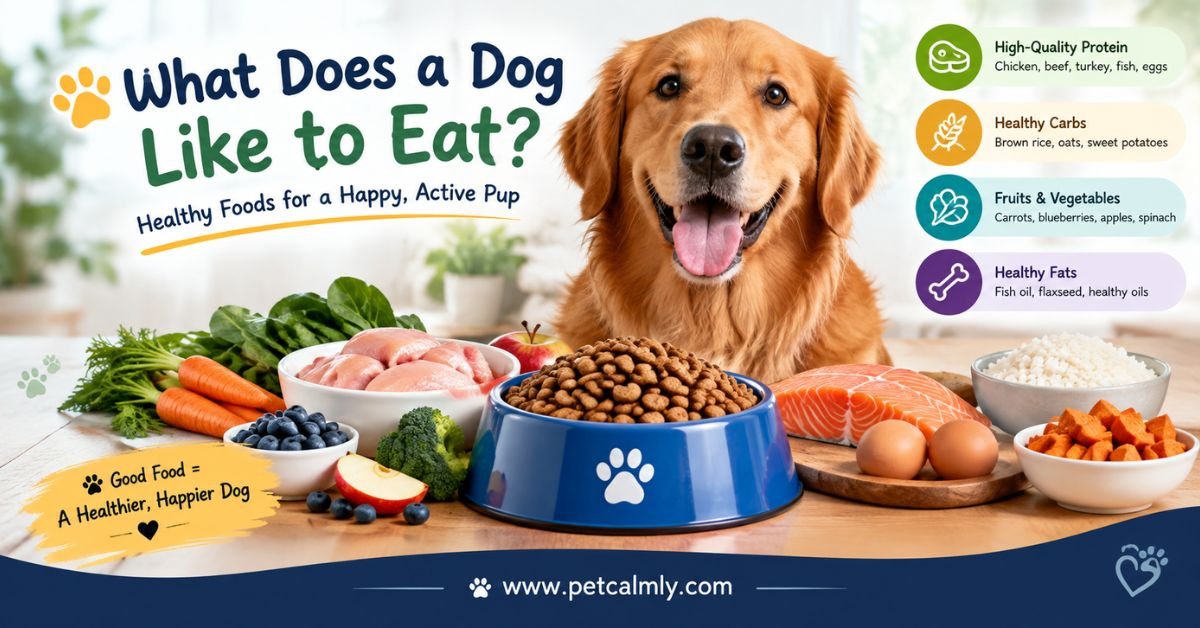
What does a dog like to eat? Most dogs love savory, meaty foods such as cooked chicken, turkey, beef, and fish. Many also enjoy crunchy vegetables like carrots and green beans, sweet fruits like blueberries and watermelon, and plain extras like cooked eggs or pumpkin. Every dog is different, though. Smell, texture, age, and past experiences all shape taste. The safest plan is a complete and balanced dog food as the base, with small, dog-safe extras on top.
Why Your Dog’s Food Preferences Matter
You are standing in the kitchen. Your dog is sitting at your feet, staring at your sandwich like it holds the secrets of the universe. Meanwhile, you are wondering two things. Is my dog bored of the same kibble? And is it safe to share anything at all?
That mix of love and worry is very common. Dogs show affection through food, and so do we. However, the wrong snack can cause real harm, and the right one can make a dog’s day. So it helps to know what a dog actually enjoys, why it enjoys it, and where the safety lines sit.
This guide walks through all of it. You will learn how a dog’s senses shape its tastes, which foods most dogs love, and which human foods are safe to share. You will also see which foods to avoid completely, how tastes change from puppyhood to old age, and how to run a simple taste test at home. Finally, you will learn when a change in appetite is a reason to call your vet.
One note before we start. This article gives general pet-care information. It does not replace advice from your own veterinarian, who knows your dog’s health history.
What Does a Dog Like to Eat, and Why?
The answer to ‘what does a dog like to eat’ starts with the nose. Dogs have a much stronger sense of smell than people, and smell is a big part of how any animal experiences flavor. That is why your dog can sniff a bowl and decide within seconds whether it is interested. It is also why slightly warm food often works better than cold food. Warming releases more aroma, so the meal smells richer.
Next comes taste. Dogs descended from wolves, but they are not strict meat-eaters. Over thousands of years living beside people, they adapted to digest starch and plant foods too. Still, most dogs lean toward meaty, savory, fatty flavors. They also seem sensitive to the savory taste of amino acids, which are the building blocks of protein. That explains the enthusiasm for chicken, beef, and fish.
Dogs taste sweet, sour, salty, and bitter as well. Many enjoy sweet fruit, although they have fewer taste buds than humans do. So sweetness is a bonus for them, not the main attraction.
How Texture and Habits Change What a Dog Likes to Eat
Some dogs want crunch. Others prefer soft, moist food they can gulp down. Small dogs, seniors, and dogs with sore teeth often favor softer textures, while many young, energetic dogs love chewing. If your dog keeps pushing food around the bowl, texture may be the problem, not flavor.
Habits matter just as much. Dogs learn fast. If a food once arrived with praise or play, it becomes more exciting. Likewise, a dog that learns begging works will beg harder next time. For example, a dog that gets a bite of cheese every night at 7 p.m. will likely be waiting at 6:55. Preferences live in routines, not only on the tongue.
Proteins a Dog Will Like to Eat
So what does a dog like to eat when you offer a choice? Meat usually wins. Here are the most popular proteins, plus how to serve them safely. Introduce any new food one at a time and in small amounts.
- Plain cooked chicken or turkey: Lean and easy to digest. Remove skin, bones, and seasoning.
- Cooked lean beef: Rich in flavor. Trim visible fat first.
- Cooked fish, such as salmon: Strongly scented, which dogs love. Remove every bone and avoid raw fish.
- Cooked eggs: Soft, protein-rich, and gentle on many stomachs. Serve them plain.
Cooking matters here. Raw meat and raw eggs can carry bacteria such as Salmonella, which can affect pets and the people in your home.
Vegetables and Fruits a Dog May Like to Eat
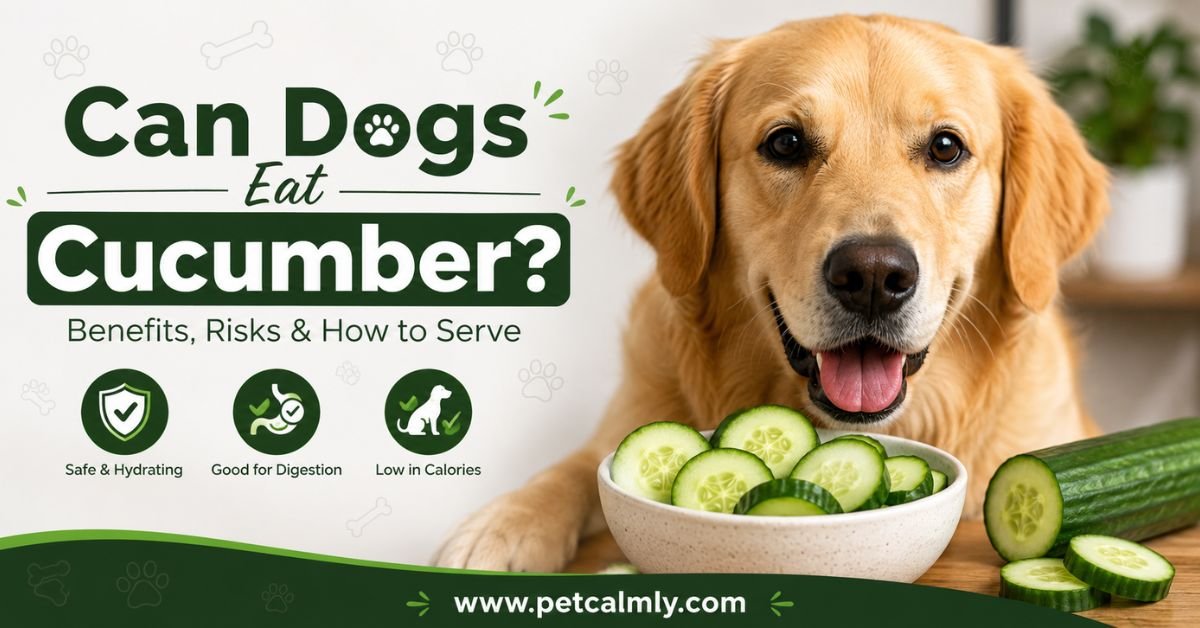
Vegetables add crunch and fiber with few calories. Many dogs enjoy carrots, green beans, cucumber slices, cooked sweet potato (no butter or sugar), and plain canned pumpkin. Check that the pumpkin is not pie filling, which contains sugar and spices. Cut raw vegetables into small pieces, because a large carrot chunk can be a choking risk for a gulper.
Fruit is sweet, so keep portions small. Good options include blueberries, seedless watermelon, apple slices without the core or seeds, strawberries, and banana. Remove rinds, pits, and seeds first. Grapes and raisins are never safe, and we cover them below.
Quick Reference Table of Safe Foods
Use this table as a starting point, not a feeding plan.
| Food | Why dogs like it | How to serve | Watch out for |
|---|---|---|---|
| Cooked chicken | Savory, meaty smell | Plain, shredded or diced | Skin, bones, seasoning |
| Cooked salmon | Strong aroma, rich flavor | Plain and boneless | Raw fish, small bones |
| Cooked egg | Soft texture, mild taste | Fully cooked, plain | Added oil, salt, butter |
| Carrot | Crunchy, slightly sweet | Small sticks or slices | Choking on big chunks |
| Blueberries | Sweet and bite-sized | A few as treats | Too many can upset the stomach |
| Plain pumpkin | Soft and mildly sweet | A spoonful over meals | Pie filling with sugar or spice |
| Watermelon | Juicy and cool | Seedless chunks, no rind | Seeds and rind |
What Does a Dog Like to Eat Besides Kibble?
Owners often ask, ‘What does a dog like to eat besides kibble?’ The good news is that a few kitchen staples are safe in small amounts. Still, extras should stay modest.
Plain cooked rice and boiled chicken make a popular mix, especially when a dog has a mild upset stomach. Plain, unsalted popcorn without butter works as an occasional crunchy snack. Cooked, unseasoned oats are another gentle option. In each case, skip salt, oil, sauces, and spices. Dogs do not need them, and some can cause problems.
Peanut butter is a famous favorite. Choose an unsalted version and check the label for xylitol, a sweetener that is dangerous to dogs. Plain yogurt is another choice for dogs that tolerate dairy. However, many dogs are lactose intolerant, so start with a tiny spoonful and watch for loose stools or gas. Small bits of plain cheese also work for training, but cheese is rich, so keep the pieces tiny.
If your dog seems bored with the same bowl, you can freshen things up without changing the whole diet:
- Add a spoonful of plain canned pumpkin or cooked vegetables on top.
- Stir in a little warm water, or a low-sodium broth made for pets with no onion or garlic.
- Mix in a few shredded pieces of plain cooked chicken.
- Freeze blueberries or plain yogurt for a summer treat.
- Serve part of the daily kibble in a puzzle toy or snuffle mat.
The last tip is more powerful than it sounds. Hunting for food satisfies a dog’s instinct to forage, so mealtime becomes more fun without extra calories.
The 10 Percent Rule for Treats
A common guideline from veterinary sources is to keep treats and extras to about 10 percent of your dog’s daily calories. The other 90 percent should come from a complete and balanced dog food. This keeps nutrition on track and helps prevent weight gain. Your vet can help you work out the right amount for your dog’s size and activity level.
Foods Your Dog Might Like to Eat but Should Never Have
Knowing what dogs enjoy is only half the job. The other half is knowing which foods hurt them. Some of the most tempting human foods are the most dangerous.
- Chocolate and cocoa: Contain theobromine, which dogs process slowly. Dark chocolate is the most dangerous.
- Grapes and raisins: Can cause sudden kidney problems, even in small amounts.
- Onions, garlic, leeks, and chives: Can damage red blood cells. This includes cooked foods and powders.
- Xylitol: An artificial sweetener in some gum, candy, baked goods, and peanut butter. It can cause a dangerous drop in blood sugar and liver damage.
- Macadamia nuts: Can cause weakness, tremors, and vomiting.
- Alcohol and raw yeast dough: Both are dangerous and need emergency attention.
- Caffeine: Found in coffee, tea, and energy drinks.
Risky Foods That Cause Trouble
Some foods are not poisonous, but they still cause problems. Cooked bones can splinter and injure the mouth or gut. Fatty trimmings, bacon, and greasy leftovers may trigger pancreatitis, a painful inflammation of the pancreas. Corn cobs and peach pits can block the intestines. Very salty snacks can upset the stomach. Avocado is also best avoided, because the pit is a choking and blockage risk and parts of the plant contain a compound called persin.
What to Do If Your Dog Eats Something Dangerous
Stay calm and act quickly. First, take the food away and note what your dog ate, how much, and when. Next, call your vet, an emergency clinic, or a pet poison hotline such as the ASPCA Animal Poison Control Center. Do not try to make your dog vomit unless a professional tells you to. In some cases, vomiting can make things worse.
Do not wait for symptoms. With some toxins, signs appear hours later, and early treatment works best.
What Does a Dog Like to Eat at Different Ages?
Ask ‘what does a dog like to eat’ at three different ages and you will get three different answers. Age changes both appetite and needs.
Puppies have tiny teeth and fast-growing bodies. Most prefer soft food, or kibble softened with warm water. They also need a diet labeled for growth, because puppy nutrition differs from adult nutrition. Large-breed puppies need special formulas so they do not grow too fast. Keep extras very small, since treats can fill a puppy’s tiny stomach quickly. Puppies also explore the world with their mouths, so they may chew almost anything. That is normal curiosity, and it is a good reason to puppy-proof your home.
Adult dogs usually do well with two meals a day. Many enjoy a steady routine with an occasional new topper. Active dogs may thrive on protein-rich meals, while calmer dogs may need fewer calories. Adult dogs also love puzzle feeders, scent games, and training treats, because these tap into natural drives.
Senior dogs often lose some sense of smell and taste. Dental pain can also make crunchy food unpleasant. Therefore, many seniors do better with warmed food, softer textures, or a little added water. If your senior dog suddenly stops eating, do not assume it is just old age. Appetite loss in older dogs can point to dental disease, kidney trouble, or other health issues, so a vet visit is wise.
Taste Test: What Does a Dog Like to Eat in Your Home?
Instead of wondering ‘what does a dog like to eat’ in general, test your own dog. A calm, simple taste test shows you a lot.
- Pick two or three safe foods. For example, plain chicken, a blueberry, and a carrot stick.
- Offer one at a time. Use tiny portions, about the size of a pea for small dogs and a thumbnail for larger ones.
- Wait a day between new foods. This helps you spot which food caused any stomach upset.
- Note the reaction. Did your dog sniff, lick, gobble, or walk away?
- Keep a short list. A note on your phone is enough: food, amount, reaction, and stools.
- Repeat later. Dogs sometimes refuse a food once, then love it a week later.
If your dog has a medical condition, a food allergy, or a sensitive stomach, ask your vet before trying anything new.
How to Read Your Dog’s Body Language
A dog that likes a food usually shows it. Look for a relaxed body, a soft tail wag, and quick, eager chewing. A dog that dislikes something may sniff and walk away, drop the food, or take it and spit it out. Some dogs lick their lips or turn their heads, which can signal worry or nausea rather than dislike.
Context matters too. A dog that refuses everything, including favorite treats, may not be picky at all. It may feel unwell, stressed, or in pain.
How to Switch Foods Without Upsetting Your Dog’s Stomach
If you decide to change your dog’s main food, go slowly. Mix a little of the new food into the old, then increase the amount over a week or more. Fast changes often cause diarrhea or vomiting.
Why Does My Dog Not Like to Eat Its Food?
A picky eater makes ‘what does a dog like to eat’ feel like a puzzle. It can also feel scary, because many owners worry their dog is not eating enough. Before you panic, think about the usual causes:
- Too many treats and scraps. A dog that fills up on extras may skip meals.
- Boredom with the same texture. Some dogs want variety in shape or moisture.
- Stress or changes at home. Moving, new pets, travel, or loud noise can lower appetite.
- Dental discomfort. Chewing may hurt.
- Heat and low activity. Hot weather and less exercise can reduce hunger.
- Learned behavior. If refusing dinner leads to chicken from your plate, a dog quickly learns the pattern.
Mistakes That Make Pickiness Worse
Most owners mean well, but a few habits backfire.
- Switching foods constantly. Dogs can learn that holding out brings something better.
- Free feeding. Leaving food out all day removes the sense of mealtime.
- Adding too many toppers. Dogs may refuse plain food altogether.
- Hand feeding at every meal. It can turn eating into a game.
- Ignoring early signs of illness. Sudden pickiness in a dog that normally eats well deserves attention.
A calmer approach often works. Offer meals at set times, pick up the bowl after about 15 to 20 minutes, and keep treats limited. Stay relaxed. Dogs read your mood, and a worried owner can make mealtime feel tense.
When to Worry If Your Dog Does Not Like to Eat
Most food quirks are harmless. However, some signs mean it is time to call a professional. Puppies, toy breeds, seniors, and dogs with existing health conditions can get sick faster, so do not wait as long with them.
Call Your Vet Promptly If You See
- Your dog refuses food for more than a day, or a puppy or small dog skips meals
- Repeated vomiting or diarrhea
- Blood in vomit or stool
- A swollen or painful belly
- Extreme tiredness or weakness
- Trouble swallowing, heavy drooling, or pawing at the mouth
- Rapid weight loss or sudden weight gain
- Increased thirst along with an appetite change
Usually Safe to Monitor at Home
A single missed meal in an otherwise happy, active dog is often nothing serious. The same goes for one mild, loose stool after a new treat. In these cases, go back to the regular diet, offer fresh water, and watch closely. If things do not improve within a day or so, call your vet.
Emergency Situations
Seek urgent care right away if your dog collapses, has trouble breathing, has a hard, bloated belly, retches without producing anything, or may have eaten a known toxin. Large, deep-chested breeds can be at risk of a life-threatening condition called bloat, so do not delay if you notice these signs.
What Should Pet Owners Do Next?
Now that you have a clear answer to ‘what does a dog like to eat,’ here is a short checklist to put it into action.
- Confirm your dog’s main food is labeled complete and balanced for its life stage.
- Check your treat intake and keep extras to roughly 10 percent of daily calories.
- Choose two or three safe foods from this guide and try them one at a time.
- Read labels for xylitol, onion, garlic, and added salt or sugar.
- Save your vet’s number and a pet poison hotline in your phone.
- Keep a short food diary for a week to spot patterns.
- Store grapes, chocolate, and other dangerous foods where your dog cannot reach them.
- Book a vet visit if your dog’s appetite, weight, or stool changes for no clear reason.
Small habits protect your dog more than any single recipe. Consistency, observation, and a little patience go a long way.
Frequently Asked Questions
1: What does a dog like to eat the most?
There is no single answer, because each dog has its own taste. Most dogs enjoy savory, meaty foods such as chicken, beef, and fish. Many also love xylitol-free peanut butter, small bits of cheese, and crunchy treats. Try a few safe options and watch your dog’s reaction.
2: Do dogs get bored of eating the same food every day?
Some do, but many dogs are happy with a steady diet. Dogs often do well on consistency, and their digestive systems usually prefer it. If your dog seems bored, try a safe topper, a puzzle feeder, or a different texture before you switch the whole diet.
3: Which human foods does a dog like to eat safely?
Plain cooked chicken, turkey, eggs, carrots, green beans, plain pumpkin, blueberries, and seedless watermelon are common safe choices. Serve them plain, in small portions, and without salt, oil, onion, or garlic. Check with your vet first if your dog has a health condition.
4: Can dogs eat fruits and vegetables?
Yes, many can. Carrots, green beans, cucumbers, apples without seeds, and blueberries are popular choices. Cut food into small pieces, introduce one item at a time, and avoid grapes and raisins completely.
5: What should I do if my dog stops eating food it usually likes?
Start by checking the basics, such as stress, heat, or recent treats. If your dog skips meals for more than a day, seems tired, vomits, or has diarrhea, call your vet. Sudden appetite loss can signal pain or illness, and it is best checked early.
6: How many treats can my dog have each day?
A common guideline is that treats and extras should make up about 10 percent of daily calories. Small dogs reach that limit fast, so choose tiny, low-calorie treats. Your vet can help you set a number that fits your dog.
More Information About Pets, Please Visit Our Website: Can Dogs Have Peanut Butter Every Day?
Can I Feed My Dog Meat Everyday?
Best Protein Food for Dogs
Can Dogs Eat Rice Every Day?
What Human Food Can Dogs Eat Safely?
Why Is My Dog Drinking Too Much Water?
Why Is My Dog Not Eating But Acting Normal?
Conclusion
So, what does a dog like to eat? Mostly savory, meaty foods, along with a handful of crunchy vegetables and sweet fruits. But the real answer is personal. Your dog’s nose, age, texture preference, and daily habits all shape what feels like a treat.
The best approach is simple. Build meals around a complete and balanced dog food. Add safe extras in small amounts. Avoid the dangerous foods listed above. Then pay attention to how your dog responds. Appetite is one of the clearest windows into a dog’s health, so changes deserve a second look.