Short direct answer
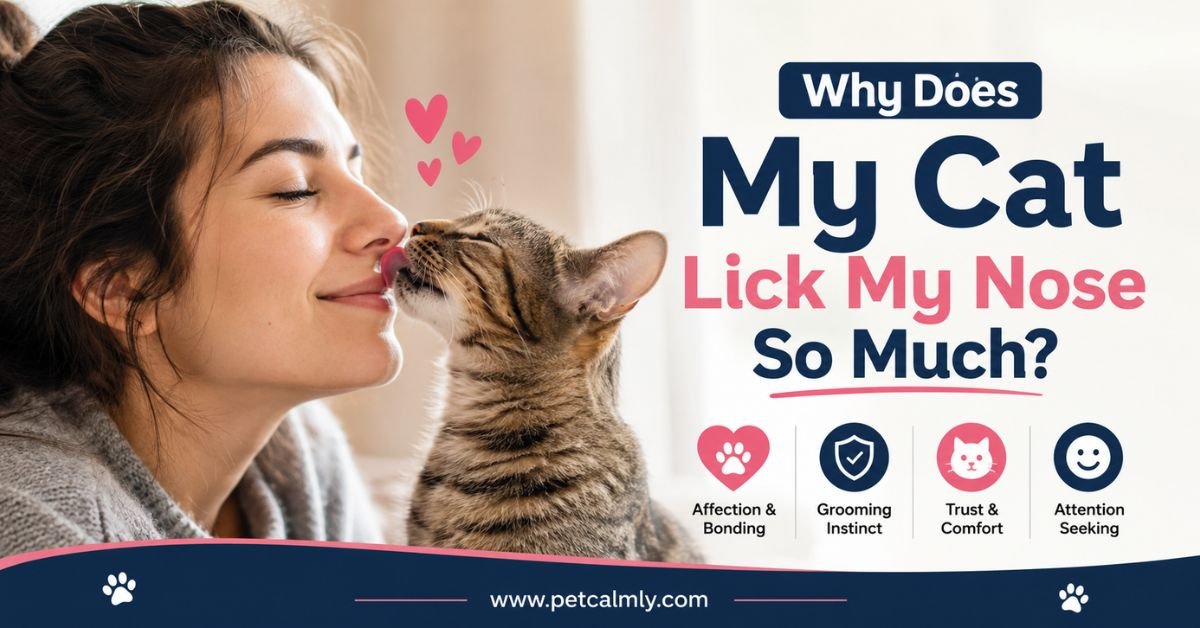
Your cat licks your nose so much because it’s a sign of affection and bonding, mimicking how mother cats groom their kittens. Cats also do this to mark you with their scent, enjoy the salty taste of your skin, or seek attention. This behavior shows trust, but if it’s excessive, it might indicate stress or health issues.
Why Understanding Your Cat’s Licking Matters
As a cat owner in the USA, you’ve likely felt that rough tongue on your nose during cuddle time. It’s cute, but it can puzzle you is it normal, or something more? Knowing the reasons helps strengthen your bond and spot potential problems early. Cats communicate through actions like this, so decoding it keeps your furry friend happy and healthy.
Common Reasons Why Your Cat Licks Your Nose
Cats have unique ways of showing feelings, and nose-licking is one of them. Below, we break down the main causes with real examples from everyday pet life.
It’s a Sign of Affection
Your cat sees you as family. Mother cats lick kittens to show love, and adult cats carry this over to humans they trust. If your cat curls up on your chest and starts licking your nose, it’s like saying, “You’re mine, and I care about you.”
For instance, many owners notice this after playtime or when relaxing on the couch. It’s common in multi-cat homes too, where cats groom each other similarly.
Grooming and Social Bonding
Licking helps cats bond. In the wild, cats in groups groom one another to build relationships. When your cat licks your nose, it’s including you in its “pack.”
Picture this: You’re watching TV, and your cat jumps up, sniffs your face, then licks. This isn’t random it’s a grooming ritual that reinforces your connection. Kittens especially do this, learning from their moms.
Marking You with Their Scent
Cats have scent glands in their mouths. Licking your nose mixes their smell with yours, claiming you as territory. This makes them feel secure.
If your cat rubs its cheek on you first, then licks, it’s scent-marking. Owners often see this in homes with other pets, where the cat wants to “own” you amid competition.
They Like the Taste
Human skin is salty from sweat, and cats crave that. Your nose, with its oils and pores, might taste appealing after a workout or meal.
One owner shared: “My cat always licks my nose after I eat chips it’s the salt!” This is harmless unless it leads to over-licking.
Seeking Attention or Interaction
Cats lick to get your focus. If licking leads to pets or treats, they’ll repeat it.
For example, if your cat licks your nose at mealtime, it might mean “Feed me!” Busy USA pet parents notice this during work-from-home days, when cats want play.
Comfort and Stress Relief
Licking soothes cats, like thumb-sucking for kids. If stressed from loud noises or changes they might lick your nose for comfort.
In apartments with fireworks or new babies, cats turn to this. It’s self-calming, but watch for other signs like hiding.
Exploring Scents with Jacobson’s Organ
Cats use a special organ in their mouth to analyze smells. Licking your nose helps them “taste” your scent deeply.
After you come home from outside, your cat might lick to check where you’ve been. This curiosity-driven behavior is common in indoor cats.
Instinct from Kittenhood
Kittens lick noses because it’s how they nursed and bonded early on. Even as adults, this lingers.
A rescued kitten might do this more, seeking the security it missed. Owners report it decreases as cats mature but never fully stops.
Playfulness or Overstimulation
Sometimes, it’s playful. During zoomies, a cat might lick then nip your nose lightly.
If petting sessions end with licks, it could mean “Enough!” a gentle warning. This mix of lick-bite is affectionate but signals boundaries.
Medical or Behavioral Issues
Rarely, excessive licking ties to health problems like allergies or anxiety. If your cat licks obsessively, it might itch or feel uneasy.
For instance, dental pain could make them lick more. Always check with a vet if it changes suddenly.
When Should You Be Concerned?
Most nose-licking is normal, but watch for red flags. If your cat licks so much it causes raw skin or seems compulsive, it could signal trouble.
Signs include: Licking only at night, combined with pacing or meowing; sudden increase after a move or vet visit; or if they over-groom themselves too. In the USA, common stressors like travel or holidays can trigger this.
Health concerns: Allergies to food or environment might make them lick more for relief. Dental issues or skin conditions could also play a role. If licking comes with vomiting, weight loss, or aggression, see a vet pronto better safe than sorry.
What Should Pet Owners Do?
You’re in control as a caring owner. Start by observing: Note when and how often the licking happens. Is it after meals? During stress?
Simple tips:
- Respond positively: Gentle pets reinforce the bond without encouraging excess.
- Provide alternatives: Toys or scratching posts distract from over-licking.
- Enrich their space: USA homes benefit from window perches or puzzle feeders to reduce boredom.
- Check diet: Ensure balanced food; salt cravings might mean nutritional gaps.
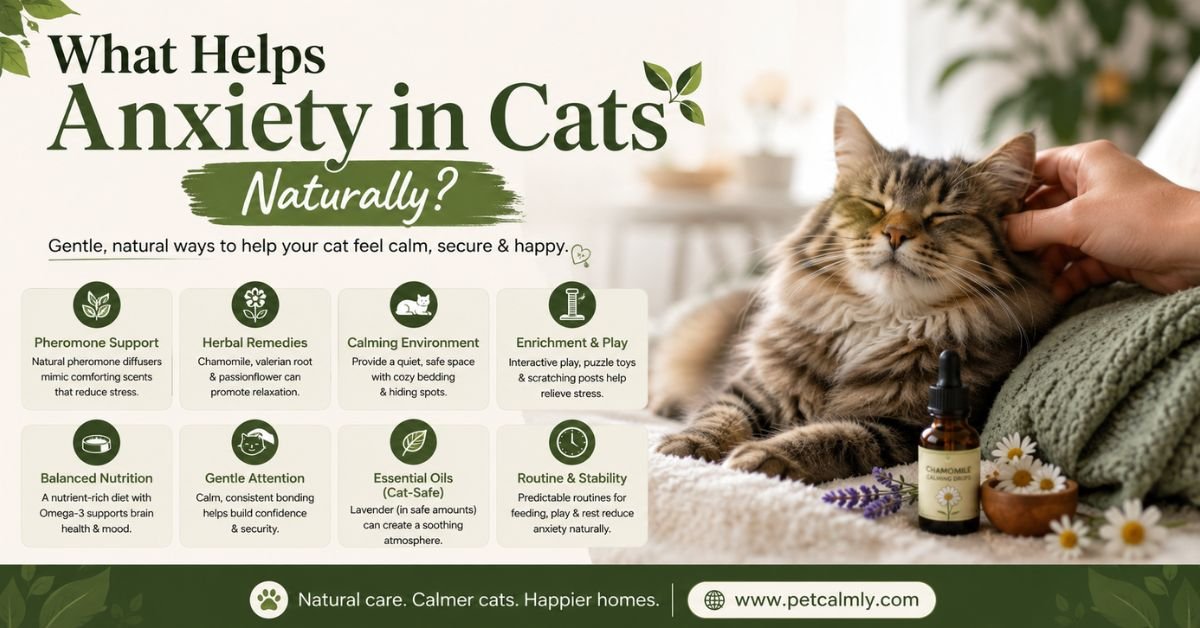
- Manage stress: Use pheromone diffusers like Feliway for calm.
- Vet check-up: Annual exams catch issues early. If excessive, describe behaviors to your vet.
If it’s too much, train gently: Move away calmly without punishment. Consistency helps.
More Information About Pets, Please Visit Our Website: Do Cats Need More Food in Winter
What Are the Signs of Dehydration in Cats?
Conclusion
Your cat’s nose licks are mostly a sweet sign of trust and affection a quirky way they say you’re family. By understanding the reasons, you deepen your bond and keep things healthy. If anything seems off, a quick vet chat ensures peace of mind. Enjoy those sandpaper kisses; they’re what make cat ownership special.
Frequently Asked Questions
1: Why does my cat lick my face in the morning?
Cats often lick faces at dawn to wake you for food or play, tying into their natural hunting instincts. It’s attention-seeking; try an auto-feeder to curb it without ignoring their needs.
2: Is it okay if my cat licks my nose after eating?
Yes, but rinse your face if they’ve eaten something you’re allergic to. Their saliva is generally safe, though wash up to avoid minor irritations like acne from bacteria.
3: Why does my cat bite my nose gently while licking?
This “love bite” mixes affection with play or overstimulation. It shows trust but signals to ease up on petting. If it hurts, redirect to a toy.
4: How can I stop my cat from licking my nose excessively?
Observe triggers, then distract with play or treats. If it’s anxiety-driven, add routine and enrichment. Consult a vet to rule out medical causes first.
5: Why does my kitten lick my nose more than my adult cat?
Kittens mimic mom’s grooming for comfort and bonding, especially if separated early. As they grow, it often lessens, but provide lots of interaction to help them adjust.
6: What if my cat licks my nose and then sneezes?
Sneezing after licking might mean they’re reacting to your scent or dust on your skin. It’s usually harmless, but if frequent, check for allergies in your cat.