Short direct answer
The best cat food for indoor cats with sensitive stomachs includes Hill’s Science Diet Sensitive Stomach and Skin Adult Salmon and Yellow Peas Recipe for its prebiotic fiber that supports gentle digestion and balanced calories to prevent weight gain. Other excellent options are Blue Buffalo Tastefuls Sensitive Stomach Chicken & Brown Rice, Purina Pro Plan Sensitive Skin & Stomach, Royal Canin Digestive Care, and Tiki Cat Luau Wild Salmon for limited-ingredient wet food.
As a pet owner, you know how heartbreaking it is to see your indoor cat struggle with tummy troubles like vomiting or diarrhea. Choosing the right food can make all the difference, helping them feel comfortable while supporting their lower activity levels and reducing hairball issues common in house cats.
Understanding Sensitive Stomachs in Indoor Cats
Indoor cats often face unique digestive challenges. Less exercise means they can gain weight easily, putting extra stress on their gut. Common causes include food intolerances to ingredients like grains or dairy, allergies to proteins such as beef or chicken, and even stress from a quiet home environment.
Signs to watch for include frequent vomiting after meals, loose stools, excessive gas, or loss of appetite. For example, if your cat throws up undigested food shortly after eating, it might signal a fast-eating habit or ingredient sensitivity.
Real-life example: Many USA cat owners report their indoor pets developing sensitivities after switching to cheaper kibble with fillers, leading to chronic discomfort until they opt for specialized formulas.
Common Causes and Behaviors
Sensitive stomachs can stem from dietary changes, like introducing new treats too quickly. Indoor cats groom more, swallowing hair that irritates the gut without enough fiber.
Behaviors like hiding after meals or reduced playtime often indicate pain. Parasites or underlying issues like IBD (inflammatory bowel disease) can mimic sensitivities, so rule them out with a vet visit.
Why Special Food Matters for Indoor Cats
Indoor cats need food that’s easy on the tummy but also controls calories to avoid obesity. Sensitive stomach formulas add prebiotics and fibers to promote healthy gut bacteria, reducing inflammation and aiding nutrient absorption.
Without proper nutrition, your cat might face ongoing issues, affecting their energy and coat health. Trustworthy brands use vet-backed research to create these diets, ensuring they’re complete for daily feeding.
Key Features to Look For in Cat Food
Choose foods with high-quality, digestible proteins like salmon or turkey as the first ingredient. Prebiotics (like inulin) and probiotics support gut flora balance.
Look for moderate fat levels (around 10-15%) to suit indoor lifestyles, plus added fiber for hairball control. Grain-free options help if grains trigger issues, but not all cats need them.
Ingredients to Seek
- Omega-3 fatty acids from fish oil to reduce gut inflammation.
- Easily digestible carbs like peas or rice for steady energy without upset.
- Antioxidants like vitamins E and C for overall immune support.
Ingredients to Avoid
Steer clear of artificial colors, preservatives, or fillers like corn and soy, which can worsen sensitivities. Common allergens include beef, dairy, and wheat opt for novel proteins if needed.
Top Recommended Cat Foods
Here’s a comparison of our top picks, based on vet recommendations and user feedback. These are suitable for indoor cats, offering digestive support without excess calories.
| Food Name | Type | Key Features | Why for Indoor Sensitive Cats |
|---|---|---|---|
| Hill’s Science Diet Sensitive Stomach and Skin Adult Salmon and Yellow Peas Recipe | Dry | Prebiotic fiber, grain-free, omega-3s from salmon | Balanced for weight control, eases digestion with peas; great for hairball-prone indoor cats. |
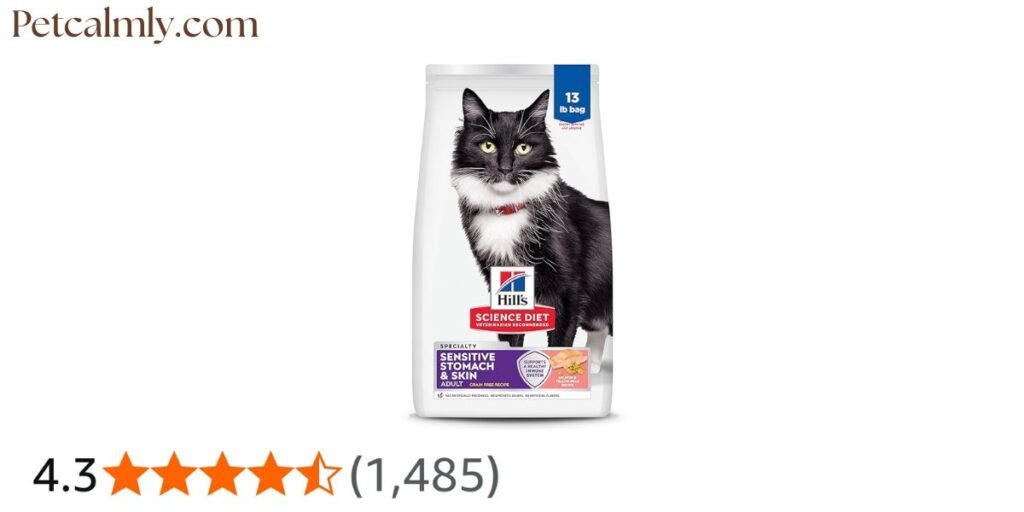
Hill’s Science Diet Sensitive Stomach & Skin, Adult 1-6, Stomach & Skin Sensitivity Support, Dry Cat Food, Grain Free Salmon & Yellow Peas, 13 lb Bag : Amazon.ca: Pet Supplies
| Blue Buffalo Tastefuls Sensitive Stomach Chicken & Brown Rice | Dry | Deboned chicken, fructooligosaccharides, LifeSource Bits antioxidants | Promotes healthy bacteria, moderate calories for inactive lifestyles; reduces vomiting in sensitive tummies.

Blue Tastefuls Chicken & Brown Rice Recipe Natural Sensitive Stomach Adult Dry Cat Food Bag (3 lb) | Delivery Near Me – Doordash
| Purina Pro Plan Sensitive Skin & Stomach | Dry/Wet | Probiotics, easy-digest rice/oatmeal, omega-6 fatty acids | Vet-recommended for gut balance; low-fat options suit indoor cats, improving skin and stool quality. | | Royal Canin Digestive Care Thin Slices in Gravy | Wet | Insoluble fiber, highly digestible proteins, omega-3s | Hydrating for better digestion, prevents constipation; ideal for indoor cats needing moisture to avoid urinary issues. | | Tiki Cat Luau Wild Salmon Recipe | Wet | Single-protein salmon, grain-free, high moisture | Limited ingredients minimize triggers; supports hydration and gentle digestion for less active cats.

These picks come from trusted sources like veterinarians and pet nutrition experts. Always check labels for AAFCO approval ensuring complete nutrition.
Transitioning to New Food Safely
Switch foods gradually over 7-10 days to avoid upset. Start with 25% new mixed with 75% old, increasing slowly.
Monitor your cat’s stool and energy. If issues persist, consult your vet they might suggest a prescription diet.
When Should You Be Concerned?
Be alert if symptoms like vomiting happen more than twice a week, or if there’s blood in stool/vomit. Weight loss, lethargy, or constant diarrhea signal serious issues like allergies or infections.
Indoor cats hiding more or refusing food need immediate vet attention. Early intervention prevents dehydration or malnutrition.
Real concern: If your cat’s tummy troubles last over 48 hours despite diet changes, it could indicate parasites or GI disease.
What Should Pet Owners Do?
- Consult your vet first to rule out medical causes.
- Pick a food matching your cat’s age and needs start with samples.
- Feed small, frequent meals to ease digestion.
- Add probiotics if recommended, like those in yogurt (vet-approved amounts).
- Keep fresh water available; consider a fountain for picky drinkers.
- Track symptoms in a journal to spot patterns.
Simple tips: Avoid table scraps, and clean bowls daily to prevent bacteria.
More Information About Pets, Please Visit Our Website: Why Does My Cat Run Away From Me When I Walk By: Vet Insights
How Long Do Cats Mourn the Loss of Another Cat? (2026 Guide)
Conclusion
Choosing the best cat food for indoor cats with sensitive stomachs means prioritizing gentle, nutrient-rich options that support digestion and fit their lifestyle. With picks like Hill’s or Blue Buffalo, your furry friend can enjoy meals without discomfort. Remember, every cat is unique work with your vet for the perfect fit, and watch them thrive happily at home.
FAQs
1: What causes sensitive stomachs in indoor cats?
Common triggers include food allergies to proteins like chicken, intolerances to grains, or stress from limited space. Grooming excess hair can also irritate the gut, leading to hairballs and upset.
2: Is wet or dry food better for cats with sensitive stomachs?
Wet food often works better due to higher moisture, aiding hydration and easier digestion. Dry food with prebiotics can suit some, but mix both for variety if your cat tolerates it.
3: How do I know if my cat has a food allergy?
Look for itching, ear infections, or chronic diarrhea beyond tummy issues. A vet elimination diet trial can confirm, often switching to novel proteins like salmon or duck.
4: Can raw food help cats with sensitive stomachs?
Yes, raw diets with high-quality proteins are easily digestible and free of fillers. Start slowly under vet guidance to avoid bacterial risks, especially for indoor cats.
5: What’s the difference between sensitive stomach and prescription cat food?
Sensitive stomach foods are over-the-counter with gentle ingredients. Prescription ones, like Hill’s i/d, treat medical conditions like IBD and require a vet’s approval.
6: How long does it take to see improvement after switching food?
Most cats show better digestion in 1-2 weeks, with firmer stools and less vomiting. If no change in a month, revisit your vet for adjustments.