Short direct answer
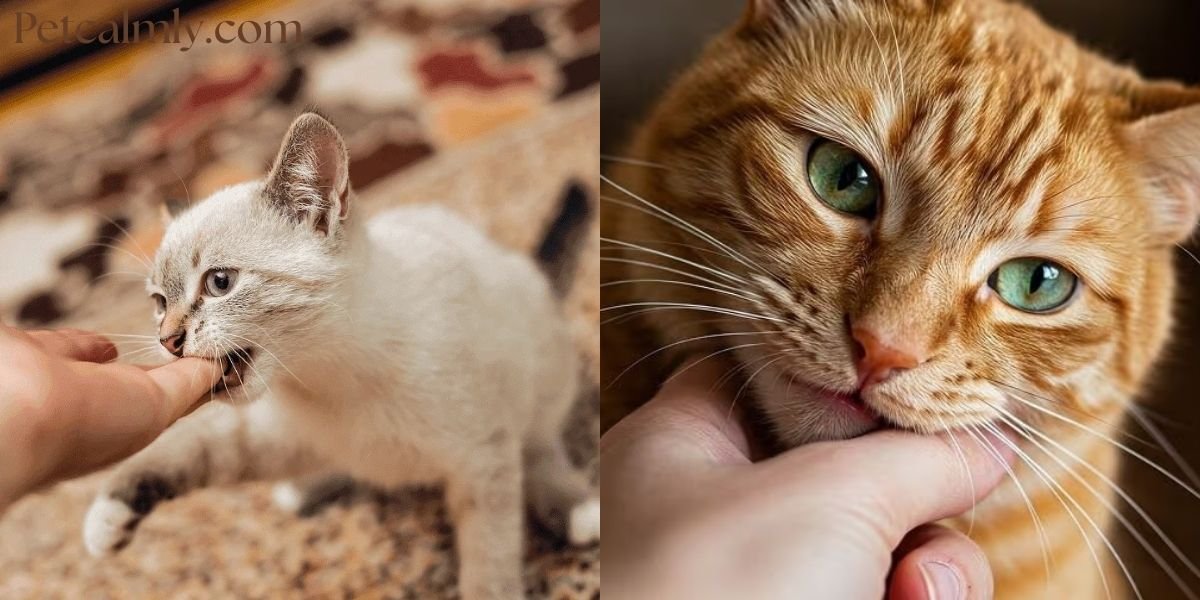
To stop your cat from biting when petting, watch for signs of overstimulation like tail swishing or ears flattening, and end the session early. Keep petting short aim for 3-5 strokes on the head or chin. Redirect their energy with a toy, and provide daily playtime to reduce frustration. If bites persist, consult a vet to rule out pain.
Cat biting during petting frustrates many pet owners and can strain your bond with your furry friend. It might lead to scratches or bites that hurt, especially for families with kids. Addressing this early keeps your home safe and helps your cat feel secure, turning tense moments into enjoyable cuddles.
Why Cats Bite During Petting ( 7 Reasons )
Cats bite for specific reasons tied to their instincts and experiences. Ignoring these can make the problem worse. Let’s break down the common causes with real examples.
1: Overstimulation: The Most Common Trigger
Overstimulation happens when petting feels good at first but then overwhelms your cat’s senses. Think of it like tickling a person too long it turns from fun to irritating.
For instance, your cat might purr happily while you stroke their back, then suddenly bite your hand after 10 seconds. Signs include skin rippling along the back, dilated pupils, or a tense body. This is common in adult cats who’ve had limited handling as kittens.
2: Play Aggression: Mistaking Hands for Toys
Kittens and young cats often bite during petting because they see your moving hand as prey. This stems from natural hunting instincts, especially if they were separated from littermates too early and missed learning bite inhibition.
Picture this: You’re petting your playful tabby, and they nip your fingers lightly at first, escalating if you keep going. Watch for pouncing posture or batting at your hand these are play signals, not anger.
3: Fear or Anxiety: A Defensive Response
If your cat feels threatened, they might bite to protect themselves. This could come from past trauma, loud noises, or even a new pet in the home stressing them out.
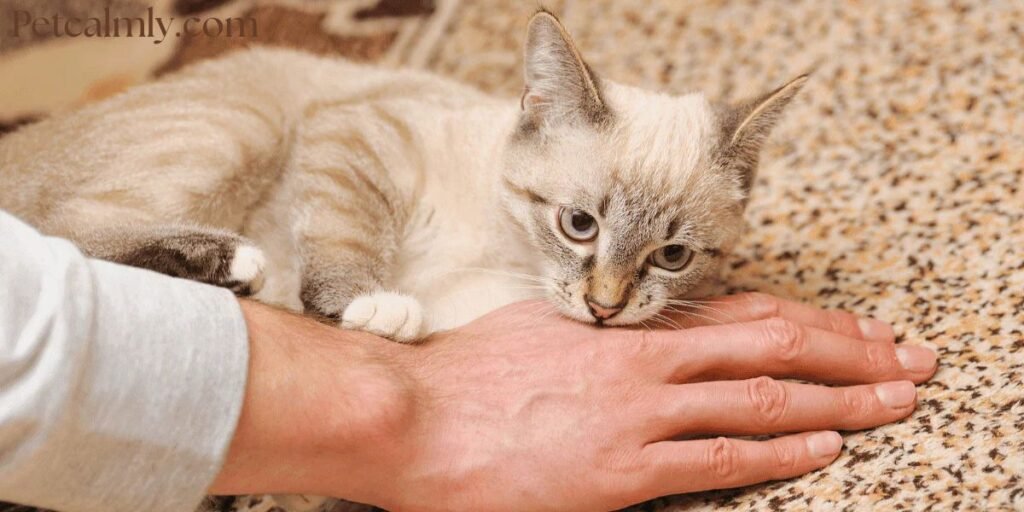
A real-life example: A rescue cat hides most of the day but bites when you try gentle petting. Ears pinned back, low growling, or wide eyes show fear. Changes like moving houses can trigger this in otherwise calm cats.
4: Pain or Medical Issues: Hidden Health Problems
Biting can signal discomfort from arthritis, dental pain, or skin conditions. Older cats or those with injuries might lash out when touched in sore spots.
Consider a senior cat who bites when you pet near their hips they could have joint pain. Look for limping, reduced grooming, or avoiding jumps. Always check with a vet if biting starts suddenly.
5: Teething in Kittens: A Temporary Phase
Kittens under 6 months bite to relieve teething discomfort, much like puppies. They explore the world with their mouths, and petting can prompt nips.
For example, your 4-month-old kitten chews your hand during belly rubs. Provide chew toys to redirect this it’s normal but needs guidance to prevent bad habits.
6: Attention-Seeking or Redirected Aggression
Some cats bite when petting stops, demanding more interaction. Others redirect frustration from outside stimuli, like seeing a bird through the window.
Imagine petting your cat by the window; they spot a squirrel and bite your arm instead. Signs include staring intently elsewhere before the bite. This is more common in indoor cats lacking stimulation.
7: Territorial Behavior: Protecting Their Space
In multi-cat homes, a cat might bite during petting if they feel their territory is invaded. This ties to scent marking and dominance.
A scenario: Your cat bites while on your lap if another pet approaches. Hissing or fur standing up accompanies this. Spaying/neutering often reduces such issues.
When Should You Be Concerned? About This
Not all bites are harmless some signal deeper problems needing professional help. Pay attention to severity and changes.
Be worried if bites draw blood, happen without warning, or increase in frequency. Sudden aggression in a usually calm cat might indicate pain, like from an abscess or thyroid issues. If your cat shows other signs like weight loss, excessive meowing, or hiding, see a vet right away.

For safety, especially with children or elderly family members, consult a behaviorist if home fixes don’t work. Early intervention prevents escalation and keeps everyone safe.
What Should Pet Owners Do? For this
You can manage and reduce biting with practical steps. Focus on prevention, positive reinforcement, and your cat’s needs. Here’s how to start.
Learn Your Cat’s Body Language
Observe signals before a bite: tail flicking side-to-side, ears rotating back, or pupils expanding. Stop petting immediately when you see these.
Practice by petting briefly and noting reactions. Over time, you’ll predict their limits, making interactions stress-free.
Keep Petting Sessions Short and Sweet
Limit to 3-5 strokes, focusing on safe zones like the cheeks, chin, or base of the ears. Avoid the belly or tail, as these often trigger bites.
Let your cat approach you first this “consent” reduces surprises. End on a positive note with a treat.
Redirect Energy with Play and Toys
When signs of irritation appear, toss a feather wand or laser pointer to shift focus. Daily 15-minute play sessions tire them out, curbing pent-up energy.
Choose interactive toys over hands to teach that fingers aren’t for biting. This works great for playful kittens.
Enrich Their Environment
Bored cats bite more, so add scratching posts, window perches, and puzzle feeders. These provide outlets for instincts without targeting you.
In multi-pet homes, ensure separate spaces to avoid territorial stress. Catnip toys can also distract during high-energy times.
Use Positive Reinforcement Training
Reward good behavior with treats or praise when your cat tolerates petting without biting. Ignore bad bites by walking away no yelling, as it scares them.
Clicker training helps: Click and treat for calm sessions. Consistency builds trust over weeks.
Consult Professionals When Needed
If tips don’t help, visit your vet to rule out health issues. A certified animal behaviorist can offer tailored plans, like desensitization for fearful cats.
In the USA, resources like the ASPCA or local shelters provide affordable advice. Don’t delay early help fixes most cases.
More Information About Pets, Please Visit Our Website: Best Cat Food for Indoor Cats with Sensitive Stomachs: 2026
Conclusion
Stopping your cat from biting during petting takes patience, observation, and love. By understanding causes like overstimulation or play, and using simple tips like short sessions and redirection, you’ll build a stronger bond. Remember, every cat is unique tailor approaches to yours. With time, you’ll enjoy bite-free cuddles and a happier home. If issues linger, seek vet guidance for peace of mind.
FAQs
1: Why does my cat bite me unprovoked?
Unprovoked bites often stem from redirected aggression, like frustration from an unseen stimulus. Watch for triggers like outdoor animals. Increase playtime and provide hiding spots to calm them.
2: How do I train my cat not to bite hands?
Redirect bites to toys immediately and withdraw attention for 1-2 minutes. Use treats to reward gentle play. Consistent training over 2-4 weeks teaches hands are off-limits.
3: Why does my cat bite when I pet her belly?
Belly petting exposes a vulnerable area, triggering defensive instincts. Stick to head scratches instead. If she rolls over, it’s often a trap respect her space to avoid nips.
4: Is kitten biting normal, and how do I stop it?
Yes, kittens bite while teething or playing. Offer chew toys and yelp “ouch” to mimic littermate reactions. Socialize them early with gentle handling to curb the habit.
5: What if my cat gets aggressive after petting?
This could be overstimulation buildup. Stop earlier next time and observe signs like tense muscles. Enrich their day with activities to prevent post-petting frustration.
6: When should I take my cat to the vet for biting?
Go if biting worsens, causes injury, or pairs with symptoms like lethargy or appetite changes. Vets can check for pain or illnesses like hyperthyroidism driving the behavior.