Short direct answer
Offer fresh vegetables to your bearded dragon every day. Babies (0-6 months) need them as 20-30% of their diet, juveniles (6-12 months) 50%, and adults (over 12 months) 75-80%. This daily routine provides essential nutrients, fiber, and hydration to support growth, prevent diseases, and maintain energy levels.
As a pet owner, getting your bearded dragon’s diet right is crucial. These lizards rely on veggies for vitamins and minerals that insects alone can’t provide. Poor feeding can lead to health problems like weak bones or obesity, shortening their 10-15 year lifespan. Stick around to learn how to make veggies a staple in their meals.
Bearded Dragon Dietary Needs
Bearded dragons are omnivores, but their veggie intake shifts with age. Young ones focus on protein for growth, while adults lean on plants for maintenance.
Feeding Schedule by Age
Babies under 6 months eat 2-3 times daily. Veggies should be 20-30% of meals, offered fresh each morning. They might ignore them at first, but keep providing to build habits.
Juveniles 6-12 months transition to once-daily feeding. Boost veggies to 50% of the diet. This helps them adjust as growth slows.
Adults over 12 months eat once a day. Veggies dominate at 75-80%, with insects 2-3 times weekly. Daily salads prevent overeating protein and support longevity.
Recommended Vegetables for Daily Feeding
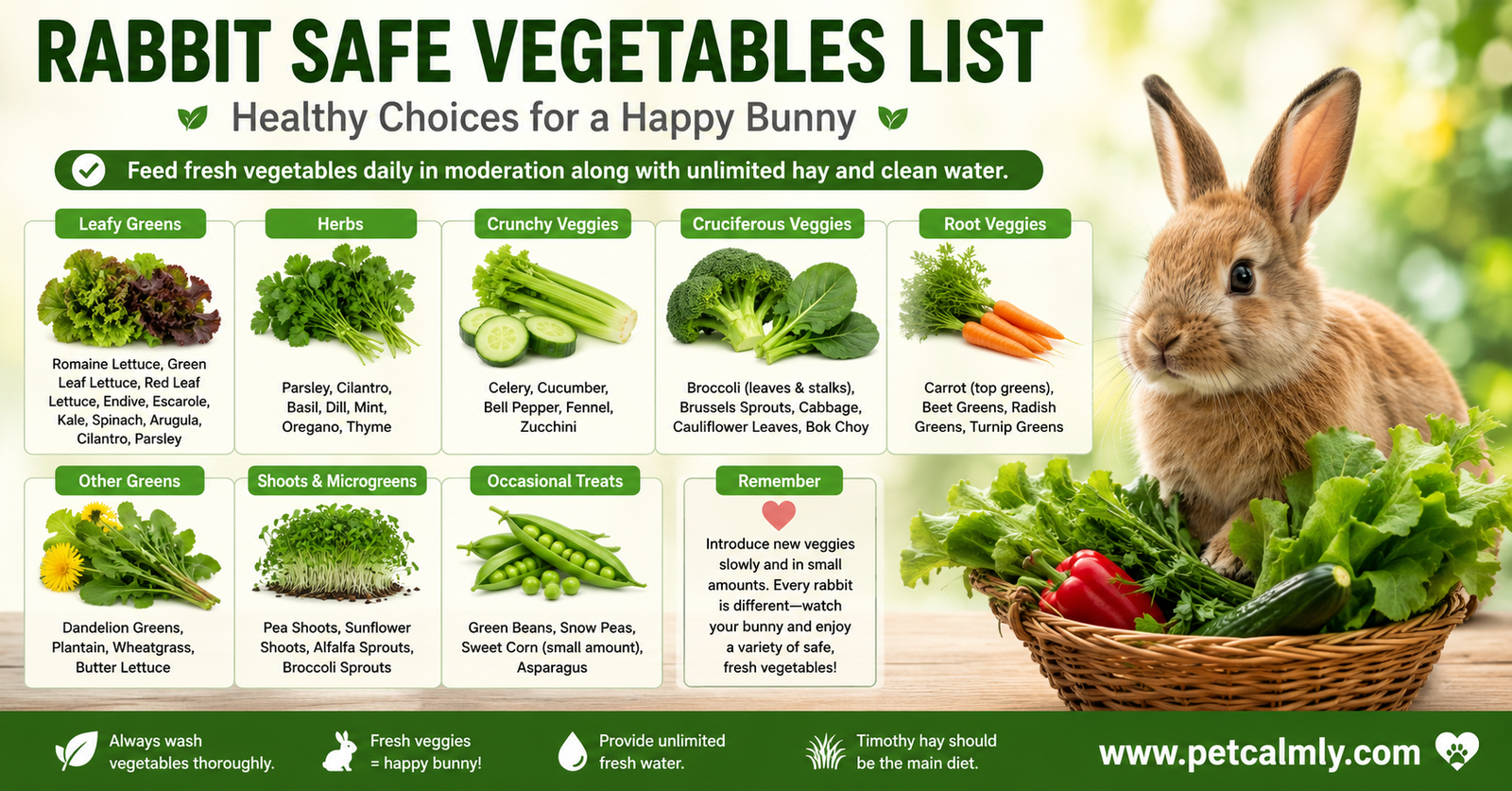
Choose nutrient-rich options with good calcium-to-phosphorus ratios. Staples include collard greens, mustard greens, turnip greens, dandelion greens, and kale (in moderation due to oxalates).
Add variety with squash, bell peppers, zucchini, carrots, and green beans. These provide vitamins A, C, and K for eye health, immunity, and bone strength.
For examples, a daily salad might mix collards, squash, and peppers. Rotate to avoid boredom and ensure balanced nutrition.
Vegetables to Limit or Avoid
Some veggies harm if overfed. Spinach and beet greens bind calcium, risking deficiencies offer once weekly.
Avoid iceberg lettuce; it’s mostly water with no nutrients. Skip avocados, rhubarb, and onions they’re toxic and can cause organ damage.
High-oxalate foods like kale work occasionally, but overuse leads to kidney issues in sensitive dragons.

How to Prepare and Serve Vegetables
Proper prep makes veggies appealing and safe. Wash thoroughly to remove pesticides. Organic is best if possible.
Chop into bite-sized pieces smaller for babies to prevent choking. Grate hard veggies like carrots for easier eating.
Serve in a shallow dish to mimic foraging. Leave for 30 minutes, then remove uneaten portions to avoid spoilage.
Dust salads with calcium powder 3-4 times weekly and multivitamins twice weekly. This combats deficiencies from captive diets.
Portion Sizes and Daily Routines
Portions depend on size. For a juvenile, offer a salad the size of their head. Adults need a handful or more.
Feed veggies first in the morning when they’re active. This encourages eating before insects.
Track intake if they leave most, reduce insects to spark interest in greens.
Common Mistakes in Feeding Vegetables
One big error is over-relying on insects, leading to picky eaters who ignore veggies. Limit bugs to schedule.
Another is not varying the menu. Same veggies daily cause refusal; rotate 4-5 types weekly.
Feeding too much fruit tempts them away from greens. Fruit is high-sugar; limit to 5-10% of diet.
Ignoring supplements is risky. Without calcium dusting, bones weaken over time.
Using dirty or wilted veggies spreads bacteria. Always fresh prep.

When Should You Be Concerned ?
Watch for malnutrition signs. A thin, bony tail indicates underfeeding or poor nutrient absorption.
Deflated head fat pads or lethargy suggest vitamin shortages. Sunken eyes point to dehydration, often from low-veggie diets.
Bowed legs or tremors signal metabolic bone disease from calcium deficiency.
Loss of appetite lasting days, weight loss, or dark urates warrant a vet visit. Early action prevents severe issues.
If your dragon refuses veggies for weeks, it could stem from stress, illness, or habitat problems like wrong temps.
What Should Pet Owners Do ?
Start with daily fresh salads. Mix staples like collards with colorful add-ins like peppers to attract them.
If they won’t eat, try hand-feeding or topping with a few insects to entice.
Maintain enclosure temps: 95-110°F basking, 80-90°F cool side. Proper UVB lighting aids digestion.
Weigh your dragon monthly to track health. Adjust portions if they’re gaining or losing too much.
Consult a reptile vet yearly for check-ups. They can test for parasites affecting appetite.
Stock up on greens weekly. Store washed and dried in paper towels in the fridge for freshness.
More Information About Pets, Please Visit Our Website: Petcalmly.com
Conclusion
Feeding your bearded dragon vegetables daily is essential for their well-being. It supports strong bones, vibrant colors, and active behavior. By following age-specific guidelines, varying options, and avoiding pitfalls, you’ll keep your pet thriving. Remember, consistent care turns these lizards into long-term companions aim for balance and watch them flourish.
(FAQs)
1: What vegetables can bearded dragons eat every day?
Collard greens, mustard greens, and dandelion greens are safe daily staples. They offer high calcium and low oxalates. Mix with squash or bell peppers for variety.
2: How much vegetables should I feed my bearded dragon?
Offer a salad equal to their body size daily. Babies need smaller portions, adults larger. Let them eat what they want in 30 minutes.
3: Can bearded dragons eat fruit every day?
No, limit fruit to 5-10% of the diet, offered 1-2 times weekly. Too much sugar causes obesity and dental issues.
4: What if my bearded dragon won’t eat vegetables?
Reduce insects and offer veggies first. Try enticing with worms on top or warmer temps. If persistent, check for health issues with a vet.
5: Do bearded dragons need supplements with vegetables?
Yes, dust salads with calcium 3-4 times weekly and multivitamins twice. This ensures they absorb nutrients properly in captivity.
6: How often do baby bearded dragons eat vegetables?
Babies should have veggies offered daily, even if they eat little. It builds habits for later life stages.