Short direct answer
Clean your rabbit’s cage daily with spot cleaning to remove soiled bedding, droppings, and uneaten food. Do a full deep clean once a week, including scrubbing and disinfecting all parts. This routine prevents health issues like infections and keeps odors low. Adjust based on your rabbit’s size, diet, and litter habits for best results about 40-60 words here to hit the mark.
Rabbits are sensitive pets that thrive in clean spaces, just like your home. A dirty cage can lead to stress, respiratory problems, or skin infections for your bunny. As a caring owner in the USA, regular cleaning shows love and prevents vet bills. Let’s dive into the details to help you keep your rabbit happy and healthy.
Why Regular Cage Cleaning Matters
Rabbits produce a lot of waste quickly poop, urine, and hay scraps build up fast. Without cleaning, bacteria grow, causing bad smells and health risks. Clean cages reduce fly strikes, where flies lay eggs on soiled fur, leading to painful infections.
It also supports your rabbit’s natural behaviors. Bunnies groom themselves often and dislike dirty areas, which can cause them to stop eating or become aggressive. Real pet owners notice happier, more active rabbits in fresh setups.
Daily vs. Weekly Cleaning: What’s the Difference?
Spot clean every day to maintain basics, and deep clean weekly for thorough hygiene. This balance fits busy USA lifestyles while prioritizing pet health.
Daily Spot Cleaning Tasks
Remove droppings and wet spots from bedding each morning or evening. Scoop out uneaten veggies or pellets to avoid mold. Change the litter box if your rabbit is trained many use corner trays for easy cleanup.
Check water bottles and food bowls for spills. Wipe them with a pet-safe cloth. This takes 10-15 minutes and stops small messes from becoming big problems.
Weekly Deep Cleaning Steps
Empty the entire cage on a set day, like Sunday. Scrub trays, bars, and toys with warm water and vinegar or a rabbit-safe disinfectant. Rinse well and dry completely to prevent rust or bacteria.
Replace all bedding with fresh hay or paper-based options. Inspect for wear replace chewed parts. This full reset keeps the cage like new.
Factors That Affect Cleaning Frequency
Not all rabbits are the same. Multiple bunnies in one cage mean more waste, so spot clean twice daily. Larger cages stay cleaner longer, but small hutches need extra attention.
Diet plays a role high-veggie meals create wetter waste, increasing urine smells. Litter-trained rabbits simplify things; untrained ones soil bedding faster. Outdoor cages face weather dirt, like rain or leaves, so check daily.
Health issues, like diarrhea from diet changes, demand immediate extra cleans. Monitor your rabbit’s habits some are messier due to age or breed, like larger Flemish Giants.
Signs Your Rabbit’s Cage Needs Immediate Cleaning
Look for strong ammonia smells from urine buildup it’s a red flag for poor air quality. Wet, matted bedding or scattered poop outside the litter area shows overflow.
Your rabbit might paw at the floor or avoid certain spots if it’s uncomfortable. Fur staining on paws or belly from sitting in waste is common in neglected cages. Flies buzzing around signal urgent action to avoid infestations.
Real examples: A USA owner shared on forums how ignoring wet hay led to their bunny’s foot sores. Catch these early for easy fixes.
Best Cleaning Supplies and Methods for Rabbit Cages
Use white vinegar mixed with water (1:1 ratio) for natural disinfecting it’s safe and cheap, available at any USA grocery store. Avoid bleach or harsh chemicals that irritate rabbit lungs.
Soft brushes, sponges, and trash bags make the job quick. For wire cages, a vacuum helps with hay dust. Always wear gloves to protect your hands.
Practical tip: Clean outdoors or in a bathtub to contain mess. Let everything air dry in sunlight for natural sterilization. Store supplies in a dedicated pet bin for convenience.
Common Mistakes Rabbit Owners Make with Cleaning
Over-cleaning strips natural scents, stressing your bunny stick to the schedule. Using scented cleaners masks odors but harms sensitive noses.
Forgetting to clean accessories like hideouts breeds hidden bacteria. Not drying properly causes mold. USA owners often skip spot checks during vacations, leading to returns with sick pets ask a sitter to handle it.
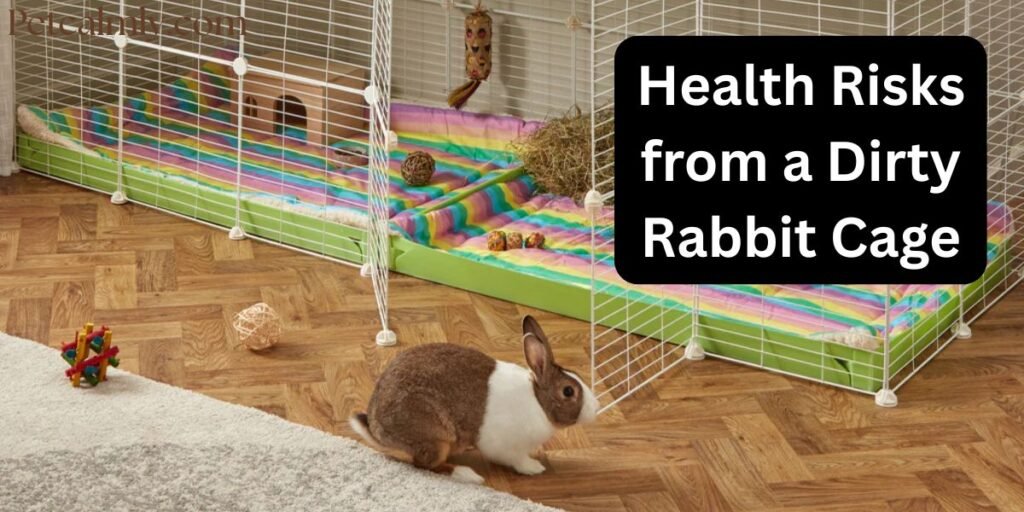
Health Risks from a Dirty Rabbit Cage
Ammonia from urine can cause respiratory infections, making your rabbit sneeze or wheeze. Bacterial growth leads to GI stasis, a life-threatening slowdown in digestion.
Parasites like mites thrive in filth, causing itchy skin. Wet conditions promote pododermatitis (sore hocks), painful foot ulcers common in caged rabbits. Prevention through cleaning saves on vet visits, which average $50-100 in the USA.
When Should You Be Concerned ???
Be alert if your rabbit shows lethargy, reduced appetite, or diarrhea these could stem from a dirty environment stressing their system. Sneezing, eye discharge, or fur loss points to infections from poor hygiene.
If odors persist despite cleaning, check for underlying issues like urinary tract problems. Contact a vet immediately if symptoms appear early action prevents escalation. USA rabbit owners should have an exotic vet on speed dial, as not all handle bunnies.
Unusual behaviors like excessive grooming or hiding signal discomfort from filth. Don’t wait; a concerned owner acts fast for their pet’s safety.
What Should Pet Owners Do ?
Start with a routine: Set phone reminders for daily spots and weekly deeps. Gather supplies ahead vinegar, brushes, fresh bedding.
Step 1: Remove your rabbit to a safe play area. Step 2: Scoop waste and discard old food. Step 3: Wipe surfaces, rinse, and dry. Step 4: Add new bedding and return your bunny.
Tips: Use hay racks to reduce floor mess. Train with treats for litter box use. Rotate toys to keep things fresh. If you’re new, join USA rabbit groups like the House Rabbit Society for support.
For tough stains, soak in vinegar overnight. Always prioritize your rabbit’s comfort during cleans—cover with a towel if they’re scared.
More Information About Pets, Please Visit Our Website: Petcalmly.com
Conclusion
Cleaning your rabbit’s cage daily and weekly is key to a healthy, odor-free home for your pet. It prevents diseases, supports natural behaviors, and builds trust between you and your bunny. As a responsible USA owner, this simple habit shows your care your rabbit will thank you with more hops and cuddles. Stay consistent, and enjoy a thriving companion.
Frequently Asked Questions
1: How do I choose the best bedding for my rabbit’s cage?
Opt for paper-based or aspen shavings they absorb urine well and are dust-free. Avoid pine or cedar, which irritate lungs. Change weekly to keep it fresh and comfortable.
2: What cleaners are safe for rabbit cages?
Use white vinegar diluted with water or unscented dish soap. These kill bacteria without toxins. Rinse thoroughly; natural options like baking soda help neutralize odors safely.
3: Can I clean my rabbit’s cage with bleach?
No, bleach is too harsh and can harm your rabbit’s respiratory system. Stick to pet-safe alternatives like vinegar. If needed, dilute mildly but rinse multiple times.
4: How to litter train a rabbit to reduce cage cleaning?
Place a tray with litter in their preferred corner, add droppings to scent it. Reward with treats for use. Most rabbits learn quickly, cutting daily messes in half.
5: What if my rabbit’s cage smells bad even after cleaning?
Check diet too many veggies cause strong urine. Improve ventilation or use odor-absorbing litter. If persistent, a vet visit rules out health issues like infections.
6: How often to replace rabbit cage accessories?
Inspect weekly; replace chewed or soiled toys monthly. Water bottles and bowls need daily wipes, full replacement if cracked. Fresh items keep your bunny engaged and safe.