
Short direct answer
For small dogs with digestive problems like vomiting, diarrhea, or gas, start with a 12-24 hour fast (water only), then switch to a bland diet of boiled chicken and white rice in small, frequent meals. Add plain canned pumpkin for fiber. Use probiotics if recommended. Always consult a vet first, especially for tiny breeds that dehydrate quickly seek immediate care if symptoms last over 24 hours, include blood, or show lethargy.
Small dogs, like Chihuahuas, Yorkies, or Pomeranians, often face more frequent tummy troubles than larger breeds. Their tiny systems react strongly to changes in food, treats, or even stress. Digestive issues can turn a playful pup into a miserable one fast, leading to dehydration or worse if ignored. As a pet parent, spotting and treating these problems early keeps your little companion happy and healthy.
Why Small Dogs Are Prone to Digestive Issues
Small breed dogs have faster metabolisms and smaller stomachs, making them sensitive to dietary shifts. They also tend to eat quickly or gulp air, causing gas and bloating. Breeds like Yorkshire Terriers, Miniature Poodles, and Maltese face higher risks for conditions like protein-losing enteropathy or portosystemic shunts, which affect digestion. Toy breeds swallow foreign objects more easily too think socks or toy pieces leading to blockages.
Stress hits small dogs hard. A new home, travel, or loud noises trigger “stress diarrhea.” Their immune systems handle infections differently, so parasites or bacteria cause bigger reactions.
Common Causes of Digestive Problems in Small Dogs
Many issues stem from simple mistakes. Dietary indiscretion tops the list your pup raids the trash or snatches table scraps. Sudden food changes irritate the gut lining.
Food allergies or sensitivities develop over time. Common culprits include chicken, beef, dairy, or grains, leading to chronic loose stools or vomiting.
Infections from bacteria (like Salmonella), viruses (parvovirus in unvaccinated pups), or parasites (Giardia, hookworms) spread easily in parks or multi-pet homes.
Pancreatitis flares up from fatty foods small dogs love rich treats but pay with painful inflammation.
Other triggers: toxins, medications, or underlying diseases like inflammatory bowel disease (IBD).
Signs Your Small Dog Has Digestive Problems
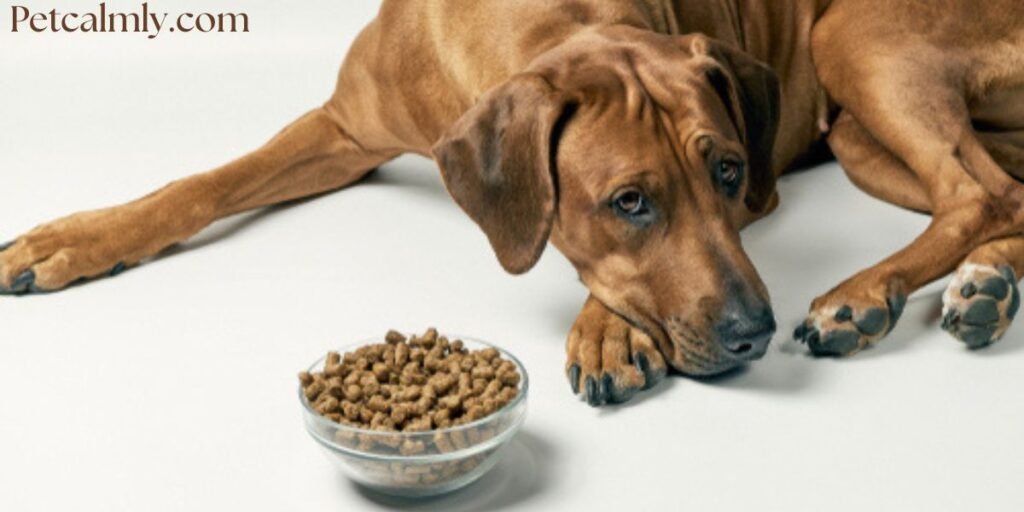
Watch for these red flags:
- Vomiting (undigested food, bile, or foam)
- Diarrhea (watery, bloody, or mucous-filled)
- Excessive gas or burping
- Loss of appetite or refusing meals
- Lethargy and hiding
- Abdominal pain (hunched posture, whining when touched)
- Weight loss over days/weeks
- Constipation (straining with no output)
In small dogs, symptoms escalate quickly. A day of loose stools might seem minor, but dehydration sets in fast due to their size.
Real-life example: Imagine little Bella, a 5-pound Yorkie, who scarfed holiday leftovers. She started vomiting yellow bile and had explosive diarrhea overnight. Her owner noticed sunken eyes and weakness classic dehydration signs in tiny pups.
When Should You Be Concerned? (Seek Vet Help Immediately)
Don’t wait if your small dog shows:
- Vomiting/diarrhea for more than 24 hours
- Blood in vomit or stool (bright red or dark/tarry)
- Severe lethargy or collapse
- No interest in water (dehydration risk high)
- Swollen or painful belly
- Fever or very low temperature
- Repeated unproductive retching (possible bloat, rare but serious)
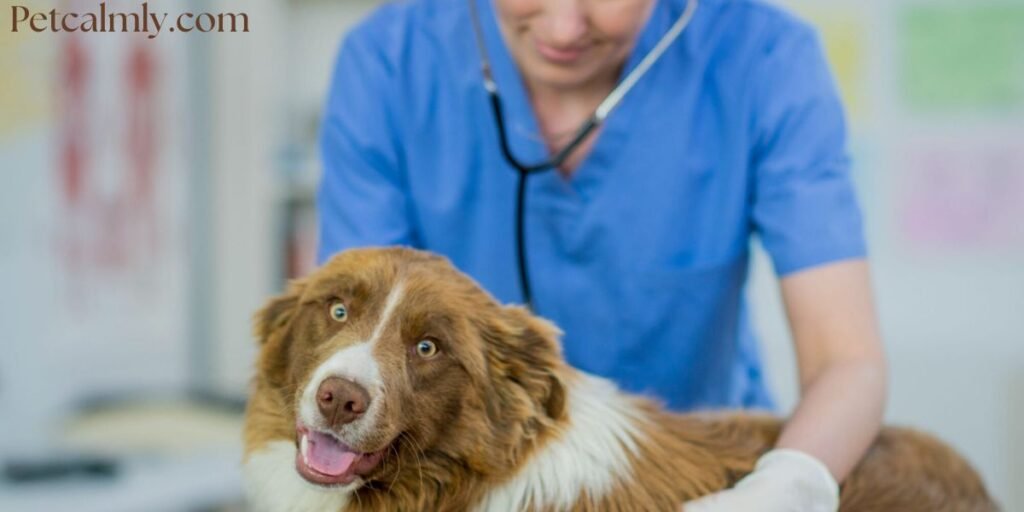
Puppies and seniors dehydrate fastest small breeds under 10 pounds need vet attention sooner. Better safe than sorry; a quick exam rules out serious issues like blockages or parvovirus.
What Should Pet Owners Do? Step-by-Step Action Plan
Act calmly and methodically.
Step 1: Assess and fast. Withhold food for 12 hours (max 24 for adults; shorter for tiny pups or puppies). Offer small sips of water or ice cubes to prevent dehydration. Avoid milk or sugary drinks.
Step 2: Reintroduce food slowly. Use a bland diet: boiled boneless chicken breast and plain white rice (ratio 1:2 or 1:3 chicken to rice). Feed small meals 4-6 times daily. No seasonings, oils, or bones.
Portion guide for small dogs:
- Under 10 lbs: 1-2 tablespoons per meal
- 10-20 lbs: ¼-½ cup per meal
Add ½-1 tablespoon plain canned pumpkin (not pie filling) per meal for fiber it firms stools and soothes irritation.
Step 3: Support gut health. Probiotics restore good bacteria vet-recommended ones work best. Bone broth (low-sodium) encourages drinking and provides nutrients.
Step 4: Monitor hydration. Check gums (should be pink and moist) and skin tent test (pinch neck skin; it should snap back quickly). Offer electrolyte solutions if vet-approved.
Step 5: Prevent recurrence. Transition back to regular food gradually over 5-7 days. Stick to high-quality, digestible kibble for small breeds. Avoid sudden changes.
Home remedies to try (vet-approved):
- Plain yogurt (small amounts) for natural probiotics
- Slippery elm bark powder (soothes gut lining)
- Ginger tea (diluted, tiny doses) for nausea
Never give human meds like Pepto-Bismol without vet guidance some are toxic.
Long-Term Prevention for Small Dog Digestive Health
Feed consistent, high-quality food suited to small breeds. Use slow-feeder bowls to reduce gulping. Schedule regular deworming and vaccinations. Limit treats to 10% of calories choose digestible ones.
Exercise gently; stress management like calm routines helps. Annual vet check-ups catch issues early.
Mini-story: Max, a Miniature Schnauzer, suffered monthly tummy upsets from fatty scraps. His owner switched to a sensitive stomach formula and added daily probiotics. Episodes dropped dramatically Max now enjoys life without frequent vet trips.
Conclusion
Small dog digestive problems often resolve with rest, bland food, and hydration, but vigilance matters. Address mild cases at home, but prioritize vet care for persistent or severe symptoms. A healthy gut means a happier, more energetic pup. Focus on prevention through steady diet, portion control, and regular check-ups. Your tiny companion relies on you quick action keeps their tail wagging.
More Information About Pets, Please Visit Our Website: How to Keep Dog Teeth Healthy
Frequently Asked Questions
What home remedy helps small dogs with diarrhea fast?
A bland chicken and rice diet plus plain pumpkin works well for many. Fast 12 hours first, then small meals. Probiotics speed recovery, but check with your vet for the right type.
How long should I fast my small dog with an upset stomach?
12 hours max for tiny breeds to avoid low blood sugar. Puppies need even shorter often just overnight. Always provide water; consult a vet if unsure.
Are small dogs more likely to get pancreatitis from treats?
Yes breeds like Miniature Schnauzers are prone. Fatty human foods trigger inflammation, causing vomiting and pain. Stick to low-fat treats.
Can stress cause digestive issues in small dogs?
Absolutely. Changes like travel or new pets lead to stress diarrhea. Calming aids, routines, and vet advice help manage it.
When is vomiting in small dogs an emergency?
If it persists over 24 hours, contains blood, or pairs with lethargy/dehydration. Small dogs dehydrate quickly see a vet right away.
What food is best for small dogs with chronic digestive problems?
Prescription gastrointestinal or sensitive stomach formulas often help. Hydrolyzed protein or novel protein diets suit allergies. Your vet can recommend based on tests.