Short direct answer
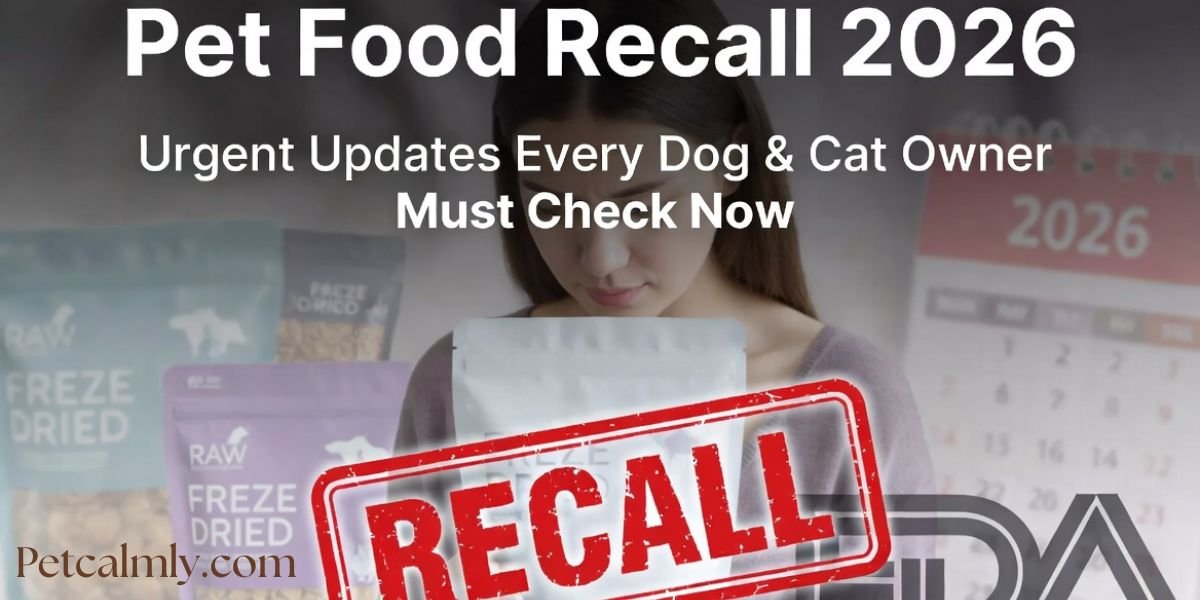
As of April 2026, several pet food recalls have been announced in the United States, mainly affecting specific cat foods due to low thiamine levels and certain dog treats and raw diets due to potential Salmonella or other bacterial contamination. No massive nationwide recall impacts all brands, but affected products include Quest Cat Food Chicken Recipe (freeze-dried and frozen varieties) from Go Raw LLC, Elite Treats Chicken Chips for dogs, Young Again Core Health Dog Food, and Raaw Energy raw dog food (with an FDA advisory). Check your pet food bags or packages immediately against the lot codes listed on the FDA website and stop feeding any recalled items to protect your pet’s health.
Pet food recalls happen more often than most owners realize, and 2026 has already seen multiple alerts that remind us how important it is to stay alert. Your dog or cat depends on you for safe nutrition. A single contaminated bag or treat can lead to serious illness, vet bills, and unnecessary worry. This guide gives you everything you need: current 2026 recalls, why they occur, warning signs in your pet, exact steps to take, and practical ways to feed safely moving forward.
Why Pet Food Recalls Matter in 2026
Recalls protect pets and people. Manufacturers or the FDA issue them when products might cause harm. In early 2026, issues ranged from nutrient deficiencies in cat food to bacterial risks in dog treats and raw diets.
For example, Go Raw LLC expanded its recall of Quest Cat Food Chicken Recipe products because some lots had low thiamine (Vitamin B1). Cats cannot produce enough thiamine on their own, so even short-term deficiency can cause severe problems. Meanwhile, Elite Treats recalled chicken chips over Salmonella concerns, which can sicken dogs and spread to humans handling the treats.
Another case involved Young Again dog food, where a presumptive positive Salmonella test led to pulling thousands of pounds of product. Raaw Energy faced an FDA advisory for multiple pathogens, including Salmonella, Listeria, and E. coli, but the company did not issue a full recall.
These examples show that recalls in 2026 affect both premium raw/freeze-dried options and standard treats. Pet owners in Karachi or anywhere else importing or buying online need to pay extra attention, as distribution often reaches international markets.
Common Causes of Pet Food Recalls
Pet food companies test products, but problems still slip through. Here are the main reasons recalls happen:
- Bacterial contamination: Salmonella tops the list in 2026 alerts. It thrives in raw or improperly processed meats. Listeria and E. coli also appear, especially in raw diets like Raaw Energy products.
- Nutrient imbalances: Low thiamine in Quest cat food highlights how processing (freeze-drying or freezing) can sometimes reduce essential vitamins if not carefully controlled.
- Foreign objects or chemical issues: Less common in recent alerts but still possible—think plastic pieces or elevated toxins.
- Labeling mistakes: Undeclared allergens or wrong ingredient lists, though not prominent in early 2026 cases.
Manufacturers usually act voluntarily, but the FDA can issue public advisories when companies hesitate, as seen with Raaw Energy.
Think of it like this: just as a bad batch of baby formula makes headlines, a bad batch of kibble or raw food can affect thousands of pets. The difference? Pets cannot tell us when something feels wrong until symptoms appear.
Recent Pet Food Recalls in 2026 – Details You Need
Here is a clear summary of key 2026 actions (always verify the latest on FDA.gov because situations can update quickly):
- Quest Cat Food Chicken Recipe (Go Raw LLC): Initial recall February 17 for one lot of freeze-dried nuggets (lot #C25288). Expanded February 26 to include frozen Chicken Recipe products (specific lots like MCD25350 and MCC25321). Reason: potentially low thiamine levels. The company also stopped sales of all Quest products until the issue is fixed. Distributed nationwide.
- Elite Treats Chicken Chips for Dogs: Recalled February 24 due to possible Salmonella. A single lot in 6-bag packaging.
- Young Again Core Health Dog Food: Voluntary recall initiated February 18 for two SKUs of Medium-Large Dog & Puppy Formula (10-lb and 25-lb bags, best-by October 28, 2026). Presumptive positive for Salmonella. About 4,375 lbs affected.
- Raaw Energy Dog Food: FDA advisory in January 2026 warning owners not to feed eight lots after samples tested positive for Salmonella, Listeria, E. coli, and Campylobacter. The company has not issued a full recall despite FDA requests. Products include Chicken Medley and Salmon varieties in tubes.
Other minor actions involved veterinary products or unrelated items, but these four stand out for pet food and treats.
If you bought any of these especially online or from specialty stores check the lot code, UPC, and best-by date right away. Many recalls distribute across multiple states and countries.
Signs Your Pet May Have Eaten Recalled Food
Pets rarely show problems immediately. Watch for these symptoms over days or weeks:
For thiamine deficiency (mainly cats on Quest products):
- Loss of appetite
- Vomiting or regurgitation
- Lethargy and weakness
- Dilated pupils or odd eye movements
- Neurological signs like stumbling, circling, or seizures in severe cases
Cats are especially sensitive. One owner shared how her normally playful Siamese became wobbly and stopped eating after a few days on affected freeze-dried food. Quick vet intervention with thiamine supplements made a big difference.
For Salmonella or bacterial issues (dogs on treats or raw food):
- Diarrhea (sometimes bloody)
- Vomiting
- Fever
- Lethargy
- Decreased appetite
- Abdominal pain
Humans handling contaminated food can also get sick with similar stomach symptoms. Young children, elderly family members, and anyone with a weak immune system face higher risk.
Remember: healthy adult pets sometimes fight off mild exposure, but puppies, kittens, senior pets, and those with existing conditions need extra caution.
When Should You Be Concerned?
Be concerned right away if your pet ate a recalled product in the last few weeks. Even without symptoms, contact your vet. Some issues like thiamine deficiency or Salmonella can worsen quickly.
Act faster if you notice any of the signs listed above. Take photos of the food packaging and note the exact product name, lot code, and when you fed it.
If your pet seems perfectly fine, that is good news but still switch to a safe alternative and monitor for 2–4 weeks. Bacteria or nutrient gaps do not always cause instant problems.
In households with multiple pets, isolate the affected animal if possible and clean bowls, floors, and hands thoroughly to avoid cross-contamination.
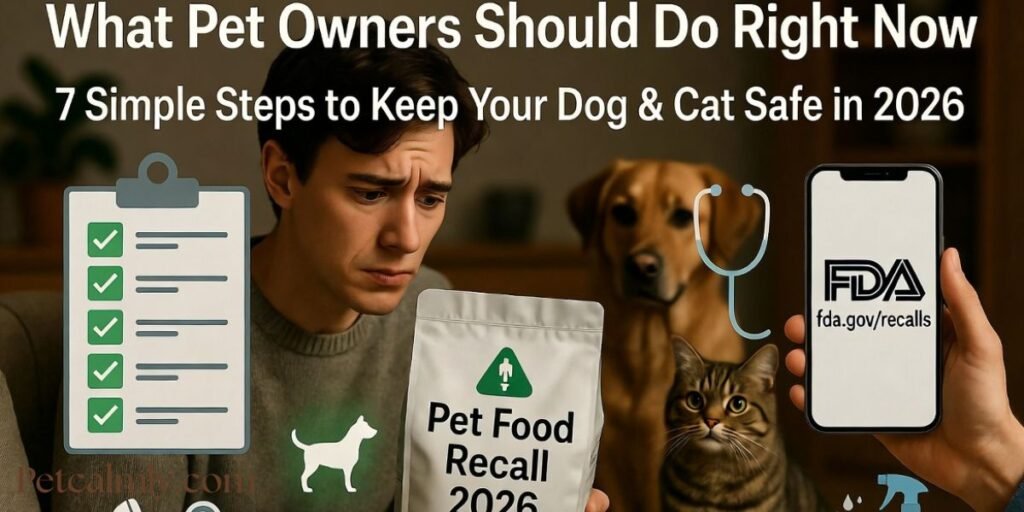
What Should Pet Owners Do? Practical Step-by-Step Guide
Follow these simple actions today:
- Stop feeding the suspected product immediately. Do not finish the bag “just in case.”
- Check your pantry and freezer. Compare lot numbers and dates against official recall notices on FDA.gov or the manufacturer’s website.
- Contact the manufacturer if needed for refund or replacement instructions. Many offer free returns or coupons.
- Call your veterinarian. Describe what your pet ate and any symptoms. They may recommend blood tests, especially for thiamine levels in cats.
- Dispose of the food safely. Seal it in a bag and throw it away where pets and wildlife cannot reach it. Do not compost or feed to other animals.
- Clean everything. Wash bowls, scoops, storage containers, and surfaces with hot soapy water or a pet-safe disinfectant.
- Monitor your pet closely for the next few weeks. Keep a daily note of appetite, energy, and stool quality.
How to Choose Safe Pet Food and Prevent Future Problems
Prevention beats reaction every time. Here are proven tips:
- Buy from reputable brands with transparent quality control and regular testing.
- Look for companies that publish their own recall history and safety protocols.
- Consider complete and balanced diets meeting AAFCO standards (or equivalent in your country).
- For raw or freeze-dried foods, understand the higher bacterial risks and handle them like raw meat—separate from human food.
- Rotate proteins and monitor how your pet reacts, but introduce changes slowly.
- Store food properly: keep dry kibble in cool, dry places and frozen/raw items at correct temperatures.
- Join recall alert services or follow FDA and AVMA updates.
Many owners now keep a “pet food journal” noting brand, batch, and any reactions. It helps spot patterns early.
Switching foods? Transition over 7–10 days to avoid stomach upset. Mix increasing amounts of new food with the old one.
Common Mistakes Pet Owners Make During Recalls
- Assuming “my pet seems fine, so it’s okay” — symptoms can appear later.
- Feeding the rest of the bag to save money — not worth the risk.
- Ignoring human safety — wash hands after handling potentially contaminated treats.
- Not checking lot codes carefully — one number difference matters.
- Delaying a vet visit because the pet “only had mild diarrhea.”
Avoid these by treating every recall seriously, even small ones.
Long-Term Advice for Pet Nutrition Safety
Pet food safety continues to improve, but recalls remind us the system is not perfect. Support brands that invest in third-party testing and quick response when issues arise.
Talk to your vet about your pet’s specific needs age, breed, health conditions all influence the best diet. Some cats thrive on higher-thiamine foods, while certain dogs do better on gently cooked rather than raw options.
Stay informed without panic. Set a monthly reminder to scan the FDA recalls page. It takes two minutes and gives peace of mind.
Your role as a caring owner makes all the difference. Quick action during the 2026 pet food recalls has already helped many pets avoid serious harm.
Conclusion
Pet food recalls in 2026, including Quest cat food for low thiamine and various dog products for Salmonella risks, highlight the need for vigilance. Check your current supplies against official lists, stop feeding affected items, consult your vet if needed, and choose trusted brands going forward.
By acting fast and staying informed, you keep your dog or cat healthy and happy for years to come. Safe feeding is one of the best gifts you can give your furry family member.
More Information About Pets, Please Visit Our Website: New Study Reveals Feeding Mistakes in Corn Snakes (2026 Update)
Frequently Asked Questions
1: What pet foods were recalled in 2026 so far?
Main recalls involve Quest Cat Food Chicken Recipe (freeze-dried and frozen) due to low thiamine, Elite Treats Chicken Chips for possible Salmonella, Young Again dog food for Salmonella, and an FDA advisory on Raaw Energy raw dog food for multiple bacteria.
2: Is there a big nationwide pet food recall in 2026?
No single massive recall affects every brand, but several targeted ones and advisories exist. Always check the latest FDA list rather than assuming all food is safe.
3: Can low thiamine in cat food harm my cat permanently?
It can cause serious neurological issues if untreated, but most cats recover well with prompt veterinary care and thiamine supplementation. Early action is key.
4: What should I do if my dog ate recalled chicken chips?
Stop feeding them, monitor for vomiting, diarrhea, or lethargy, and call your vet. They may suggest testing or supportive care depending on how much was eaten.
5: How do I find the latest pet food recalls?
Visit the official FDA Recalls & Withdrawals page for animal veterinary products or sign up for alert services. AVMA also lists safety alerts.
6: Are raw pet foods riskier for recalls in 2026?
Yes, several 2026 issues involved raw or minimally processed products because bacteria survive more easily without high-heat processing. Handle raw food carefully and consider your pet’s health status before choosing it.