Short direct answer
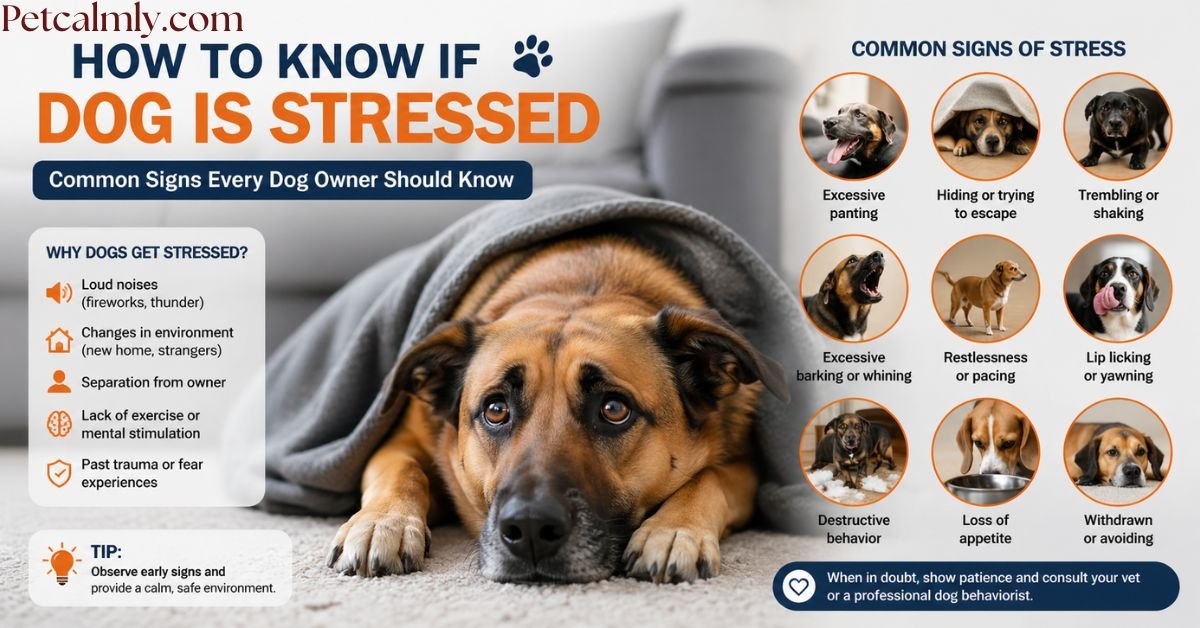
Dog anxiety disorders refer to conditions where a dog experiences excessive, persistent fear or nervousness that interferes with normal life. These include separation anxiety, noise phobias, and generalized fear responses. Early recognition and proper management can greatly improve your dog’s quality of life and strengthen your bond. With the right approach combining veterinary care, behavior modification, and sometimes medication most dogs show significant improvement.
Why Understanding Dog Anxiety Disorders Matters for Every Pet Parent
Watching your once-confident dog tremble at the sound of thunder or destroy your doorframe when you leave for work is heartbreaking. Anxiety in dogs is far more common than many realize, affecting millions of pets worldwide. It isn’t “bad behavior” it’s a genuine emotional struggle that stems from how a dog’s brain processes perceived threats.
Left unaddressed, anxiety can lead to destructive habits, house soiling, self-injury, or even aggression. The good news? Most cases respond well to compassionate, evidence-based help. By learning the causes, spotting the signs early, and taking practical steps, you can help your dog feel safer and happier every day.
What Causes Dog Anxiety Disorders?
Dog anxiety disorders develop from a mix of factors. Genetics play a role some breeds, like German Shepherds, Border Collies, and certain small companion breeds, show higher predisposition due to their sensitive nature or selective breeding history.
Past experiences matter greatly. A dog rescued from a shelter or one that suffered trauma, such as abuse or a frightening event, may develop lasting fears. Lack of proper socialization between 3 and 14 weeks of age often leaves puppies anxious around new people, animals, or environments.
Medical issues frequently trigger or worsen anxiety. Pain from arthritis, dental disease, gastrointestinal problems, or even canine cognitive dysfunction in senior dogs can make a dog feel vulnerable and on edge. Neurological conditions or hormonal imbalances may also contribute.
Environmental changes are common culprits. Moving house, adding a new family member (human or pet), or sudden routine shifts can spark anxiety. Loud noises like fireworks, thunderstorms, or even household appliances often escalate into full phobias.
Separation anxiety stands out as one of the most reported forms. It occurs when dogs panic at being left alone, often linked to overly strong attachments or previous abandonment experiences. Noise phobias, on the other hand, involve intense reactions to sounds, sometimes extending to changes in barometric pressure or lightning flashes during storms.
In many cases, multiple factors overlap. A dog with mild genetic sensitivity might develop severe symptoms only after a traumatic vet visit or a period of inconsistent routines.
Recognizing the Signs of Anxiety in Dogs
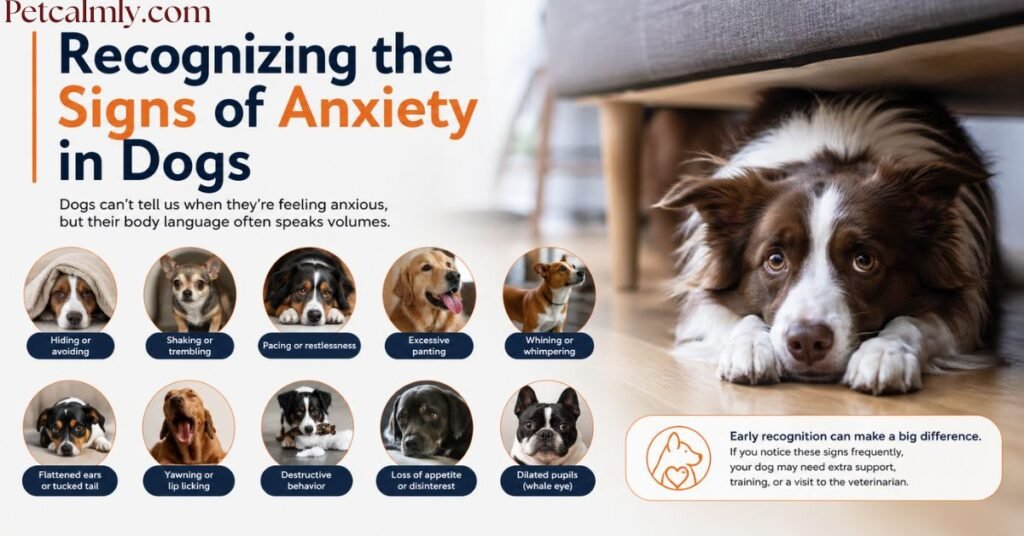
Learning to read your dog’s body language is key to understanding dog anxiety disorders. Dogs rarely “act out” for spite they communicate discomfort through subtle and obvious signals.
1: Early or mild signs
include lip licking, yawning when not tired, avoiding eye contact, turning the head away, or pinning ears back. You might notice “whale eye,” where the whites of the eyes show prominently.
2: Moderate signs
often involve panting in cool conditions, pacing or restlessness, drooling, trembling, or tucked tail and lowered body posture. Some dogs become unusually clingy, following you from room to room, while others withdraw and hide.
3: More intense behaviors
include excessive barking, whining, or howling especially when alone. Destructive chewing focused on exit points (doors, windows, crates) is classic for separation anxiety. House soiling in an otherwise trained dog, loss of appetite, or compulsive behaviors like excessive licking of paws or flanks can also appear.
Real-life example: Sarah noticed her Labrador, Max, started pacing and drooling every time she picked up her keys. He would scratch frantically at the door after she left, sometimes injuring his paws. What looked like “naughty” behavior was actually panic from separation anxiety.
Another common scenario involves fireworks. A calm dog might suddenly shake violently, try to burrow under furniture, or refuse to eat for hours afterward. These responses can worsen with repeated exposure if not addressed.
Physical symptoms sometimes mimic illness: vomiting, diarrhea, or changes in sleep patterns. Because anxiety and medical problems overlap, a veterinary check-up is always the smart first step.
5 Different Types of Dog Anxiety Disorders
1: Separation Anxiety: The dog becomes distressed specifically when separated from owners. Symptoms peak shortly after departure and include vocalization, destruction, and elimination indoors.
2: Noise Phobias or Aversions: Extreme fear of specific sounds (thunder, fireworks, gunshots). Reactions can be so intense that the dog attempts to escape, sometimes injuring itself.
3: Generalized Anxiety: A dog appears chronically worried, showing hypervigilance, irritability, or restlessness even without obvious triggers.
4: Fear-Based Anxiety: Specific phobias toward strangers, other dogs, certain objects, or situations like car rides or grooming.
5: Age-Related Anxiety: Senior dogs may develop new fears due to declining senses, pain, or cognitive changes that make the world feel unpredictable.
Understanding which type (or combination) your dog experiences helps tailor the most effective support.
When Should You Be Concerned?
Mild, occasional nervousness is normal think of a dog startled by a sudden loud noise who quickly recovers. Concern arises when anxiety:
- Happens frequently or predictably around certain triggers
- Interferes with daily activities like eating, sleeping, or playing
- Leads to self-harm, property damage, or aggression
- Worsens over time instead of improving
- Appears suddenly in a previously calm adult dog
If your dog shows signs of distress daily, injures themselves during episodes, or stops enjoying walks and playtime, schedule a vet visit promptly. Early intervention prevents the problem from becoming entrenched and harder to treat.
Never punish anxious behavior. It only increases fear and damages trust. Your dog isn’t being defiant they’re genuinely overwhelmed.
What Should Pet Owners Do? Practical Steps to Help
Helping a dog with anxiety requires patience, consistency, and often a multi-layered approach.
1. Visit Your Veterinarian First
Rule out underlying medical causes with a full exam, bloodwork if needed, and discussion of symptoms. Your vet can diagnose the type of anxiety and recommend next steps, including possible medication for moderate to severe cases.
2. Create a Safe Environment
Designate a “safe zone” a quiet crate or room with familiar bedding, toys, and your scent. Use white noise machines, calming music, or pheromone diffusers (like Adaptil) to create a soothing atmosphere during triggers.
3. Establish Predictable Routines
Dogs thrive on consistency. Feed, walk, and play at similar times daily. This predictability reduces uncertainty, a major anxiety driver.
4. Use Behavior Modification Techniques
- Desensitization and Counter-Conditioning: Gradually expose your dog to triggers at low intensity while pairing them with positive experiences (treats, play). For separation anxiety, start with very short absences and slowly increase duration.
- Positive Reinforcement Training: Teach relaxation cues like “settle” or “place.” Reward calm behavior generously. Avoid dramatic goodbyes or greetings that heighten excitement.
5. Provide Mental and Physical Stimulation
Tired dogs are calmer dogs. Daily exercise, puzzle toys, scent work, and interactive games burn off nervous energy and build confidence. Food-dispensing toys can keep dogs occupied when alone.
6. Explore Calming Aids
Natural options include calming chews with L-theanine, chamomile, or melatonin. Pressure wraps (like ThunderShirts) help some dogs by providing gentle, constant pressure. Always discuss with your vet before combining with medication.
7. Consider Professional Help
Certified animal behaviorists or veterinary behaviorists offer tailored plans for complex cases. In severe situations, anti-anxiety medications (such as fluoxetine or situational options like trazodone or alprazolam) can reduce fear enough for training to succeed.
Mini-story: Jake’s rescue Beagle, Bella, would panic during thunderstorms and hide for hours. After a vet visit ruled out pain, Jake started playing low-volume thunderstorm recordings paired with high-value treats. Over weeks, Bella’s reaction lessened dramatically. Combined with a safe den and daily enrichment, her confidence returned.
Consistency beats intensity. Small daily efforts compound into lasting change. Track progress in a simple journal to stay motivated and spot patterns.
Common Mistakes to Avoid When Dealing with Dog Anxiety
Many well-meaning owners accidentally worsen anxiety. Avoid long dramatic departures or returns, as these heighten emotional stakes. Punishing destruction or soiling increases fear rather than teaching calm.
Don’t crate a severely anxious dog without proper training it can become a trap that intensifies panic. Similarly, forcing interaction with feared triggers (“he’ll get used to it”) often backfires and erodes trust.
Relying solely on supplements or gadgets without addressing root causes rarely solves the issue. A balanced plan works best.
Long-Term Management and Prevention
For many dogs, anxiety becomes a manageable condition rather than a cured one. Ongoing lifestyle adjustments, occasional refresher training, and vet check-ups help maintain progress.
Prevention starts early. Proper puppy socialization, positive exposure to varied sounds and situations, and building independence through gradual alone time set a strong foundation. Even adult dogs benefit from continued mental challenges and confident leadership from owners.
Conclusion
Understanding dog anxiety disorders empowers you to respond with empathy instead of frustration. These conditions are real, treatable, and common but they don’t have to define your dog’s life. By identifying causes, recognizing signs promptly, ruling out medical issues, and committing to kind, consistent strategies, you can help your dog move from fear to greater calm and confidence.
Every small improvement matters. Celebrate progress, stay patient, and remember you’re your dog’s strongest advocate. With time and the right support, many anxious dogs learn to navigate the world more comfortably, leading to a deeper, more joyful bond with their family.
If your dog’s anxiety feels overwhelming, reach out to your veterinarian or a qualified behavior professional today. Help is available, and most dogs respond beautifully when given the right tools.
More Information About Pets, Please Visit Our Website: Why Is My Dog Suddenly Anxious?
Frequently Asked Questions
1: What are the most common signs of anxiety in dogs?
Common signs include panting, pacing, trembling, excessive barking or whining, destructive behavior, and hiding. Subtle cues like lip licking or yawning can appear first. Noticing these early helps you act before anxiety escalates.
2: Can separation anxiety in dogs be cured completely?
Many dogs improve dramatically with behavior modification, routine changes, and sometimes medication, but complete “cure” depends on severity and consistency. Long-term management often keeps symptoms minimal and manageable.
3: Is medication necessary for dog anxiety disorders?
Not always. Mild cases often respond well to training and environmental changes alone. Moderate to severe anxiety may benefit from short- or long-term medication prescribed by a vet to lower fear levels so training can work effectively.
4: Why does my dog destroy things only when I’m not home?
This is a classic sign of separation anxiety or distress, not spite. The dog panics and tries to escape or self-soothe through chewing. Punishment makes it worse focus on gradual desensitization instead.
5: How can I help my dog with noise phobia from fireworks or storms?
Create a safe, dark, quiet space with white noise or calming music. Use desensitization training with recorded sounds at low volume paired with treats. Consult your vet about situational medication for severe episodes.
6: Do certain dog breeds have higher risk of anxiety disorders?
Yes. Herding breeds, working dogs, and some small breeds tend to show more sensitivity due to genetics and high intelligence. However, any dog can develop anxiety depending on experiences, health, and environment. Early socialization helps reduce risk across breeds.