Short direct answer
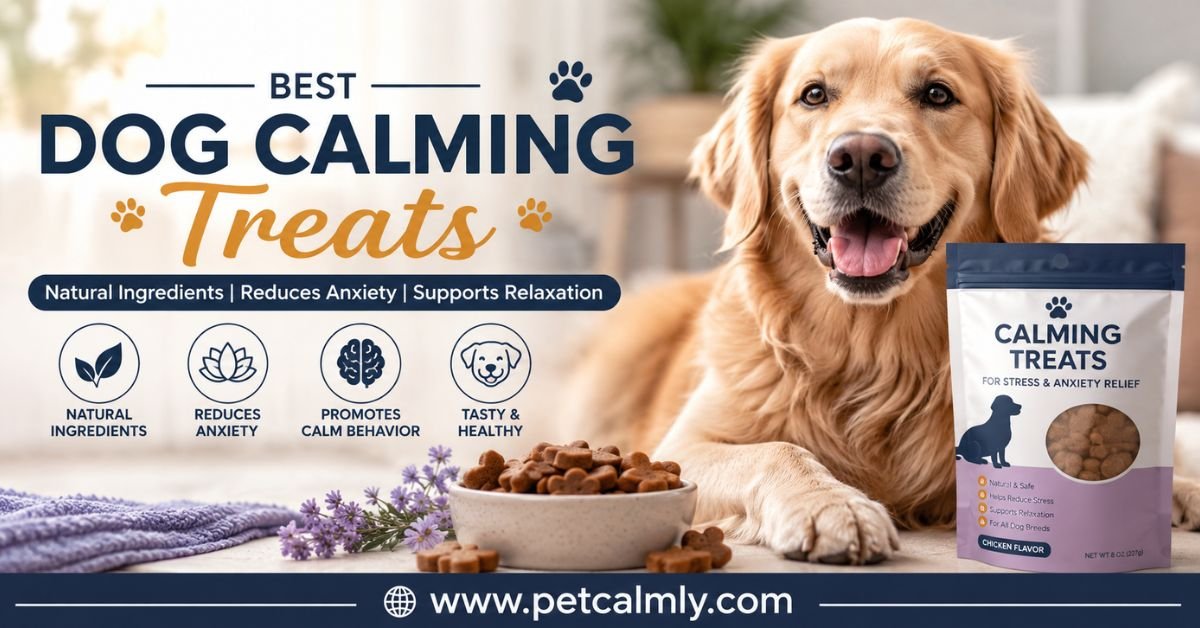
The best dog calming treats can help reduce mild to moderate stress caused by thunderstorm, fireworks, travel, separation, grooming, or unfamiliar situations. High-quality calming treats often contain ingredients such as L-theanine, chamomile, melatonin, valerian root, passionflower, or alpha-casozepine that promote relaxation without making most dogs overly sleepy. However, calming treats work best when combined with positive training, a predictable routine, and proper behavior management. If your dog has severe anxiety, panic attacks, or aggressive behavior, consult your veterinarian, as medication or a behavior plan may be more appropriate.
Best Dog Calming Treats: A Complete Guide for Pet Owners
Watching your dog pace around the house during a thunderstorm or panic every time you leave for work can be heartbreaking. Many owners want a gentle way to help their pets feel calmer without immediately turning to prescription medications. That’s why calming treats have become one of the most popular supplements for anxious dogs.
The challenge is that not every product lives up to its promises. Some contain research-backed ingredients in effective amounts, while others rely on marketing buzzwords and tiny doses that are unlikely to make a difference.
This guide explains how calming treats work, which ingredients are worth looking for, when they can help, and how to choose a product that matches your dog’s specific needs. You’ll also learn when calming treats aren’t enough and when it’s time to seek veterinary advice.
Whether you’re preparing for fireworks season, helping a rescue dog settle into a new home, or simply looking for a safe way to reduce everyday stress, this guide will help you make an informed decision.
Understanding the Search Intent Behind “Best Dog Calming Treats”
Most people searching for the best dog calming treats aren’t simply looking for a list of products. They’re trying to solve a real problem that affects both their dog and their family.
Common concerns include:
- My dog gets anxious when I leave.
- Fireworks make my dog panic.
- My dog shakes during thunderstorms.
- Car rides cause stress or nausea.
- Grooming appointments are a struggle.
- Vet visits are becoming impossible.
- My rescue dog seems nervous all the time.
- I want a natural alternative before considering medication.
Hidden questions many owners also have include:
- Do calming treats actually work?
- Are they safe for puppies and senior dogs?
- Will they make my dog sleepy?
- How long before they start working?
- Can they be used every day?
- Which ingredients have the best evidence?
- Are there any side effects?
This guide answers all of these questions in one place so you can choose a calming solution with confidence.
What Are Dog Calming Treats?
Dog calming treats are chewable supplements designed to help dogs feel more relaxed during stressful situations. Unlike prescription anti-anxiety medications, most calming treats contain naturally derived ingredients or nutritional compounds that support normal brain function and emotional balance.
They are commonly used before:
- Fireworks
- Thunderstorms
- Car travel
- Veterinary appointments
- Grooming sessions
- Boarding
- Moving to a new home
- Meeting new people
- Introducing another pet
- Short periods of separation
Most calming treats are flavored like regular dog treats, making them easy to give without adding stress.
It’s important to remember that these products are supplements, not cures. They may help reduce mild or occasional anxiety, but they won’t eliminate severe fear or treat underlying behavioral disorders on their own.
How Do Dog Calming Treats Work?
Different calming treats use different active ingredients, so they don’t all work in exactly the same way.
In general, they aim to support the nervous system by promoting relaxation without significantly affecting alertness.
Some ingredients encourage the brain to produce calming neurotransmitters, while others support healthy stress responses or muscle relaxation.
For example:
- L-theanine helps promote relaxed but attentive behavior.
- Chamomile has mild calming properties.
- Melatonin may help regulate sleep and reduce stress during specific events.
- Alpha-casozepine, a milk-derived protein, may support relaxation in some dogs.
- Valerian root is traditionally used to encourage calmness.
- Passionflower is sometimes included to help ease nervous behavior.
Because every dog responds differently, one product may work well for one dog but not another. Finding the right option sometimes requires patience and careful observation.
Signs Your Dog May Benefit From Calming Treats
Not every nervous moment means your dog needs supplements. However, calming treats may be helpful if your dog regularly shows mild to moderate signs of stress.
Common Signs of Anxiety
- Excessive panting
- Trembling
- Pacing
- Restlessness
- Hiding
- Whining
- Barking more than usual
- Clingy behavior
- Difficulty settling down
- Lip licking
- Yawning when not tired
- Dilated pupils
- Refusing food during stressful events
These signs often appear before predictable situations like thunderstorms or car rides, making calming treats easier to use proactively.
Situations Where Calming Treats Often Help
Many owners notice the greatest improvement when calming treats are given before an anticipated stressful event.
Common examples include:
Fireworks and Loud Noises
Sudden loud sounds can trigger intense fear in many dogs. Giving a calming treat before fireworks begin may help reduce stress, especially when combined with a quiet, safe space.
Thunderstorms
Dogs may react not only to thunder but also to changes in air pressure, wind, and static electricity. A calming supplement may help some dogs remain more relaxed throughout the storm.
Car Travel
Some dogs become anxious before the car even starts moving. If stress—not motion sickness—is the main issue, calming treats may help make trips more comfortable.
Veterinary Visits
The unfamiliar smells, sounds, and handling at a veterinary clinic can make many dogs nervous. Administering a calming treat before the appointment may help reduce mild anxiety.
Grooming Sessions
Baths, nail trims, and haircuts can overwhelm some dogs. Calming treats may improve cooperation when paired with gentle handling and positive reinforcement.
Guests Visiting the House
Dogs that bark excessively or become overstimulated around visitors may benefit from calming support before guests arrive.
Moving or Major Routine Changes
Changes in environment can temporarily increase anxiety. Calming treats may help dogs adjust more comfortably during transitions.
Common Causes of Anxiety in Dogs
Understanding why your dog feels anxious helps you choose the most effective solution.
Separation Anxiety
Dogs with separation anxiety become distressed when left alone. Signs often include destructive chewing, excessive barking, drooling, pacing, or accidents indoors.
Calming treats may help some dogs with mild separation-related stress, but severe separation anxiety usually requires a structured behavior modification plan developed with your veterinarian or a qualified behavior professional.
Fear-Based Anxiety
Some dogs naturally fear loud noises, strangers, unfamiliar places, or other animals. Their anxiety may stem from genetics, limited early socialization, or previous negative experiences.
Age-Related Cognitive Changes
Older dogs sometimes become anxious due to age-related cognitive decline. They may seem confused, restless at night, or unusually clingy. A veterinary examination can help determine whether an underlying medical condition is contributing to these changes.
Previous Trauma
Dogs adopted from shelters or rescued from difficult situations may need extra time to build confidence. Gentle routines, positive experiences, and appropriate calming support can help them adjust.
Medical Problems
Pain, hormonal disorders, neurological conditions, or other illnesses can sometimes look like anxiety. If your dog’s behavior changes suddenly or seems unusual, schedule a veterinary checkup before assuming stress is the cause.
Key Ingredients to Look for in the Best Dog Calming Treats
The ingredient list tells you far more than the marketing claims on the front of the package. Knowing what each ingredient does can help you choose a product that’s more likely to suit your dog’s needs.
L-Theanine
L-theanine is an amino acid naturally found in green tea. It is one of the most commonly studied calming ingredients for dogs.
Potential benefits include:
- Encourages relaxed behavior
- Supports focus without heavy sedation
- Suitable for many dogs with everyday anxiety
Many veterinarians recommend products containing L-theanine because it generally has a good safety profile when used as directed.
Chamomile
Chamomile has long been used as a gentle herbal calming aid.
It may help:
- Promote relaxation
- Ease mild nervousness
- Support digestive comfort during stress
While generally considered safe for many dogs, herbal ingredients should still be used according to product directions.
Melatonin
Melatonin is a hormone involved in regulating normal sleep-wake cycles.
Some calming treats include melatonin to:
- Encourage relaxation
- Help dogs settle before predictable stressful events
- Support sleep during travel or temporary routine changes
Because melatonin may not be appropriate for every dog or every medical condition, it’s a good idea to check with your veterinarian before using products containing it.
Valerian Root
Valerian root is another herbal ingredient often found in calming supplements.
It may:
- Promote relaxation
- Reduce mild nervous behaviors
- Support calmer responses during stressful situations
Dogs can respond differently to valerian, so follow label directions carefully.
Passionflower
Passionflower is frequently combined with other calming herbs.
It is commonly included because it may:
- Encourage calm behavior
- Support relaxation during stressful events
- Complement ingredients such as chamomile or valerian
Alpha-Casozepine
Alpha-casozepine is a milk-derived protein that has been studied for its calming effects in some dogs.
It may be particularly helpful for:
- Everyday nervousness
- Fear of new environments
- Stress related to routine changes
Dogs with known dairy sensitivities should only use products containing this ingredient after discussing them with a veterinarian.
Hemp Seed vs. CBD: Know the Difference
Many pet owners confuse hemp seed with CBD, but they are not the same.
- Hemp seed ingredients are typically included for nutritional value and contain little to no CBD.
- CBD (cannabidiol) is a different compound with varying legal status, quality standards, and scientific evidence depending on where you live.
Because CBD products for pets vary widely in quality, labeling, and regulation, it’s best to consult your veterinarian before using them, especially if your dog takes other medications.
Ingredients to Be Cautious About
Not every calming treat is made with the same level of care. Read the label carefully and avoid products that rely heavily on marketing while providing little useful information.
Be cautious if a product:
- Doesn’t clearly list active ingredient amounts
- Uses vague terms like “proprietary calming blend”
- Makes unrealistic promises such as “eliminates anxiety instantly”
- Lacks feeding guidelines based on body weight
- Doesn’t provide manufacturer contact information
- Contains ingredients your dog has reacted to in the past
Choosing transparent, well-labeled products helps you make a safer decision for your dog.
How to Choose the Best Dog Calming Treats
With so many options available, it helps to focus on quality rather than flashy packaging. Here are the key factors to consider before buying.
Match the Treat to Your Dog’s Anxiety
Different dogs experience stress in different ways. A dog that becomes nervous during thunderstorms may need a fast-acting product, while a dog with daily mild anxiety may benefit from a supplement designed for regular use.
Check the Active Ingredients
Look for products that clearly list ingredients such as L-theanine, alpha-casozepine, chamomile, or melatonin along with their amounts. Transparent labeling makes it easier to compare options and discuss them with your veterinarian if needed.
Choose Reputable Manufacturers
Brands that provide clear ingredient information, feeding directions, and quality standards are generally a safer choice than products with vague claims or limited details.
Consider Your Dog’s Age and Health
Puppies, senior dogs, pregnant dogs, and dogs with chronic medical conditions may have different needs. If your dog takes prescription medication or has an underlying health issue, ask your veterinarian before adding any calming supplement.
Read Real Customer Experiences Carefully
Reviews can offer useful insights about taste, ease of use, and packaging. However, remember that dogs respond differently, so a product that works well for one pet may not have the same effect for another.
Best Dog Calming Treats Compared
No single calming treat works for every dog. The best choice depends on why your dog is anxious, their age, overall health, and how they respond to specific ingredients.
Some dogs need help only during fireworks or travel, while others benefit from daily support for mild anxiety. Think about your dog’s situation first, then choose a product designed for that purpose.
Quick Comparison Table
| Product | Best For | Key Ingredients | Daily Use | May Cause Drowsiness |
|---|---|---|---|---|
| VetriScience Composure | Everyday anxiety | L-theanine, colostrum, thiamine | Yes | Rarely |
| Zesty Paws Calming Bites | General stress | Suntheanine®, chamomile, valerian | Yes | Occasionally |
| NaturVet Quiet Moments | Fireworks and travel | Melatonin, thiamine, ginger | Short-term | Sometimes |
| Purina Pro Plan Calming Care | Long-term emotional support | Probiotic (BL999) | Daily | No |
| ThunderWunders Calming Chews | Storms and loud noises | L-theanine, chamomile, thiamine | As needed | Mild |
| Pet Honesty Calming Chews | Mild nervousness | Organic chamomile, valerian, ginger | Yes | Occasionally |
Important: Follow the manufacturer’s feeding instructions based on your dog’s weight. Never combine calming supplements unless your veterinarian advises you to do so.
Best Dog Calming Treats for Everyday Anxiety
Dogs with mild daily anxiety often do best with products designed for consistent, long-term use rather than occasional stressful events.
Look for ingredients like:
- L-theanine
- Alpha-casozepine
- Probiotics formulated for emotional health
- Thiamine (Vitamin B1)
These ingredients aim to support the nervous system gradually instead of producing immediate sedation.
Everyday calming treats work best when paired with:
- Daily exercise
- Mental enrichment
- Predictable routines
- Positive reinforcement training
Supplements alone rarely solve ongoing anxiety.
Best Dog Calming Treats for Separation Anxiety
Separation anxiety is one of the most challenging behavior problems in dogs.
Signs often include:
- Barking after you leave
- Destructive chewing
- Scratching doors
- Excessive drooling
- Indoor accidents
- Escape attempts
Calming treats may help mild separation-related stress, but they should never replace behavior modification.
For better results:
- Practice gradual departures.
- Avoid dramatic goodbyes.
- Leave enrichment toys.
- Build your dog’s confidence when home alone.
If your dog injures themselves or panics whenever left alone, schedule a veterinary appointment. Prescription medication and a structured behavior plan may be necessary.
Best Dog Calming Treats for Fireworks and Thunderstorms
Noise anxiety is common, especially during holidays.
For predictable events:
- Give the calming treat 30–90 minutes before fireworks begin (follow the product directions).
- Close curtains.
- Play calming background music.
- Create a quiet room.
- Offer a favorite blanket or crate if your dog already views it as a safe space.
Remember that calming treats are most effective before fear reaches its peak. Waiting until your dog is already panicking often limits their benefit.
Best Dog Calming Treats for Car Travel
Some dogs dislike riding in the car because of:
- Motion
- Unfamiliar sounds
- Previous bad experiences
- Uncertainty
If anxiety—not motion sickness—is the main problem, calming treats may help your dog relax before the trip.
Additional travel tips include:
- Practice short rides first.
- Secure your dog with a crash-tested harness or travel crate.
- Avoid feeding a large meal immediately before travel.
- Keep the vehicle cool and well ventilated.
If vomiting occurs regularly, your veterinarian can determine whether motion sickness medication is more appropriate than a calming supplement.
Best Dog Calming Treats for Veterinary Visits
Many dogs become anxious long before entering the exam room.
Help them by:
- Scheduling quieter appointment times if possible.
- Practicing gentle handling at home.
- Rewarding calm behavior.
- Bringing favorite treats.
- Giving an approved calming supplement ahead of time if recommended.
Fear-free handling techniques and patient staff can make future visits much less stressful.
Do Dog Calming Treats Really Work?
The honest answer is sometimes.
Their effectiveness depends on several factors:
- Your dog’s personality
- The cause of anxiety
- Product quality
- Active ingredients
- Correct dosage
- Timing
- Whether behavior training is also being used
Many owners notice improvements such as:
- Less pacing
- Reduced trembling
- Easier settling
- Fewer stress-related vocalizations
- Better focus during training
However, calming treats are unlikely to completely stop severe panic or long-standing anxiety disorders.
Setting realistic expectations helps avoid disappointment.
How Long Do Calming Treats Take to Work?
The answer depends on the product.
Generally:
- Fast-acting formulas: 30–90 minutes
- Daily supplements: several days to several weeks
- Probiotic-based products: often several weeks before noticeable improvement
Always read the product instructions because ingredients work differently.
How Often Can Dogs Have Calming Treats?
Some calming treats are intended for:
- Daily use
- Occasional stressful events
- Temporary support only
Never assume that “natural” means unlimited.
Giving more than the recommended amount can increase the risk of side effects or interfere with other medications.
Possible Side Effects of Dog Calming Treats
Most healthy dogs tolerate quality calming supplements well, but mild side effects can occur.
Possible side effects include:
- Sleepiness
- Mild digestive upset
- Reduced appetite
- Loose stool
- Temporary lethargy
Rarely, dogs may have an allergic reaction to one of the ingredients.
Stop using the product and contact your veterinarian if you notice:
- Facial swelling
- Difficulty breathing
- Repeated vomiting
- Severe diarrhea
- Collapse
- Extreme weakness
Are Dog Calming Treats Safe?
For most healthy adult dogs, calming treats are considered safe when used exactly as directed.
However, extra caution is needed if your dog:
- Is under 12 weeks old
- Is pregnant or nursing
- Has liver disease
- Has kidney disease
- Has epilepsy
- Takes prescription medications
- Has hormone disorders
- Has food allergies
Ask your veterinarian before starting any new supplement if your dog falls into one of these groups.
Can Puppies Have Calming Treats?
Some products are labeled for puppies, while others are intended only for adult dogs.
Young puppies are still developing physically and emotionally.
Many puppy behavior challenges improve with:
- Socialization
- Positive reinforcement
- Predictable routines
- Adequate sleep
- Gentle confidence-building exercises
Always check the product label and consult your veterinarian if you’re unsure.
Can Senior Dogs Use Calming Treats?
Older dogs often benefit from calming support, especially if age-related changes cause confusion or nighttime restlessness.
However, anxiety in senior dogs may also be linked to:
- Arthritis pain
- Vision loss
- Hearing loss
- Cognitive decline
- Hormonal disease
A veterinary examination can help identify the underlying cause before starting supplements.
5 Common Mistakes Pet Owners Make
Even good calming treats may not work well if they’re used incorrectly.
1. Expecting Instant Results
Not every supplement works immediately.
Some require consistent daily use.
2. Waiting Until the Dog Is Already Panicking
Giving treats after your dog reaches full panic often reduces effectiveness.
Whenever possible, administer them before the stressful event begins.
3. Ignoring the Root Cause
Calming treats don’t replace:
- Exercise
- Training
- Enrichment
- Veterinary care
Think of them as one tool in a larger anxiety-management plan.
4. Buying Based Only on Marketing
A colorful package doesn’t guarantee quality.
Always examine:
- Ingredients
- Dosage
- Manufacturer transparency
- Feeding instructions
5. Skipping Veterinary Advice
Sudden anxiety can sometimes signal an underlying medical problem.
Don’t assume behavior changes are purely emotional.
How to Help Calming Treats Work Better
The best results usually come from combining calming supplements with healthy daily habits.
Maintain a Predictable Routine
Dogs feel more secure when meals, walks, and bedtime happen consistently.
Increase Physical Exercise
Many anxious dogs simply have excess energy.
Daily walks, play sessions, and breed-appropriate activities can make a noticeable difference.
Provide Mental Enrichment
Challenge your dog’s brain with:
- Food puzzles
- Snuffle mats
- Interactive toys
- Scent games
- Short training sessions
Mental stimulation often reduces boredom-related stress.
Reward Calm Behavior
Instead of comforting panic with excessive attention, reward moments when your dog is relaxed.
For example:
If your dog lies quietly during distant thunder, calmly praise them and offer a treat before fear escalates.
This helps build positive associations over time.
Create a Safe Space
Many dogs naturally seek quiet places during stressful events.
A comfortable crate (if crate-trained), cozy bed, or quiet room can become a reliable retreat where your dog feels secure.
Natural Ways to Calm an Anxious Dog
Calming treats aren’t the only option.
Many dogs improve with a combination of supportive strategies.
These include:
- Daily exercise
- Positive reinforcement training
- Consistent routines
- White noise
- Calming music
- Food puzzles
- Slow sniff walks
- Gentle massage
- Anxiety wraps (for some dogs)
- Adequate sleep
- Avoiding punishment-based training
Every dog is different, so it may take some trial and observation to find the combination that works best.
When Dog Calming Treats Are Not Enough
Some anxiety goes beyond what supplements can reasonably manage.
Contact your veterinarian if your dog:
- Hurts themselves trying to escape
- Stops eating because of fear
- Has panic attacks
- Becomes aggressive during anxious episodes
- Cannot settle even after stressful events end
- Shows sudden behavior changes with no obvious trigger
- Has anxiety that continues to worsen despite home management
Your veterinarian may recommend further evaluation, prescription medication, or referral to a qualified veterinary behaviorist or certified dog trainer.
Seeking help early often leads to better long-term outcomes for both you and your dog.
More Information About Pets, Please Visit Our Website: Best Dog Hair Removal Products
Dog Coat Care Products
Best Calming Supplements for Dogs
Vet Recommended Calming Supplements for Dogs
Frequently Asked Questions
1. What are the best dog calming treats for separation anxiety?
The best dog calming treats for separation anxiety usually contain ingredients such as L-theanine, alpha-casozepine, or calming probiotics that support emotional balance. However, treats alone won’t cure true separation anxiety. Dogs with severe distress often need a behavior modification plan developed with a veterinarian or qualified behavior professional, and some may benefit from prescription medication.
2. How long before a stressful event should I give my dog a calming treat?
It depends on the product. Many fast-acting calming treats are designed to be given 30 to 90 minutes before events like fireworks, thunderstorms, travel, or grooming appointments. Always follow the manufacturer’s instructions, as timing varies depending on the active ingredients.
3. Can dogs have calming treats every day?
Many calming supplements are formulated for daily use, especially those designed to support long-term emotional wellness. Others are intended only for occasional stressful situations. Read the product label carefully and never exceed the recommended serving size. If your dog has a medical condition or takes medication, ask your veterinarian before using daily supplements.
4. Do calming treats make dogs sleepy?
Not always. Many high-quality calming treats are formulated to promote relaxation without heavy sedation. However, products containing ingredients such as melatonin or valerian root may cause mild drowsiness in some dogs. Individual responses vary, so monitor your dog the first few times you use a new product.
5. Are natural calming treats safe for puppies?
Some products are safe for puppies above a certain age, while others are intended only for adult dogs. Always check the label for age recommendations and consult your veterinarian before giving calming supplements to young puppies, especially those under 12 weeks of age.
6. When should I see a veterinarian instead of relying on calming treats?
Schedule a veterinary visit if your dog:
- Has severe panic attacks
- Becomes aggressive during fearful situations
- Injures themselves trying to escape
- Stops eating because of anxiety
- Experiences sudden behavior changes
- Continues to struggle despite training and calming supplements
These signs may indicate a medical problem or a more serious anxiety disorder that requires professional treatment.
Quick Checklist: Choosing the Best Dog Calming Treats
Before buying a calming supplement, ask yourself:
- ✔ Does it list active ingredients clearly?
- ✔ Are the ingredient amounts disclosed?
- ✔ Is it appropriate for my dog’s age and size?
- ✔ Is the manufacturer transparent about feeding guidelines?
- ✔ Does the product match my dog’s type of anxiety?
- ✔ Have I checked with my veterinarian if my dog has health issues or takes medication?
- ✔ Am I combining the supplement with training and environmental management rather than expecting it to solve the problem on its own?
If you answered “yes” to these questions, you’re much more likely to choose a product that fits your dog’s needs.
Conclusion
Finding the best dog calming treats isn’t about choosing the most expensive product or the one with the flashiest packaging. It’s about understanding why your dog feels anxious and selecting a supplement with transparent ingredients, realistic claims, and a safety profile that fits your pet’s individual needs.
For many dogs, calming treats can take the edge off stressful situations such as thunderstorms, travel, or veterinary visits. They may also support dogs with mild everyday anxiety when used consistently. But lasting improvement usually comes from combining supplements with positive training, regular exercise, mental stimulation, and a stable routine.
If your dog’s fear is intense, persistent, or getting worse, don’t feel discouraged. Anxiety is a genuine behavioral and medical concern, and your veterinarian can help determine whether an underlying health issue, prescription medication, or referral to a veterinary behaviorist is the next best step.
By approaching anxiety with patience, compassion, and evidence-based care, you can help your dog feel safer, more confident, and better equipped to enjoy everyday life.