Short direct answer
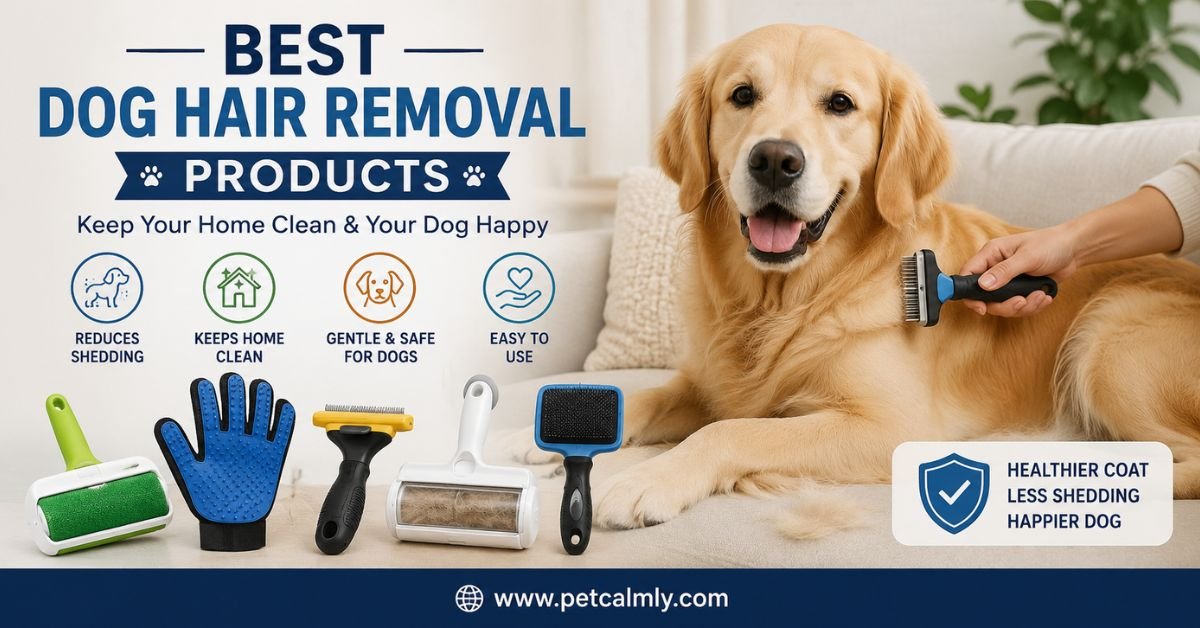
The best dog hair removal products make cleaning up pet hair faster without damaging your furniture, clothing, or floors. Reusable lint rollers, rubber grooming brushes, pet hair remover tools, high-powered vacuums designed for homes with pets, and washable furniture hair removers are among the most effective options. The right choice depends on where your dog sheds most, your dog’s coat type, and how much hair you manage each day. Combining regular grooming with effective hair removal tools delivers the best long-term results while keeping both your home and your dog comfortable.
Introduction
Living with a dog means accepting that a little fur is part of daily life. Whether you share your home with a Labrador that sheds year-round, a German Shepherd during seasonal coat changes, or a fluffy Husky that seems to leave hair everywhere, finding effective ways to manage loose fur quickly becomes a priority.
Dog hair has a way of reaching every corner of your home. It collects on couches, blankets, carpets, hardwood floors, car seats, clothing, and even places your dog rarely visits. While shedding is completely natural, constant cleanup can feel overwhelming without the right tools.
The good news is that today’s best dog hair removal products are designed to make the job much easier. Instead of spending hours vacuuming or using sticky lint rollers that need replacing every few minutes, you can use reusable tools that remove fur efficiently and save both time and money.
This guide explains exactly which products work best, how they compare, and how to choose the right solution for your home. You’ll also learn practical ways to reduce shedding at its source through grooming and everyday care.
Understanding Search Intent: What Dog Owners Really Want
Most people searching for best dog hair removal products are looking for practical solutions rather than complicated advice.
Typically, they want answers to questions like:
- What actually removes dog hair?
- Which tools work on furniture?
- What works best on carpets?
- How do I remove hair from clothes?
- Are reusable tools better than disposable lint rollers?
- Which products save time?
- Can regular grooming reduce the amount of loose hair?
Beyond cleaning, many owners are also trying to create a more comfortable home for family members who are sensitive to pet hair or simply want to spend less time cleaning every day.
This guide addresses all of these concerns with realistic, experience-based advice.
Why Dogs Shed So Much
Before choosing hair removal products, it’s helpful to understand why shedding happens.
Shedding is a normal biological process that allows dogs to replace old, damaged, or dead hair with healthy new growth.
Several factors influence how much a dog sheds.
Breed
Some breeds naturally shed much more than others.
Heavy shedders include:
- Labrador Retrievers
- Golden Retrievers
- German Shepherds
- Siberian Huskies
- Alaskan Malamutes
- Akitas
- Corgis
Lower-shedding breeds include:
- Poodles
- Bichon Frise
- Portuguese Water Dogs
- Maltese
- Schnauzers
Even dogs considered “low shedding” still lose some hair.
Seasonal Coat Changes
Many dogs grow thicker coats during colder months.
As temperatures warm, they naturally shed much of that undercoat.
Owners often call this “blowing the coat.”
During these periods, loose hair can increase dramatically for several weeks.
Indoor Living
Dogs living indoors often experience less dramatic seasonal changes because heating and air conditioning create more stable temperatures.
This can lead to smaller amounts of shedding throughout the entire year rather than one major shedding season.
Nutrition
Healthy skin supports healthy hair.
Poor-quality diets lacking essential nutrients may contribute to:
- Dry skin
- Brittle hair
- Increased shedding
- Dull coats
A balanced diet rich in protein and essential fatty acids helps maintain normal coat health.
Stress
Dogs sometimes shed more during stressful situations, including:
- Veterinary visits
- Travel
- Moving homes
- Boarding
- Loud events
- Major routine changes
Stress-related shedding usually improves once the dog relaxes.
Health Conditions
Occasionally, excessive shedding signals an underlying problem.
Possible causes include:
- Allergies
- Skin infections
- Fleas
- Parasites
- Hormonal disorders
- Nutritional deficiencies
If your dog’s hair loss appears patchy, causes bald spots, or is accompanied by itching, redness, sores, or changes in behavior, it’s important to consult your veterinarian.
Why Investing in Good Dog Hair Removal Products Matters
Many owners try to manage shedding using only disposable lint rollers or standard household vacuums.
While these can help, they often aren’t designed for the volume of pet hair produced by many dogs.
Purpose-built pet hair removal tools offer several advantages.
Faster Cleaning
Quality tools remove hair in fewer passes, reducing cleaning time.
Reusable Options Save Money
Many modern pet hair removers can be used hundreds or even thousands of times without replacement.
Better for Furniture
Specialized fabric-safe tools lift embedded fur without damaging upholstery.
Cleaner Living Spaces
Removing loose hair regularly helps reduce buildup on:
- Sofas
- Chairs
- Bedding
- Curtains
- Rugs
- Car interiors
Improved Air Quality
While dog hair itself isn’t usually the primary allergen, it can carry dander, dust, and pollen.
Frequent removal helps reduce these particles around the home.
Types of Dog Hair Removal Products
Understanding the different categories makes choosing the right tool much easier.
Reusable Pet Hair Rollers
These rollers collect hair without adhesive sheets.
Instead, they use textured surfaces or internal chambers that trap fur.
Best for
- Sofas
- Beds
- Clothing
- Upholstery
- Car seats
Advantages
- Reusable
- Eco-friendly
- No replacement sheets
- Easy to empty
Limitations
Less effective on deeply embedded carpet hair.
Rubber Hair Removal Brushes
Rubber naturally attracts pet hair through friction.
These brushes work surprisingly well on many surfaces.
Best for
- Furniture
- Blankets
- Car interiors
- Pet beds
Advantages
- Gentle on fabrics
- Durable
- Washable
- Affordable
Grooming Deshedding Brushes
One of the best ways to remove hair from your home is to remove loose hair before it falls onto furniture.
Deshedding brushes help collect loose undercoat directly from your dog.
Best for
- Double-coated breeds
- Seasonal shedding
- Thick coats
Benefits
- Reduces household hair
- Improves coat appearance
- Removes dead undercoat
- Supports healthy skin circulation
Regular grooming often makes the biggest difference in long-term hair control.
Pet Hair Vacuum Attachments
Many vacuum manufacturers now include specialized pet tools.
These attachments help remove fur from:
- Furniture
- Stairs
- Mattresses
- Curtains
Motorized brush heads are particularly useful for lifting embedded hair from carpets.
Carpet Hair Removal Tools
Some pet hair becomes tightly woven into carpet fibers where ordinary vacuums struggle.
Manual carpet tools use specially designed edges that gather hair into easy-to-remove piles.
These are especially useful in homes with heavy-shedding dogs.
Silicone Gloves
Pet grooming gloves combine brushing with petting.
Many dogs enjoy the experience because it feels like being stroked rather than brushed.
These gloves help remove loose fur before it ends up around the house.
Sticky Lint Rollers
Disposable lint rollers remain useful for quick touch-ups.
They’re especially handy before:
- Leaving for work
- Traveling
- Meetings
- Social events
However, they can become expensive over time compared with reusable alternatives.
How to Choose the Best Dog Hair Removal Products
Every home is different, so there isn’t one perfect solution for everyone.
Consider these factors before buying.
Your Dog’s Coat Type
Dogs with thick double coats require more powerful hair removal tools than short-coated breeds.
Heavy seasonal shedders often benefit from combining grooming tools with home cleaning products.
Where Hair Collects Most
Think about where you spend the most time cleaning.
For example:
Furniture:
Choose reusable rollers or rubber brushes.
Carpets:
Look for specialized carpet hair removers.
Hardwood floors:
Microfiber dust mops and pet vacuums work well.
Clothing:
Reusable lint rollers are convenient.
Cars:
Compact pet hair tools are easier to store.
Ease of Cleaning
Some tools collect hair inside chambers that empty with one button.
Others require manually pulling away collected fur.
Choose whichever matches your cleaning preferences.
Durability
High-quality reusable tools may cost more initially but often last for years with proper care.
That makes them a worthwhile investment for homes with frequent shedding.
Multi-Pet Households
If you have multiple dogs or both dogs and cats consider products designed for heavier volumes of pet hair.
They usually feature larger collection chambers or stronger cleaning surfaces.
Features Worth Looking For
Not every product offers the same level of convenience.
Helpful features include:
- Ergonomic handles
- Washable materials
- Reusable design
- Self-cleaning mechanisms
- Fabric-safe edges
- Lightweight construction
- Compact storage
- Comfortable grip
- Durable build quality
These details may seem small, but they make frequent cleaning much more enjoyable.
Can Better Grooming Reduce the Need for Hair Removal Products?
Absolutely.
Removing loose fur directly from your dog’s coat is one of the most effective ways to reduce shedding inside your home.
A simple weekly grooming routine can significantly reduce the amount of hair on furniture and floors.
A healthy grooming routine includes:
- Brushing on a schedule that suits your dog’s coat type.
- Bathing with a gentle, dog-specific shampoo when needed.
- Drying the coat thoroughly after baths to help loosen dead hair.
- Feeding a balanced diet that supports healthy skin and coat.
- Providing fresh water daily to promote skin hydration.
- Checking regularly for fleas, ticks, or skin irritation that may increase shedding.
Combining consistent grooming with the best dog hair removal products creates a proactive approach. Instead of constantly reacting to fur around your home, you’ll be preventing much of it from accumulating in the first place.
Best Dog Hair Removal Products for Every Surface
No single product works perfectly on every surface. A tool that excels on a fabric sofa may struggle on thick carpeting, while a vacuum attachment might be ideal for stairs but less convenient for clothing.
The most effective approach is to build a small collection of tools that complement one another.
Below are the product categories that many experienced dog owners rely on every day.
Best Reusable Pet Hair Roller
Reusable pet hair rollers have become one of the most popular alternatives to disposable sticky rollers.
Instead of adhesive sheets, these tools use textured fabric or specially designed chambers that collect loose fur as you roll them over furniture or clothing.
Best for
- Fabric sofas
- Armchairs
- Pet beds
- Blankets
- Clothing
- Car seats
Why people like them
- No replacement rolls
- Environmentally friendly
- Quick to empty
- Long-lasting
- Cost-effective over time
Things to consider
Most reusable rollers work best on flat fabric surfaces. Thick rugs or shag carpets may require a different type of tool.
Best Rubber Pet Hair Brush
Rubber brushes remain one of the simplest yet most effective ways to lift stubborn pet hair.
The natural friction created by rubber helps gather hair into easy-to-remove clumps.
Ideal surfaces
- Upholstered furniture
- Carpeted stairs
- Vehicle interiors
- Pet beds
- Throw blankets
Advantages
- Washable
- Lightweight
- Affordable
- Gentle on delicate fabrics
- No batteries required
Many owners are surprised by how much embedded hair a simple rubber brush can remove after vacuuming.
Best Carpet Dog Hair Removal Tool
Carpets often trap hair deep within their fibers, making ordinary vacuums less effective.
Manual carpet hair removers use specially designed edges to pull trapped fur toward the surface.
Works well on
- Area rugs
- Thick carpeting
- Carpeted stairs
- Entry mats
Benefits
- Removes deeply embedded hair
- Improves vacuum performance afterward
- Doesn’t rely on electricity
- Long lifespan
A quick pass with a carpet hair remover before vacuuming can noticeably improve cleaning results.
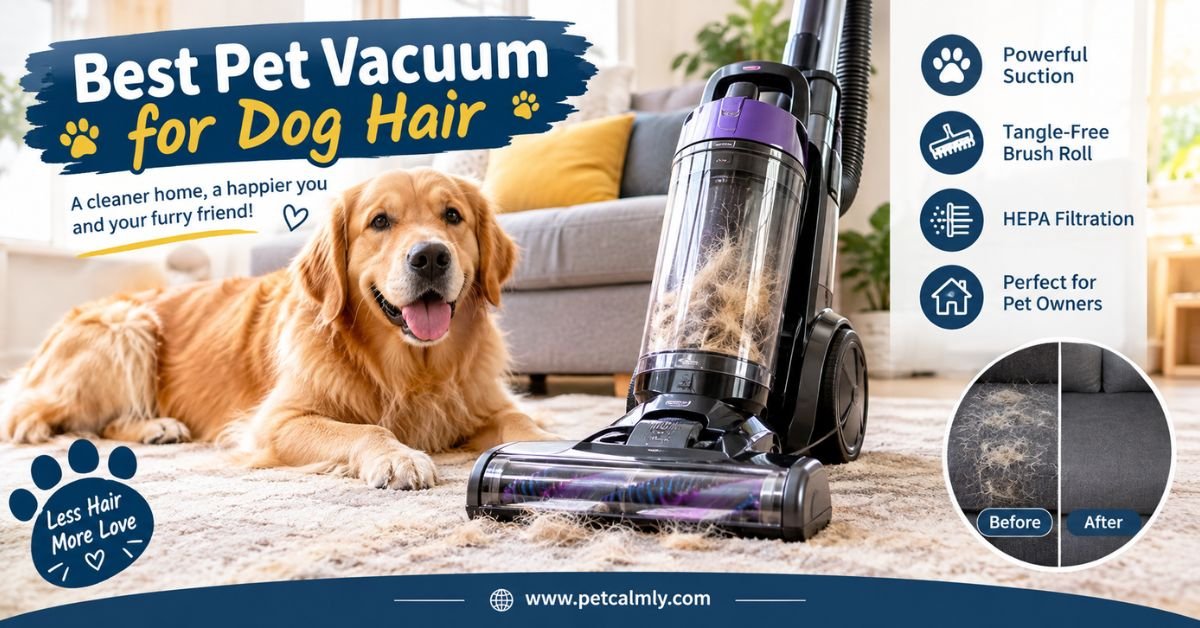
Best Pet Hair Vacuum
If your home includes multiple dogs or heavy seasonal shedders, a pet-focused vacuum can become your most valuable cleaning tool.
Unlike basic household vacuums, pet models often include:
- Motorized brush attachments
- High-efficiency filtration
- Upholstery tools
- Tangle-resistant brush rolls
- Strong suction for pet hair
Ideal for
- Whole-house cleaning
- Carpet
- Hardwood floors
- Furniture
- Curtains
- Pet sleeping areas
Although they’re usually a larger investment, quality pet vacuums save considerable time in homes with constant shedding.
Best Grooming Brush for Shedding Dogs
The easiest dog hair to clean is the hair that never reaches your furniture.
Regular grooming removes loose undercoat before it falls throughout the home.
Good for
- Double-coated breeds
- Seasonal shedding
- Thick coats
- Long-haired dogs
Benefits
- Reduces household hair
- Removes dead undercoat
- Helps distribute natural skin oils
- Keeps coats healthier
- Makes bathing easier
Remember that different coat types require different brushes. A slicker brush may suit one breed, while a deshedding tool is better for another.
Best Pet Hair Remover for Furniture
Furniture is often where dog hair becomes most noticeable.
Fabric upholstery tends to trap loose fur between woven fibers.
The most effective furniture tools typically include:
- Reusable rollers
- Rubber brushes
- Upholstery cleaning tools
- Fabric-safe scraping tools
Helpful tip
Work in one direction rather than scrubbing back and forth. This gathers hair into larger clumps that are easier to remove.
Best Dog Hair Remover for Clothes
Most dog owners discover pet hair just before leaving the house.
Keeping a compact hair remover near your front door or in your car can make last-minute touch-ups much easier.
Useful options include:
- Reusable lint brushes
- Compact pet hair rollers
- Travel-size lint removers
- Washable fabric brushes
Dark clothing usually shows hair more easily, so regular maintenance helps keep outfits looking neat.
Best Dog Hair Removal Tool for Cars
Cars can quickly collect surprising amounts of pet hair, especially after trips to the park, beach, or veterinarian.
Hair often settles into:
- Fabric seats
- Floor mats
- Cargo areas
- Seat creases
- Door pockets
Helpful tools include:
- Rubber brushes
- Small handheld vacuums
- Compact pet rollers
- Silicone detailing brushes
Cleaning your vehicle regularly prevents hair from becoming deeply embedded over time.
Product Comparison Table
| Product Type | Best For | Reusable | Beginner Friendly | Works on Thick Hair |
|---|---|---|---|---|
| Reusable Hair Roller | Furniture | ✅ | ✅ | ✅ |
| Rubber Brush | Upholstery | ✅ | ✅ | ✅ |
| Carpet Hair Remover | Carpets | ✅ | ✅ | Excellent |
| Pet Vacuum | Whole House | ✅ | ✅ | Excellent |
| Grooming Brush | Preventing Shedding | ✅ | ✅ | Excellent |
| Sticky Lint Roller | Clothing | ❌ | ✅ | Moderate |
| Silicone Grooming Glove | Daily Grooming | ✅ | ✅ | Moderate |
How to Build an Effective Dog Hair Removal Routine
Buying great tools is only part of the solution.
Consistency makes the biggest difference.
Here’s a simple routine many dog owners find manageable.
Daily
- Remove hair from furniture.
- Sweep or vacuum high-traffic areas.
- Brush clothing before leaving home if needed.
Time required: 5–10 minutes.
Every Few Days
- Brush your dog.
- Clean pet bedding.
- Vacuum rugs and carpets.
- Wipe hard floors.
Time required: 20–30 minutes.
Weekly
- Deep vacuum the home.
- Clean upholstery.
- Wash blankets.
- Empty and clean reusable tools.
Monthly
- Clean vacuum filters.
- Wash grooming brushes.
- Inspect furniture for trapped hair.
- Rotate or replace worn cleaning tools if necessary.
Features That Make a Product Worth Buying
When comparing best dog hair removal products, focus on performance instead of marketing claims.
Look for products that offer:
Comfortable Handle
You’ll likely use the tool often.
A comfortable grip reduces hand fatigue.
Washable Design
Reusable tools are easier to maintain and generally last longer.
Durable Construction
Quality materials usually outperform cheaper plastic alternatives over time.
Easy Hair Disposal
Products with self-cleaning chambers or removable compartments simplify cleanup.
Fabric Safety
Choose tools designed specifically for upholstery if you have delicate furniture.
Lightweight Build
Lightweight tools are easier to use during longer cleaning sessions.
5 Common Mistakes Dog Owners Make
Even good products can disappoint if they’re used incorrectly.
Waiting Too Long Between Cleaning
Large hair buildups become harder to remove.
Frequent light cleaning is usually easier than occasional deep cleaning.
Using the Wrong Tool
Not every surface requires the same product.
For example:
- Carpet tools perform differently than clothing rollers.
- Grooming brushes aren’t designed for furniture.
- Upholstery tools may scratch hardwood floors.
Matching the tool to the surface improves results.
Skipping Regular Grooming
Many owners focus only on cleaning the house.
Removing loose hair directly from your dog often reduces household shedding significantly.
Ignoring Vacuum Maintenance
A clogged filter or full dust container reduces suction.
Regular maintenance keeps vacuums performing efficiently.
Scrubbing Too Aggressively
Excessive pressure can damage delicate fabrics.
Gentle, repeated passes usually remove more hair safely.
Cleaning and Maintaining Your Hair Removal Products
Good maintenance extends the life of your tools.
Reusable Rollers
- Empty after each use.
- Wipe with a dry cloth.
- Store in a clean, dry place.
Rubber Brushes
- Rinse with warm water.
- Air dry completely.
- Remove trapped hair after each cleaning session.
Grooming Brushes
Clean away loose fur after every brushing session.
Wash occasionally according to the manufacturer’s instructions.
Vacuum Attachments
Check brush rolls regularly.
Hair wrapped around rotating brushes reduces cleaning performance.
Can Diet Affect How Much Hair You Clean Up?
To some extent, yes.
Healthy skin supports a healthy coat.
Dogs eating complete, balanced diets often maintain stronger hair that sheds normally rather than excessively.
Nutrients that support coat health include:
- High-quality protein
- Omega-3 fatty acids
- Omega-6 fatty acids
- Zinc
- Vitamin E
If your dog suddenly begins shedding much more than usual despite good nutrition, it’s worth discussing the change with your veterinarian.
Seasonal Shedding: What to Expect
Many dogs shed more heavily in spring and fall.
During these periods, you may need to:
- Brush more frequently.
- Vacuum more often.
- Wash pet bedding weekly.
- Clean furniture every few days.
- Use deshedding tools consistently.
Accepting that seasonal shedding is normal helps set realistic expectations.
The goal isn’t to eliminate shedding completely it’s to manage it efficiently.
When Should You Worry About Excessive Dog Shedding?
All dogs shed to some degree, even breeds that are considered low-shedding. However, there are times when an increase in hair loss deserves closer attention.
If your dog’s coat suddenly changes or the shedding becomes much heavier than usual, it’s worth looking for other signs that may point to an underlying problem.
Contact Your Veterinarian If You Notice:
- Bald patches or thinning areas
- Red, inflamed, or irritated skin
- Constant scratching or biting at the skin
- Open sores or scabs
- Fleas, ticks, or other parasites
- A dull, brittle coat
- Unpleasant skin odor
- Hair falling out in large clumps
- Sudden excessive shedding without a seasonal change
- Changes in appetite, energy level, or behavior alongside hair loss
These symptoms can be associated with allergies, skin infections, parasites, hormonal disorders, nutritional deficiencies, or other medical conditions. Early diagnosis often makes treatment easier and helps restore healthy skin and coat condition.
What Should Pet Owners Do to Reduce Dog Hair?
Managing dog hair isn’t about finding one perfect product it’s about creating a routine that prevents loose fur from building up.
The following habits make a noticeable difference in most homes.
Brush Your Dog Consistently
Regular brushing removes loose hair before it lands on your floors and furniture.
The ideal schedule depends on your dog’s coat:
| Coat Type | Recommended Brushing |
|---|---|
| Short Coat | 1–2 times per week |
| Medium Coat | 2–3 times per week |
| Long Coat | Daily or every other day |
| Double Coat | Several times weekly, more during shedding season |
Always choose a brush designed for your dog’s coat type to avoid damaging the hair or irritating the skin.
Bathe Your Dog When Appropriate
Bathing helps loosen dead hair and removes dirt, oils, and debris from the coat.
Avoid bathing too frequently unless your veterinarian recommends it, as overbathing may dry out the skin in some dogs.
Use a shampoo formulated specifically for dogs, and rinse thoroughly to prevent residue from irritating the skin.
Wash Pet Bedding Regularly
Dog beds, blankets, and crate pads collect large amounts of loose fur.
Aim to wash washable bedding every one to two weeks, or more often during heavy shedding seasons.
Vacuum Frequently
Instead of waiting until hair becomes noticeable, vacuum high-traffic areas several times each week.
This prevents pet hair from becoming deeply embedded in carpets and upholstery.
Keep Furniture Covered
If your dog has favorite sleeping spots, washable furniture covers can make cleanup much easier.
Simply remove the cover, shake it outdoors if appropriate, and wash it as needed.
Feed a Balanced Diet
Healthy nutrition supports healthy skin and coat.
A complete and balanced diet provides the nutrients needed for normal hair growth and healthy shedding.
Fresh drinking water is equally important for maintaining skin hydration.
Stay Ahead of Seasonal Shedding
Many breeds experience heavier shedding in spring and fall.
Preparing in advance can save hours of cleaning later.
During these periods:
- Increase brushing sessions.
- Vacuum more often.
- Groom outdoors when possible.
- Wash bedding weekly.
- Keep hair removal tools easily accessible.
Preventing Dog Hair From Taking Over Your Home
While shedding can’t be eliminated, you can make it much easier to manage.
Create a Grooming Station
Keep brushes, towels, and hair removal tools together in one location.
This makes quick grooming sessions more convenient.
Brush Before Coming Indoors
If you’ve been hiking or playing outside, a quick brushing before entering the house removes loose hair and outdoor debris.
Clean Small Areas Daily
Five minutes of daily cleaning often prevents an hour of cleaning later in the week.
Use the Right Tool for the Job
Different surfaces require different approaches.
For example:
| Surface | Best Tool |
|---|---|
| Sofa | Reusable pet hair roller |
| Carpet | Carpet hair remover |
| Hardwood floor | Microfiber dust mop or pet vacuum |
| Clothing | Lint roller |
| Car seats | Rubber brush |
| Pet bed | Reusable roller or vacuum attachment |
Common Myths About Dog Hair Removal Products
There is plenty of misinformation surrounding pet hair management. Let’s separate fact from fiction.
Myth 1: Expensive Products Always Work Better
Not necessarily.
A simple rubber brush can outperform a costly gadget on certain fabrics. The best product depends on the surface you’re cleaning and your dog’s coat type.
Myth 2: Shaving a Dog Stops Shedding
For most breeds, shaving does not stop shedding.
Hair continues to grow and shed naturally, and shaving may even interfere with the protective function of the coat in some breeds.
Always consult a professional groomer or veterinarian before shaving a double-coated dog.
Myth 3: One Tool Cleans Everything
No single product works equally well on carpets, furniture, clothing, vehicles, and hardwood floors.
Using a combination of tools usually produces the best results.
Myth 4: Shedding Means Your Dog Is Unhealthy
Normal shedding is a healthy, natural process.
Only excessive shedding accompanied by other symptoms should raise concern.
Quick Checklist for Choosing the Best Dog Hair Removal Products
Before making a purchase, ask yourself:
- ✔ What surfaces need cleaning most often?
- ✔ Does my dog shed lightly or heavily?
- ✔ Do I want a reusable or disposable product?
- ✔ Is the tool easy to clean?
- ✔ Will it work on multiple surfaces?
- ✔ Is it comfortable to use regularly?
- ✔ Does it fit my budget?
- ✔ Can it handle seasonal shedding?
Answering these questions will help you narrow your options and choose products you’ll actually use.
Frequently Asked Questions
1. What is the best dog hair removal product for furniture?
Reusable pet hair rollers and rubber brushes are among the most effective options for fabric furniture. They lift hair quickly, are reusable, and are generally gentle on upholstery.
2. How can I remove dog hair from carpets?
Start with a carpet hair removal tool to loosen embedded fur, then vacuum thoroughly using a vacuum designed to handle pet hair. This combination usually provides better results than vacuuming alone.
3. Do pet hair removal products really work?
Yes. High-quality products designed for pet hair can remove loose and embedded fur much more efficiently than standard household cleaning tools. Choosing the right product for the surface is the key to good results.
4. How often should I groom my dog to reduce shedding?
It depends on your dog’s breed and coat type. Many dogs benefit from brushing at least once or twice a week, while long-haired and double-coated breeds often require more frequent grooming, especially during seasonal shedding.
5. Can diet help reduce excessive shedding?
A balanced diet supports healthy skin and coat condition, which can help maintain normal shedding. If shedding becomes excessive or is accompanied by skin problems, consult your veterinarian to rule out an underlying health issue.
6. Are reusable pet hair removers better than disposable lint rollers?
For everyday household use, reusable pet hair removers are often more economical and environmentally friendly. Disposable lint rollers remain useful for quick touch-ups on clothing or while traveling.
More Information About Pets, Please Visit Our Website: Dog Coat Care Products
How to Reduce Dog Anxiety During Thunderstorms
Best Calming Supplements for Dogs
Conclusion
Finding the best dog hair removal products isn’t about eliminating every strand of fur it’s about making daily life with your dog easier and more enjoyable.
The most effective strategy combines proactive grooming with the right cleaning tools. A reusable pet hair roller for furniture, a rubber brush for upholstery, a reliable carpet hair remover, and a pet-friendly vacuum can dramatically reduce the time you spend cleaning. Pair these with regular brushing and good coat care, and you’ll notice less hair around your home over time.
Remember that some shedding is completely normal. Heavy seasonal shedding, especially in double-coated breeds, is part of a healthy coat cycle. However, sudden or excessive hair loss accompanied by skin irritation, bald patches, or changes in your dog’s overall health should be evaluated by a veterinarian.
By choosing products that match your dog’s coat type and the surfaces you clean most often, you’ll create a routine that’s practical, efficient, and easy to maintain. With a little consistency, you can spend less time chasing dog hair and more time enjoying life with your four-legged companion.