Short direct answer: Yes, Your Dog Likely Understands You Love Him
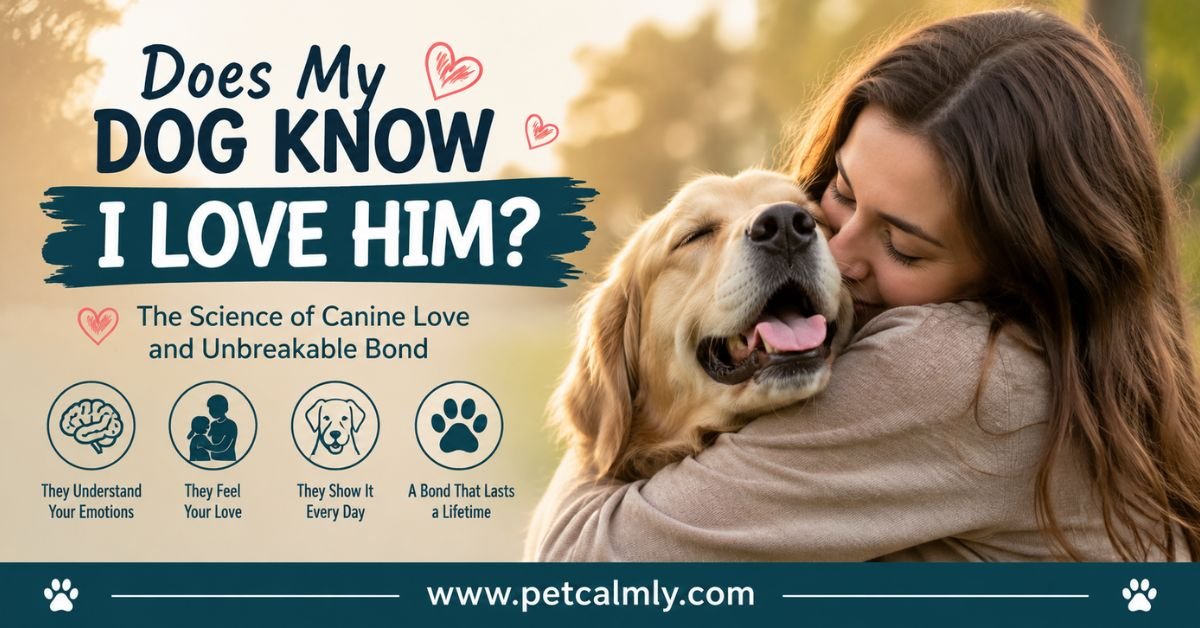
Dogs don’t experience love exactly like humans do, but research shows they recognize emotional affection, respond to your care, and develop genuine attachment. Through body language, behavior patterns, and brain chemistry, dogs demonstrate they understand they’re loved and often return that affection in their own way. The relationship between you and your dog is real, measurable, and worth nurturing.
The Love Question Every Dog Owner Asks
If you’ve ever stared into your dog’s eyes and wondered, Does he actually know I love him? you’re not alone. This question sits at the heart of what many dog owners feel a deep need to know that their affection matters to their companion.
The honest answer: Yes, but not in the way you might think.
Your dog won’t understand the concept of love as a human emotion. He won’t ponder your feelings during quiet moments. But something equally real is happening in his brain and body when you’re together. Your dog recognizes your care, responds to your emotional state, and builds genuine attachment bonds that shape his entire world. And yes, he shows you love back—just in dog language.
This article breaks down what science actually tells us about canine emotions, how dogs show they care, and what behaviors prove your relationship is real and meaningful.
How Dogs Experience Attachment: The Science Behind Canine Love
Understanding the Dog Brain and Bonding
Dogs have been living alongside humans for thousands of years, and that relationship has literally shaped their brains. When you interact with your dog playing, training, feeding, or simply sitting together chemical processes happen inside his head that are measurably similar to human bonding.
The key player here is oxytocin, often called the bonding hormone. When you pet your dog or make eye contact with him, both of your brains release oxytocin. In humans, oxytocin deepens the parent-child bond, romantic attachment, and social trust. In dogs, it triggers feelings of safety, contentment, and connection to you specifically.
Research from Azabu University in Japan found that when dogs and their owners gazed into each other’s eyes, oxytocin levels increased in both the dog and the human. This isn’t just feel-good sentiment it’s measurable neurochemistry showing that bonding happens on both sides of the human-dog relationship.
Dogs also experience dopamine, the reward chemical. When good things happen around you treats, playtime, walks, or just your presence—dopamine gets released. Your dog’s brain literally learns to associate you with positive feelings. Over time, just seeing you triggers a dopamine release. He’s not thinking about this consciously; his brain is hardwired to find you rewarding.
Why Dogs Are Different From Other Pets
Cats, while capable of affection, maintain much stronger independence and control. Fish and reptiles show minimal attachment behavior. Dogs, though, seem uniquely tuned to human emotions and presence. They have an almost desperate need for connection with their owners that goes deeper than simple survival instinct.
This difference exists because of selective breeding and thousands of years of co-evolution. Dogs that were attentive to human emotions, responsive to human intentions, and motivated by human approval were more likely to survive and reproduce. Over generations, dogs evolved to be what researchers call “hypersocial” toward humans naturally inclined to seek out human connection, pay attention to human cues, and respond to human approval.
Your individual dog inherited this wiring. It means he’s genuinely built to care about what you think and how you feel.
How Dogs Show They Love You: Recognizing Dog Affection
Body Language Signs Your Dog Cares
Dogs can’t tell you verbally that they love you, but their body communicates constantly. Learning to read these signals proves your dog understands the relationship you share.
The Soft Eye Contact and Slow Blink
When your dog looks at you with soft, relaxed eyes not staring hard or showing white around the eyes—he’s comfortable and trusting. If your dog gives you a slow blink (closing his eyes slowly while looking at you), that’s essentially a dog kiss. He’s communicating that he feels safe enough to close his eyes in your presence. You can slow blink back to strengthen this connection.
Leaning Into You
When your dog presses his body against your leg or leans against you while sitting, he’s not just being cute. He’s showing trust and seeking comfort from you. Dogs lean against people they consider safe and important. It’s a sign he views you as his secure base.
Bringing You Toys
This behavior often confuses owners. A dog who brings you his favorite toy isn’t necessarily asking you to throw it (though that might be part of it). He’s showing you something he finds valuable and trusting you with it. To a dog, this is a significant gesture of affection and trust.
Seeking You Out When Stressed
If your dog comes to find you when he’s scared, anxious, or unsure, that’s his way of saying, “I trust you to make this better.” Dogs don’t seek comfort from people they don’t have attachment to. This behavior proves you’re his security anchor.
Raised Eyebrows and Attention to Your Face
Recent research shows that dogs have evolved specific facial muscles that allow them to raise their inner eyebrows in a puppy-like expression. They do this primarily when looking at humans they’re attached to. This “puppy dog eyes” expression actually triggers nurturing responses in humans—another example of how dogs have co-evolved with us.
Following You From Room to Room
Your dog isn’t clingy because he’s anxious. Well, not always. Dogs often follow their favorite people because they enjoy your company and want to be near you. He’s choosing to be in the same space as you, which shows he values your presence.
Behavioral Proof of Canine Attachment
Beyond body language, specific behaviors demonstrate that your dog recognizes you as someone important and cares about what you do.
Greeting Behaviors
The way your dog greets you when you come home tail wagging, play bows, excited vocalizations—shows he’s genuinely pleased to see you. If your dog saves this excitement specifically for certain people (like you), it means he has a stronger attachment to those individuals. Dogs don’t waste effort on people who don’t matter to them.
Responding to Your Emotions
Dogs are emotional mirrors. If you’re anxious, your dog often picks up on that and becomes anxious. If you’re calm, he settles. If you’re sad, some dogs will come sit with you or rest their head on you. This responsiveness to your emotional state shows he’s attuned to you and affected by your feelings. He’s not just reacting to your behavior; he’s reading your emotional temperature.
Sleeping Near You
Dogs are vulnerable when sleeping, so they sleep near people they trust. If your dog chooses to sleep on your bed, next to your side of the couch, or in your bedroom, he’s positioning himself close to you during his most vulnerable moments. This is genuine trust and attachment.
Making Eye Contact Choices
Dogs who avoid eye contact entirely may be anxious or uncomfortable. Dogs who stare intensely without softness may be challenging or stressed. But dogs who make regular, soft eye contact with you while relaxed are communicating comfort and connection. Your dog’s choice to look at your face while you interact shows engagement and trust.
The Wagging Tail: What It Actually Means
Not all tail wags mean the same thing, and this is where many owners misinterpret their dogs. A loose, relaxed, full-body wag (where the tail moves and the back half of the body wiggles) typically signals happiness and positive association. A stiff, tense wag might indicate alertness or uncertainty.
The direction of the wag matters too. Some research suggests dogs wag more to the right (moving their tail to their right side) when they see their owners and familiar people they like. They wag more to the left when stressed or seeing something unfamiliar. It’s subtle, but it shows your dog’s brain is responding differently to you than to strangers.
Do Dogs Actually Feel Love Like Humans, or Is It Something Different?
The Honest Middle Ground on Dog Emotions
This question gets philosophical quickly. The truth is: we can’t know exactly what your dog’s inner experience feels like. We can measure brain chemistry, observe behavior, and make educated inferences, but we can’t crawl into his consciousness.
What we can say with confidence is that dogs experience attachment—a genuine drive to be near you, seek your comfort, and respond to your presence. Whether you call that “love” depends on how you define the word.
Dogs almost certainly don’t experience love the way humans do. Your dog isn’t thinking about your character, your life goals, or your worth as a person. He’s not planning a future with you or reflecting on your relationship during quiet moments.
But dogs do experience:
- Preference for certain people
- Comfort in your presence
- Stress when separated from you
- Joy at reunion
- Physical contentment when touching you
- Motivation to seek your approval
- Sadness when you’re gone
For most dog owners, this is enough. The reality is more grounded and perhaps more genuine than the Disney version, but it’s real and meaningful.
Why Dogs Can’t Love Humans Exactly Like Humans Love Each Other
Dogs lack certain cognitive abilities that human love requires. They can’t reflect on character, anticipate future needs, make sacrifices based on principle, or love someone despite disagreeing with them. Human love often involves complex reasoning and choice.
Dog attachment is simpler and, in some ways, purer. It’s not about choosing to love despite flaws. It’s about genuine, uncomplicated connection based on safety, positive association, and neurochemical bonding.
For owners, this is often less complicated and more consistent than human love. Your dog won’t love you less because you had a bad day or said something thoughtless. His attachment to you is steadier, in many ways.
Signs Your Dog Might Not Feel Bonded to You (And What to Do)
When Attachment Isn’t Forming
In most cases, dogs naturally bond with their primary caregivers. But sometimes, the bond feels one-sided or doesn’t develop the way owners expect. Understanding why helps you address it.
Your Dog Ignores You or Avoids Your Touch
If your dog consistently avoids eye contact, walks away when you approach, or shows no excitement when you come home, there might be a bonding issue. This could indicate:
- Fear or anxiety around you
- Lack of positive experiences together
- Past trauma or abuse (common in rescue dogs)
- Health issues causing pain
- Overstimulation from too much attention or rough handling
Your Dog Shows No Preference for You Over Other People
While it’s normal for some dogs to be social butterflies, most develop stronger attachments to primary caregivers. If your dog shows equal or greater interest in strangers than you, it might mean he doesn’t associate you with safety or positive experiences.
Your Dog Doesn’t Seek Comfort From You
When scared, most dogs seek out their trusted person. If your dog consistently avoids you when stressed, he may not see you as his security provider yet.
How to Build or Strengthen Bonding
If you feel like your relationship is missing something, these approaches help deepen attachment:
Increase Positive Associations
Spend time together doing things your dog genuinely enjoys. Play his favorite games, take walks to places he loves, or simply sit together without demanding anything from him. Your presence should equal good things happening.
Be Consistent and Predictable
Dogs bond best with people who are reliable. Consistent routines, predictable reactions, and stable emotions make you feel safe to your dog. Erratic or unpredictable behavior—yelling, sudden movements, inconsistent rules—makes bonding harder.
Respect His Boundaries
Some dogs are simply less touchy-feely than others. A dog who doesn’t love cuddling can still be deeply bonded to you. He might prefer playing, walking, or just coexisting in the same space. Meet him where he is instead of forcing the relationship you imagine.
Create Shared Positive Experiences
Training sessions, puzzle toys you solve together, games, or adventures where you’re on the same team build stronger bonds than one-sided interactions. Cooperation and shared success create attachment.
Avoid Punishment-Based Interactions
If most of your interactions involve scolding, corrections, or stress, your dog will bond less strongly. He’ll view you as unpredictable or threatening rather than safe. Positive reinforcement and patience build much stronger attachment.
Give Him Time
Some dogs (particularly rescues with trauma histories) need weeks or months to warm up. Consistent, gentle presence eventually builds trust, but forcing it usually backfires.
6 Common Mistakes That Damage the Bond
What Owners Do That Weakens Attachment
Understanding these mistakes helps you avoid them:
1: Punishing Your Dog for Being Excited to See You
If your dog jumps on you when you come home and you yell at him or push him away, you’re punishing him for expressing attachment. He’s excited about your return that’s good. Redirecting him to sit is better than making him think his enthusiasm for you is wrong.
2: Inconsistent Rules About Touch and Personal Space
If you sometimes allow your dog on the furniture and sometimes punish him for it, you create confusion and damage trust. Dogs need predictability to feel secure. Consistent rules, kindly enforced, build attachment better than inconsistent reactions.
3: Too Much Physical Correction
Shock collars, alpha rolls, harsh leash corrections, or physical punishment might suppress unwanted behavior in the moment, but they damage attachment. Your dog learns that you’re unpredictable or painful, not that the behavior is wrong. Fear-based training creates anxiety, not bonding.
4: Ignoring Him When He Seeks Connection
If your dog brings you a toy or seeks your attention and you consistently ignore him, he’ll stop trying. He’ll learn that you’re not a source of positive interaction. While you can’t respond to every demand, regularly rejecting his bids for connection weakens the relationship.
5: Showing Anger After Accidents or Mistakes
Dogs live entirely in the present. When you find a puddle from hours ago and punish your dog, he doesn’t connect your anger to his accident. He just learns that your return sometimes means anger, which increases his anxiety about your arrival. This damages attachment.
6: Forcing Interactions He Doesn’t Want
Some owners insist on hugs, kisses, or cuddles when their dogs clearly don’t enjoy them. Respect your dog’s boundaries about touch. A dog who tolerates hugs but doesn’t enjoy them isn’t more bonded than a dog who prefers sitting nearby. Both are showing attachment; one just has different preferences.
How to Show Your Dog You Love Him (In Ways He Actually Understands)
Dog Love Languages: What Actually Matters to Your Dog
Just as humans have different love languages, dogs do too. What proves your love to one dog might be meaningless to another. Understanding your dog’s preferences strengthens your bond.
Quality Time and Presence
Simply being together, without demanding anything, matters to many dogs. Sitting on the floor while he plays nearby, taking slow walks where he leads you, or just coexisting in the same room—these say, “I want to be with you.”
Play
Interactive play is how dogs show joy and build connection. Fetch, tug (with appropriate rules), chase games, or any play your dog initiates or enjoys—this is bonding time. Your dog is choosing to engage with you, and you’re creating shared joy.
Touch That Respects His Preferences
Some dogs love extended petting; others prefer quick, light touches. Some dogs love the head; others prefer back or sides. Watch what makes your dog close his eyes, lean in, or physically relax. Pet him in those ways regularly. This communication—”I’m learning what you like”—matters.
Feeding and Care
You might not think feeding matters, but the person who consistently provides food is viewed as a provider and caretaker. Regular, reliable feeding at predictable times is part of the foundation of attachment. If your dog watches for you at dinner time and gets excited, that’s affection.
Routine and Predictability
A consistent daily routine—walking at certain times, meals at predictable hours, playtime in the afternoons—creates security. Your dog can count on you. This reliability is how he knows you’re trustworthy and important.
Training With Positive Reinforcement
Teaching your dog new things using rewards, praise, and encouragement builds attachment differently than punishment-based training. He learns that working with you is rewarding. You become the source of good things happening.
Protecting His Space and Respecting His Needs
If your dog has a favorite resting spot and you protect it (not letting kids climb on him while he rests, giving him space when he needs it), you’re showing respect. Dogs bond with people who respect their boundaries, not people who override them.
Your Consistent Emotional Presence
Dogs are emotional mirrors. Staying calm when your dog is anxious, maintaining patience during training, keeping your voice gentle—your emotional stability is something your dog relies on. This consistency builds deep attachment.
Frequently Asked Questions
1: Can puppies love their owners?
Puppies can absolutely bond with caregivers, and they do build attachment from very young ages. Puppies respond to familiar people, seek comfort from them, and show preference for their primary caregiver. However, puppy brains are still developing, so their attachment might seem less consistent than adult dogs’. A puppy might be intensely focused on you one moment and completely distracted by a toy the next—that’s normal development, not a sign of weak bonding. As puppies mature (around 12-18 months, varying by breed), their attachment usually deepens and stabilizes.
2: Why does my dog only show affection to one family member?
Dogs often form stronger attachments to one person (usually the primary caregiver) than others, especially in a multi-person household. This happens because one person typically handles feeding, training, walks, and most of the positive interactions. To your dog, that person = good things. If you want to strengthen the bond with your dog, spend more one-on-one time with him doing things he enjoys. Let him associate you with fun and care, not just other family members.
3: If my dog has never been affectionate, does he not love me?
Not necessarily. Some dogs are naturally less demonstrative than others—it’s partly temperament and partly breed. Border Collies and Golden Retrievers tend to be outwardly affectionate. Many independent breeds (some Huskies, Chows, or Akitas) show affection differently. Your less-demonstrative dog might be deeply bonded while showing it through subtle signals: following you around, sleeping near you, or calm eye contact. If your dog follows you from room to room or seeks your presence when stressed, he’s showing affection—just quietly. That’s love too.
4: How long does it take for a rescue dog to bond with me?
This varies dramatically based on the dog’s history. Some rescue dogs bond within days. Others need weeks or months. Dogs with trauma histories may take even longer. There’s no timeline for building trust after fear or abuse. The most important factor is consistency: showing up reliably, being predictable, avoiding punishment, and giving the dog time. Some rescues surprise their owners by suddenly showing deep affection after weeks of seeming standoffish. Patience pays off.
5: My dog doesn’t make eye contact. Does that mean he doesn’t love me?
Not at all. While soft eye contact is one way dogs show attachment, it’s not the only way and for some dogs, it’s not the natural way. Some cultures and individual dogs view direct staring as rude or threatening. A dog might deeply love you while avoiding intense eye contact. Look for other signs of bonding: following you, seeking comfort from you, excitement at your return, or relaxation around your presence. These all indicate genuine attachment even without the eye contact.
6: Can dogs feel jealousy or miss you when you’re gone?
Dogs show behaviors that look like jealousy (acting protective when another person touches you or becoming clingy when someone new joins the household). Whether this is jealousy in the emotional sense or just resource guarding instinct is debatable. What we know for certain: dogs do become stressed when separated from their attachment figure. Some dogs show anxiety when you leave, and joy when you return. This stress-and-reunion cycle suggests your dog genuinely misses you, or at least experiences distress at your absence. That’s meaningful attachment.
More Information About Pets, Please Visit Our Website: How to Stop Dog Separation Anxiety Barking
How Do I Stop Dog Peeing in House?
How Can I Train My Dog to Sit
Why do Dogs Stretch When They See You
How to Teach a Dog Recall
How to Teach a Dog to Stay Home Alone
How to Train a Stubborn Dog
When to Worry About Bonding and When to Seek Help
Red Flags That Suggest a Bonding Problem
Most dogs naturally bond with their caregivers, but sometimes professional help is needed:
Persistent Fear or Avoidance of You
If your dog consistently cowers, hides, or retreats when you approach, especially after weeks or months of gentle interaction, there may be a deeper issue. This could indicate past abuse, but it could also signal anxiety issues or fearfulness unrelated to you specifically. A certified dog behaviorist can help assess what’s happening.
Aggression Toward You
If your dog shows resource guarding specifically to you, guards toys from you but not others, or acts defensively when you approach, this needs professional attention. It’s not a bonding problem you can solve with extra love. A certified professional (IAABC or CCPDT) can help determine if this is anxiety, learned behavior, or something else.
Complete Disinterest in You
If your dog shows no response to you whatsoever doesn’t react to you entering the room, shows no stress when you leave, takes food from your hand with no acknowledgment there might be medical issues (hearing loss, cognitive decline) or developmental differences worth exploring with your vet.
Extreme Separation Anxiety
Some anxiety about your absence is normal. But if your dog destroys the house, injures himself, or shows signs of extreme panic when you leave, this often requires professional behavior modification and sometimes medication. Your vet can refer you to a veterinary behaviorist (a specialist with additional training).
When to Talk to Your Vet or a Behaviorist
Schedule a professional consultation if:
- Your dog’s behavior has suddenly changed
- He shows signs of fear or anxiety that don’t improve with time
- You’re concerned about his emotional well-being
- He shows aggression
- He has extreme separation anxiety
- You inherited a dog or rescue and aren’t sure how to build the relationship
A certified professional can rule out medical issues, assess your dog’s specific needs, and give you a tailored plan. This is especially important because some behavior problems improve dramatically with professional guidance while others worsen without intervention.
Conclusion
The answer to “Does my dog know I love him?” is yes, with nuance. Your dog doesn’t understand love as a philosophical concept or ponder your devotion. But he recognizes your care, bonds with you through measurable brain chemistry, and builds genuine attachment.
That attachment shows up in soft eyes, excited greetings, the choice to sit near you, and the seeking comfort from you during stress. Your dog might never verbally confirm his feelings, but his body and behavior constantly communicate that you matter to him.
The love between you and your dog is real just different from human love. It’s simpler in some ways, more consistent in others. It doesn’t require him to understand your intentions or appreciate your sacrifice. It just requires that you show up, keep him safe, and let him know through predictable care and calm presence that he’s important to you.
Most of the time, that’s exactly what he returns. Not human love, but something equally meaningful: genuine attachment, consistent bonding, and the simple peace of a dog who knows he’s safe with you.
That’s worth more than the words “I love you” anyway.