Short direct answer
Most dogs should be bathed every 4-6 weeks in winter to avoid stripping their natural oils, which protect against dry, cold air. However, this varies by breed, activity level, and skin health active outdoor dogs may need more frequent baths, while indoor pups can go longer. Always use lukewarm water and moisturizing shampoo for best results.
As a pet owner in the chilly USA winter months, you want your furry friend to stay clean without risking skin irritation or discomfort. Bathing too often can lead to dryness, itching, and even infections due to low humidity and indoor heating. Getting the frequency right keeps your dog’s coat healthy, reduces odors, and strengthens your bond through proper care.
Factors That Affect Bathing Frequency in Winter
Winter weather changes how often your dog needs a bath. Cold temperatures, snow, and dry indoor air from heaters make skin more sensitive. Over-bathing removes essential oils that insulate and moisturize the coat.
Consider your dog’s lifestyle: Indoor dogs in apartments might only need a bath every 6-8 weeks, as they avoid mud and salt from roads. Outdoor adventurers, like those playing in snow, could require cleaning every 3-4 weeks to remove debris.
Breed plays a big role too. Short-haired breeds like Beagles tolerate less frequent baths, while long-haired ones like Golden Retrievers trap more dirt and may need more attention.

Breed-Specific Bathing Guidelines
Different breeds have unique coat types that influence winter bathing needs. For example, double-coated breeds like Huskies have natural oils that repel water and dirt bathe them only every 2-3 months to prevent matting.
Oily-coated dogs, such as Basset Hounds, might need baths every 4 weeks to control odor, even in winter. Hairless breeds like Chinese Cresteds require weekly gentle washes with moisturizers to combat dryness from cold air.
Always check your dog’s specific needs. A Labrador in snowy New York might need bi-weekly spot cleans if it rolls in slush, unlike a Chihuahua cozy indoors in California.
Impact of Winter Weather on Your Dog’s Skin and Coat
Low humidity in winter zaps moisture from your dog’s skin, making it flaky. Road salt and ice melt can irritate paws and fur, leading to more frequent rinses but not full baths.
Indoor heating worsens this by creating a desert-like environment. Signs include excessive scratching or dull fur. In real life, a dog walking on salted sidewalks might come home with crusty paws, needing a quick foot bath to prevent burns.
Practical tip: Monitor for environmental triggers like pollen in milder winters or mud from rain in the Pacific Northwest.
Activity Level and Lifestyle Considerations
Active dogs get dirtier faster. If your pup hikes in winter forests or plays at dog parks, bathe every 4 weeks to remove allergens and prevent infections.
Sedentary indoor dogs, common in urban USA homes, can stretch to 8 weeks. For example, a senior dog lounging by the fire might only need spot cleaning for accidents.
Balance this with health: Puppies or dogs with allergies may require specialized schedules consult a vet for tailored advice.
Signs Your Dog Needs a Bath in Winter
Watch for practical indicators rather than sticking to a rigid calendar. A strong odor, especially around the ears or rear, signals it’s time common in breeds like Bulldogs during cabin fever months.
Visible dirt, greasy fur, or constant itching are red flags. In winter, look for white flakes (dandruff) from dry skin or yellow stains from snow urine.
Real-life example: If your dog shakes off snow and leaves muddy paw prints everywhere, a bath prevents tracking grime indoors and keeps everyone healthier.
How to Bathe Your Dog Safely in Winter
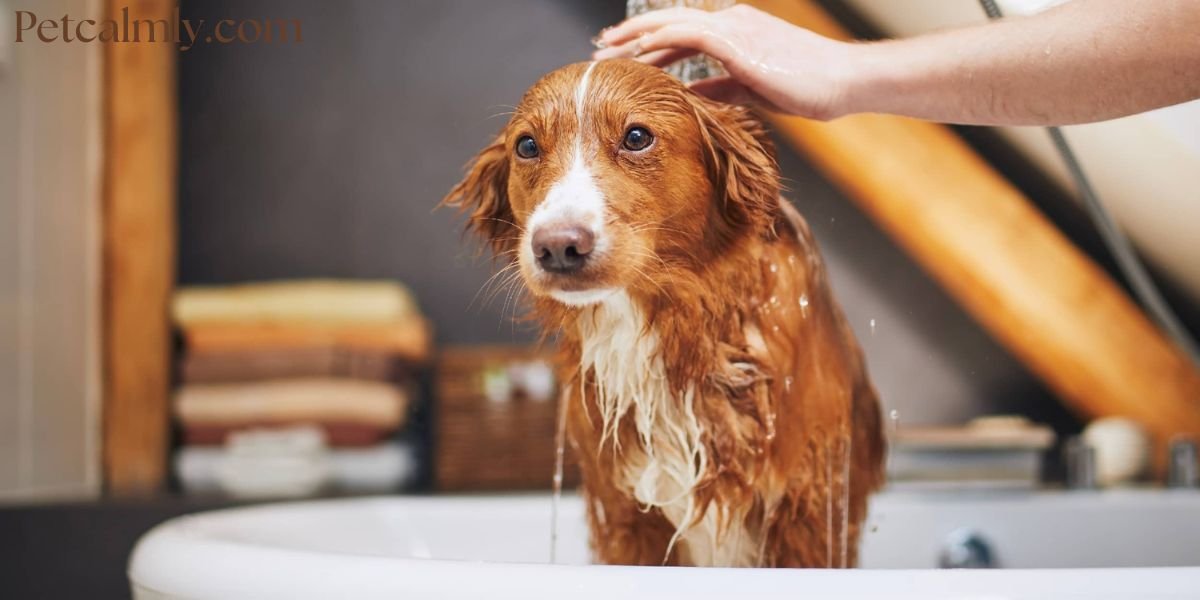
Use room-temperature water to avoid shocking their system cold water chills them, hot dries skin. Choose a hypoallergenic, oatmeal-based shampoo for moisture.
Bathe in a warm bathroom, dry thoroughly with towels and a low-heat blower. In freezing areas like the Midwest, limit baths to indoors and ensure your dog is completely dry before going out.
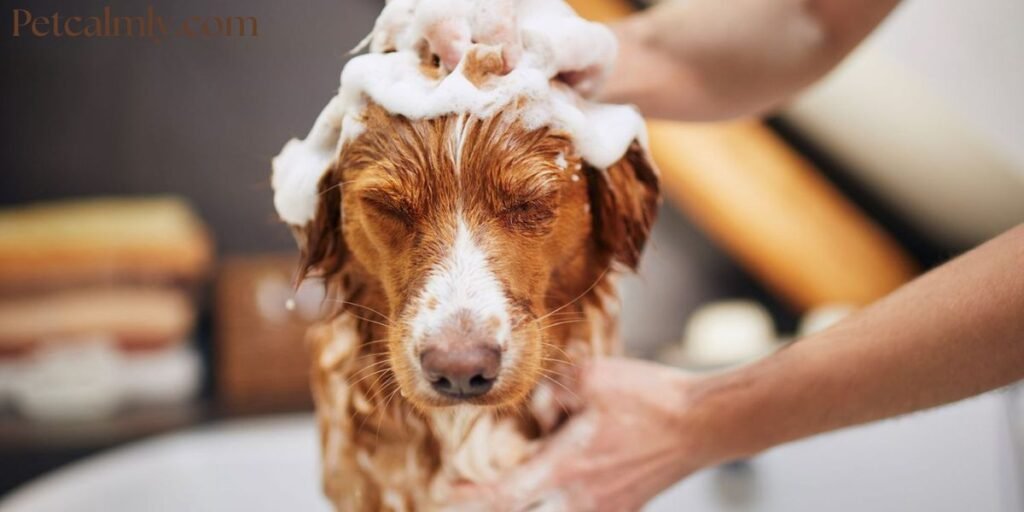
Step-by-step: Wet the coat gently, lather from neck down, rinse well, and apply conditioner if needed. This prevents chills and maintains coat health.
Choosing the Right Products
Opt for dog-specific shampoos without harsh chemicals brands like Earthbath or Burt’s Bees offer winter-friendly options with natural oils.
Avoid human products; they alter pH and cause irritation. For dry skin, try aloe vera formulas. In stores like Petco, look for “moisturizing” labels.
Test for allergies first: Apply a small amount and watch for redness.
When Should You Be Concerned?
Be alert if your dog shows persistent itching, red patches, or hair loss after bathing these could signal over-bathing or allergies exacerbated by winter dryness.
Excessive dandruff, foul smells despite cleaning, or lethargy might indicate underlying issues like hypothyroidism or infections. In cold climates, watch for frostbite risks if not dried properly post-bath.
Seek vet help immediately if symptoms worsen. For instance, a dog scratching raw spots needs professional diagnosis to rule out mites or dietary problems.
What Should Pet Owners Do?
Monitor your dog’s coat weekly: Brush to remove loose fur and check for dirt this can extend time between baths.
Use dry shampoos or wipes for quick cleans, ideal for winter. Always warm the bathing area and use non-slip mats for safety.
Actionable tips: Schedule baths on warmer days, follow with treats for positive association, and hydrate your dog’s skin with omega-3 supplements if vet-approved.
Stock up on paw balms to protect against salt, and consider humidifiers at home to combat dry air.
More Information About Pets, Please Visit Our Website: Can I put coconut oil in dogs ears
How Often Should I Bathe My Dog with Skin Allergies
Conclusion
Bathing your dog in winter is about balance aim for every 4-6 weeks, adjusted to their needs, to keep them comfortable and healthy. By understanding factors like breed and weather, you’ll prevent issues and enjoy a happier pet. Remember, a clean dog is a content one; consult your vet for personalized advice to ensure the best care through the cold season.
Frequently Asked Questions
How often should I bathe my puppy in winter?
Puppies have sensitive skin, so limit baths to every 6-8 weeks unless they’re very dirty. Use gentle puppy shampoo and ensure they’re warm and dry afterward to avoid chills.
Can I use human shampoo on my dog during cold months?
No, human shampoos are too harsh and disrupt your dog’s skin pH, leading to dryness. Stick to pet-formulated products with moisturizers for winter protection.
What if my dog hates baths in winter?
Make it positive with treats and warm water. Try bathing less often and use waterless sprays. If resistance persists, a groomer can help with professional techniques.
How do I dry my dog quickly after a winter bath?
Towel dry first, then use a pet-safe blow dryer on low heat. Keep them indoors until fully dry to prevent hypothermia, especially in snowy areas.
Is it okay to bathe my dog more if they have allergies in winter?
Only if a vet recommends it use medicated shampoos sparingly to avoid further irritation. Focus on allergen control like wiping paws after walks instead.
What home remedies help with dry dog skin in winter?
Add fish oil to their diet for omega-3s, use coconut oil topically, and run a humidifier. These natural aids moisturize without frequent bathing.