The dog gut microbiome refers to the vast community of microorganisms, including bacteria, fungi, viruses, archaea, and protozoa, that reside in a dog’s gastrointestinal tract. This intricate ecosystem plays a crucial role in your pet’s overall health, influencing everything from digestion and nutrient absorption to immune function and even behavior. As pet owners become more aware of holistic health approaches, understanding the canine gut microbiome has gained significant attention. It’s often called the “second brain” of dogs due to its impact on mental and physical well-being. In this comprehensive guide, we’ll explore what the dog gut microbiome is, its composition, functions, influencing factors, health implications, and ways to support it for a happier, healthier dog.
Whether you’re dealing with a puppy’s developing digestive system or an older dog’s gut issues, grasping the basics of gut bacteria in dogs can help you make informed decisions about diet, supplements, and veterinary care. Let’s dive into the details of canine gut health and why it matters for your furry companion.
Understanding the Composition of the Canine Gut Microbiome
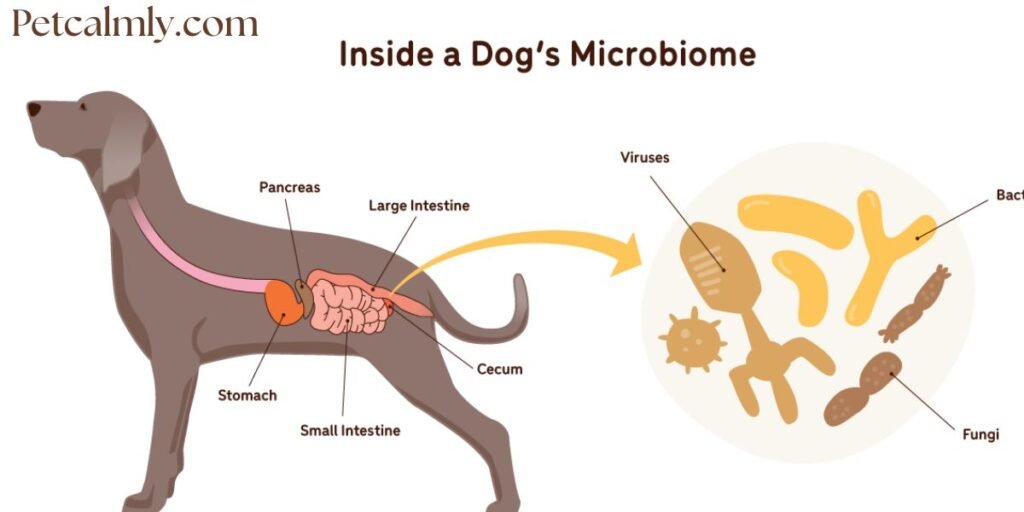
The canine gut microbiome is a dynamic and diverse collection of trillions of microorganisms that inhabit the intestines. In healthy dogs, this microbiome is dominated by bacteria, which make up about 98% of the population. The primary bacterial phyla include Firmicutes, Bacteroidetes, Actinobacteria, Fusobacteria, and Proteobacteria. These groups vary in abundance depending on the dog’s age, breed, and location within the gut such as the small intestine versus the large intestine.
Firmicutes and Bacteroidetes are often the most prominent, aiding in breaking down complex carbohydrates and proteins. Fusobacteria contribute to fermentation processes, while Proteobacteria and Actinobacteria support immune modulation and vitamin production. Beyond bacteria, the microbiome includes fungi like yeasts, viruses (mostly bacteriophages that regulate bacterial populations), and even small numbers of protozoa. This composition isn’t static; it evolves from birth, starting with influences from the mother’s milk and environment.
In puppies, the gut microbiome begins to form during birth and nursing, resembling the mother’s vaginal and milk microbiota initially. As they wean and explore their surroundings, environmental microbes shape this community further. By adulthood, a stable microbiome emerges, but it can shift due to external factors. For instance, breeds like Labrador Retrievers may have slightly different microbial profiles compared to smaller breeds like Chihuahuas, potentially linked to genetic predispositions.
Understanding this composition is key to recognizing dysbiosis an imbalance where harmful bacteria outnumber beneficial ones. Dysbiosis can lead to issues like diarrhea, allergies, or chronic inflammation. Regular vet check-ups, including fecal microbiome testing, can provide insights into your dog’s specific gut bacteria profile, helping tailor interventions for optimal canine microbiome health.
The Role and Functions of the Dog Gut Microbiome
The dog gut microbiome isn’t just a passive resident; it’s an active partner in your pet’s physiology. One of its primary functions is aiding digestion. Beneficial bacteria ferment undigested fibers into short-chain fatty acids (SCFAs) like butyrate, which provide energy to intestinal cells and promote a healthy gut lining. This process enhances nutrient absorption, ensuring your dog gets the most from their food whether it’s proteins for muscle repair or vitamins for immune support.
Beyond digestion, the microbiome acts as a barrier against pathogens. It competes with harmful bacteria for space and resources, producing antimicrobial compounds to keep invaders at bay. This protective role is vital in preventing infections and maintaining gut integrity. Additionally, the canine gut microbiome educates the immune system. About 70-80% of a dog’s immune cells reside in the gut, where microbes train them to distinguish between friend and foe, reducing the risk of autoimmune disorders or allergies.
Metabolically, these microbes influence weight management by regulating energy harvest from food. A balanced microbiome can help prevent obesity by promoting efficient metabolism, while imbalances might contribute to weight gain. Emerging research also links the gut microbiome to behavior. For example, certain bacteria produce neurotransmitters like serotonin, which affect mood. Studies have shown correlations between gut microbiota composition and anxiety or aggression in dogs, suggesting that gut health could influence training and temperament.
In essence, the dog gut microbiome supports holistic health, from physical vitality to emotional stability. Disruptions can ripple through the body, underscoring the importance of nurturing this microbial community through proper care.
Factors Influencing the Dog Gut Microbiome
Several factors shape the canine gut microbiome, making it a highly adaptable system. Diet is perhaps the most influential. High-fiber diets rich in prebiotics (like inulin from chicory root) foster beneficial bacteria growth, while processed foods low in fiber might favor harmful ones. Switching to a raw or home-cooked diet can alter the microbiome within days, often increasing diversity. However, abrupt changes can cause temporary imbalances, so transitions should be gradual.
Age plays a significant role too. Puppies have less diverse microbiomes that mature over the first year, peaking in stability during adulthood. Senior dogs often experience reduced diversity due to slower metabolism and immune changes, increasing vulnerability to diseases.
Environmental factors, such as living in urban versus rural areas, affect exposure to microbes. Dogs in households with other pets or children tend to have more diverse microbiomes, potentially benefiting from shared bacteria. Breed genetics also matter; larger breeds might have microbiomes adapted for higher energy needs.
Medications like antibiotics can drastically alter the microbiome by wiping out beneficial bacteria alongside pathogens, leading to long-term dysbiosis if not managed with probiotics. Stress, exercise levels, and even dog ownership itself can influence human-dog microbiome sharing, creating a symbiotic household ecosystem.
Monitoring these factors allows pet owners to proactively support gut health, preventing issues before they arise.
Health Implications and Diseases Related to Gut Microbiome Imbalance
An imbalanced dog gut microbiome, or dysbiosis, is linked to numerous health issues. Gastrointestinal diseases like inflammatory bowel disease (IBD), colitis, and chronic diarrhea are common, where reduced beneficial bacteria allow pathogens to thrive, causing inflammation and discomfort.
Beyond the gut, dysbiosis affects systemic health. It can contribute to obesity by altering how calories are extracted from food, leading to weight gain even on controlled diets. Metabolic disorders like diabetes may arise from impaired insulin regulation influenced by gut metabolites.
Immune-related conditions, such as allergies and atopic dermatitis, often stem from a leaky gut barrier, where dysbiosis allows toxins to enter the bloodstream, triggering overreactions. Behavioral problems, including anxiety and aggression, have been correlated with specific microbial shifts, possibly due to reduced serotonin production.

In senior dogs, microbiome changes can exacerbate age-related issues like cognitive decline or arthritis through chronic inflammation. Even cancer risks might increase, as some studies suggest microbiome roles in modulating tumor environments.
Early signs of imbalance include loose stools, excessive gas, poor coat quality, or lethargy. Veterinary interventions, like fecal transplants or targeted antibiotics, can restore balance, but prevention through diet and lifestyle is ideal.
Improving and Maintaining Your Dog’s Gut Health
Maintaining a healthy dog gut microbiome starts with diet. Opt for high-quality, fiber-rich foods that include prebiotics to nourish beneficial bacteria. Ingredients like pumpkin, sweet potatoes, and oats are excellent natural sources. Probiotic-rich foods, such as fermented kefir or yogurt (in moderation, ensuring they’re dog-safe), can introduce live cultures.
Regular exercise promotes gut motility and microbial diversity. Playtime outdoors exposes dogs to natural microbes, enhancing resilience. Stress reduction through routine and enrichment activities also supports microbiome stability.
Supplements like probiotics (strains such as Lactobacillus and Bifidobacterium) and prebiotics can be game-changers, especially post-antibiotics or during travel. Always consult a vet for appropriate dosing.
Routine fecal checks and microbiome testing kits allow for personalized adjustments. Avoid overusing antibiotics and opt for natural remedies when possible. By fostering a supportive environment, you can ensure your dog’s gut microbiome thrives, leading to better overall health.
Probiotics and Prebiotics for Dogs: A Closer Look
Probiotics are live beneficial bacteria that, when ingested, colonize the gut to restore balance. Common strains for dogs include Enterococcus faecium and Bacillus subtilis, which help combat diarrhea, improve digestion, and boost immunity. They’re particularly useful for puppies, seniors, or dogs with chronic GI issues.
Prebiotics, on the other hand, are non-digestible fibers that feed existing good bacteria. Sources like fructooligosaccharides (FOS) from fruits and vegetables promote SCFA production, enhancing gut barrier function. Combining probiotics and prebiotics (synbiotics) offers synergistic benefits.
Research shows probiotics can reduce stress responses and even influence behavior by modulating the gut-brain axis. For weight management, they help regulate appetite and metabolism. Start with low doses to avoid initial bloating, and choose vet-recommended products for safety.
Incorporating these into your dog’s routine can prevent dysbiosis and support long-term wellness.
More Information About Pets, Please Visit Our Website: Chronic Kidney Disease Cats Symptoms
Benadryl Dosage for Dogs Per Pound
Conclusion
The dog gut microbiome is a cornerstone of canine health, influencing digestion, immunity, metabolism, and behavior. By understanding its composition, functions, and the factors that affect it, pet owners can take proactive steps to maintain balance and prevent diseases. From diet tweaks to probiotic supplements, small changes can yield big benefits for your dog’s well-being. Always work with a veterinarian to tailor approaches to your pet’s needs. A healthy gut means a vibrant, joyful life for your four-legged friend prioritize it today for a healthier tomorrow.
Frequently Asked Questions
1. What are the signs of an unhealthy dog gut microbiome?
Common signs include chronic diarrhea, constipation, excessive gas, bloating, poor appetite, weight loss or gain, dull coat, and behavioral changes like increased anxiety. If you notice these, consult a vet for a fecal analysis.
2. How does diet affect my dog’s gut microbiome?
Diet directly impacts microbial diversity. High-fiber, prebiotic-rich foods promote beneficial bacteria, while low-quality or highly processed diets can lead to imbalances. Gradual transitions to balanced meals support gut health.
3. Are probiotics safe for all dogs?
Yes, but dosage and strain matter. They’re generally safe but consult a vet, especially for dogs with compromised immune systems. Start low to monitor reactions.
4. Can the dog gut microbiome influence behavior?
Yes, research links microbiome composition to anxiety, aggression, and stress responses via the gut-brain axis. A balanced microbiome may improve mood and trainability.
5. How does age impact the canine gut microbiome?
Puppies have developing microbiomes that stabilize in adulthood. Seniors often see reduced diversity, increasing disease risk. Age-appropriate diets and supplements can help.
6. What role do prebiotics play in dog gut health?
Prebiotics feed beneficial bacteria, promoting growth and SCFA production for better digestion and immunity. They’re found in foods like bananas, apples, and specialized supplements.