
Cats are beloved companions, known for their independence, playfulness, and affectionate nature. However, just like humans, they can suffer from various health issues that affect their quality of life. If you’re searching for “what is the most common disease in cats,” you’re likely concerned about your feline friend’s well-being or looking to educate yourself on feline health issues. Understanding common cat diseases is crucial for early detection, prevention, and treatment, which can lead to longer, happier lives for our pets.
Based on extensive veterinary studies and statistics, dental disease stands out as the most prevalent health problem among cats. This condition, often referred to as periodontal disease or feline dental disease, affects a significant portion of the cat population, especially as they age. In this comprehensive article, we’ll dive deep into dental disease in cats, explore its symptoms, causes, diagnosis, treatment, and prevention. We’ll also cover other frequent feline ailments to give you a well-rounded view of cat health problems. By the end, you’ll have the knowledge to spot potential issues and take proactive steps for your cat’s health.
Whether you’re a new cat owner or a seasoned pet parent, recognizing signs of illness in cats can make all the difference. Let’s explore how to keep your furry friend healthy and address those nagging questions about common diseases in felines.
Understanding Dental Disease in Cats
Dental disease is not just a minor inconvenience; it’s a serious condition that can lead to pain, infection, and even systemic health issues if left untreated. As the most common disease in cats, it impacts their ability to eat, groom, and enjoy daily activities. Veterinary experts emphasize that regular oral care is essential for feline health.
What Is Periodontal Disease?
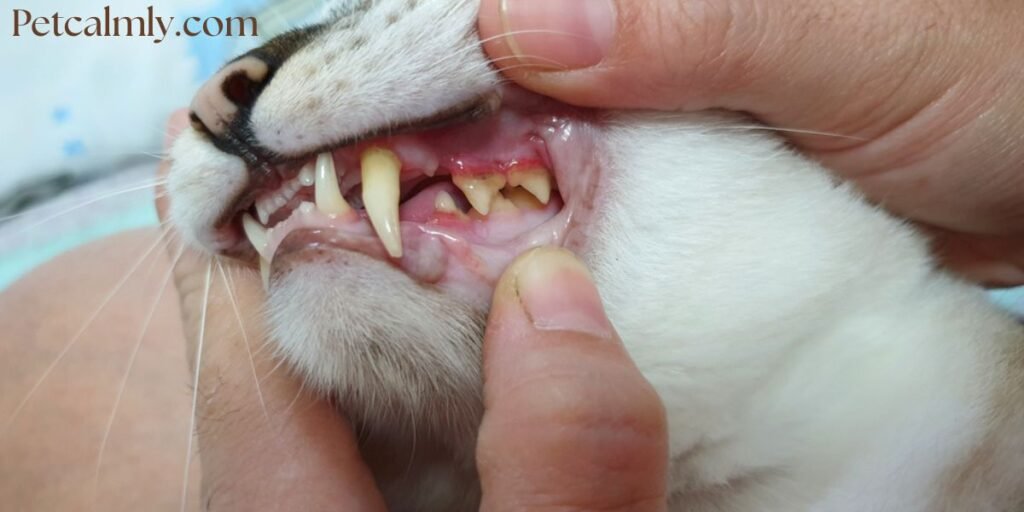
Periodontal disease, the primary form of dental disease in cats, involves inflammation and infection of the gums, teeth, and supporting structures. It starts with plaque buildup a sticky film of bacteria on the teeth which hardens into tartar if not removed. Over time, this leads to gingivitis (gum inflammation), and if progressed, periodontitis, where the bone and ligaments supporting the teeth are damaged. In severe cases, cats may lose teeth or develop abscesses.
Another related condition is tooth resorption, unique to cats, where the body breaks down the tooth structure, causing painful lesions. This is often linked to overall dental health problems in felines.
Prevalence and Statistics
How widespread is this issue? According to research from the Royal Veterinary College’s VetCompass program, which analyzed over one million cats in the UK, dental disorders top the list of common cat health issues, affecting about 21.21% of felines. Specifically, gum disease was diagnosed in 15.23% of cases, making it the single most common specific condition. Similarly, the RSPCA reports dental disease as the leading problem, impacting 21.81% of cats in England. A Finnish study of over 8,000 cats found dental and oral diseases prevalent in 28% of the population, with dental calculus (tartar) being the most frequent at 21%.
These statistics highlight why dental disease is considered the most common disease in cats. It’s more prevalent than other issues like obesity or kidney problems, especially in adult and senior cats. Banfield Pet Hospital data also notes that dental calculus is a top ailment, with risks increasing by 20% each year of a cat’s life. Factors like diet, breed (e.g., Persians with flat faces are more prone), and lack of dental hygiene contribute to these high numbers.
Symptoms of Dental Disease in Cats
Cats are masters at hiding pain, so signs of dental issues can be subtle. Early detection is key to preventing complications. Common symptoms include:
- Bad breath (halitosis): Often the first noticeable sign, caused by bacterial buildup.
- Drooling or pawing at the mouth: Indicates discomfort or pain.
- Difficulty eating: Cats may chew on one side, drop food, or avoid hard kibble altogether.
- Swollen or bleeding gums: Red, inflamed gums are a hallmark of gingivitis.
- Loose or missing teeth: In advanced stages, teeth may wobble or fall out.
- Weight loss: Due to reduced appetite from pain.
- Behavioral changes: Increased irritability, hiding, or reduced grooming.
If you notice any of these feline illness symptoms, consult a vet promptly. Ignoring them can lead to secondary problems like heart or kidney strain from chronic infections.
Causes of Dental Disease
Several factors contribute to dental disease in cats, making it a multifaceted issue:
- Plaque and Tartar Accumulation: Daily eating leaves food particles that bacteria thrive on.
- Diet: Soft, wet foods can stick to teeth more than dry kibble, though specialized dental diets help.
- Genetics and Breed: Brachycephalic breeds (short-nosed) have crowded teeth, increasing risk.
- Age: Prevalence rises with age; over 70% of cats over three years old show signs.
- Lack of Oral Care: Without brushing or dental checkups, problems escalate.
- Underlying Health Issues: Conditions like diabetes or FIV can exacerbate dental problems.
Understanding these causes helps in addressing cat dental problems effectively.
Diagnosis of Dental Disease
Veterinarians diagnose dental disease through a combination of physical exams and advanced tools. During a routine checkup, they’ll inspect the mouth for plaque, tartar, and inflammation. However, a full assessment often requires anesthesia for dental X-rays, which reveal hidden issues like root abscesses or resorptive lesions.
Blood tests may be done to check for related systemic diseases. Early diagnosis prevents progression, so annual vet visits are recommended for all cats.
Treatment Options for Dental Disease
Treatment depends on severity but aims to relieve pain and restore oral health:
- Professional Cleaning: Under anesthesia, vets scale away tartar and polish teeth.
- Extractions: Severely damaged teeth may need removal to prevent infection.
- Antibiotics and Pain Relief: For infections and discomfort.
- Specialized Diets and Treats: Prescription foods designed to reduce plaque.
- Home Care: Brushing with cat-safe toothpaste or using water additives.
In advanced cases, referral to a veterinary dentist may be needed. Costs vary, but early intervention is more affordable than treating complications.
Prevention Strategies for Dental Disease
Preventing the most common disease in cats is achievable with consistent care:
- Daily Brushing: Use enzymatic toothpaste and a soft brush or finger wipe.
- Dental Diets: Foods with textures that scrub teeth, approved by the Veterinary Oral Health Council (VOHC).
- Regular Checkups: Annual dental exams catch issues early.
- Toys and Treats: Dental chews promote chewing action.
- Avoid Human Foods: Sugary or sticky items worsen plaque.
By incorporating these into your routine, you can significantly reduce the risk of feline dental disease.
Other Common Diseases in Cats
While dental disease tops the list, several other feline health issues are widespread. Knowing about them helps in holistic cat care.
1: Obesity in Cats
Obesity affects 12.06% of cats, per RSPCA data, and up to 59.5% according to the Association for Pet Obesity Prevention. It leads to diabetes, arthritis, and shortened lifespans. Causes include overfeeding and inactivity. Prevention: Portion control, interactive play, and weight-monitoring diets.
2: Chronic Kidney Disease (CKD)
Common in seniors, CKD impacts up to 80% of cats over 15. Symptoms: Increased thirst, weight loss, vomiting. Management involves special diets, fluids, and medications.
3: Upper Respiratory Infections (URI)
Often called “cat flu,” URIs are viral or bacterial, affecting eyes, nose, and throat. Prevalent in multi-cat homes, symptoms include sneezing and discharge. Vaccines help prevent severe cases.

4: Parasites: Fleas and Worms
Fleas infest 5.07% of cats, while worms like roundworms affect 1 in 20. They cause itching, anemia, and digestive issues. Regular preventives are essential.
5: Hyperthyroidism
Affecting older cats (13.9% in some studies), it causes weight loss despite increased appetite. Treatment options: Medication, surgery, or radioactive iodine.
These common cat diseases underscore the importance of routine vet care.
When to See a Vet for Cat Health Issues
Don’t wait for severe symptoms. Annual wellness exams, vaccinations, and prompt attention to changes like lethargy or appetite shifts are vital. Early intervention for any feline ailment improves outcomes.
Frequently Asked Questions
1. What is the most common disease in cats?
Dental disease, particularly periodontal disease, is the most common, affecting over 20% of cats based on veterinary studies.
2. How can I prevent dental disease in my cat?
Regular brushing with cat-specific toothpaste, dental diets, and annual vet cleanings are effective prevention methods.
3. What are the signs of kidney disease in cats?
Look for increased drinking and urination, weight loss, poor appetite, and vomiting. It’s common in older cats.
4. Is obesity a serious problem in cats?
Yes, it increases risks for diabetes, joint issues, and heart disease. Maintain a healthy weight through diet and exercise.
5. How do cats get upper respiratory infections?
Through close contact with infected cats, often in shelters. Vaccines reduce severity.
6. What parasites are common in cats and how to treat them?
Fleas, roundworms, and tapeworms are frequent. Use vet-recommended preventives like topical treatments or dewormers.
More Information About Pets, Please Visit Our Website: Petcalmly.com
How to Improve Dog Gut Health Naturally
Conclusion
In summary, when asking “what is the most common disease in cats,” the answer points squarely to dental disease, a preventable yet pervasive issue supported by robust statistics from sources like the Royal Veterinary College and RSPCA. By focusing on oral health through routine care, you can protect your cat from this and related problems. Remember, other common feline health issues like obesity, kidney disease, and parasites also require vigilance.
Owning a cat is a rewarding experience, but it comes with the responsibility of monitoring their health. Regular veterinary visits, a balanced diet, and attentive observation go a long way in ensuring your pet thrives. If you suspect any illness, seek professional advice immediately early action can save lives. With the right knowledge and care, your cat can enjoy a long, disease-free life filled with purrs and play. Stay informed, and keep those feline friends healthy!