
If you’ve witnessed your dogs mating and noticed them getting “stuck” together, you’re likely wondering about the implications for pregnancy. This common phenomenon in canine reproduction, often referred to as the “copulatory tie” or “dog tie,” raises questions like: Does this mean the female dog is pregnant? How can you tell if conception has occurred? In this comprehensive guide, we’ll explore the intricacies of dog mating behavior, the chances of pregnancy following a tie, early signs of dog pregnancy, and essential care tips for a pregnant dog. Whether you’re a breeder or dealing with an accidental mating, understanding these aspects of canine pregnancy can help you provide the best support for your furry friend.
Dog owners often search for answers when their pets exhibit mating behaviors, especially during the female’s heat cycle. Terms like “dogs stuck together during mating” or “canine tie pregnancy chances” highlight the curiosity and concern surrounding this topic. Rest assured, we’ll cover everything from the biology behind the tie to confirming and managing a potential pregnancy, ensuring you have all the information needed based on reliable veterinary insights.
Understanding Dog Mating: The Copulatory Tie
Dog mating is a natural process driven by instincts, particularly during the female dog’s estrus phase, commonly known as “heat.” This cycle typically occurs every six months in most breeds, lasting about two to three weeks. During this time, the female becomes receptive to males, leading to potential mating encounters.
Why Do Dogs Get Stuck Together?
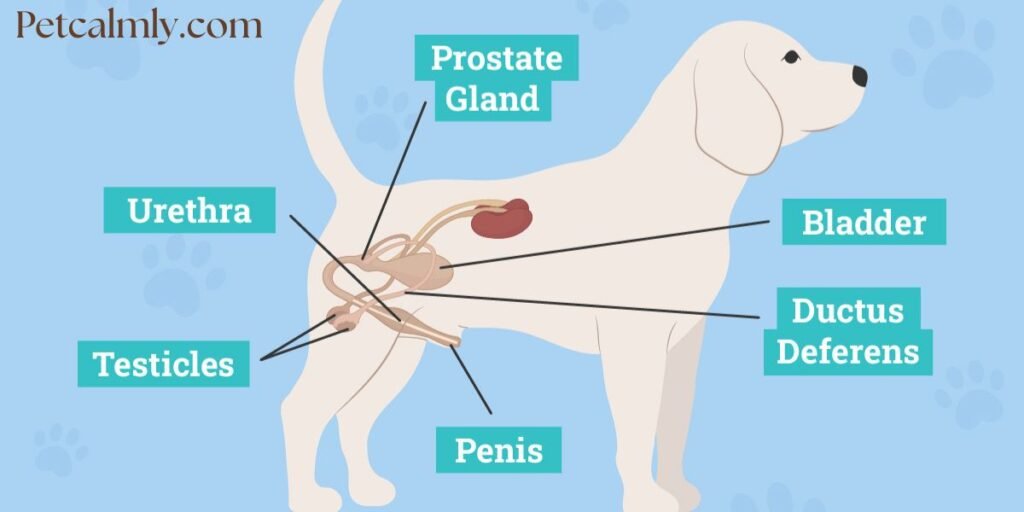
The “stuck” position, or copulatory tie, happens due to the unique anatomy of male dogs. The male’s penis has a bulbous gland (bulbus glandis) that swells during ejaculation, locking it inside the female’s vagina. This is gripped by the female’s vaginal muscles, preventing separation. This mechanism evolved to increase the likelihood of successful fertilization by allowing semen to reach the eggs more effectively. It’s a normal part of canine reproduction and not a cause for alarm attempting to pull them apart can cause injury to both dogs.
How Long Does the Tie Last?
The duration of the tie can vary but typically lasts between 5 to 30 minutes, sometimes up to an hour. Factors like breed, size, and individual anatomy influence this. During this time, the dogs may appear back-to-back, which is a common position as they wait for the swelling to subside. If the tie persists longer than expected or seems painful, consulting a vet is advisable to rule out complications.
This mating tie is often misinterpreted as a sign of immediate pregnancy, but it’s more about optimizing the chances of conception rather than confirming it. Related searches like “dog mating process” or “canine breeding tie” often lead to this explanation, emphasizing that while the tie boosts fertility odds, it’s not foolproof.
Does Getting Stuck Mean the Female Dog Is Pregnant?
A common misconception is that if dogs get stuck together, pregnancy is inevitable. While the copulatory tie significantly increases the probability of pregnancy by ensuring semen delivery, it’s not a guarantee. Fertility depends on several factors, including the timing within the female’s heat cycle ideally during her fertile window, which is around days 9-14 of estrus.
In cases of accidental mating, there’s a high chance of pregnancy if the tie occurs during peak fertility. However, not every tied mating results in pups; issues like low sperm count, health problems, or improper timing can prevent conception. Interestingly, dogs can become pregnant even without a full tie if ejaculation happens beforehand, known as a “slip mating.”
For those querying “pregnancy after dog tie” or “chances of dog pregnancy from mating,” statistics suggest that a successful tie during estrus leads to pregnancy in about 80-90% of cases, but this varies by breed and health. If you’re concerned about an unwanted pregnancy, immediate veterinary intervention is crucial, as options like mismatch injections may be available shortly after mating.
Signs of Pregnancy in Dogs After Mating
Detecting pregnancy early can be tricky, as dogs don’t show obvious signs right away. The gestation period averages 63 days, but ranges from 58-68 days. Monitoring for symptoms is key if you’ve observed a mating tie.
Early Signs of Dog Pregnancy
Around 2-3 weeks post-mating, subtle changes may appear. These include:
- Nipple Changes: Nipples (teats) become enlarged, pinker, and more prominent. This is one of the earliest indicators, often noticeable by week 3.
- Appetite Fluctuations: Some dogs experience morning sickness-like symptoms, leading to decreased appetite or vomiting around days 21-30. Others may eat more as pregnancy progresses.
- Behavioral Shifts: Increased affection, lethargy, or nesting behaviors (like digging or gathering blankets) can signal hormonal changes.
- Mucus Discharge: A clear or slight mucus from the vulva around one month after mating is common.
By week 4-5, physical signs become more evident, such as weight gain and a swollen abdomen. Searches for “dog pregnancy symptoms week by week” often highlight these progressive changes.
Confirming Pregnancy in Dogs
Don’t rely solely on signs professional confirmation is essential. Options include:
- Ultrasound: Detects pregnancy as early as day 25, showing fetal heartbeats.
- Palpation: A vet can feel the abdomen around days 28-35 for uterine swelling.
- X-Ray: Best after day 45 to count puppies and assess development.
- Blood Tests: Relaxin hormone tests confirm pregnancy around day 28.
If no signs appear by week 4, she might not be pregnant, or it could be a false pregnancy, common in dogs with hormonal imbalances.
Timeline of Dog Pregnancy: Week-by-Week Breakdown
Understanding the stages of canine gestation helps in providing targeted care. Here’s a detailed week-by-week overview:
- Week 1-2: Fertilization occurs. No visible signs; maintain normal routine.
- Week 3-4: Embryos implant. Nipple changes and possible nausea emerge. Vet visit for confirmation.
- Week 5-6: Fetuses grow rapidly; abdomen swells. Increase food intake gradually.
- Week 7-8: Puppies are viable; movement may be felt. Prepare whelping area.
- Week 9: Labor approaches. Signs include temperature drop, nesting, and discharge.
This timeline aligns with queries like “dog pregnancy stages” or “canine gestation period,” ensuring owners track progress accurately.
Caring for a Pregnant Dog: Essential Tips
Once pregnancy is confirmed, shift focus to optimal care to support the mother and puppies.
Nutrition for Pregnant Dogs
Switch to a high-quality puppy or growth formula around week 5, increasing calories by 25-50% gradually. Feed small, frequent meals to avoid discomfort. Supplements like calcium may be needed, but consult a vet to prevent overfeeding, which can lead to complications.
Exercise and Environment
Moderate exercise like short walks keeps her fit without strain. Provide a quiet, comfortable nesting area away from stress. Avoid other dogs to prevent infections.
Veterinary Check-Ups
Regular visits are crucial: initial confirmation, mid-pregnancy ultrasounds, and pre-whelping exams. Monitor for issues like eclampsia or dystocia.
Topics like “pregnant dog care routine” or “feeding pregnant canine” underscore the importance of balanced nutrition and monitoring.
What to Do If It’s an Unwanted Pregnancy
Accidental matings are common. If undesired, contact a vet immediately options include spaying (terminating pregnancy) or medical interventions within days of mating. Delaying can limit choices, as pregnancies advance quickly. Prevention via spaying/neutering is ideal.
Preparing for Whelping: The Birth Process
As due date nears, set up a whelping box with clean bedding. Signs of labor include panting, pacing, and a temperature drop below 99°F. Have supplies ready: gloves, towels, and a vet’s number. Most births are smooth, but watch for complications like prolonged labor.
Conclusion
When dogs get stuck together during mating, it heightens the chances of pregnancy but doesn’t confirm it outright. By recognizing signs like nipple changes and abdominal swelling, confirming via vet tests, and providing proper care through nutrition, exercise, and monitoring, you can ensure a healthy outcome. Whether planned or accidental, knowledge of canine reproduction empowers responsible pet ownership. Always consult a veterinarian for personalized advice to avoid risks and support your dog’s well-being throughout this journey.
More Information About Pets, Please Visit Our Website: Petcalmly.com
Frequently Asked Questions
1. How long do dogs stay stuck together during mating?
Dogs typically remain tied for 5-30 minutes, but it can extend up to an hour depending on individual factors.
2. Can a dog get pregnant without a tie?
Yes, pregnancy is possible through slip mating if ejaculation occurs before full locking.
3. What are the first signs of pregnancy in dogs?
Early indicators include enlarged, pinker nipples around 2-3 weeks post-mating, along with possible appetite changes.
4. How can I confirm if my dog is pregnant?
Veterinary methods like ultrasound (from day 25) or palpation (days 28-35) provide accurate confirmation.
5. What should I feed my pregnant dog?
Switch to a puppy formula in the later stages, increasing portions gradually for 25-50% more calories.
6. What if my dog’s pregnancy is unwanted?
Seek immediate veterinary advice for options like termination, as delays can complicate matters.