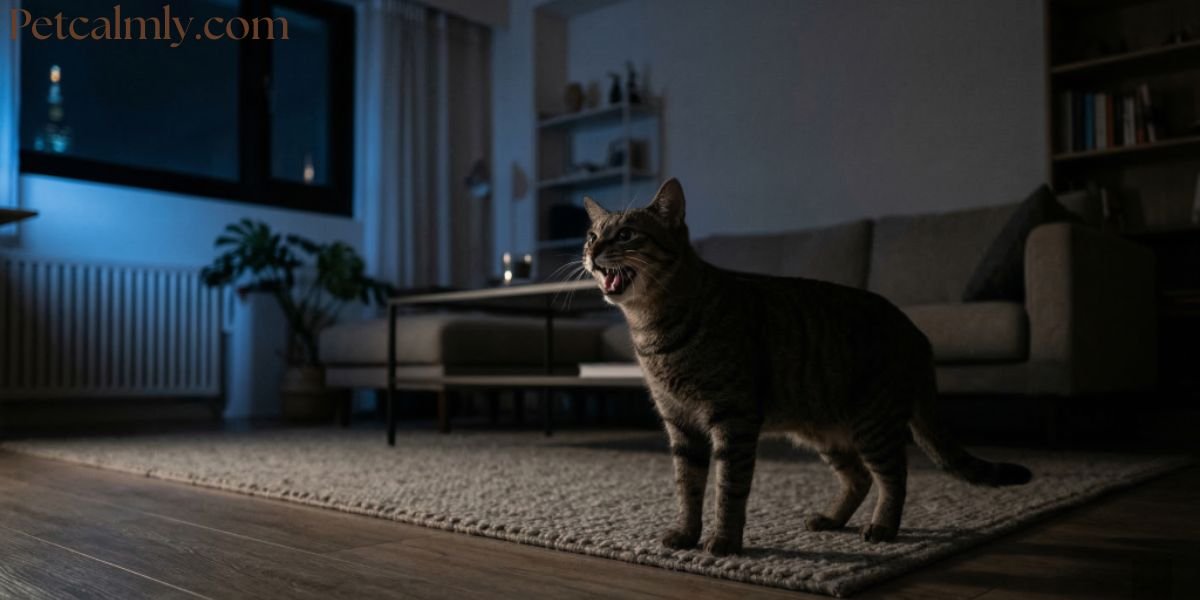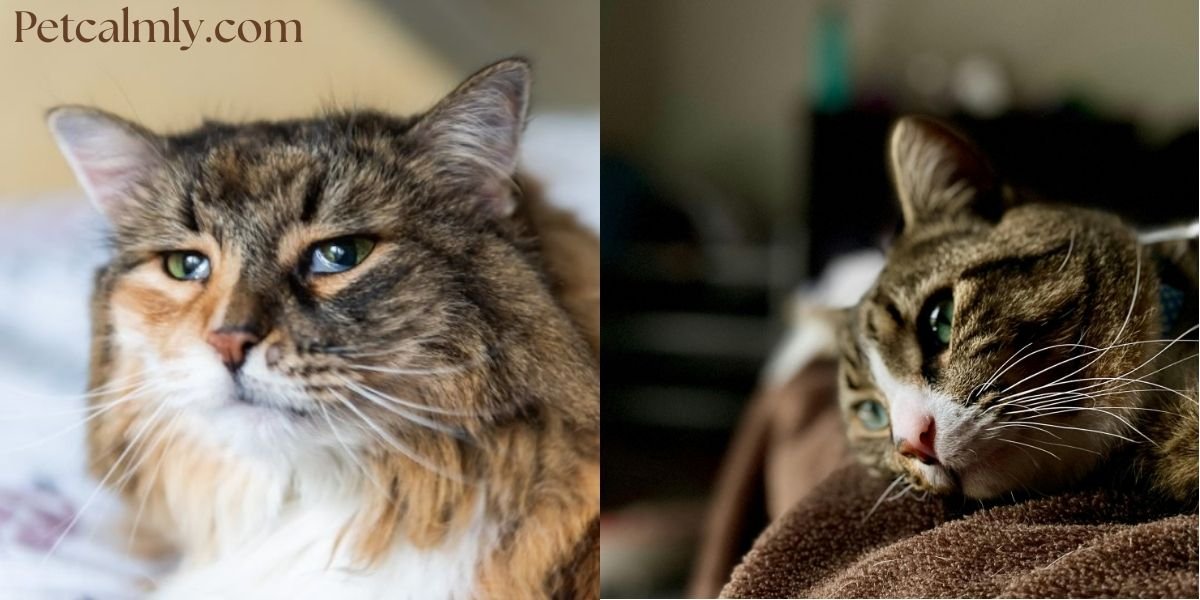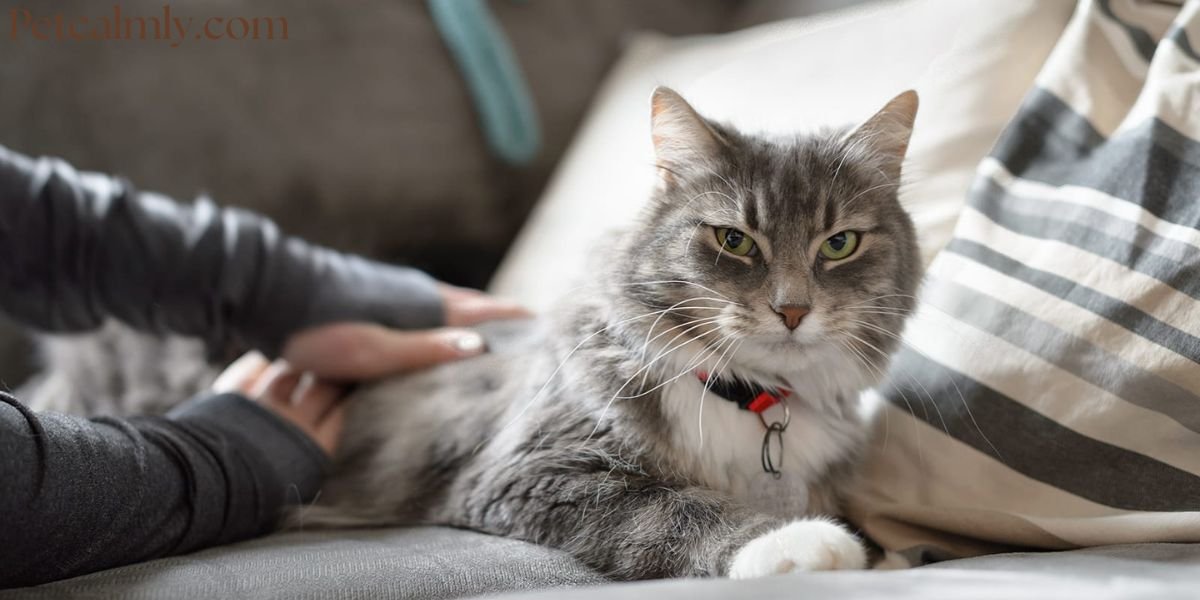
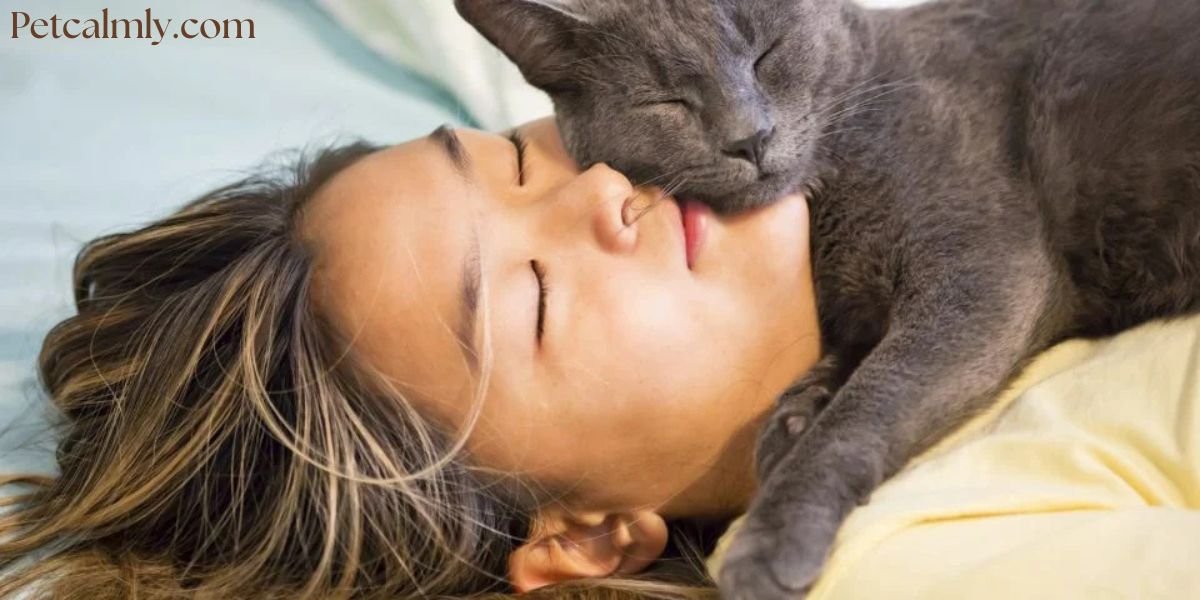
Your cat stares at you while you sleep mainly because they feel deep trust and affection toward you, they’re naturally curious about your breathing and subtle movements, or they’re simply waiting for their next meal or some attention. Cats are crepuscular animals, most active at dawn and dusk, so your quiet sleeping hours give them plenty of time to observe their favorite human. In the vast majority of cases, this behavior is harmless and even a sweet compliment your cat sees you as their safe haven.
Why Cat Owners Often Notice and Wonder About This Behavior
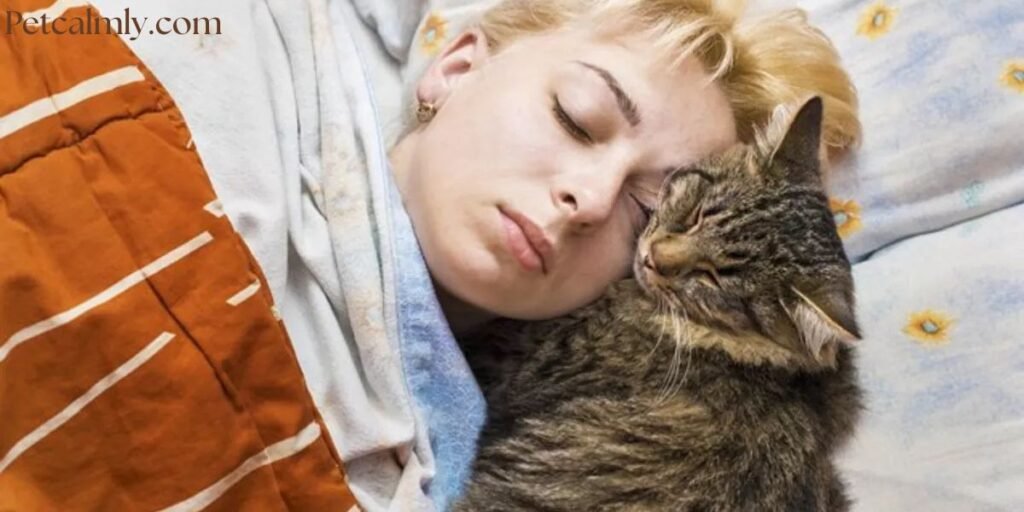
Waking up in the middle of the night or early morning to find your cat sitting quietly on the bed, staring intently at your face, can be both endearing and a little unsettling. Many people describe it as feeling watched, almost like a guardian or a curious observer who never blinks.
This common feline habit raises questions for new and experienced cat parents alike. Is my cat judging me? Is something wrong? Or is this just how cats show they care? Understanding the reasons behind why your cat stares at you while sleeping helps strengthen the bond and brings peace of mind during those quiet nighttime moments.
Cats have unique ways of communicating. Unlike dogs, who might bark or wag their tails enthusiastically, cats often express themselves through subtle body language, including prolonged gazes. When that gaze happens while you’re vulnerable in sleep, it highlights the special relationship you’ve built together.
Exploring the Main Reasons Behind Your Cat’s Nighttime Stares
Several overlapping factors explain this behavior. Let’s break them down one by one with practical insights from feline behavior experts.
Deep Affection and Emotional Bonding One of the most heartwarming explanations is pure love and trust. In cat language, choosing to stay close and watch over you during your most restful (and defenseless) time signals that you are their secure base. Your presence comforts them, much like how a kitten feels safe near its mother.
Many cats form strong attachments to their humans, viewing them as part of their social group. A soft, relaxed stare accompanied by slow blinks is often called a “cat kiss” a clear sign of contentment and fondness. If your cat purrs quietly or gently kneads the blanket nearby while watching, it’s likely expressing “I’m happy you’re here with me.”
Real-life example: A friend in Lahore adopted a shy rescue cat who initially hid during the day. After several months, the cat began curling up on the bed at night and staring softly. Over time, this evolved into a nightly ritual that helped the owner feel less alone during stressful work periods. The cat wasn’t demanding anything just enjoying the closeness.
Natural Curiosity and Observational Instincts Cats are keen observers by nature. When you’re asleep, your body becomes still, your breathing slows and becomes rhythmic, and you make occasional small movements or sounds like snoring or shifting positions. To your cat, this is fascinating.
They may tilt their head slightly, ears perked forward, trying to understand these changes. Since cats sleep in short bursts and remain somewhat alert, they have ample awake time to study their environment including you. It’s similar to how we might quietly watch a sleeping baby or pet, intrigued by their peaceful state.
This curiosity ties into their predatory heritage. Even domesticated cats retain instincts to monitor surroundings for any unusual activity. Your sleeping form presents a calm puzzle they enjoy solving in their own quiet way.
Hunger and Learned Routines Hunger ranks high among practical causes, especially in the pre-dawn hours. Cats quickly learn household schedules. If breakfast typically follows your first stirrings, they position themselves strategically, staring as a gentle (or not-so-gentle) reminder.
This behavior often pairs with soft meows, light paw taps on your arm, or pacing near the bedroom door. Food-motivated cats treat your sleep as the final countdown to mealtime. Adjusting feeding times or introducing puzzle feeders can shift this pattern effectively.
Consider this scenario: A busy professional in Islamabad noticed her Siamese cat staring every morning at 5 AM sharp. After consulting a vet, she realized the cat associated early rising with kibble. Switching to a timed automatic feeder reduced the intense stares almost immediately, allowing everyone better rest.
Boredom, Energy Levels, and Play Requests Cats are crepuscular, meaning their energy naturally peaks during twilight and early morning. If your evenings lack sufficient mental and physical stimulation, your cat may grow restless at night and turn to you for entertainment.
Staring then becomes an invitation: “Wake up and play with me!” They might escalate to zooming across the room, batting at curtains, or knocking small objects off nightstands if ignored. Providing interactive play sessions before bedtime using wand toys, laser pointers (with caution), or treat-dispensing toys helps tire them out so they settle more peacefully.
Protective or Guarding Instincts Some cats adopt a vigilant role, almost like a personal bodyguard. While you sleep deeply, they remain lightly alert, monitoring for strange noises, movements outside, or anything that might disturb the home. By staying nearby and watching, they feel they’re contributing to the family’s safety.
This protective streak often appears in cats who have bonded strongly or lived through uncertain times, such as rescues. They associate you with comfort and resources, so they “guard” that source during vulnerable hours. It’s a touching display of loyalty rooted in their social instincts.
Anxiety, Stress, or Underlying Discomfort In fewer cases, increased staring can point to anxiety or health issues. Changes in the household like new furniture, visitors, another pet, or even your altered work schedule might make a cat seek extra reassurance from your familiar presence.
Pain or medical conditions (such as arthritis, dental problems, hyperthyroidism, or digestive discomfort) can also prevent a cat from relaxing fully, leading them to stay close and watchful. If the staring feels tense rather than relaxed, or comes with other changes, it’s worth investigating.
Decoding Cat Body Language During Nighttime Stares
Context is everything when interpreting stares. Pay attention to the full picture:
- Relaxed posture with slow blinks: Strong sign of trust and affection. Try blinking back slowly to reciprocate.
- Ears forward, body loose: Curiosity or contentment.
- Dilated pupils and forward-leaning: Excitement, playfulness, or anticipation (often hunger or zoomies time).
- Tail swishing or tucked, ears flattened: Possible irritation, fear, or discomfort best to give gentle space.
- Purring, head bunting, or kneading: Clear positive affection layered on the stare.
A mini-story from a cat behavior enthusiast: Her elderly Persian would stare with half-closed eyes and purr loudly. This gentle gaze always coincided with her own bedtime routine, creating a calming shared moment before sleep. Reading these cues turned potential annoyance into cherished connection.
When Should You Be Concerned About Your Cat Staring While You Sleep?
For most cats, this habit is perfectly normal and nothing to lose sleep over. However, sudden or intensified changes deserve attention.
Watch for these warning signs:
- The staring becomes frantic, paired with nonstop meowing, pacing, or inability to settle.
- Accompanying symptoms like loss of appetite, weight changes, excessive grooming or hiding, litter box issues, or aggression.
- New onset in an older cat, or after a recent illness or household disruption.
- Signs of physical distress, such as limping, drooling, vomiting, or labored breathing.
If you notice these, consult your veterinarian promptly. Conditions like hyperthyroidism, vision changes, pain from arthritis, or even cognitive issues in senior cats can manifest as altered watchful behavior. Early intervention often leads to simple solutions and restored harmony at home.
A quick vet visit can rule out medical causes and provide tailored advice. Many owners feel relieved after a check-up confirms their cat is simply expressing love in its unique way.
Practical Steps: What Pet Owners Can Do to Manage or Embrace the Behavior
You don’t always need to eliminate the staring sometimes it’s best appreciated as part of your cat’s personality. But if it’s disrupting your sleep, here are effective, cat-friendly strategies:
- Boost Evening Enrichment Dedicate 15–20 minutes to active play in the late afternoon or early evening. Use feather wands, chase toys, or hiding treats around the house. A tired cat is far more likely to snooze through the night.
- Refine Feeding Schedules Offer a small, satisfying meal closer to your bedtime. Automatic feeders can handle early-morning portions, breaking the association between your waking and immediate food service.
- Create a Dedicated Cat Zone Set up a comfortable perch or cat bed near yours with a view of the room. This satisfies their desire to stay close without needing to hover directly over your face.
- Build Consistent Bedtime Routines Dim the lights, engage in calm activities like gentle petting or reading aloud, then settle. Cats respond well to predictable patterns that signal “rest time.”
- Use Positive Redirection If staring leads to pawing or meowing, calmly redirect with a toy or move to another room briefly without scolding. Reward quiet, calm behavior with soft praise or treats later.
- Explore Calming Aids
Synthetic pheromone diffusers, calming collars, or vet-approved supplements can ease underlying anxiety. Always check with your vet first for safety. - Monitor and Adjust Gradually
Track patterns for a week what time does it happen? Any triggers like noises or your schedule? Small tweaks often yield big improvements without stress.
Avoid punishment or startling your cat awake. It erodes trust and can increase anxiety, making the behavior worse. Patience and understanding go much further.
Additional Tips for Better Nights and Stronger Bonds
Try returning the slow blink when you notice your cat watching. Many cats respond positively, relaxing further or approaching for a head rub. This simple exchange deepens mutual understanding.
Consider your cat’s age and personality. Kittens and young adults tend toward more energetic night behaviors, while seniors might stare from comfort-seeking or mild discomfort. Tailor your approach accordingly.
In multi-cat homes, observe interactions. Sometimes one cat’s staring relates to dynamics with siblings resource guarding, play invitations, or shared vigilance.
Environmental factors matter too. Ensure plenty of vertical space, scratching posts, and window views for daytime stimulation. A bored cat during daylight hours often becomes a restless observer at night.
Some owners find white noise machines or soft background music help mask household sounds that might keep cats alert. Others introduce nighttime “hunt” games with food puzzles to satisfy instincts.
Conclusion
Why does my cat stare at me while I sleep? In most situations, it’s a blend of love, curiosity, routine expectations, and protective instincts. Your cat feels safe enough with you to let their guard down in your presence while remaining observant in their own crepuscular way.
This behavior often reflects the beautiful, quirky bond shared between cats and their humans. Rather than something eerie, view it as a quiet compliment your cat chooses you as their focal point during peaceful hours.
By addressing needs for play, food, comfort, and security, you can minimize disruptions while celebrating the connection. If anything feels off, a vet consultation provides reassurance and guidance.
With empathy, small adjustments, and consistent routines, those midnight stares can become one more reason to smile about your feline companion. Cherish the trust they’ve placed in you, and enjoy the unique companionship that comes with sharing your home and your sleep with a cat.
More Information About Pets, Please Visit Our Website: Why does My Cat Walk Around Meowing at Night?
How to Clean Cat Eyes at Home: Safely & Easily (Vet Tips)
Frequently Asked Questions
1: Is staring at me while I sleep a sign that my cat loves me?
Yes, very often it is. A relaxed stare, especially with slow blinks or purring nearby, usually indicates affection and trust. Your cat feels bonded and comforted by your presence during restful times.
2: How do I stop my cat from waking me up with staring or close watching?
Focus on evening play sessions, adjusted feeding times, and providing enrichment. Create a cozy alternative spot near your bed. Consistent routines and positive redirection usually reduce nighttime demands without harming your relationship.
3: Could my cat be staring because they sense something wrong with me?
It’s possible they notice changes in your breathing or movements, but this is typically just curiosity or mild protectiveness rather than detecting illness. If the behavior is new and intense, combined with other symptoms, see a doctor for yourself and a vet for your cat.
4: What does it mean when my cat stares with dilated pupils at night?
Dilated pupils during staring often signal excitement, anticipation (like hunger or play), or heightened alertness. Pair this with body language relaxed tail and ears usually mean positive interest rather than fear.
5: Should I be worried if my older cat suddenly starts staring more while I sleep?
Any sudden behavior change in senior cats deserves a veterinary check. It could stem from affection or routine, but it might also relate to discomfort, vision changes, or conditions like hyperthyroidism. Better safe than sorry with an exam.
6: Do all cats stare at their owners during sleep, or is it just some?
Not every cat does this, but it’s quite common, especially in strongly bonded or crepuscular individuals. Personality, age, daily routine, and environment all influence whether your cat develops this watchful habit.