Short direct answer
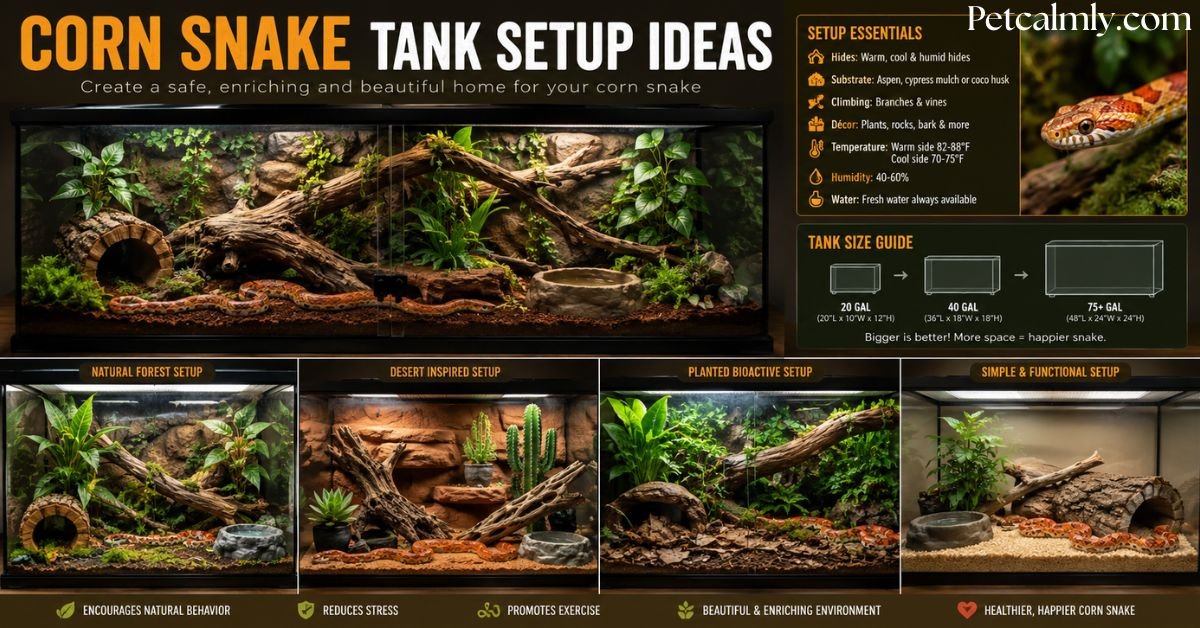
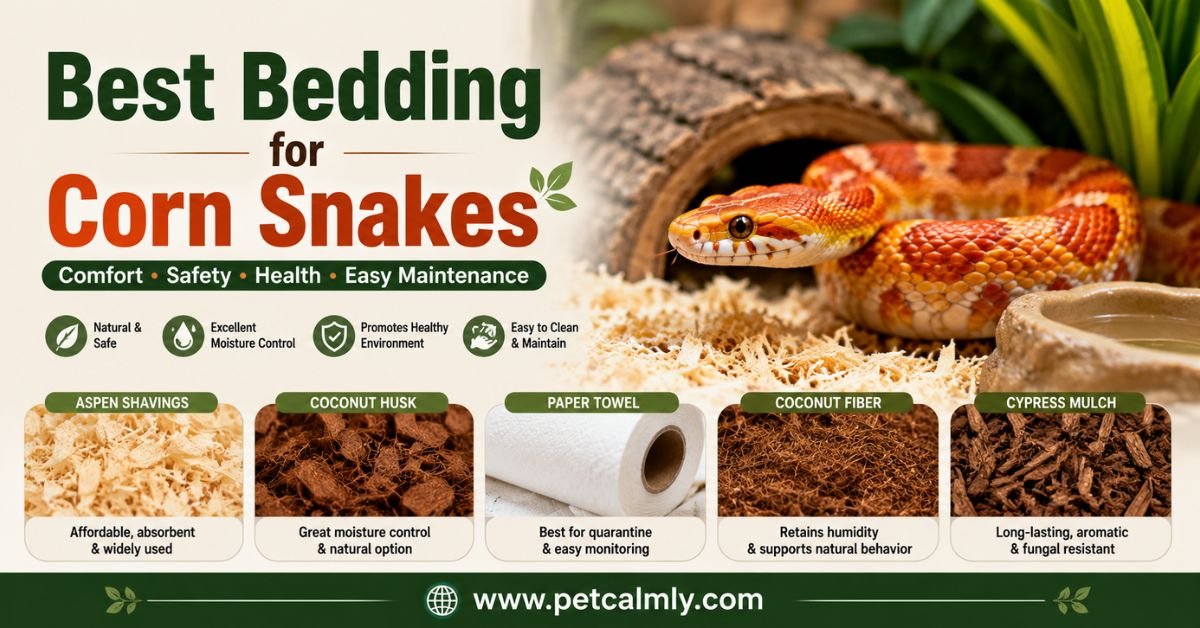
The best bedding for corn snakes is usually aspen shavings, cypress mulch, or coconut husk substrate, depending on your humidity levels and enclosure setup. Aspen works best in dry environments and allows natural burrowing, while cypress mulch and coconut husk retain moisture better for proper shedding. The key is choosing a bedding that is safe, absorbent, dust-free, and allows natural behavior like hiding and digging without risk of impaction or respiratory irritation. Paper towels can also be used for hatchlings or quarantine setups.
Why Bedding Matters More Than Most New Snake Owners Realize
If you’ve recently brought home a corn snake or you’re planning to you’ve probably focused on the tank, heating, feeding schedule, and hides. Bedding often comes later, almost like an afterthought.
But here’s the truth experienced reptile keepers learn quickly: substrate is not just “floor covering.” It shapes your snake’s comfort, stress levels, shedding quality, and even feeding behavior.
A corn snake that feels secure in its bedding will:
- Hide more naturally
- Feed more consistently
- Shed cleanly without stuck skin
- Show calmer, more predictable behavior
On the other hand, poor bedding choices can lead to stress, refusal to eat, humidity problems, or even health risks like scale irritation or respiratory issues.
This guide breaks down everything in simple, practical language so you can confidently choose the best bedding for corn snakes without confusion or trial-and-error stress.
Understanding Corn Snake Bedding Needs (What Most Beginners Miss)
Corn snakes are native to the southeastern United States, where they live in:
- Forest edges
- Grasslands
- Rocky areas
- Burrows under leaves and loose soil
This tells us something important: they are natural burrowers and secretive ground snakes.
So their bedding needs to support three key instincts:
1. Burrowing and Security
Corn snakes feel safer when they can push into loose material. This reduces stress and encourages natural behavior.
2. Humidity Balance
They don’t need tropical humidity, but they do need:
- Slight humidity boost during shedding
- Dry enough environment to prevent scale rot
3. Cleanliness and Safety
The bedding must be:
- Non-toxic if accidentally swallowed
- Low dust (important for respiratory health)
- Easy to spot-clean and fully replace
A common beginner mistake is choosing bedding based only on appearance. In reality, function matters more than aesthetics.
Best Bedding for Corn Snakes (Top Safe Options Explained)
Let’s go through the most reliable substrates used by experienced keepers, including pros, cons, and real-world use cases.
Aspen Bedding: The Most Popular All-Around Choice
Aspen shavings are often considered the default best bedding for corn snakes in dry setups.
Why it works well:
- Excellent for burrowing
- Very low dust (when good quality)
- Keeps enclosure dry
- Easy to spot-clean
- Affordable and widely available
Things to watch:
- Not moisture-resistant (molds if wet)
- Not ideal for very humid climates
Best for:
- Beginners
- Dry room environments
- Corn snakes that love digging
Real keeper insight:
Many corn snakes become more active and confident once placed on aspen because they can finally “disappear” into the substrate like they would in the wild.
Cypress Mulch: Best for Humidity Control
Cypress mulch is another top-tier option and is especially useful in warmer or drier homes.
Why it works well:
- Holds humidity without becoming soggy
- Resistant to mold
- Naturalistic appearance
- Comfortable texture for burrowing
Things to watch:
- Slightly more expensive than aspen
- Can be heavier to clean
Best for:
- Dry climates
- Shedding support
- Naturalistic terrarium setups
If your corn snake struggles with incomplete sheds, cypress mulch can make a noticeable difference.
Coconut Husk / Coir: Balanced Moisture Option
Coconut husk (also called coir or eco earth) is a fine, soil-like bedding.
Why it works well:
- Excellent humidity retention
- Soft and natural digging texture
- Good for mixed humidity setups
Things to watch:
- Can stick to food during feeding
- Needs regular stirring to prevent compaction
Best for:
- Intermediate keepers
- Mixed bioactive-style enclosures
- Shedding support environments
Paper Towels: Simple but Highly Effective (Especially for Beginners)
Paper towels might not look fancy, but they serve an important role.
Why it works well:
- Extremely hygienic
- Easy to monitor health (urates, feces, mites)
- Cheap and replaceable
- Ideal for quarantine or hatchlings
Downsides:
- No burrowing enrichment
- Less natural feel
Best for:
- Baby corn snakes
- Sick or quarantined snakes
- Temporary setups
Many experienced keepers still use paper towels during the first 2–4 weeks after bringing a snake home.
Reptile Carpet: Mixed Opinion Choice
Reptile carpet is reusable fabric-like bedding.
Pros:
- Reusable after washing
- No ingestion risk
- Easy to remove waste
Cons:
- Can snag claws
- Holds bacteria if not cleaned properly
- No burrowing opportunity
Best for:
- Temporary setups
- Owners who prefer washable surfaces
Most long-term corn snake keepers eventually move away from carpet.
Substrates to Avoid (Very Important)
Some bedding types may seem convenient but can cause problems.
Avoid these:
Sand
- Risk of impaction
- Not natural for corn snakes
Pine or Cedar Shavings
- Toxic aromatic oils
- Can irritate respiratory system
Gravel or Rock Substrates
- No burrowing
- Can cause injury
Soil from outdoors
- Parasites
- Pesticide risk
A simple rule: if it smells strong or looks like a construction material, it’s not safe for your snake.
What Makes the “Best Bedding for Corn Snakes”? (Key Criteria)
Instead of one perfect substrate, think in terms of what good bedding must achieve:
1. Safety First
- No toxins
- No sharp edges
- No ingestion hazards
2. Burrowing Support
Corn snakes should be able to:
- Tunnel easily
- Hide completely
- Feel “invisible”
3. Humidity Balance
- Supports shedding cycles
- Prevents overly dry or damp conditions
4. Odor Control
Good bedding absorbs waste without quickly smelling unpleasant.
5. Ease of Cleaning
You should be able to:
- Spot clean daily
- Fully replace periodically
- Maintain hygiene without stress
4 Common Mistakes Snake Owners Make With Bedding
Even well-meaning owners often run into avoidable problems.
Mistake 1: Using Too Little Bedding
Thin layers prevent burrowing and increase stress.
Aim for at least 2–4 inches of depth for adult corn snakes.
Mistake 2: Over-Wetting the Substrate
Too much moisture leads to:
- Mold growth
- Scale irritation
- Unhealthy tank conditions
Mistake 3: Ignoring Feeding Behavior
Some snakes accidentally ingest substrate during feeding. This can be reduced by:
- Feeding in a separate container (optional)
- Keeping bedding loose and clean around feeding areas
Mistake 4: Choosing Based on Looks Only
Aesthetic bioactive setups are great but function must come first.
Step-by-Step: How to Set Up Bedding for a Corn Snake
Here’s a simple, practical setup routine:
Step 1: Clean the Enclosure
Remove all old bedding and disinfect surfaces.
Step 2: Add a Base Layer
Spread substrate evenly:
- 2–4 inches for adults
- 1–2 inches for juveniles
Step 3: Create Burrow Zones
Pile slightly deeper areas near hides.
Step 4: Add Moist Hide (Important for Shedding)
Use damp sphagnum moss inside one hide.
Step 5: Check Humidity Levels
Ensure balance:
- Not bone dry
- Not damp or soggy
Humidity, Shedding, and Bedding Connection
One of the most overlooked aspects of snake care is how bedding affects shedding.
Corn snakes shed best when:
- Humidity rises slightly before shed
- They have a humid hide
- Bedding supports moisture retention (like cypress or coconut husk)
Signs bedding may be wrong:
- Stuck shed on tail or eyes
- Frequent incomplete sheds
- Excessively dry skin before shedding
If this happens regularly, switching substrate is often more effective than just misting.
Cleaning Routine (Simple and Stress-Free)
A clean enclosure prevents stress and illness.
Daily:
- Remove feces immediately
- Check wet spots
- Monitor odor
Weekly:
- Spot replace dirty bedding
- Stir substrate to prevent compaction
Monthly (or every 4–6 weeks):
- Full substrate replacement
- Deep enclosure cleaning
When Should You Worry About Bedding Issues?
Watch closely for these warning signs:
- Frequent wheezing or breathing difficulty
- Refusal to hide or constant stress behavior
- Skin irritation or discoloration
- Persistent bad odor even after cleaning
- Stuck shed repeatedly
If any of these occur, review:
- Humidity levels
- Substrate type
- Cleaning routine
In some cases, a vet visit is necessary especially if respiratory symptoms appear.
What Should Pet Owners Actually Do? (Simple Action Plan)
If you’re unsure where to start, here’s a safe approach:
Beginner-friendly recommendation:
- Start with aspen bedding
- Add a humid hide
- Monitor shedding for 2–3 cycles
If humidity is too low:
- Switch partially or fully to cypress mulch or coconut husk
If snake is young or newly adopted:
- Use paper towels temporarily, then transition later
Always remember:
Consistency matters more than perfection. Corn snakes adapt well when conditions remain stable.
Conclusion
The best bedding for corn snakes is not a single product it’s the one that matches your snake’s environment, behavior, and humidity needs.
Aspen offers simplicity and burrowing comfort. Cypress mulch supports humidity and shedding. Coconut husk gives a more natural, moisture-balanced environment. Paper towels remain the safest starting point for beginners and hatchlings.
What matters most is observing your snake. When the bedding is right, you’ll notice it immediately:
- Calm movement
- Natural hiding behavior
- Clean, complete sheds
- Healthy feeding response
Good substrate doesn’t just cover the tank floorit quietly supports your snake’s entire well-being.
More Information About Pets, Please Visit Our Website: What Is the Best Bedding for Corn Snakes?
Frequently Asked Questions
1. What is the safest bedding for corn snakes?
Aspen shavings and cypress mulch are among the safest options. They are non-toxic, support burrowing, and are widely used by experienced reptile keepers.
2. Can corn snakes live on sand?
No, sand is not recommended. It increases the risk of impaction and does not allow natural burrowing behavior for corn snakes.
3. How deep should corn snake bedding be?
For adults, 2–4 inches is ideal. This allows proper burrowing and reduces stress while maintaining enclosure stability.
4. Is coconut fiber good for corn snakes?
Yes, coconut fiber works well for humidity control and naturalistic setups, but it should be monitored to avoid over-moist conditions.
5. How often should I change corn snake bedding?
Spot clean daily and fully replace bedding every 4–6 weeks, depending on enclosure size and waste buildup.
6. Why is my corn snake always hiding in the bedding?
This is normal behavior. Corn snakes are burrowers and feel secure when they can hide in substrate. It usually indicates the bedding is appropriate and comfortable.