Short Direct Answer
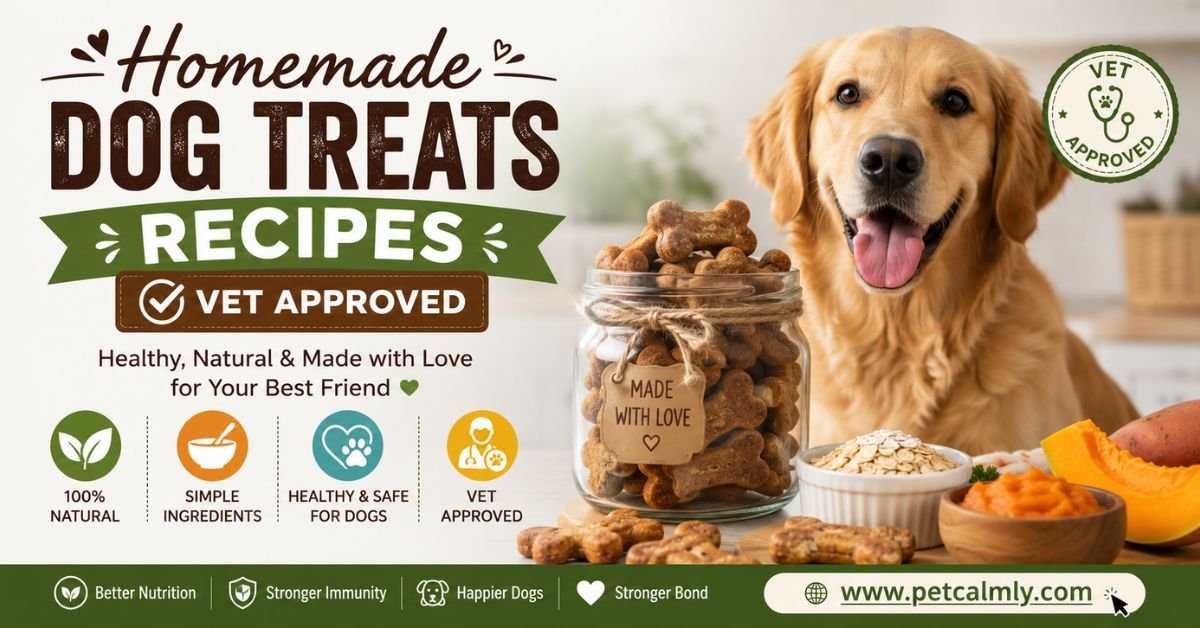
Vet-approved homemade dog treats are simple recipes made with dog-safe ingredients like pumpkin, oats, peanut butter, plain yogurt, lean meats, carrots, apples, and sweet potatoes. The safest homemade treats avoid harmful foods such as xylitol, chocolate, onions, grapes, excessive salt, and artificial sweeteners. When prepared correctly, homemade treats can support digestion, weight control, training, and sensitive stomachs while giving pet owners more control over ingredients.
The best recipes are balanced, easy to digest, portion-controlled, and appropriate for your dog’s age, size, and health needs.
Why So Many Dog Owners Are Switching to Homemade Treats
A lot of people start making homemade dog treats after reading a confusing ingredient label on store-bought snacks. Others do it because their dog has allergies, digestive issues, or simply turns their nose up at packaged treats.
Sometimes it starts with a small concern:
“Why does my dog get itchy after certain treats?”
“Why are these snacks packed with fillers?”
“Do treats really need that many preservatives?”
And honestly, those are reasonable questions.
Homemade dog treats give owners something many commercial products don’t: visibility. You know exactly what’s going into your dog’s body. That can feel reassuring, especially for puppies, seniors, or dogs with sensitive stomachs.
That said, “homemade” does not automatically mean healthy. Some popular online recipes contain ingredients that veterinarians regularly warn against, including too much fat, unsafe nut butters, or ingredients toxic to dogs.
This guide focuses on homemade dog treats recipes vet approved for safety, digestibility, and practical everyday use. You’ll learn:
- Which ingredients vets commonly consider safe
- What foods to avoid completely
- Easy beginner-friendly recipes
- Treat options for puppies, seniors, and sensitive dogs
- Storage and portion tips
- Common homemade treat mistakes
- When treats may actually cause health problems
Most importantly, you’ll learn how to make treats that support your dog’s health instead of accidentally working against it.
What Makes a Homemade Dog Treat “Vet Approved”?
Quick answer
A vet-approved homemade dog treat uses dog-safe ingredients, appropriate portion sizes, balanced nutrition, and preparation methods that avoid common health risks.
Veterinarians generally look for treats that are:
- Low in harmful fats and sodium
- Free from toxic foods
- Easy to digest
- Appropriate for the dog’s age and health status
- Used in moderation
The main goal is safety first.
Many vets actually like homemade treats when owners keep recipes simple and avoid trying to turn treats into full meals or “miracle health foods.”
The safest homemade treat ingredients
These ingredients are widely considered dog-friendly for most healthy dogs:
| Ingredient | Why Dogs Usually Tolerate It Well |
|---|---|
| Pumpkin puree | Gentle on digestion and fiber-rich |
| Oats | Easy-to-digest carbohydrate source |
| Plain peanut butter | Protein and flavor for training treats |
| Sweet potato | Nutrient-rich and filling |
| Carrots | Low-calorie crunchy snack |
| Apples (no seeds) | Natural sweetness and fiber |
| Plain yogurt | Can support digestion in some dogs |
| Lean chicken | High-value protein |
| Eggs | Protein and binding ingredient |
| Banana | Soft, potassium-rich treat option |
Ingredients veterinarians commonly warn against
Never include these in homemade dog treats:
- Xylitol
- Chocolate
- Grapes
- Raisins
- Macadamia nuts
- Onions
- Garlic in large amounts
- Excess salt
- Raw yeast dough
- Alcohol
- Artificial sweeteners
Even well-meaning owners sometimes accidentally use unsafe ingredients. Peanut butter is a classic example. Some brands contain xylitol, which is extremely dangerous for dogs even in tiny amounts.
Always check labels carefully.
Basic Homemade Dog Treat Recipe (Vet-Friendly and Beginner Safe)
Soft Pumpkin Oat Dog Treats
This is one of the easiest vet-friendly recipes because it uses simple, digestible ingredients and works well for many dogs.
Ingredients
- 1 cup pure pumpkin puree
- 2 eggs
- 2 ½ cups oat flour or blended oats
- 2 tablespoons natural peanut butter (xylitol-free)
Instructions
- Preheat oven to 350°F (175°C).
- Mix pumpkin, eggs, and peanut butter.
- Slowly stir in oat flour until dough forms.
- Roll out dough and cut shapes.
- Bake for 20–25 minutes.
- Cool completely before serving.
Why vets often like this recipe
- Pumpkin supports healthy digestion
- Oats are gentler than some wheat flours
- Limited ingredients reduce allergy triggers
- Soft texture works for older dogs
These treats also freeze surprisingly well.
Healthy Homemade Dog Treat Recipes for Different Needs
Not every dog needs the same kind of treat. A senior Labrador and a tiny anxious puppy have very different nutritional needs.
That’s why customizing treats thoughtfully matters.
Homemade Dog Treats for Sensitive Stomachs
Simple Chicken and Rice Bites
Dogs with digestive sensitivity often do better with bland, predictable ingredients.
Ingredients
- 1 cup cooked plain chicken
- 1 cup cooked white rice
- 1 egg
- 1 tablespoon plain pumpkin puree
Instructions
- Blend ingredients lightly.
- Form small bite-sized balls.
- Bake at 325°F for 15–18 minutes.
Helpful for:
- Mild stomach sensitivity
- Dogs recovering from temporary digestive upset
- Older dogs needing softer snacks
Avoid giving large amounts at once. Even gentle treats can upset digestion if overfed.
Low-Calorie Homemade Dog Treats for Weight Management
Frozen Carrot Yogurt Bites
Some dogs gain weight surprisingly fast from treats alone.
Many owners don’t realize treats should generally make up less than 10% of daily calories.
Ingredients
- 1 cup plain unsweetened yogurt
- ½ cup grated carrots
- Small amount of mashed banana
Instructions
- Mix ingredients together.
- Spoon into silicone molds.
- Freeze for several hours.
Why owners like these
- Cooling in hot weather
- Lower calorie than many biscuits
- Good for dogs that beg frequently
If your dog is overweight, homemade treats still need portion control.
Homemade Training Treats That Don’t Cause Digestive Chaos
Training sessions can involve dozens of rewards in a short period. Rich treats may cause diarrhea or stomach upset.
Tiny Turkey Training Cubes
Ingredients
- Lean ground turkey
- Egg
- Oat flour
Instructions
- Mix into thick paste.
- Spread thinly on baking tray.
- Bake and cut into tiny cubes.
Why this works well
- Small size prevents overfeeding
- High-value smell motivates dogs
- Easier on the stomach during repeated rewards
Professional trainers often prefer tiny treats because dogs stay engaged without becoming too full.
Homemade Puppy Treat Recipes
Puppies have sensitive digestive systems and smaller calorie needs.
Gentle Banana Puppy Bites
Ingredients
- 1 ripe banana
- 1 egg
- Oat flour
Why puppies often tolerate them well
- Soft texture
- Mild flavor
- Easy to chew during teething stages
Keep treats tiny for puppies. Owners sometimes unintentionally overfeed because puppies seem constantly hungry.
Homemade Senior Dog Treats
Older dogs often struggle with:
- Dental discomfort
- Slower digestion
- Weight gain
- Reduced appetite
Crunchy hard biscuits may not work anymore.
Soft Sweet Potato Senior Treats
Ingredients
- Mashed sweet potato
- Oat flour
- Egg
Bake until soft rather than crunchy.
These are easier for aging teeth and tend to smell appealing for older dogs with reduced appetite.
Are Grain-Free Homemade Dog Treats Better?
Short answer
Not always.
Some owners assume grain-free automatically means healthier, but that is not universally true.
For many dogs, healthy grains like oats or brown rice are perfectly digestible. In fact, oats are commonly used in sensitive-stomach diets.
Grain-free treats may help dogs with confirmed grain allergies, but true grain allergies are less common than many people think.
Signs of a possible food sensitivity include:
- Chronic itching
- Ear infections
- Paw licking
- Digestive upset
- Skin irritation
If you suspect food allergies, it’s best to work with a veterinarian before heavily restricting ingredients.
5 Common Mistakes Owners Make With Homemade Dog Treats
This is where good intentions sometimes create problems.
1. Making treats too large
Large treats add calories quickly.
A few oversized homemade biscuits can equal an entire extra meal for small dogs.
2. Using too much peanut butter
Dogs love peanut butter, but it’s calorie-dense.
Some recipes online use excessive amounts that contribute to weight gain.
3. Forgetting ingredient safety
Many owners don’t realize:
- Nutmeg can be harmful
- Certain nuts are unsafe
- Some sweeteners are toxic
- Excess cinnamon may irritate digestion
Simple recipes are usually safer.
4. Feeding too many “healthy” treats
Even healthy treats are still treats.
Obesity is one of the most common preventable health problems veterinarians see in dogs.
5. Assuming all human foods are safe
Some ingredients safe for people are dangerous for dogs.
This is especially important around holidays and baking seasons when ingredients are left accessible.
Best Flours for Homemade Dog Treats
Different flours affect texture, digestion, and allergies.
| Flour Type | Common Benefits | Possible Downsides |
|---|---|---|
| Oat flour | Gentle digestion | Can crumble easily |
| Whole wheat flour | Affordable | Not ideal for some sensitivities |
| Coconut flour | Grain-free | Absorbs moisture heavily |
| Rice flour | Mild flavor | Less protein |
| Chickpea flour | Protein-rich | May cause gas in some dogs |
Oat flour is often one of the easiest beginner choices.
No-Bake Homemade Dog Treat Recipes
Sometimes owners want fast treats without turning on the oven.
Peanut Butter Banana Energy Bites
Ingredients
- Mashed banana
- Oats
- Small amount peanut butter
Instructions
- Mix thoroughly.
- Roll into tiny balls.
- Refrigerate before serving.
These work best for healthy adult dogs and should be fed sparingly because they’re calorie-dense.
Frozen Homemade Dog Treats for Hot Weather
Dogs can struggle in warm weather, especially:
- Flat-faced breeds
- Senior dogs
- Heavy-coated breeds
- Overweight dogs
Frozen treats can help encourage hydration and provide enrichment.
Frozen Watermelon Dog Pops
Ingredients
- Seedless watermelon
- Plain yogurt
Blend and freeze into molds.
Avoid adding sugar or syrups.
Homemade Dog Treats for Anxious Dogs
Treats alone do not “cure” anxiety, but calming routines around treats can help create positive associations.
Some owners use homemade treats during:
- Crate training
- Thunderstorms
- Separation training
- Vet visit preparation
Calming Pumpkin Lick Treat
Spread pumpkin and plain yogurt onto a lick mat and freeze lightly.
Licking can help some dogs settle because repetitive licking behaviors are naturally soothing.
This works especially well during quiet enrichment sessions.
You could also internally link this section to related anxiety-training content on PetCalmly.com.
Safe Fruits and Vegetables Dogs Can Enjoy in Treats
Generally dog-safe options
- Blueberries
- Apples without seeds
- Carrots
- Pumpkin
- Sweet potatoes
- Cucumbers
- Green beans
- Bananas
Foods to avoid
- Grapes
- Raisins
- Cherries pits
- Avocado pits
- Onions
- Garlic-heavy recipes
Moderation still matters, especially with fruits high in natural sugars.
How Many Homemade Treats Should Dogs Eat?
Quick answer
Treats should generally stay under 10% of daily calorie intake.
This matters more than many owners realize.
A few extra treats every day may slowly contribute to:
- Obesity
- Joint stress
- Reduced lifespan
- Diabetes risk
- Lower activity levels
Small dogs are especially vulnerable because tiny calorie increases affect them faster.
Simple guideline
| Dog Size | Treat Portion Suggestion |
|---|---|
| Small dogs | Tiny pea-sized treats |
| Medium dogs | Fingertip-sized |
| Large dogs | Bite-sized pieces |
Training treats should be even smaller.
How to Store Homemade Dog Treats Safely
Homemade treats spoil faster because they lack preservatives.
Storage basics
Soft treats
- Refrigerate
- Use within 5–7 days
Crunchy baked treats
- Airtight container
- Usually 1–2 weeks
Frozen treats
- Freeze up to 2–3 months
If treats smell strange, develop moisture, or change texture unexpectedly, throw them away.
Homemade vs Store-Bought Dog Treats
| Homemade Treats | Store-Bought Treats |
|---|---|
| Ingredient control | Convenient |
| Fewer preservatives | Longer shelf life |
| Helpful for sensitivities | Easier travel option |
| Can be customized | Consistent nutrition |
| Time-consuming | Wide ingredient variety |
Neither option is automatically perfect.
Many owners actually do best with a combination:
simple homemade treats at home and reliable commercial treats for convenience.
When Should You Worry?
Most homemade treats are safe when thoughtfully prepared, but there are situations where veterinary advice matters.
Contact your veterinarian if your dog develops:
- Vomiting
- Severe diarrhea
- Facial swelling
- Excessive itching
- Trouble breathing
- Sudden lethargy
- Collapse
- Refusal to eat
Also seek guidance if your dog has:
- Kidney disease
- Pancreatitis
- Diabetes
- Severe food allergies
- Chronic digestive illness
Some medical conditions require highly specific dietary restrictions.
For example, fatty treats can seriously worsen pancreatitis in dogs.
What Should Pet Owners Do Before Changing Treats?
Start slowly
Introduce one new recipe at a time.
This makes it easier to identify any ingredient sensitivities.
Keep recipes simple
Complicated recipes increase the chance of digestive upset or accidental unsafe ingredients.
Read labels carefully
Especially for:
- Peanut butter
- Yogurt
- Broths
- Oat substitutes
- Flavorings
Xylitol exposure remains one of the biggest homemade treat risks.
Watch your dog afterward
Pay attention to:
- Stool quality
- Itching
- Energy changes
- Appetite
- Gas or bloating
Dogs often tell owners something isn’t working long before serious symptoms appear.
A Simple Weekly Homemade Treat Routine
Many owners feel overwhelmed trying to “do everything perfectly.”
You really don’t need complicated recipes every day.
Practical routine example
Sunday
Bake soft pumpkin oat treats.
Midweek
Use frozen yogurt carrot bites for enrichment.
Training sessions
Use tiny turkey cubes.
Special rewards
Offer small pieces of dehydrated sweet potato.
This keeps variety without overcomplicating feeding.
Homemade Dog Treat Ingredients That Sound Healthy But Aren’t Always Ideal
Some trendy ingredients get overhyped online.
Coconut oil
Small amounts may be fine for some dogs, but too much can contribute to digestive upset and unnecessary calories.
Honey
Dogs don’t need added sugars regularly.
Excess cheese
Many dogs tolerate cheese poorly in larger amounts.
Raw meat treats
Raw feeding remains controversial among veterinarians because of bacterial contamination risks for both pets and humans.
Cooked lean proteins are usually safer for homemade treats.
Easy Homemade Dog Treat Checklist
Do
Use simple ingredients
Keep portions small
Store treats safely
Introduce slowly
Use treats for enrichment and training
Choose xylitol-free peanut butter
Adjust recipes for age and health needs
Don’t
Use chocolate or grapes
Overfeed treats
Ignore calorie intake
Assume “natural” means safe
Feed spoiled treats
Give very hard treats to senior dogs
Real-Life Situations Owners Often Notice
A surprising number of owners discover homemade treats help with things they didn’t initially expect.
For example:
- A picky senior dog suddenly becomes interested in food again
- A nervous rescue dog responds better during training
- Dogs with mild sensitivities stop getting loose stools from heavily processed treats
- Owners feel more connected to feeding routines
Of course, homemade treats are not magic cures. They won’t fix serious behavioral or medical conditions by themselves.
But thoughtful treat choices can become part of a healthier overall routine.
Frequently Asked Questions
1: Are homemade dog treats healthier than store-bought treats?
Sometimes. Homemade treats can reduce preservatives and unnecessary fillers, but they still need balanced ingredients and proper portions. Poorly designed homemade recipes can be less healthy than quality commercial treats.
2: What homemade treats do veterinarians recommend most often?
Many vets prefer simple recipes using pumpkin, oats, lean meats, sweet potatoes, carrots, and eggs. Limited-ingredient recipes are usually easier on digestion and allergy management.
3: Can I give homemade treats to puppies every day?
Yes, in small amounts. Puppies should receive tiny, soft treats that don’t upset digestion or replace balanced puppy food. Avoid overfeeding during growth stages.
4: Is peanut butter safe for homemade dog treats?
Usually, yes — if it does not contain xylitol. Always read ingredient labels carefully because xylitol is highly toxic to dogs.
5: How long do homemade dog treats last?
Soft treats usually last about 5–7 days refrigerated. Crunchier baked treats may stay fresh for 1–2 weeks in airtight containers. Frozen treats last longer.
6: What is the safest flour for homemade dog treats?
Oat flour is commonly considered one of the safest and easiest options for many dogs because it’s gentle, simple, and widely tolerated.
More Information About Pets, Please Visit Our Website: Do Dogs Need More Food in Winter
Conclusion
Making homemade dog treats doesn’t have to become complicated or stressful.
In most cases, the safest approach is also the simplest: a few dog-friendly ingredients, sensible portions, and attention to your dog’s individual needs.
That matters more than trendy superfoods or elaborate recipes.
Dogs usually care far less about appearance than owners do. They care about smell, routine, taste, and the excitement of sharing something rewarding with you.
Whether you’re baking soft pumpkin treats for an older dog, preparing tiny training bites for a puppy, or trying to avoid mystery ingredients in packaged snacks, homemade treats can be a practical and reassuring option when done thoughtfully.
Start small. Watch how your dog responds. Keep recipes simple and safe.
And if your dog has ongoing digestive problems, allergies, or medical conditions, involving your veterinarian is always the smartest next step.