Short direct answer
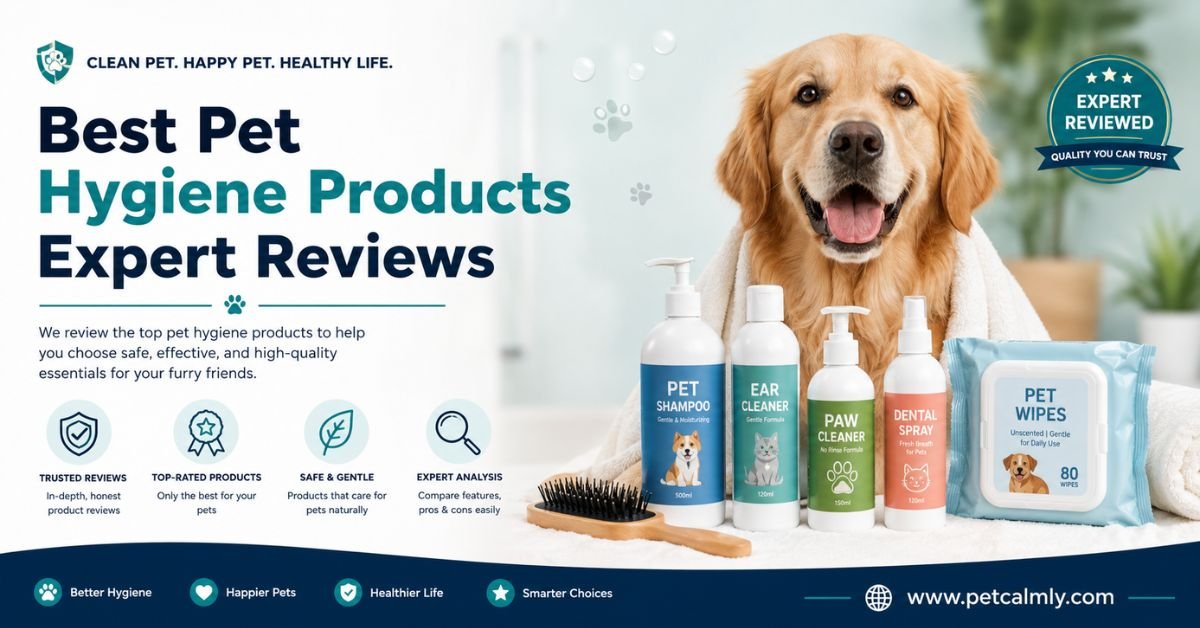
The best pet hygiene products help keep your pet clean, comfortable, and healthy without causing irritation or stress. Expert-reviewed essentials typically include gentle pet shampoos, dental care products, grooming wipes, ear cleaners, nail care tools, and odor-control solutions designed specifically for animals. The right products depend on your pet’s species, age, coat type, skin sensitivity, and lifestyle.
Most importantly, good hygiene products should support your pet’s health rather than simply mask odors or cosmetic issues. Safe ingredients, ease of use, and veterinarian-recommended formulations are often more important than flashy marketing claims.
Best Pet Hygiene Products Expert Reviews: What Really Matters for Pet Health
Keeping a pet clean isn’t just about appearances. Good hygiene plays a direct role in skin health, dental wellness, comfort, and even behavior.
Many pet owners discover this after dealing with recurring bad breath, itchy skin, excessive shedding, dirty ears, or persistent odors around the home. The challenge isn’t finding products it’s choosing the right ones among thousands of options.
Some products genuinely improve a pet’s quality of life. Others create more problems than they solve.
This guide reviews the most important categories of pet hygiene products, explains what experts look for, highlights common mistakes, and helps you choose products that fit your pet’s real needs.
Whether you share your home with a puppy, senior dog, indoor cat, rabbit, or another companion animal, you’ll find practical recommendations that prioritize safety, comfort, and long-term wellness.
Why Pet Hygiene Matters More Than Most Owners Realize
Good hygiene affects far more than cleanliness.
Regular grooming and hygiene routines can help:
- Reduce skin irritation
- Prevent painful matting
- Minimize ear infections
- Support dental health
- Control shedding
- Reduce household allergens
- Improve comfort
- Detect health problems earlier
- Strengthen trust between pet and owner
Many veterinary professionals point out that routine grooming often allows owners to notice lumps, wounds, parasites, or skin changes before they become serious concerns.
In short, hygiene isn’t cosmetic care it’s preventive care.
How Experts Evaluate Pet Hygiene Products
Before discussing specific product categories, it helps to understand what makes a hygiene product worth using.
Safety Comes First
The best products avoid:
- Harsh alcohols
- Excessive fragrances
- Toxic essential oils
- Artificial dyes
- Human-only ingredients
- Known skin irritants
Products designed specifically for pets are usually safer than adapting human products.
Ease of Use
Even excellent products become ineffective if owners avoid using them.
Experts often favor products that:
- Apply quickly
- Require minimal restraint
- Cause little stress
- Fit into daily routines
Species-Specific Formulation
Dogs, cats, rabbits, and small pets have very different needs.
For example:
- Cats are highly sensitive to many essential oils.
- Rabbits often require limited bathing.
- Dogs tolerate a wider variety of grooming products.
One product rarely fits every pet.
Proven Results
Good hygiene products should deliver measurable benefits:
- Cleaner coats
- Fresher breath
- Reduced odor
- Healthier skin
- Easier grooming
Marketing promises alone aren’t enough.
Best Pet Shampoo Reviews
Quick Answer
A quality pet shampoo cleans without stripping natural skin oils and should match your pet’s specific skin and coat needs.
What Makes a Great Pet Shampoo?
Look for:
- Soap-free formulas
- pH-balanced ingredients
- Gentle cleansers
- Moisturizing components
- Minimal artificial fragrance
Best for Sensitive Skin
Sensitive pets benefit from:
- Oatmeal shampoos
- Aloe-based formulas
- Hypoallergenic products
- Fragrance-free options
These can help reduce irritation while maintaining healthy skin.
Best for Odor Control
For pets with strong odors:
- Deodorizing shampoos
- Enzyme-based cleansers
- Deep-cleaning formulas
Avoid heavily perfumed products that simply cover smells.
Common Shampoo Mistakes
Many owners:
- Bathe too frequently
- Use human shampoo
- Skip thorough rinsing
- Ignore skin reactions
Overbathing can lead to dryness and itching.
Grooming Wipes: Surprisingly Useful Between Baths
Pet grooming wipes have become one of the most practical hygiene tools available.
They’re especially useful for:
- Muddy paws
- Tear stains
- Post-walk cleanup
- Travel situations
- Senior pets
- Cats that dislike bathing
What Experts Like About Grooming Wipes
Good wipes:
- Remove dirt gently
- Dry quickly
- Leave no sticky residue
- Use pet-safe ingredients
When Wipes Are Not Enough
Wipes should supplement not replace regular grooming.
A heavily soiled pet usually requires proper bathing and brushing.
Dental Hygiene Products Worth Buying
In Short
Dental care products are among the most valuable pet hygiene investments because dental disease is extremely common.
Many pets develop plaque and tartar long before owners notice obvious symptoms.
Pet Toothbrushes
A good pet toothbrush should:
- Reach back teeth easily
- Have soft bristles
- Allow controlled movement
Finger brushes may work for beginners but often clean less effectively.
Pet Toothpaste
Never use human toothpaste.
Pet-safe toothpaste is formulated to be swallowed safely and often comes in flavors pets tolerate better.
Popular options include:
- Poultry flavors
- Beef flavors
- Seafood flavors
Dental Water Additives
These products can support oral hygiene but should not replace brushing.
They may help:
- Freshen breath
- Reduce bacteria
- Support plaque control
Results vary between pets.
Dental Chews
Quality dental chews may:
- Reduce plaque buildup
- Encourage chewing
- Improve breath
Choose sizes appropriate for your pet.
Ear Cleaning Products: Preventing Common Problems
Healthy ears are clean, dry, and free from strong odors.
Ear cleaning products can be especially beneficial for:
- Floppy-eared dogs
- Swimming dogs
- Allergy-prone pets
Signs Your Pet May Need Ear Care
You may notice:
- Head shaking
- Scratching ears
- Wax buildup
- Mild odor
What to Avoid
Never insert cotton swabs deep into the ear canal.
This can:
- Push debris deeper
- Cause injury
- Increase irritation
Use veterinarian-approved ear cleaning solutions whenever possible.
Nail Care Products Experts Recommend
Many pets dislike nail trims, making proper tools especially important.
Essential Nail Care Options
Scissor Clippers
Best for:
- Small dogs
- Cats
- Puppies
Guillotine Clippers
Suitable for:
- Medium-sized dogs
- Routine maintenance
Nail Grinders
Popular because they:
- Create smoother edges
- Reduce splitting
- Allow gradual trimming
Many nervous owners find grinders easier to use safely.
Coat Brushes and Grooming Tools
Different coat types require different tools.
Short-Coated Pets
Often benefit from:
- Rubber grooming brushes
- Soft bristle brushes
Long-Haired Pets
Require:
- Slicker brushes
- Detangling combs
- Undercoat tools
Double-Coated Breeds
Need regular undercoat management.
Examples include:
- Huskies
- Golden Retrievers
- German Shepherds
Proper brushing helps reduce matting and shedding.
Tear Stain and Facial Cleaning Products
Facial hygiene is often overlooked.
Some pets naturally develop:
- Tear staining
- Food residue
- Facial fold moisture
Specialized facial wipes can help maintain cleanliness.
Pets That Often Benefit
- Persian cats
- Flat-faced dogs
- Bulldogs
- Pugs
- Shih Tzus
Facial folds should be kept dry to reduce irritation.
Odor-Control Products: Which Ones Actually Work?
The Main Reason Pets Smell
Odors often originate from:
- Skin issues
- Dental disease
- Dirty ears
- Anal gland problems
- Wet fur
Addressing the source is more effective than masking odors.
Helpful Odor-Control Products
Enzyme Sprays
Useful for:
- Bedding
- Furniture
- Accident cleanup
Deodorizing Sprays
Can freshen coats between baths.
Air Purifiers
May reduce pet-related odors throughout the home.
Comparing Common Pet Hygiene Products
| Product Type | Main Benefit | Best For | Frequency |
|---|---|---|---|
| Shampoo | Deep cleaning | Most pets | Monthly or as needed |
| Grooming wipes | Quick cleanup | Daily maintenance | Daily |
| Toothbrush | Oral health | Dogs and cats | Daily |
| Ear cleaner | Ear hygiene | At-risk pets | Weekly or as directed |
| Nail grinder | Nail maintenance | Most pets | Every 2-4 weeks |
| Brush | Coat care | All coat types | Several times weekly |
| Enzyme cleaner | Odor removal | Household cleanup | As needed |
4 Common Hygiene Mistakes Pet Owners Make
Even dedicated owners sometimes create problems unintentionally.
1: Using Human Products
Human products may contain ingredients unsuitable for pets.
This includes:
- Shampoo
- Toothpaste
- Skin products
2: Over-Grooming
Too much bathing or cleaning can:
- Dry skin
- Increase irritation
- Disrupt natural oils
3: Ignoring Dental Care
Many owners focus on fur while overlooking teeth.
Unfortunately, dental disease often develops silently.
4: Waiting Until Problems Appear
Preventive care is easier than treating advanced issues.
Consistent routines usually produce better outcomes.
Creating a Simple Pet Hygiene Routine
A routine doesn’t need to be complicated.
Daily
- Check eyes
- Inspect paws
- Wipe dirt when needed
- Provide dental care
Weekly
- Brush coat thoroughly
- Inspect ears
- Check nails
Monthly
- Bathe if necessary
- Review grooming supplies
- Assess skin condition
Consistency matters more than perfection.
Hygiene Considerations by Life Stage
Puppies and Kittens
Focus on:
- Positive grooming experiences
- Gentle products
- Short sessions
Adult Pets
Maintenance becomes the priority.
Routine care helps prevent future problems.
Senior Pets
Older animals may need:
- More frequent cleaning
- Skin monitoring
- Easier grooming tools
Mobility issues often make hygiene support especially important.
What to Avoid When Shopping for Pet Hygiene Products
Be cautious about products that:
- Promise instant cures
- Claim miraculous results
- Use vague ingredient lists
- Rely heavily on fragrance
- Ignore species-specific safety
Good hygiene products support health they don’t perform miracles.
When Should You Worry?
Some hygiene issues require veterinary attention rather than another grooming product.
Contact your veterinarian if you notice:
- Persistent bad odor
- Bleeding gums
- Ear discharge
- Severe itching
- Hair loss
- Skin infections
- Open wounds
- Sudden coat changes
- Pain during grooming
These symptoms may indicate underlying medical problems.
Emergency veterinary care may be needed if your pet experiences:
- Severe swelling
- Significant bleeding
- Difficulty breathing
- Extreme pain
- Neurological symptoms
No hygiene product should replace professional diagnosis when serious symptoms are present.
What Should Pet Owners Do?
If you’re unsure where to begin, focus on the basics.
Start With These Essentials
- Pet-safe shampoo
- Quality brush
- Toothbrush and pet toothpaste
- Grooming wipes
- Nail care tool
- Ear cleaning solution
Build a Routine Gradually
Trying to overhaul hygiene habits overnight often overwhelms both pets and owners.
Instead:
- Introduce one habit at a time
- Reward cooperation
- Keep sessions brief
- Stay consistent
Watch Your Pet’s Response
The best product for one pet may not suit another.
Pay attention to:
- Skin reactions
- Comfort level
- Grooming tolerance
- Overall results
Your pet’s response is often the most valuable review.
Frequently Asked Questions
1: What are the most important pet hygiene products to own?
Most pet owners should have a pet-safe shampoo, brush, toothbrush, toothpaste, nail care tool, and grooming wipes. These cover the essentials for skin, coat, dental, and general cleanliness.
2: Are expensive pet hygiene products always better?
Not necessarily. Ingredient quality, safety, and suitability for your pet matter more than price. Some affordable products perform extremely well when used consistently.
3: How often should I bathe my dog?
The ideal schedule depends on coat type, lifestyle, and skin condition. Many dogs do well with bathing every few weeks or when visibly dirty.
4: Can grooming wipes replace bathing?
No. Wipes are useful for quick cleanup but cannot remove heavy dirt, oils, or buildup as effectively as a proper bath.
5: What is the best way to improve pet breath?
Daily brushing remains the gold standard. Dental chews, water additives, and professional cleanings may provide additional support.
6: How do I know if a hygiene product is causing irritation?
Watch for redness, itching, excessive licking, hair loss, or discomfort after use. Discontinue the product and consult your veterinarian if symptoms persist.
More Information About Pets, Please Visit Our Website: Are Dog Nail Clippers Bad for Dogs?
Best Dog Shampoo for Regular Use
Best Calming Collar for Dogs
Conclusion
Choosing the best pet hygiene products isn’t about buying the most expensive items or following every trend. It’s about selecting safe, effective tools that fit your pet’s unique needs and making them part of a realistic routine.
Small habits brushing a coat, cleaning teeth, checking ears, trimming nails often make a bigger difference than owners expect. They support comfort, reduce health risks, and help strengthen the bond between you and your pet.
If you’re building a hygiene routine from scratch, start simple. Focus on consistency, observe your pet’s response, and adjust as needed. Over time, those small efforts can contribute to a cleaner home, a healthier pet, and greater peace of mind for everyone involved.
For related reading, consider exploring PetCalmly guides on pet anxiety during grooming, positive reinforcement training, healthy skin and coat care, senior pet wellness, and preventive dental care.