Short direct answer
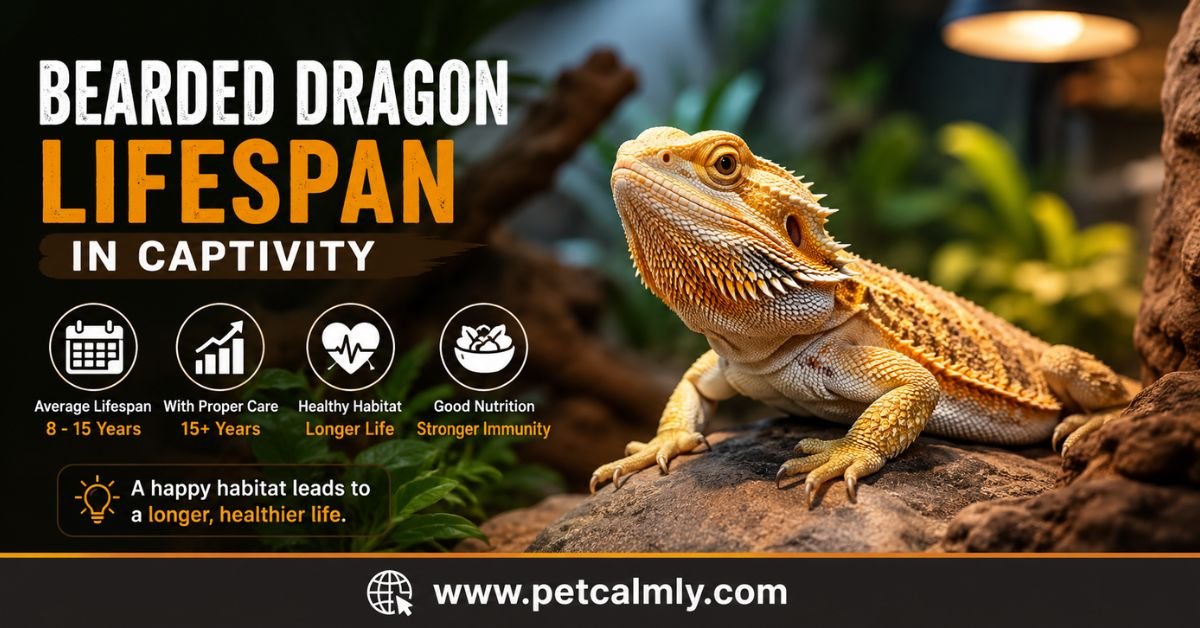
The average bearded dragon lifespan in captivity is 10 to 15 years when they receive proper care. Some healthy bearded dragons even live 16 to 18 years or longer with an appropriate diet, quality UVB lighting, correct temperatures, regular veterinary care, and a low-stress environment. Poor nutrition, inadequate lighting, improper enclosure conditions, and untreated illnesses can significantly shorten their lifespan.
Bearded Dragon Lifespan in Captivity: What Every Owner Should Know
Bringing home a bearded dragon is exciting, but it’s also a long-term commitment. Unlike many small pets, these friendly reptiles can share your life for well over a decade when cared for properly.
Many first-time owners ask questions like:
- How long will my bearded dragon live?
- Can I help it live longer?
- What mistakes shorten a bearded dragon’s life?
- What changes should I expect as it ages?
The good news is that most factors affecting a bearded dragon’s lifespan are within your control. Proper husbandry, a balanced diet, clean housing, and early attention to health problems all play an important role.
This guide explains not only how long bearded dragons live in captivity, but also why some thrive into their late teens while others develop preventable health issues much earlier. Whether you’ve just adopted a baby beardie or you’re caring for a senior companion, you’ll find practical, evidence-based advice to help support a long and healthy life.
What Is the Average Bearded Dragon Lifespan in Captivity?
A healthy captive bearded dragon typically lives between 10 and 15 years. This estimate applies to the most commonly kept species, the central bearded dragon (Pogona vitticeps), when its environmental and nutritional needs are consistently met.
Some exceptionally well-cared-for dragons have lived beyond 18 years, although this is less common. Reaching that age usually reflects years of attentive care rather than luck alone.
Several factors work together to influence lifespan, including:
- A balanced diet with appropriate calcium and vitamins
- High-quality UVB lighting replaced on schedule
- Proper basking and cool-side temperatures
- A spacious, clean enclosure
- Routine monitoring for illness or injury
- Reduced stress from handling and housing
Think of lifespan as the result of thousands of small daily care decisions rather than one single factor.
Quick Overview of Bearded Dragon Lifespan
| Care Quality | Expected Lifespan |
|---|---|
| Excellent husbandry | 15–18+ years |
| Good routine care | 10–15 years |
| Inconsistent care | 6–10 years |
| Poor husbandry or chronic illness | Less than 6 years |
These ranges are approximate. Individual genetics, early-life care, and access to veterinary treatment can also influence longevity.
Bearded Dragon Lifespan in Captivity vs. the Wild
Many owners are surprised to learn that captive bearded dragons often outlive their wild counterparts.
| Captive Bearded Dragons | Wild Bearded Dragons |
|---|---|
| Consistent food supply | Seasonal food shortages |
| Protected from predators | Constant predator threats |
| Veterinary treatment available | Injuries often go untreated |
| Stable temperatures | Extreme weather conditions |
| Controlled lighting | Environmental stress |
| Lower parasite exposure | Higher parasite burden |
In the wild, bearded dragons face many challenges beyond their control. Predators, drought, competition for food, parasites, and injuries all reduce average life expectancy.
Captive dragons, on the other hand, benefit from a safe environment where their basic needs are consistently met. However, this advantage only exists when owners provide proper husbandry. A poorly maintained enclosure can create health problems that rarely occur in nature.
Bearded Dragon Life Stages and What to Expect
Understanding each stage of life helps you provide age-appropriate care and recognize normal changes as your dragon grows.
Hatchling (0–2 Months)
This is the fastest period of growth.
Young hatchlings:
- Eat several small meals each day
- Require abundant protein from appropriately sized insects
- Shed frequently
- Need careful monitoring of temperature and hydration
- Are more vulnerable to husbandry mistakes
During this stage, even minor issues—such as inadequate UVB lighting or low temperatures—can affect healthy development.
Juvenile (2–12 Months)
Juveniles continue growing rapidly and develop stronger bones, muscles, and immune systems.
Typical characteristics include:
- High activity levels
- Strong appetite
- Frequent shedding
- Increasing curiosity
- Gradual introduction of more leafy greens
This is one of the most important stages for building lifelong health. Proper nutrition now helps reduce the risk of metabolic bone disease later in life.
Adult (1–7 Years)
Most bearded dragons reach adulthood between 12 and 18 months.
Healthy adults generally:
- Eat more vegetables than insects
- Maintain a steady body weight
- Become calmer and easier to handle
- Display consistent daily routines
- Require regular enclosure maintenance and health checks
With good husbandry, this stage can last for many productive years.
Senior Bearded Dragon (8 Years and Older)
As dragons age, gradual physical changes become more noticeable.
Older beardies may:
- Move more slowly
- Sleep longer
- Eat slightly less
- Shed less often
- Show mild joint stiffness
- Prefer quieter surroundings
These changes are often part of normal aging. However, sudden weight loss, persistent lethargy, difficulty climbing, or a significant decrease in appetite should not be dismissed as “just old age.” A reptile-experienced veterinarian can help determine whether an underlying health issue is present.
Why Some Bearded Dragons Live Longer Than Others
Owners often compare their pets and wonder why one dragon reaches 16 years while another develops health problems much earlier.
The answer usually involves a combination of factors rather than a single cause.
Genetics Matter But They Aren’t Everything
Like people, individual bearded dragons inherit different strengths and weaknesses.
Responsible breeding can contribute to:
- Better overall health
- Stronger immune systems
- Fewer inherited defects
- Improved long-term vitality
However, excellent genetics cannot compensate for poor husbandry, and average genetics can still support a long life when daily care is consistently good.
Early Care Has Lasting Effects
The first year of life is especially important.
Young dragons that receive:
- Proper UVB exposure
- Correct calcium supplementation
- Balanced nutrition
- Adequate hydration
- Appropriate temperatures
are more likely to develop strong bones, healthy muscles, and resilient immune systems that benefit them throughout adulthood.
Conversely, nutritional deficiencies or inadequate lighting during early growth can lead to lifelong health challenges.
Consistency Is More Important Than Perfection
Many experienced reptile keepers agree that consistent care matters more than occasional bursts of “perfect” care.
For example:
A dragon receiving appropriate temperatures, fresh vegetables, clean water, and regular UVB exposure every day is generally healthier than one receiving inconsistent care, even if the owner occasionally buys expensive supplements or accessories.
Small daily habits have a greater impact than one-time purchases.
Key Factors That Influence Bearded Dragon Lifespan in Captivity
Several aspects of daily care work together to determine how long a bearded dragon may live.
The biggest influences include:
- Proper UVB lighting
- Correct basking temperatures
- Balanced nutrition
- Calcium and vitamin supplementation
- Adequate enclosure size
- Safe substrate choices
- Regular cleaning and hygiene
- Low stress levels
- Routine veterinary examinations
- Early detection of illness
In the next section, we’ll explore each of these factors in depth and explain exactly how they affect a bearded dragon’s health and longevity.
Common Myths About Bearded Dragon Lifespan
Many misconceptions can lead to unrealistic expectations or poor care decisions. Let’s clear up a few common myths.
Myth: All bearded dragons naturally live 20 years.
Reality: While a few individuals may reach or exceed 18 years, most healthy captive bearded dragons live around 10 to 15 years. Lifespan depends on genetics, husbandry, and overall health.
Myth: Feeding more insects helps them live longer.
Reality: Adult bearded dragons need a diet that is mostly leafy greens, with insects offered in moderation. Overfeeding insects can contribute to obesity and related health problems.
Myth: If a bearded dragon looks healthy, its lighting must be fine.
Reality: UVB deficiencies can develop gradually. A dragon may appear normal while silently developing bone or metabolic issues. Regularly replacing UVB bulbs according to the manufacturer’s schedule is essential.
Myth: Older bearded dragons always become inactive because of age.
Reality: While senior dragons often slow down, sudden lethargy, refusal to eat, or rapid weight loss should always be investigated, as these signs may indicate illness rather than normal aging.
The Biggest Factors That Affect Bearded Dragon Lifespan in Captivity
Everything you do each day from switching on the lights to offering fresh greens affects your bearded dragon’s long-term health. While genetics play a role, daily husbandry is the biggest factor you can control.
Below are the most important areas to focus on if you want your bearded dragon to enjoy a long, healthy life.
How Diet Affects Bearded Dragon Lifespan in Captivity
Food is much more than fuel. A balanced diet supports healthy bones, muscles, organs, skin, and the immune system. Poor nutrition over months or years can lead to obesity, vitamin deficiencies, or metabolic bone disease, all of which may shorten a bearded dragon’s lifespan.
Feed Age-Appropriate Foods
A bearded dragon’s diet changes as it grows.
| Life Stage | Insects | Vegetables |
|---|---|---|
| Hatchling | Mostly insects | Small amounts |
| Juvenile | More insects than greens | Increasing variety |
| Adult | About 20–30% insects | About 70–80% leafy greens |
Young dragons need more protein to support rapid growth, while adults benefit from a plant-rich diet that helps maintain a healthy weight.
Best Foods for a Healthy Bearded Dragon
Offer a wide variety of nutritious foods instead of relying on just one favorite.
Healthy leafy greens:
- Collard greens
- Mustard greens
- Turnip greens
- Dandelion greens
- Endive
- Escarole
Vegetables:
- Butternut squash
- Bell peppers
- Green beans
- Acorn squash
- Yellow squash
Safe feeder insects:
- Dubia roaches
- Crickets
- Black soldier fly larvae
- Silkworms
- Occasional hornworms
Rotating foods provides a broader range of nutrients and keeps meals interesting.
Foods to Limit or Avoid
Some foods are best offered only occasionally, while others should be avoided.
Limit:
- Spinach
- Kale (large amounts)
- Carrots
- Fruit
- Mealworms as a staple
Avoid:
- Fireflies
- Wild-caught insects exposed to pesticides
- Avocado
- Onion
- Garlic
- Rhubarb
- Chocolate
- Processed human foods
A simple rule is to stick with foods known to be safe for reptiles rather than experimenting.
Why UVB Lighting Is Essential for a Long Bearded Dragon Lifespan
If there is one husbandry mistake that commonly leads to preventable illness, it is inadequate UVB lighting.
Bearded dragons need UVB light to produce vitamin D3, which allows them to absorb calcium properly. Without enough UVB, even a healthy diet cannot fully protect them from bone disease.
What Happens Without UVB?
Over time, insufficient UVB exposure may lead to:
- Weak bones
- Soft jaw
- Tremors
- Difficulty walking
- Limb deformities
- Fractures
- Metabolic bone disease (MBD)
These problems develop gradually, so a dragon may appear healthy until the condition becomes advanced.
UVB Tips for Better Health
- Use a high-quality linear UVB tube designed for desert reptiles.
- Position the light according to the manufacturer’s recommendations.
- Replace UVB bulbs on schedule, even if they still produce visible light.
- Ensure there is no glass or plastic blocking UVB rays.
- Provide shaded areas so your dragon can regulate its exposure.
Good lighting is one of the best investments you can make in your bearded dragon’s long-term wellbeing.
Proper Heating Supports a Longer Bearded Dragon Lifespan
Bearded dragons rely on external heat to digest food, fight infections, and stay active. Incorrect temperatures can affect nearly every body system.
Create a Temperature Gradient
Your enclosure should include:
- A warm basking area
- A cooler area where your dragon can escape the heat
- Stable nighttime temperatures that remain within a safe range
This allows your bearded dragon to regulate its body temperature naturally throughout the day.
Signs Temperatures May Be Incorrect
Too cold:
- Poor appetite
- Slow digestion
- Lethargy
- Constipation
- Spending all day under the basking lamp
Too hot:
- Constant gaping
- Trying to escape the enclosure
- Remaining on the cool side
- Panting
- Signs of heat stress
Use reliable digital thermometers to monitor temperatures instead of guessing by touch.
Choosing the Right Enclosure for Long-Term Health
A cramped enclosure can limit movement, increase stress, and reduce opportunities for natural behaviors.
Adult bearded dragons generally thrive in spacious enclosures that allow them to:
- Walk comfortably
- Climb safely
- Explore different temperatures
- Stretch fully
- Bask naturally
Larger habitats also make it easier to create proper heating and lighting zones.
Include Environmental Enrichment
Mental stimulation matters too.
Useful enrichment includes:
- Branches
- Rocks
- Basking platforms
- Safe hiding places
- Dig boxes
- Rearranged climbing features from time to time
Exploring a varied environment encourages natural behaviors and helps prevent boredom.
Hydration Plays a Bigger Role Than Many Owners Realize
Although bearded dragons come from dry environments, they still need regular access to water.
Hydration supports:
- Kidney function
- Healthy shedding
- Digestion
- Overall metabolism
Some dragons drink from shallow dishes, while others prefer licking water droplets from leaves or during gentle misting. Fresh water should always be available, even if your dragon doesn’t drink often.
Signs of dehydration may include:
- Wrinkled skin
- Sticky saliva
- Sunken eyes
- Difficulty shedding
- Lethargy
Persistent dehydration warrants a veterinary assessment.
Calcium and Vitamin Supplements Help Protect Bone Health
Even a varied diet may not supply everything a captive bearded dragon needs.
Calcium supplementation is especially important because it works together with UVB lighting to maintain strong bones and normal muscle function.
General best practices include:
- Dust feeder insects with calcium as recommended for your dragon’s age.
- Use vitamin supplements according to veterinary or manufacturer guidance.
- Avoid excessive supplementation, which can also cause health issues.
If you’re unsure about a supplement schedule, consult a reptile-experienced veterinarian.
Exercise and Enrichment Improve Overall Wellbeing
Healthy bearded dragons are naturally curious.
Providing opportunities for movement supports:
- Muscle tone
- Joint health
- Healthy weight
- Mental stimulation
Simple ways to encourage activity include:
- Supervised exploration in a safe room
- Climbing structures
- Different basking heights
- Food enrichment, such as placing greens in different locations
Always supervise time outside the enclosure and keep other pets away.
Reducing Stress Can Help Your Bearded Dragon Live Longer
Chronic stress weakens the immune system and may contribute to illness over time.
Common Sources of Stress
- Frequent enclosure changes
- Improper temperatures
- Lack of hiding places
- Rough handling
- Loud environments
- Constant interaction with other pets
- Poor lighting
How to Create a Low-Stress Environment
- Handle your dragon gently and consistently.
- Keep a predictable daily routine.
- Provide secure hiding spots.
- Avoid overcrowding the enclosure.
- Minimize sudden environmental changes.
- Give your dragon quiet periods to rest.
A calm reptile often has a healthier appetite, better activity levels, and more consistent behavior.
Common Health Problems That Can Shorten a Bearded Dragon’s Lifespan
Early recognition and treatment of illness can make a significant difference.
Metabolic Bone Disease (MBD)
Often linked to poor UVB lighting or inadequate calcium, MBD can cause:
- Weakness
- Soft bones
- Swollen limbs
- Tremors
- Difficulty climbing
This condition is largely preventable with proper husbandry.
Parasites
Internal parasites may lead to:
- Weight loss
- Loose stools
- Poor appetite
- Weakness
Routine fecal examinations are especially important for newly acquired dragons or those showing digestive changes.
Respiratory Infections
Possible signs include:
- Wheezing
- Clicking sounds
- Open-mouth breathing when not basking
- Nasal discharge
- Lethargy
Prompt veterinary care is important, as respiratory infections can worsen quickly.
Mouth Rot (Infectious Stomatitis)
Watch for:
- Swollen gums
- Excess saliva
- Bad odor
- Difficulty eating
Early treatment improves recovery.
Obesity
A bearded dragon that is consistently overfed or receives too many fatty insects may develop obesity.
Extra weight increases the risk of:
- Fatty liver disease
- Reduced mobility
- Joint strain
- Shorter lifespan
Maintaining a healthy body condition through balanced feeding and exercise is safer than relying on restrictive diets later.
Common Owner Mistakes That Reduce Bearded Dragon Lifespan
Even caring owners can make mistakes, especially when they’re new to reptile care.
Avoid these common problems:
- Using outdated or weak UVB bulbs
- Feeding too many insects to adult dragons
- Offering little dietary variety
- Guessing enclosure temperatures
- Skipping calcium supplementation
- Choosing an enclosure that’s too small
- Ignoring gradual weight changes
- Delaying veterinary care when illness is suspected
- Relying on advice from unreliable online sources
Learning from trusted reptile care resources can prevent many of these issues.
Practical Checklist to Help Your Bearded Dragon Live Longer
Use this simple routine to support your dragon’s long-term health.
Every Day
- ✓ Check basking and cool-side temperatures
- ✓ Ensure UVB and heat lights are working
- ✓ Offer fresh food
- ✓ Replace drinking water
- ✓ Remove waste
- ✓ Observe appetite and activity
Every Week
- ✓ Clean food and water dishes
- ✓ Wipe down enclosure surfaces as needed
- ✓ Inspect skin, eyes, and nails
- ✓ Weigh your dragon if practical
Every Month
- ✓ Deep-clean the enclosure
- ✓ Check lighting equipment
- ✓ Review body condition
- ✓ Inspect climbing structures for safety
Every Year
- ✓ Schedule a wellness exam with a reptile-experienced veterinarian
- ✓ Review your UVB bulb replacement schedule
- ✓ Reassess enclosure setup as your dragon ages
Caring for an Aging Bearded Dragon and Helping It Live Its Best Life
As your bearded dragon gets older, you’ll likely notice small changes in its daily routine. Many of these are a normal part of aging, but others may signal an underlying health problem that needs veterinary attention.
Knowing the difference can help you provide the right care while avoiding unnecessary worry.
Signs Your Bearded Dragon Is Getting Older
Most bearded dragons begin showing signs of aging around 8 to 10 years of age, although every dragon ages differently.
Normal aging is usually gradual. Your pet should still appear alert, maintain a healthy body condition, and show interest in food.
Common Signs of a Senior Bearded Dragon
You may notice your older beardie:
- Sleeps longer than it used to
- Moves more slowly around the enclosure
- Climbs less often
- Has a slightly smaller appetite
- Sheds less frequently
- Prefers resting under the basking light
- Takes longer to recover after activity
- Becomes calmer during handling
These changes often happen slowly over several months or years.
Signs That Are Not Normal Aging
Some symptoms should never be dismissed as “just getting old.”
Contact a reptile-experienced veterinarian if your bearded dragon has:
- Rapid or unexplained weight loss
- Refuses food for an extended period outside normal brumation
- Severe weakness
- Swollen limbs or jaw
- Difficulty walking or climbing
- Persistent diarrhea
- Bloody stool
- Labored breathing
- Sunken eyes
- Mouth swelling or discharge
- Unusual lumps or sores
- Frequent falls from climbing areas
Prompt treatment often leads to better outcomes than waiting to see if the problem improves on its own.
When Should You Worry About Your Bearded Dragon’s Health?
Every bearded dragon has occasional “off” days. They may eat a little less before shedding or become less active during seasonal changes.
However, certain situations deserve prompt attention.
Seek Veterinary Care If Your Bearded Dragon:
- Stops eating for several days without an obvious reason
- Loses weight despite eating normally
- Has repeated vomiting or regurgitation
- Shows signs of dehydration
- Cannot support its body properly
- Has tremors or muscle twitching
- Experiences repeated falls
- Has persistent wheezing or open-mouth breathing when not basking
- Develops swollen joints or limbs
- Has a wound that is not healing
A reptile veterinarian can perform a physical examination, recommend diagnostic tests if needed, and identify problems before they become more serious.
What Should Pet Owners Do to Help Their Bearded Dragon Live Longer?
Long life isn’t about finding a miracle supplement. It’s about consistently meeting your dragon’s needs throughout every stage of life.
1. Feed a Balanced Diet
Offer fresh leafy greens every day and provide appropriately sized insects based on your dragon’s age. Rotate foods to provide a variety of nutrients rather than relying on one staple item.
2. Replace UVB Bulbs on Schedule
Even if a UVB bulb still produces visible light, its UVB output may decline over time.
Follow the manufacturer’s replacement recommendations to ensure your dragon continues receiving adequate UVB exposure.
3. Monitor Weight Regularly
Weighing your bearded dragon every few weeks can help you spot gradual weight loss or gain before it becomes obvious.
Keeping a simple notebook or digital record makes it easier to notice trends.
4. Keep the Enclosure Clean
Routine cleaning reduces exposure to bacteria, parasites, and mold.
Good hygiene includes:
- Removing waste daily
- Washing food and water dishes
- Spot-cleaning soiled areas
- Performing regular deep cleans
- Replacing worn enclosure accessories when necessary
5. Schedule Routine Veterinary Checkups
Many illnesses develop gradually.
Annual wellness examinations are especially valuable for:
- Adult dragons
- Senior dragons
- Newly adopted reptiles
- Dragons with recurring health problems
Preventive care often catches issues before they become serious.
6. Reduce Stress
A calm bearded dragon usually eats better and behaves more naturally.
Maintain:
- Consistent lighting schedules
- Stable temperatures
- Gentle handling
- Quiet resting periods
- Safe hiding spaces
Simple routines help your dragon feel secure.
7. Learn Your Dragon’s Normal Behavior
No one knows your pet better than you.
Notice:
- Eating habits
- Favorite basking spots
- Normal activity level
- Shedding patterns
- Stool appearance
When something changes noticeably, you’ll recognize it sooner.
Healthy Habits That Support a Long Bearded Dragon Lifespan
The following checklist summarizes the daily habits that make the biggest difference.
| Habit | Why It Matters |
|---|---|
| Balanced nutrition | Supports healthy growth, immunity, and weight |
| Proper UVB lighting | Helps prevent metabolic bone disease |
| Correct temperatures | Aids digestion and normal body functions |
| Fresh drinking water | Supports hydration and kidney health |
| Spacious enclosure | Encourages exercise and natural behaviors |
| Safe enrichment | Reduces boredom and stress |
| Routine cleaning | Lowers the risk of infections and parasites |
| Annual veterinary exams | Helps detect problems early |
| Regular observation | Allows early recognition of illness |
No single habit guarantees a longer life, but together they create the conditions your bearded dragon needs to thrive.
Frequently Asked Questions
1: How long do bearded dragons usually live in captivity?
Most healthy bearded dragons live 10 to 15 years with proper husbandry. Some individuals exceed 16 to 18 years when they receive excellent nutrition, UVB lighting, veterinary care, and a suitable environment.
2: Can a bearded dragon live for 20 years?
Although uncommon, a few bearded dragons have reportedly reached around 20 years of age. Most, however, have an expected lifespan of 10–15 years.
3: What is the biggest factor affecting a bearded dragon’s lifespan?
There isn’t one single factor. Long-term health depends on consistent husbandry, including proper UVB lighting, correct temperatures, balanced nutrition, calcium supplementation, hygiene, and timely veterinary care.
4: Does enclosure size affect lifespan?
Yes. A properly sized enclosure encourages natural movement, supports healthy temperature gradients, reduces stress, and contributes to overall wellbeing. While enclosure size alone won’t determine lifespan, it plays an important role in good husbandry.
5: Can poor UVB lighting shorten a bearded dragon’s life?
Yes. Inadequate UVB lighting can contribute to metabolic bone disease and other health problems by reducing the body’s ability to use calcium effectively. Replacing UVB bulbs as recommended is an important part of preventive care.
6: How can I tell if my bearded dragon is healthy?
A healthy bearded dragon is generally alert, maintains a stable weight, has clear eyes, eats regularly, sheds normally, and produces well-formed droppings. Gradual changes can occur with age, but sudden or severe changes should be evaluated by a reptile-experienced veterinarian.
More Information About Pets, Please Visit Our Website: How to Clean Bearded Dragon Tank
Bearded Dragon Humidity Level
120 Gallon Bearded Dragon Tank
Best Substrate for Bearded Dragon Dig Box
Best Feeder Insects for Bearded Dragons
Conclusion
A bearded dragon lifespan in captivity is influenced far more by daily care than by luck. While most captive dragons live between 10 and 15 years, attentive owners often enjoy many more years with a healthy companion by providing proper nutrition, high-quality UVB lighting, correct temperatures, regular cleaning, and preventive veterinary care.
Remember that no care routine can guarantee a specific lifespan. Genetics, early-life experiences, and unexpected illnesses also play a role. However, creating a safe, enriching environment and responding quickly to health concerns gives your bearded dragon the best opportunity to live a long, comfortable life.
Whether you’re raising a tiny hatchling or caring for a senior beardie, the small choices you make each day can have a lasting impact.