Short direct answer
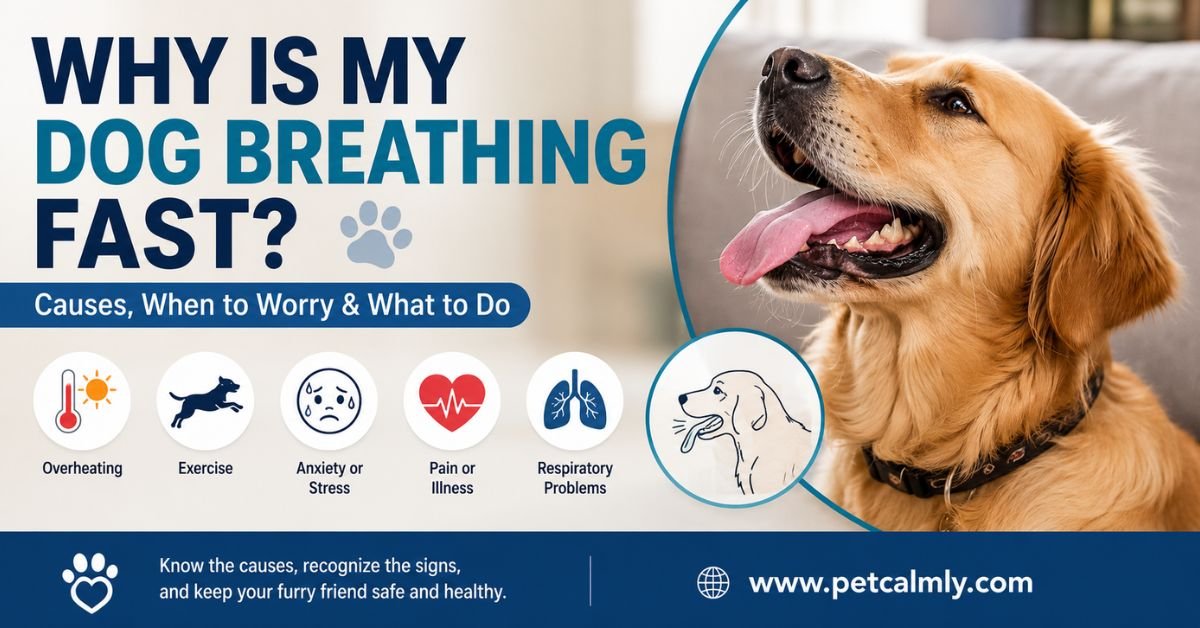
Dogs breathe fast for a mix of normal and not-so-normal reasons. Heat, exercise, excitement, stress, and pain can all speed up a dog’s breathing temporarily, and this usually settles down within a few minutes of rest. But if your dog is breathing fast while calm, sleeping, or resting especially with a rate over 30 to 40 breaths per minute it can point to something more serious, like heart disease, respiratory illness, heatstroke, or pain that needs veterinary attention. The safest first step is to count your dog’s breaths for 30 seconds while they’re resting quietly, then decide whether it’s a wait-and-watch situation or a same-day vet visit.
Introduction
There’s a particular kind of worry that hits when you notice your dog’s sides moving faster than usual. Maybe you were just watching TV together and glanced down to see their chest rising and falling like they’d just finished a sprint except they hadn’t moved from the couch in an hour.
Fast breathing in dogs isn’t automatically a red flag. Dogs pant to cool off, breathe faster when they’re nervous about the vacuum cleaner, and their respiration naturally speeds up after a good zoomies session in the yard. But rapid breathing at rest sometimes called tachypnea is different from panting, and it’s one of the signs vets take seriously because it can be an early clue that something internal isn’t working the way it should.
This guide walks through what counts as normal, what doesn’t, the most common causes behind fast breathing, and exactly what to do next depending on what else you’re seeing. The goal isn’t to alarm you it’s to help you tell the difference between “let’s keep an eye on this” and “we need to call the vet right now.”
Fast Breathing vs. Panting: Why the Difference Matters
Before diagnosing anything, it helps to separate two things owners often lump together.
Panting is open-mouthed breathing dogs use to regulate body temperature. Because dogs don’t sweat the way people do they only have sweat glands in their paw pads panting is their main cooling system. A panting dog can breathe well over 100 times a minute, and that’s completely normal after play, in heat, or during excitement.
Rapid breathing at rest, on the other hand, usually happens with the mouth closed, while the dog is lying down, sleeping, or otherwise calm. This is the pattern worth paying closer attention to, because it’s not explained by activity, temperature, or excitement.
A simple way to think about it: panting is a cooling behavior your dog chooses. Fast resting respiration is something the body is doing on its own, often to compensate for reduced oxygen, fluid in the lungs, pain, or metabolic stress.
What’s a Normal Breathing Rate for a Dog?
Most healthy adult dogs take between 15 and 30 breaths per minute while resting calmly or sleeping, according to guidance from VCA Animal Hospitals. Smaller dogs and puppies tend to sit at the higher end of that range, while larger, deep-chested breeds often breathe a little slower.
Here’s a simple way to count it yourself:
- Wait until your dog is resting quietly or asleep — not panting, not purring against you, not mid-dream twitch.
- Watch their chest or belly. One full rise and fall equals one breath.
- Count breaths for 30 seconds using a phone timer.
- Multiply that number by two to get breaths per minute.
| Breathing Rate (at rest) | What It Usually Means |
|---|---|
| 10–30 breaths per minute | Generally normal for most dogs |
| 30–40 breaths per minute, occasional | Worth monitoring, recheck in an hour |
| Consistently above 35–40 breaths per minute | Considered abnormal; contact your vet |
| Rapid breathing plus labored effort, blue/pale gums, or collapse | Emergency — seek immediate care |
It’s worth establishing your own dog’s normal baseline when they’re healthy. A dog who typically breathes at 14 breaths per minute jumping to 28 has doubled their rate, even though 28 still looks “in range” on paper. Veterinary cardiologists often note that any increase of more than 20% above a dog’s usual resting rate deserves a closer look, particularly in dogs already diagnosed with heart conditions.
Common Reasons Dogs Breathe Fast
Heat, Exercise, and Excitement (The Harmless Reasons)
The most common explanation is also the least worrying one. Dogs breathe faster after running, playing fetch, greeting you at the door, or spending time outside on a warm day. This kind of fast breathing should ease off within 10 to 20 minutes of calming down and cooling off. If your dog is back to normal once they’ve rested and had some water, there’s usually nothing else to do.
Stress and Anxiety
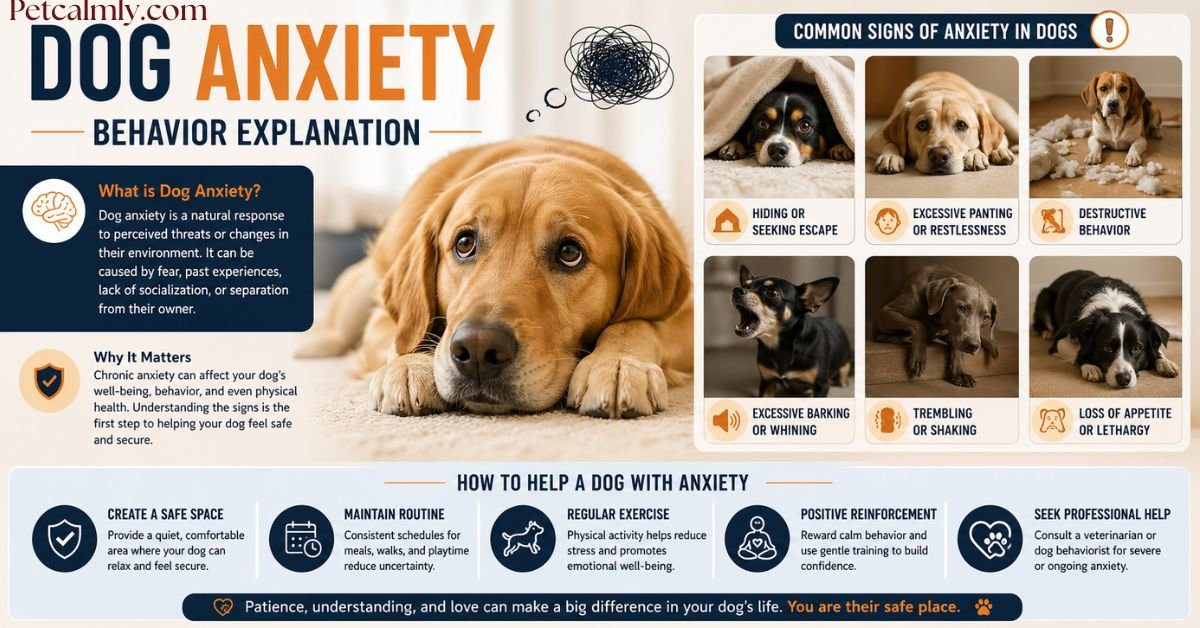
Fast, shallow breathing is a common physical response to fear or anxiety think thunderstorms, car rides, vet visits, or a strange dog barking outside the fence. You might also notice pacing, panting with a tightly closed mouth in between breaths, drooling, or trying to hide. Once the trigger is removed, breathing typically returns to normal fairly quickly. Dogs with chronic anxiety may benefit from calming routines, safe spaces, or a conversation with your vet about long-term management if episodes are frequent or severe.
Pain or Discomfort
Pain — from an injury, an upset stomach, arthritis, or something less visible — can cause dogs to breathe faster, even without an obvious wound. A dog in pain often breathes shallowly and quickly rather than taking slow, deep breaths, and may also seem restless, reluctant to lie in their usual spot, or unwilling to be touched in certain areas.
Heatstroke
This is one of the more urgent causes. Because panting is a dog’s primary cooling method, an overheating dog will pant heavily and breathe rapidly as their body tries to bring its temperature down. According to Cornell University’s College of Veterinary Medicine, signs of heatstroke include heavy panting, drooling, vomiting, diarrhea, weakness, and collapse, and it can develop within minutes in hot cars, humid weather, or during intense exercise. Short-muzzled (brachycephalic) breeds, older dogs, and overweight dogs are especially vulnerable.
Heart Disease or Congestive Heart Failure
When the heart can’t pump efficiently, fluid can build up around the lungs, and the body compensates by breathing faster — even at rest or while asleep. This is one of the earliest detectable warning signs of heart failure in dogs, which is exactly why vets often ask owners of dogs with known heart conditions to track their resting or sleeping respiratory rate at home. A rate that creeps upward over several days, rather than a single one-off spike, is the pattern that matters most here.
Respiratory or Lung Conditions
Pneumonia, fluid in the chest, asthma-like airway inflammation, or a collapsing trachea can all make breathing faster and, often, more effortful. You might notice a cough, wheeze, or a change in the sound of your dog’s breathing alongside the increased rate.
Anemia or Low Oxygen Levels
When there isn’t enough oxygen-carrying capacity in the blood — from internal bleeding, certain toxins, or underlying disease — the body tries to compensate by breathing faster. Pale or white gums are a key sign to check for here.
Cushing’s Disease and Other Hormonal Conditions
Excess cortisol production, seen in Cushing’s disease, is a less obvious cause of persistent panting and fast breathing, especially in older dogs. It’s often accompanied by increased thirst, urination, appetite, and a pot-bellied appearance.
Poisoning or Toxin Exposure
Certain toxins — including some human medications, rodenticides, and household chemicals — can cause rapid breathing alongside vomiting, tremors, or disorientation. If poisoning is even a possibility, this is not a wait-and-see situation.
Fever or Infection
A dog running a fever will often breathe faster as part of the body’s effort to regulate temperature, similar to panting in the heat, but triggered internally rather than by the environment.
Breed and Life-Stage Considerations
Brachycephalic (Flat-Faced) Breeds
Bulldogs, pugs, boxers, Boston terriers, and other short-muzzled breeds have narrower airways by design, which means they naturally work harder to move air. This puts them at higher risk of both heat-related breathing distress and general respiratory strain. Fast or noisy breathing that would be mildly concerning in a Labrador can escalate more quickly in a brachycephalic dog, so owners of these breeds should treat breathing changes with extra caution and lower their threshold for calling the vet.
Puppies
Puppies naturally breathe faster than adult dogs often in the range of 15 to 40 breaths per minute because of their smaller lungs and higher metabolic rate. That said, puppies are also more vulnerable to rapid dehydration, parasites, and infections, so persistent fast breathing combined with lethargy, poor appetite, or diarrhea in a young puppy warrants a prompt vet check rather than a “let’s wait and see” approach.
Senior Dogs
Older dogs are more prone to the conditions most likely to cause concerning fast breathing heart disease, arthritis-related pain, Cushing’s disease, and reduced lung capacity. If your senior dog’s resting breathing rate has crept up gradually over weeks, it’s worth mentioning at their next checkup even if nothing else seems obviously wrong.
Real-Life Scenarios: Putting It Into Context
Scenario one: A three-year-old Labrador comes in from a game of fetch on a warm afternoon, panting heavily with her tongue out. Ten minutes later, curled up in the shade with a bowl of water, her breathing has slowed back to normal. This is a textbook example of exercise-related panting no action needed beyond making sure she has water and shade.
Scenario two: A twelve-year-old Cavalier King Charles Spaniel, a breed predisposed to heart disease, has been sleeping more and his owner notices his sides moving faster than usual even while fully asleep around 40 breaths per minute, up from his usual 20. Nothing dramatic is happening; he’s not distressed or coughing. But because this is a resting rate, in a breed with elevated heart disease risk, and represents a clear jump from baseline, this is a same-week vet conversation, not something to brush off.
Scenario three: A French Bulldog left in a parked car for what the owner thought would be “just a few minutes” starts panting frantically, drooling heavily, and his gums look bright red. This is a heatstroke emergency requiring immediate cooling and an urgent trip to the vet not a “monitor at home” situation.
These three dogs all had “fast breathing,” but the context activity level, breed, duration, and accompanying signs changes what it means and what to do about it entirely.
Mistakes Owners Commonly Make
- Assuming all fast breathing is just panting. Panting and true rapid resting respiration look different once you know what to watch for, and mixing them up can delay noticing a real problem.
- Only checking breathing rate once. A single count doesn’t tell you much. Trends over days matter far more than one snapshot, especially for early heart disease detection.
- Waiting for other symptoms to appear. Fast breathing can be the first sign of a problem, showing up before coughing, lethargy, or appetite loss. Waiting for “more proof” can cost valuable time in urgent cases.
- Cooling an overheating dog with ice-cold water. This can cause blood vessels near the skin to constrict, actually trapping heat inside. Cool or lukewarm water is the safer approach.
- Restricting water or exercise without knowing the cause. Some owners assume rest alone will fix it. If the underlying cause is heart or lung related, rest won’t resolve the fast breathing, and it can mask how serious the situation really is.
When Should You Worry? Red Flags That Need a Vet
Fast breathing on its own isn’t always an emergency, but certain combinations should move you from “monitor” to “call the vet now”:
- Resting or sleeping respiratory rate consistently above 35–40 breaths per minute
- Fast breathing that doesn’t slow down after 20–30 minutes of rest in a cool environment
- Open-mouth breathing at rest combined with a closed mouth in between (labored effort)
- Pale, blue-tinged, gray, or brick-red gums
- Collapse, extreme weakness, or disorientation
- Persistent coughing alongside faster breathing
- Vomiting, diarrhea, or drooling combined with rapid breathing
- Known heart disease with a noticeable increase from baseline rate
- Suspected exposure to heat, a toxin, or medication overdose
- Body temperature that feels notably hot to the touch, especially in a brachycephalic breed
If your dog shows any of the emergency-level signs above especially pale gums, collapse, or breathing that looks like real effort rather than just speed treat it as urgent and head to your vet or the nearest emergency animal hospital rather than waiting for an appointment slot.
What Should Pet Owners Do? A Practical Response Plan
- Stay calm and observe first. Panic transfers to dogs easily, and a stressed dog breathes faster too. Take a breath yourself before reacting.
- Count the resting respiratory rate using the 30-second method above, ideally while your dog is lying down or sleeping.
- Check the gums. Healthy gums are usually pink; press gently and they should return to pink within about two seconds. Pale, white, blue, or very dark gums are a warning sign.
- Rule out heat and exertion. Move your dog to a cool, quiet space and offer water. If breathing normalizes within 15–20 minutes, it was likely a normal response to heat or activity.
- Look for accompanying symptoms — coughing, vomiting, limping, restlessness, or reluctance to lie down normally.
- If it’s heatstroke, act immediately. Move your dog out of the heat, apply cool (not ice-cold) water to the body, especially the belly and paw pads, and get to a vet right away even if they seem to be improving.
- Call your vet if the rate stays elevated after rest, if it’s a repeat pattern, or if your dog has a known heart or respiratory condition.
- Track it over a few days if it’s mild and your dog otherwise seems fine — write down the time and rate so your vet has real data rather than a vague description.
Prevention: Reducing the Risk of Breathing-Related Emergencies
- Avoid exercising dogs — especially brachycephalic breeds — during the hottest parts of the day.
- Never leave a dog in a parked car, even briefly, even with windows cracked.
- Keep fresh water available at all times, indoors and out.
- Maintain a healthy weight; excess weight makes breathing harder and raises heart disease risk.
- Schedule regular veterinary checkups, particularly for senior dogs and breeds prone to heart or airway issues.
- If your dog has diagnosed heart disease, ask your vet about a home respiratory-rate tracking routine — many cardiologists recommend it as an early warning system.
- Build a calm routine for known anxiety triggers (storms, fireworks, car rides) so stress-related fast breathing happens less often.
More Information About Pets, Please Visit Our Website: Why Is My Dog Not Eating His Food But Will Eat Treats?
Why Is My Dog Coughing Like Something is Stuck in his throat?
Why Is My 15-Year-Old Dog Always Hungry?
How to Brush Dog Teeth When They Refuse
Frequently Asked Questions
1: Why is my dog breathing fast while sleeping?
Fast breathing during sleep is one of the more meaningful signs to track, since it removes variables like heat, excitement, and activity. A sleeping rate consistently above 30 breaths per minute or a clear jump from your dog’s normal baseline can be an early indicator of heart or lung issues and is worth mentioning to your vet.
2: Is it normal for a dog to breathe fast after exercise?
Yes. Panting and faster breathing after play or exercise is completely normal and should settle within 10 to 20 minutes of rest in a cool environment. If it doesn’t slow down, or your dog seems distressed rather than just tired, that’s a different situation.
3: How many breaths per minute is too fast for a dog?
As a general guide, a resting rate above 30 to 40 breaths per minute is considered abnormal for most dogs. That said, “normal” varies by individual, so knowing your own dog’s usual baseline is more useful than a single universal number.
4: Can anxiety cause a dog to breathe fast?
Yes, stress and fear commonly trigger rapid, shallow breathing, often paired with pacing, drooling, or hiding. It typically resolves once the stressful trigger is removed, though dogs with chronic anxiety may need a broader management plan.
5: What does it mean if my dog is breathing fast and won’t lie down?
This combination can suggest discomfort or breathing difficulty severe enough that lying flat feels harder to manage. Dogs experiencing chest discomfort or fluid buildup around the lungs often prefer sitting upright. This pairing is worth a same-day vet call rather than a wait-and-see approach.
6: Should I be worried if my dog is panting a lot but seems otherwise fine?
Occasional heavy panting without other symptoms is often just heat, excitement, or mild stress. But if the panting is new, doesn’t match the environment or activity level, or continues for an extended period without an obvious trigger, it’s worth checking in with your vet, especially in older dogs or breeds prone to heart or airway issues.
Conclusion
Fast breathing in dogs sits on a wide spectrum from a completely normal response to a warm afternoon, to one of the earliest warning signs of a condition that needs treatment. The single most useful thing you can do as an owner is learn what “normal” looks like for your own dog, so that a change actually stands out instead of blending into daily life.
When in doubt, a 30-second breath count and a look at your dog’s gums will tell you more than guessing ever will. And if something feels off even if you can’t quite explain why trusting that instinct and calling your vet is always a reasonable choice.