Short direct answer
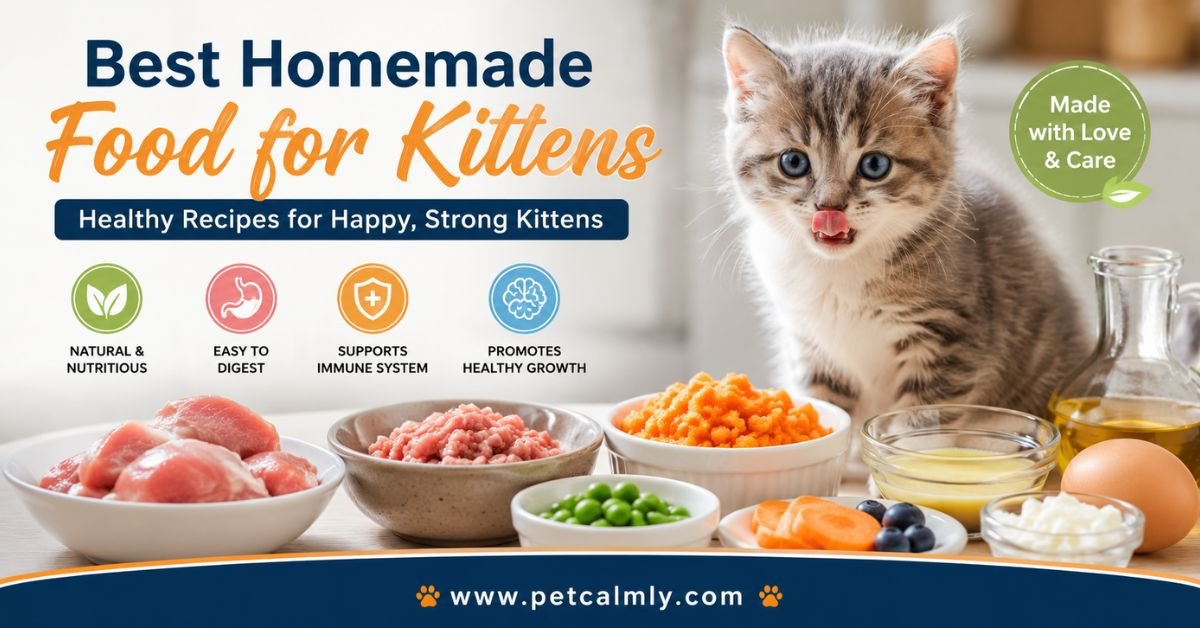
The best homemade food for kittens combines high-quality protein (chicken, turkey, or beef), essential amino acids like taurine, healthy fats, and vital minerals like calcium and phosphorus. A balanced homemade kitten diet should include muscle meat, organ meat, and a calcium supplement since homemade recipes often lack adequate minerals. However, homemade kitten food requires veterinary nutrition guidance to ensure it’s nutritionally complete an unbalanced diet can cause serious developmental problems during your kitten’s critical growth phase.
Why Some Kitten Owners Choose Homemade Food
When you bring a new kitten home, you want to give them the absolute best start in life. Some owners choose homemade food because they want to control exactly what goes into their kitten’s bowl, avoid commercial additives, or address food sensitivities. Others feel more confident knowing they’re preparing meals themselves.
This instinct comes from a good place you care about your kitten’s health. But homemade kitten feeding is different from adult cat nutrition, and it’s significantly more complex than feeding a dog. Kittens have intense nutritional demands during their first year of life, and missing key nutrients can lead to problems you might not notice until later.
The real conversation isn’t “homemade versus commercial” it’s “how do I feed my kitten in the way that’s safest and healthiest, whether that’s homemade or not?”
What Growing Kittens Actually Need: The Nutritional Foundation
Before you start mixing up recipes, your kitten needs specific things that aren’t optional. This isn’t nutritional theory—these are requirements for proper bone development, immune function, and neurological growth.
Taurine: The Non-Negotiable Amino Acid
Taurine is an amino acid that kittens cannot synthesize on their own. They must get it from food. While adult cats also need taurine, kittens have much higher requirements because they’re growing rapidly.
Without adequate taurine, kittens develop dilated cardiomyopathy (DCM), a serious heart condition that can be life-threatening. This isn’t rare it’s what happens when the diet is deficient. The scary part? By the time you notice symptoms, damage has often already occurred.
Muscle meat contains some taurine, but you’ll need to supplement to guarantee adequate levels. A kitten needs approximately 100–200 mg of taurine daily, depending on body weight and the quality of their diet.
Protein and Amino Acids
Kittens are obligate carnivores, meaning they’re designed to eat meat. Their bodies require protein at levels higher than most other animals typically around 30% of their diet by calories. This isn’t about preference; it’s about survival and development.
When you choose a protein source for homemade kitten food, prioritize:
- Muscle meat (chicken breast, turkey, lean beef, rabbit)
- Organ meat (liver, kidney, heart)—these provide essential nutrients muscle meat doesn’t
Organ meat should make up about 5–10% of the total diet because it’s nutrient-dense but also rich in certain compounds that can be excessive in high amounts.
Calcium and Phosphorus Balance
This is where homemade kitten diets most often fail.
Muscle meat alone is far too low in calcium and has an incorrect calcium-to-phosphorus ratio. Kittens need adequate calcium for bone development, and the ratio between calcium and phosphorus matters significantly. An imbalanced ratio can interfere with calcium absorption and cause skeletal problems, including metabolic bone disease.
Commercial kitten foods include calcium (often from bone meal or calcium carbonate). When you make homemade food, you need to add a calcium source typically a finely ground eggshell supplement, a commercial calcium supplement, or a specially formulated vitamin and mineral blend designed for homemade pet food.
Fat-Soluble Vitamins and Trace Minerals
Kittens need:
- Vitamin A (essential for vision and immune function)
- Vitamin D (works with calcium for bone development)
- Vitamin E (antioxidant protection)
- Vitamin K (blood clotting)
- Zinc, iron, copper, and magnesium (numerous metabolic functions)
While some of these appear in the meat you’re using, you likely won’t have the right amounts without supplementation. This is the fundamental challenge of homemade kitten food: getting all the micronutrients right requires either extensive nutritional knowledge or relying on a balanced supplement formulated specifically for homemade cat food.
Best Homemade Kitten Food Recipes
These recipes are starting points based on general nutritional guidelines. Before making homemade food your kitten’s regular diet, consult with a veterinary nutritionist who can review your specific recipe and adjust it for your kitten’s age, weight, and health status.
Recipe 1: Simple Chicken and Liver Base
Ingredients (makes approximately 2 pounds):
- 1 pound boneless, skinless chicken breast, finely ground or minced
- 4 ounces chicken liver, finely minced
- 1/2 teaspoon fish oil (anchovy or salmon oil)
- 1/4 teaspoon taurine powder
- 1/2 teaspoon calcium carbonate powder (or finely ground eggshell)
- A pinch of salt-free vitamin and mineral supplement designed for homemade cat food (follow package directions)
Instructions:
- Combine ground chicken and minced liver in a bowl
- Add fish oil and mix thoroughly
- Add taurine, calcium, and vitamin supplement, stirring until evenly distributed
- Portion into ice cube trays or small containers
- Refrigerate for up to 3 days or freeze for up to 3 months
Why this works: Chicken is lean and kittens digest it well. Liver provides iron and B vitamins. Fish oil adds omega-3 fatty acids. The calcium supplement addresses the major deficiency in meat-based diets.
Recipe 2: Turkey, Beef, and Organ Blend
Ingredients (makes approximately 2 pounds):
- 12 ounces ground turkey
- 8 ounces lean ground beef
- 4 ounces mixed organ meat (liver, kidney, heart), finely minced
- 1/2 teaspoon salmon oil
- 1/4 teaspoon taurine powder
- 3/4 teaspoon calcium carbonate powder
- 1/4 teaspoon potassium chloride (or consult supplement guidelines)
- Vitamin and mineral supplement for feline diets (follow package)
Instructions:
- Thoroughly combine turkey, beef, and organ meat
- Mix in oils and powders until evenly incorporated
- Use immediately or freeze in portion sizes appropriate for your kitten’s daily intake
- Thaw in refrigerator before serving
Why this works: Variety in protein sources provides a broader spectrum of amino acids and nutrients. The higher organ meat content ensures better micronutrient density than muscle meat alone.
Recipe 3: Rabbit with Balanced Supplements (for kittens with chicken/poultry sensitivities)
Ingredients (makes approximately 2 pounds):
- 1.5 pounds boneless rabbit, ground
- 4 ounces rabbit liver, finely minced
- 1/2 teaspoon fish oil
- 1/4 teaspoon taurine powder
- 1/2 teaspoon calcium carbonate or crushed eggshell
- 1/4 teaspoon thiamine (vitamin B1) powder
- Comprehensive feline vitamin and mineral supplement (follow directions)
Instructions:
- Combine rabbit meat and liver
- Add fish oil, taurine, and calcium, mixing thoroughly
- Add thiamine and vitamin supplement, ensuring even distribution
- Portion and refrigerate or freeze
Why this works: Rabbit is lean, digestible, and slightly different nutritionally than poultry. Thiamine addition compensates for the naturally lower B1 content in some proteins.
Essential Nutrients You Cannot Skip
The recipes above serve as frameworks, but the supplements are what actually make homemade kitten food safe.
Taurine: The Most Critical Addition
Target daily intake for growing kittens: 100–200 mg per day, depending on kitten size
Without taurine, you’re not feeding a complete diet. This isn’t a “nice to have”—it’s essential. Purchase pharmaceutical-grade taurine powder and measure carefully. Most kittens need roughly 200 mg daily, which is typically 1/4 to 1/2 teaspoon of powder mixed throughout their daily food portions.
Calcium Supplementation
A common mistake is assuming you’ve added enough calcium. Measure precisely using:
- Calcium carbonate powder (1/2 teaspoon ≈ 1,000 mg calcium)
- Eggshell powder (finely ground, baked eggshells)
- Commercially formulated calcium supplements for cats
Kittens need approximately 200–250 mg of calcium per pound of body weight per day during growth phases. A 5-pound kitten would need roughly 1,000–1,250 mg daily.
Fat-Soluble Vitamins
Fish oil provides omega-3 fatty acids and vitamin A, but you may need additional vitamin supplementation. Some owners use:
- A comprehensive vitamin and mineral powder designed specifically for homemade cat food (brands like Balance IT or FelineCrf are specifically formulated for this purpose)
- Individual vitamin supplements under veterinary guidance
Do not use dog multivitamins or general pet supplements. Cats have unique nutritional requirements, and some supplements designed for other species can be harmful.
Minerals Beyond Calcium
Potassium, magnesium, zinc, iron, copper, and iodine are all necessary. Meat provides some of these, but homemade recipes often fall short. This is why working with a veterinary nutritionist or using a complete supplement formulated for homemade feline diets is critical.
Supplements and Nutritional Balance: The Missing Piece
This is where most homemade kitten feeding fails.
A well-meaning owner creates a recipe with high-quality meat and adds taurine and calcium but they’re missing the complete mineral and vitamin profile. The kitten appears to be doing fine initially, but over months, subtle nutritional deficiencies develop.
Your options for achieving nutritional completeness:
Option 1: Work with a Veterinary Nutritionist
A board-certified veterinary nutritionist (Diplomate of the American College of Veterinary Nutrition, or ACVN) can review your recipe and create a specific plan for your kitten. They’ll:
- Analyze the nutrient content of your chosen recipe
- Recommend precise supplement amounts
- Account for your kitten’s age, weight, and health status
- Adjust the plan as your kitten grows
This is the gold standard for safety, but it requires finding a nutritionist (some work via telehealth) and investing in a consultation.
Option 2: Use a Complete Supplement Formulated for Homemade Cat Food
Products like BalanceIT.com’s feline supplement or similar vet-formulated powders are designed to be added to homemade meat-based diets. These typically include:
- Taurine
- All necessary vitamins
- All necessary minerals
- Proper ratios and amounts
You’d still combine the supplement with your meat base, but the guesswork is removed.
Option 3: Hybrid Approach (Partial Homemade, Partial Commercial)
Some owners feed primarily high-quality commercial kitten food but supplement with fresh homemade meals a few times per week. This reduces the nutritional burden on homemade portions while still allowing you to include fresh food. However, this approach should still be discussed with your veterinarian to ensure balanced overall nutrition.
Commercial Versus Homemade: What Veterinary Organizations Recommend
The conversation about commercial versus homemade kitten food exists within a specific context: the American Animal Hospital Association (AAHA) and most veterinary nutritionists recommend high-quality commercial kitten food as the safest foundation for growing kats.
Here’s why:
Commercial kitten foods are formulated to meet AAFCO (Association of American Feed Control Officials) standards, which mandate minimum and maximum levels of essential nutrients. Every batch is tested to ensure it meets these standards. A kitten food labeled “complete and balanced” has been verified to meet these nutritional requirements.
This doesn’t mean commercial food is superior or that homemade food can’t be excellent. It means the regulatory framework and testing protocols provide consistent safety standards that homemade recipes must deliberately replicate through supplementation and nutritional analysis.
Many veterinarians who support homemade feeding recommend:
- Starting with commercial kitten food as the primary diet
- Adding fresh homemade components (a small portion of the daily calories)
- Having the complete diet reviewed by a veterinary nutritionist
- Monitoring bloodwork periodically to check for nutritional issues
A study published in veterinary nutritional research has shown that homemade pet diets often lack essential nutrients even when owners believe they’re complete. This isn’t a failure on the owner’s part it’s simply difficult to balance without professional guidance.
6 Common Mistakes That Compromise Your Kitten’s Health
Mistake 1: Forgetting That “Healthy Human Food” Isn’t Complete Kitten Nutrition
You might serve your kitten chicken you’d eat yourself and while that chicken is healthy, chicken alone is not a complete diet for a kitten. It lacks the precise mineral balance, specific vitamin levels, and nutrient density that growing kittens require.
Mistake 2: Insufficient Taurine
This is the most dangerous mistake. Kittens fed taurine-deficient diets often show no obvious signs until heart disease has developed. You can’t tell if your kitten has enough taurine by looking at them. You have to measure and include it.
Mistake 3: Guessing on Calcium Content
“I think I added enough calcium” doesn’t work. Use a scale if possible, or use pre-measured supplements. Excess calcium is as problematic as insufficient calcium during growth.
Mistake 4: Inconsistent Recipes
Changing your recipe frequently means your kitten’s nutrient intake varies unpredictably. Consistency matters during the growth phase. If you want to vary proteins (chicken one week, turkey the next), do so intentionally within a standardized recipe framework rather than changing amounts randomly.
Mistake 5: Assuming Organ Meat Can Replace Vitamin Supplements
While organ meat is nutrient-dense, it cannot provide complete nutritional balance on its own. Liver is high in vitamin A, but it doesn’t contain taurine in adequate amounts. Heart provides some taurine, but it’s deficient in other nutrients. You still need supplementation.
Mistake 6: Using Raw Food Recipes Designed for Adult Cats
Raw feeding for kittens is more complex than raw feeding for adults. Kittens have different immune development and specific nutrient needs. If you choose raw feeding, work with a veterinary nutritionist experienced in kitten nutrition—not just general raw feeding guidelines.
Safety Concerns and How to Address Them
Bacterial Contamination
Homemade kitten food increases the risk of bacterial contamination for both your kitten and your household if not handled properly.
Safe food handling practices:
- Keep raw ingredients refrigerated until use
- Use clean utensils and surfaces
- Freeze portions promptly to prevent bacterial growth
- Thaw only in the refrigerator, not at room temperature
- Discard uneaten portions after a few hours at room temperature
- Wash your hands and surfaces thoroughly after handling raw meat
Nutritional Imbalance Leading to Skeletal Problems
Kittens with inadequate calcium, phosphorus, or vitamin D can develop metabolic bone disease. This may not be obvious at first, but it causes permanent skeletal problems. By the time you see limping or deformities, damage has occurred.
Growth Stunting
Kittens fed insufficient calories or incomplete protein will not grow at the expected rate. While they may “catch up” after returning to a complete diet, delayed nutrition during critical growth windows can have lasting effects on bone density and organ development.
Immune Deficiencies
Adequate zinc, iron, and complete protein are essential for immune development. A kitten fed nutritionally incomplete food may be more prone to infections and illness.
How to Mitigate These Risks
- Have your kitten’s diet reviewed by a veterinary nutritionist before making it the primary food source
- Request periodic blood work (annual for growing kittens on homemade diets) to check for nutritional markers
- Monitor growth rate and compare to expected kitten growth charts
- Watch for signs of inadequate nutrition: poor coat quality, slow growth, lethargy, or digestive issues
Transitioning Your Kitten to Homemade Food
If you’ve decided homemade food is right for your kitten (ideally with veterinary nutritionist guidance), introduce it gradually to avoid digestive upset.
Transition Timeline (7–10 days)
Days 1–2: 10% homemade food mixed with 90% current food (whether commercial or previously fed diet)
Days 3–4: 25% homemade food, 75% current food
Days 5–6: 50% homemade food, 50% current food
Days 7–8: 75% homemade food, 25% current food
Days 9–10: 100% homemade food (if tolerated well)
This gradual transition allows your kitten’s digestive system to adjust without causing diarrhea or vomiting. Some kittens adjust more quickly, while others need a slower transition.
What to Watch During Transition
- Normal signs: Slightly softer stool during transition, normal energy, continued appetite
- Signs of concern: Vomiting, severe diarrhea, loss of appetite, lethargy, abdominal pain
If you see signs of concern, pause the transition and consult your veterinarian before continuing.
Storage and Handling
Homemade kitten food should be:
- Refrigerated: For up to 3 days
- Frozen: For up to 3 months in airtight containers
- Thawed: In the refrigerator, not at room temperature
Portion into meal-sized amounts so you’re not repeatedly opening large containers and exposing the food to air and contamination.
Daily Feeding Guidelines for Growing Kittens
The amount your kitten needs depends on age, weight, and individual metabolism. These are general starting points:
8–12 Weeks Old
Caloric needs: Approximately 100 calories per pound of body weight daily Typical feeding: 3–4 small meals per day
A 2-pound kitten might eat 200 calories daily, divided into four 50-calorie meals.
3–6 Months Old
Caloric needs: Approximately 80 calories per pound of body weight daily Typical feeding: 3 meals per day
A 5-pound kitten might eat 400 calories daily, divided into three meals.
6–12 Months Old
Caloric needs: Approximately 60 calories per pound of body weight daily Typical feeding: 2 meals per day
A 10-pound kitten might eat 600 calories daily, divided into two meals.
Most homemade kitten food recipes (meat-based) contain approximately 150–200 calories per 100 grams, so you can calculate portions based on these guidelines.
Your kitten should feel lean but not bony you should be able to feel their ribs without pressing hard, but not see them prominently. If your kitten is growing too slowly or too quickly, adjust portions and discuss with your veterinarian.
When to Talk with Your Veterinarian
Before Starting Homemade Feeding
- Have your kitten’s overall health evaluated
- Discuss your homemade feeding plans
- Ask for a referral to a veterinary nutritionist if desired
- Review any dietary changes or supplements
During Homemade Feeding
- If your kitten shows signs of digestive upset or illness
- For routine kitten wellness visits (which should occur every 3–4 weeks until 16 weeks old, then at 6 months and 12 months)
- If you notice changes in growth rate, energy level, or coat quality
- Before making significant changes to recipes or supplementation
- To discuss appropriate bloodwork for monitoring nutritional status
Signs That Warrant Immediate Veterinary Attention
- Vomiting or severe diarrhea
- Loss of appetite for more than a few hours
- Lethargy or unusual behavior
- Difficulty walking or limping
- Swollen joints or signs of pain
- Difficulty breathing or coughing
More Information About Pets, Please Visit Our Website: Cat Sleeping Positions Meaning
Why Is My Cat Drooling So Much?
Why Does My Cat Bite Me?
Why Does My Cat Bite Me Gently Out of Nowhere?
Can Cats Eat Tuna?
Can Cats Eat Eggs?
Can Cats Eat Watermelon?
Frequently Asked Questions
1: Can I feed my kitten only homemade food, or should it be supplemental?
Both approaches are possible, but they require different levels of care. If homemade food will be your kitten’s primary diet, work with a veterinary nutritionist to ensure it’s nutritionally complete. If you’re adding homemade food to commercial food, ensure the overall diet is balanced across both components. Many veterinarians recommend starting with commercial kitten food as the foundation and adding fresh homemade components rather than replacing commercial food entirely, especially for first-time kitten owners.
2: What’s the difference between homemade kitten food and raw kitten food?
Homemade kitten food typically refers to cooked meat-based diets, while raw feeding involves uncooked meat. Raw diets increase bacterial contamination risks for both kitten and household, and kittens have unique nutritional requirements that make raw feeding riskier than for adult cats. If you’re interested in raw feeding, consult with a veterinary nutritionist experienced in feline kitten nutrition rather than using general raw feeding guidelines.
3: Is homemade kitten food actually cheaper than commercial food?
Not necessarily. Once you factor in high-quality meat, organ meat, supplements, and the potential cost of veterinary nutritionist consultation, homemade kitten food is often comparable to or more expensive than premium commercial kitten food. Budget-conscious feeding with homemade food often leads to nutritional compromises, which defeats the purpose.
4: How do I know if my kitten is getting enough taurine?
You can’t tell by observing your kitten. Taurine deficiency symptoms (heart disease, vision problems) develop silently over time. The only way to ensure adequate taurine is to measure and include it in every meal or use a supplement specifically formulated to provide complete taurine levels. Have your kitten’s diet analyzed by a veterinary nutritionist or use a vet-formulated supplement designed for homemade cat food.
5: What if my kitten has a food allergy is homemade food better?
Homemade food can be helpful for kittens with true food allergies because you control every ingredient. However, many kitten digestive issues are not allergies they’re sensitivities, digestive immaturity, or feeding too much too quickly. Before switching to homemade food, have your veterinarian rule out parasites, infections, and other digestive causes. If a genuine allergy is confirmed, homemade food designed with your veterinarian can be beneficial, but you still need complete nutritional balance.
6: Can I use chicken broth or bone broth in homemade kitten food?
Broth can be added in small amounts for palatability and hydration, but it should not replace the meat base or be considered a significant nutritional component. Broth is mostly water and collagen, not the complete protein and nutrient-dense food your kitten needs. If you use broth, keep it to 10% or less of the total meal volume.
Conclusion
The fact that you’re researching homemade kitten food means you care deeply about your kitten’s wellbeing. That instinct—to provide the best possible nutrition is wonderful and important.
The reality of kitten nutrition is that doing it well requires either choosing high-quality commercial food formulated to precise standards, or investing significant time, research, and professional consultation to create a truly complete homemade diet. There’s no middle ground where you can guess and hope for the best.
If you choose homemade feeding:
- Work with a veterinary nutritionist to validate your recipe
- Use precise measurements and consistent supplementation
- Monitor your kitten’s growth and health closely
- Have routine blood work to catch nutritional issues early
- Stay in regular contact with your veterinarian
If you choose commercial feeding:
- Select a kitten-specific formula (not adult cat food)
- Look for AAFCO certification and a statement of nutritional completeness
- Choose brands that invest in research and quality control
- Transition gradually if switching foods
If you choose a hybrid approach:
- Ensure both components contribute to a balanced overall diet
- Discuss the plan with your veterinarian
- View commercial food as the foundation and homemade as supplemental
The safest approach for most kitten owners is high-quality commercial kitten food as the primary diet, with fresh homemade additions as a minor component. This provides nutritional security while still allowing you to include fresh, whole-food components in your kitten’s diet.
Your kitten will thrive on the diet that’s nutritionally complete, consistently fed, and monitored by veterinary professionals. That might be commercial, homemade, or a combination but it must be complete.