Short direct answer
A dog anxiety wrap is a snug, therapeutic garment designed to apply gentle, consistent pressure to your dog’s body similar to swaddling a baby. You can make one at home using an elastic bandage, stretch fabric, or repurposed clothing. The gentle compression activates your dog’s parasympathetic nervous system, which can reduce stress signals and help anxious dogs feel calmer during thunderstorms, fireworks, separation, or travel. Most DIY anxiety wraps take 15–30 minutes to create and cost between $10–30 in materials.
Why Pet Owners Are Looking for Anxiety Wrap Solutions
Your dog’s anxiety is real and it’s affecting you both.
Whether it’s the way your dog trembles during a thunderstorm, the frantic pacing when you grab your keys, or the destructive behavior when left alone, dog anxiety creates stress in the entire household. You’ve probably already tried calming treats, white noise, or keeping your dog occupied. But some dogs need more intensive support, and that’s where anxiety wraps come in.
The challenge? Commercial anxiety wraps (like Thundershirts) work beautifully for many dogs, but they’re often expensive, take time to order, and may not fit your dog’s unique body shape. Plus, not every dog benefits from commercial options on the first try. Creating your own anxiety wrap at home gives you control over fit, material, and cost—and for many dog owners, it’s a revelation.
This guide walks you through exactly how to make a dog anxiety wrap that works for your specific dog, explains why they work, and helps you use one effectively alongside other anxiety-reduction strategies.
What Is a Dog Anxiety Wrap and How Does It Work?
An anxiety wrap is a therapeutic garment that applies gentle, even pressure across your dog’s chest, sides, and torso. Think of it as a comforting hug that your dog can wear.
The Science Behind the Pressure
The concept behind anxiety wraps is rooted in animal behavior research. Pressure applied to the body activates the vagus nerve, which is responsible for triggering the parasympathetic nervous system—often called the “rest and digest” response. This is the opposite of the “fight or flight” state that anxious dogs experience.
Research in both humans and animals shows that deep pressure therapy can lower cortisol (the stress hormone), reduce heart rate, and calm the nervous system. Dr. Temple Grandin, an animal behavior expert, famously studied this phenomenon and developed the “hug box” concept, which inspired the creation of commercial anxiety wraps for dogs.
What an Anxiety Wrap Is NOT
It’s important to understand that an anxiety wrap is not a cure for anxiety. It’s a management tool—like earmuffs during fireworks or a weighted blanket for a restless sleeper. Some dogs respond dramatically to anxiety wraps; others see modest improvement. And some dogs don’t respond well at all. The wrap works best as part of a comprehensive approach that includes training, environmental management, and sometimes professional behavioral support.
Why Dogs Experience Anxiety: Understanding What’s Driving the Behavior
Before making an anxiety wrap, it helps to understand what’s actually happening in your dog’s body and mind.
Common Anxiety Triggers in Dogs
Dogs can experience anxiety for multiple reasons:
- Noise sensitivity: Thunderstorms, fireworks, vacuum cleaners, or traffic noise trigger a fear response in many dogs. This is one of the most common reasons owners seek anxiety solutions.
- Separation anxiety: Your dog panics when you leave, even for short periods. This often includes pacing, destructive behavior, or excessive vocalization.
- Social anxiety: Some dogs feel overwhelmed in new environments, around unfamiliar people, or in crowded spaces like dog parks or veterinary offices.
- Situational anxiety: Travel, moving to a new home, or changes in routine can trigger temporary stress responses.
- Genetic predisposition: Some dog breeds and individual dogs are simply born with a more nervous temperament.
- Past trauma or lack of early socialization: Dogs with rescue backgrounds or limited early-life exposure to the world may be more prone to anxiety.
What Happens in an Anxious Dog’s Body
When a dog feels threatened, their sympathetic nervous system activates the stress response. This triggers:
- Increased heart rate and breathing
- Muscle tension
- Release of cortisol and adrenaline
- Heightened alertness and reactivity
In an anxious dog, this response can activate repeatedly, sometimes over minor triggers. The dog’s body stays in a semi-alert state, which is exhausting and emotionally draining for both dog and owner.
An anxiety wrap doesn’t eliminate the trigger, but it can help calm the nervous system’s response to the trigger—which is a meaningful difference in quality of life.
Signs Your Dog May Benefit From an Anxiety Wrap
Recognizing anxiety in your dog is the first step. Dogs don’t show anxiety the same way humans do, so it’s easy to misinterpret the behavior.
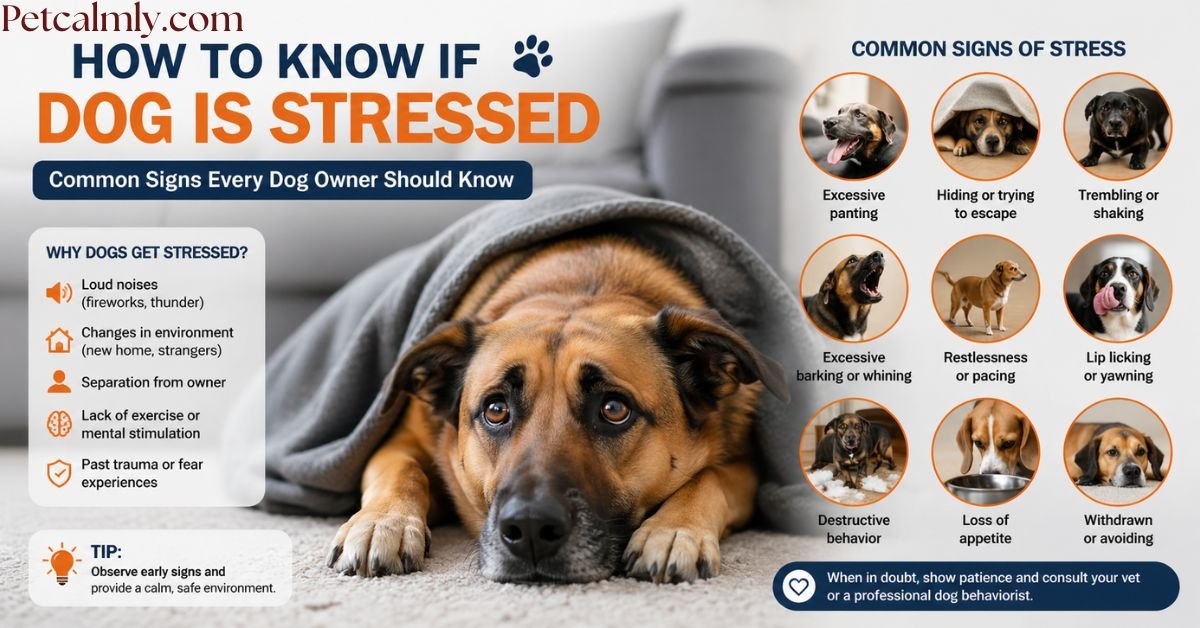
Physical Signs of Anxiety in Dogs
- Trembling or shaking
- Excessive panting or rapid breathing
- Pacing or inability to settle down
- Lip licking or yawning excessively
- Dilated pupils
- Tension in the face or jaw
- Hiding or seeking shelter (like under beds or in closets)
- Excessive drooling
Behavioral Signs of Anxiety
- Destructive behavior (chewing, digging, tearing things up)
- Excessive barking or whining
- Potty accidents indoors despite being housetrained
- Refusing food or treats
- Clinginess or constant shadowing
- Jumping or startling at minor sounds
- Avoidance of people, places, or situations they normally enjoy
- Compulsive behaviors (repetitive spinning, pacing in circles)
When Anxiety Wraps Are Most Likely to Help
Anxiety wraps tend to be most effective for:
- Dogs with noise-related anxiety (thunderstorms, fireworks)
- Dogs experiencing mild-to-moderate situational anxiety
- Dogs who need a confidence boost during specific events or transitions
- Dogs whose anxiety has a clear, identifiable trigger
Anxiety wraps are less likely to be the primary solution for:
- Severe separation anxiety (which usually requires behavioral training and sometimes medication)
- Dogs with undiagnosed medical conditions causing behavioral changes
- Dogs with profound trauma or extreme fear responses
How to Make a Dog Anxiety Wrap: Step-by-Step Guide
Ready to create your own? Here’s exactly how to do it.
Materials You’ll Need for a DIY Dog Anxiety Wrap
Basic Option (Elastic Bandage Method)
- One 4-inch or 6-inch elastic bandage (ACE wrap or similar, available at any pharmacy)
- Scissors
- Optional: fabric glue or needle and thread (to secure ends)
- Optional: velcro strips for adjustability
Intermediate Option (Stretch Fabric Method)
- One 1–2 yard piece of stretchy fabric (knit, spandex, or athletic fabric)
- Scissors
- Needle and thread (or sewing machine)
- Measuring tape
- Optional: velcro strips or button closures
Budget-Friendly Option (T-Shirt Method)
- An old, stretchy t-shirt that fits you snugly
- Scissors
- Optional: measuring tape
What to Avoid
Don’t use materials that are:
- Non-stretchy or rigid (they’ll restrict movement and breathing)
- Itchy or irritating (your dog will try to remove it)
- Too thick or heavy (this can overheat your dog)
- Anything with small closures that could be chewed off and swallowed
Instructions for Creating a DIY Anxiety Wrap
Method 1: The Elastic Bandage Wrap (Easiest)
This method is perfect for beginners and takes about 15 minutes.
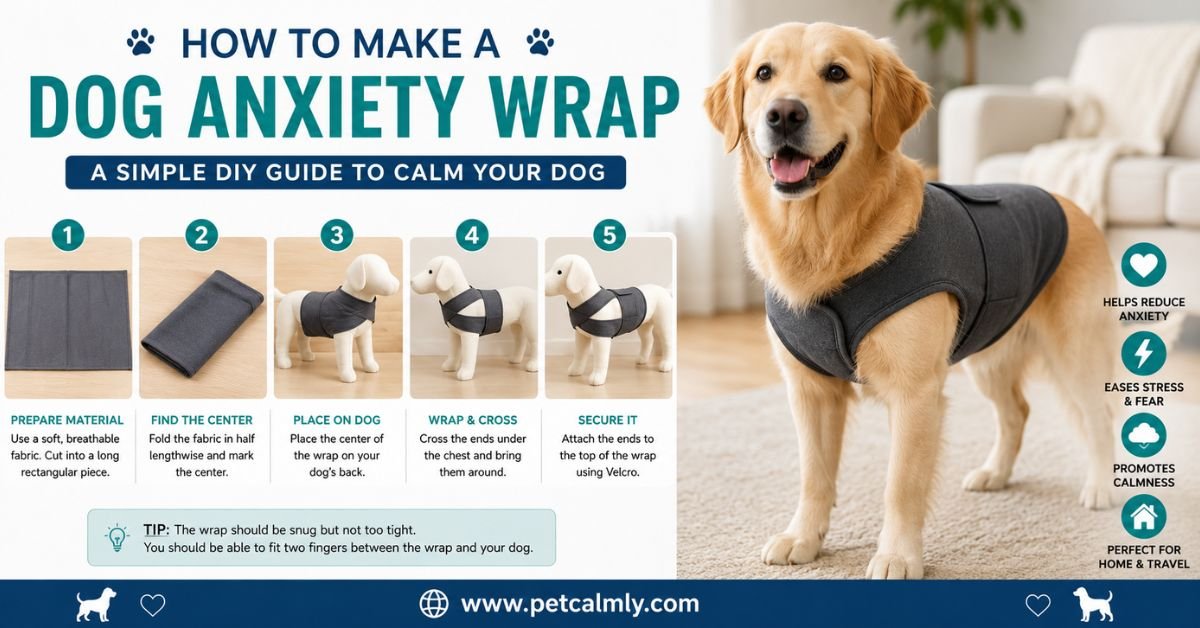
- Measure your dog’s torso: Wrap a measuring tape around your dog’s chest just behind the front legs. Note the measurement. Also measure the length from just behind your dog’s front legs to just before the back legs.
- Prepare the bandage: Unroll your elastic bandage and lay it flat on a clean surface. If the bandage is longer than your dog needs, trim it to approximately the torso length measurement you just took.
- Test the wrap: Gently wrap the bandage around your dog’s torso (without adhering it yet) at a diagonal angle, starting from one front leg area and wrapping around the back. It should feel snug but not restrict breathing you should be able to fit one finger between the wrap and your dog’s body.
- Secure the wrap: Once fitted correctly, the bandage’s adhesive strips will keep it in place. For added security, wrap the ends with velcro strips so you can adjust tightness. Some owners use small safety pins, but avoid anything sharp that could poke your dog.
- Check comfort: Leave the wrap on for just 5 minutes during your first fitting. Watch for signs of discomfort—excessive panting, trying to bite or scratch at the wrap, or obvious distress. If your dog seems uncomfortable, remove it immediately and try a looser fit.
Method 2: The Stretch Fabric Wrap (More Customizable)
This method takes 30–45 minutes and gives you more control over fit and aesthetics.
- Measure your dog: Measure the circumference of your dog’s chest (around the widest part), the circumference around the middle of the torso, and the length from behind the front legs to just before the back legs.
- Cut the fabric: Based on your measurements, cut a rectangle of stretch fabric. Width = chest measurement plus 3 inches (for overlap and adjustment). Length = your torso length measurement.
- Create the wrap shape: Fold the fabric rectangle in half lengthwise, then fold it in half again to create a long strip. This creates multiple layers of gentle compression.
- Sew it together: Using a needle and thread (or sewing machine), create a seam along the long edge to keep the layers from shifting. You can also use fabric glue designed for stretchy fabrics, but sewing is more durable.
- Add closures: Attach velcro strips to the ends so you can open and close the wrap easily, or sew a button and buttonhole for a more secure fit. Some owners simply tie the ends with ribbon or elastic.
- Test and adjust: Place the wrap on your dog and check the fit. It should be snug but allow for normal breathing and movement. Adjust the tightness by overlapping the closure more or less.
Method 3: The T-Shirt Hack (Repurposing What You Have)
If you need a quick solution, try this method using an old t-shirt.
- Choose the right shirt: Find a t-shirt that’s too small for you but stretchy and soft. The fit should be snug on your dog’s torso.
- Create arm holes for your dog: Carefully cut armholes into the shirt that align with your dog’s front legs. You may need to experiment with placement—try the shirt on your dog first and mark where the holes should go.
- Trim excess: Cut the sleeves short or remove them entirely if they’re in the way.
- Test the fit: The shirt should wrap snugly around your dog’s chest and torso. It can be loose around the belly, which actually mimics how anxiety wraps work best.
- Make it removable: If the fit isn’t perfect or you want to remove it easily, add velcro strips along one side seam so you can open and close it like a shirt.
Fitting and Adjusting the Wrap for Comfort
Getting the fit right is crucial for both comfort and effectiveness.
The Correct Tightness
The wrap should feel snug but never restrictive. Use the “one-finger rule”: you should be able to slide one finger comfortably under the wrap at any point. If you can fit multiple fingers, it’s too loose. If you can’t fit even a pinky, it’s too tight.
Where the Wrap Should Sit
The anxiety wrap should cover:
- The chest area (from just behind the front legs, wrapping around the sides)
- The rib cage
- The torso up to (but not including) the hips
It should not cover:
- The neck (which could restrict breathing or cause discomfort)
- The lower abdomen or back legs (which need freedom to move)
- The shoulders (which need full range of motion)
Signs of Poor Fit
Remove the wrap immediately if you notice:
- Your dog gasping or breathing heavily
- Your dog repeatedly trying to remove or scratch at the wrap
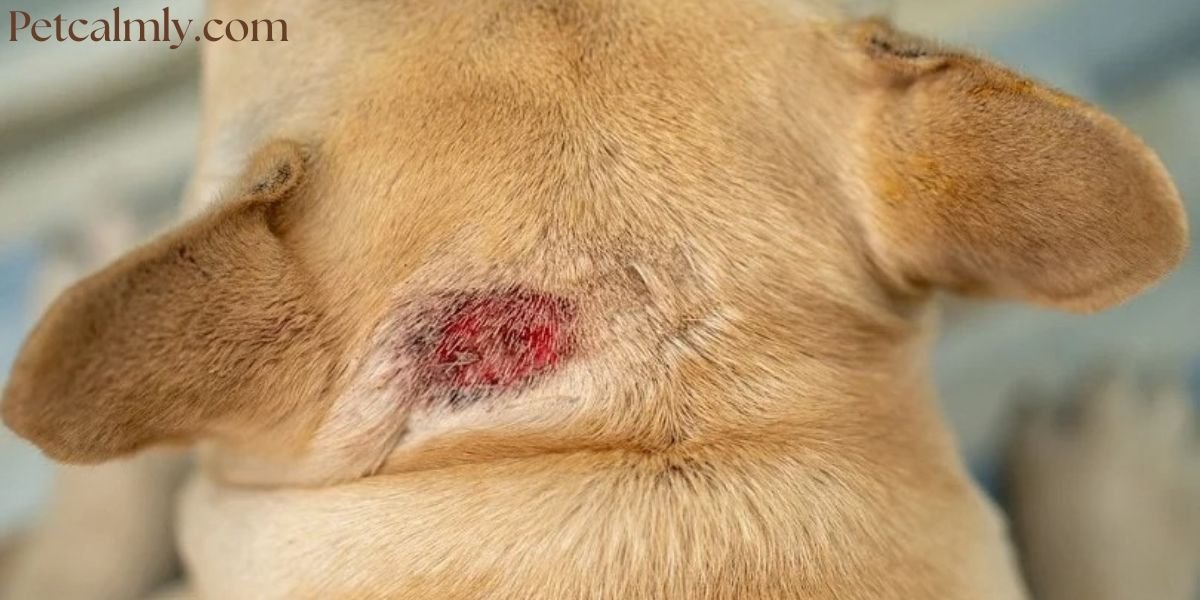
- Any signs of hair loss or skin irritation
- Your dog unable to sit, lie down, or move comfortably
- Visible marking or indentation on the skin after removal
How to Use an Anxiety Wrap Effectively
Making the wrap is one thing. Using it strategically is another.
Introduction and Acclimation
Don’t wait until a thunderstorm is happening to introduce the wrap. Instead:
- Start early: Put the wrap on your dog for short periods (5–10 minutes) during calm times, preferably with a high-value treat or during playtime, so your dog associates the wrap with positive experiences.
- Increase duration gradually: Over a week or two, gradually increase the time your dog wears the wrap, always during positive or neutral situations.
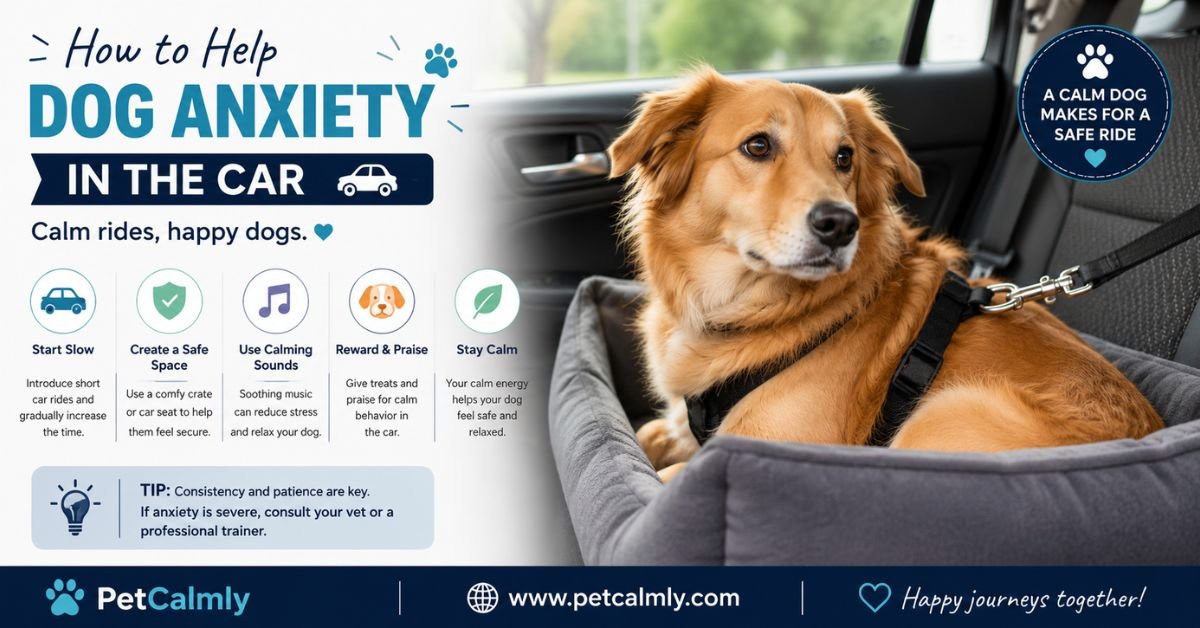
- Use before anxiety triggers: Once your dog is comfortable wearing the wrap for 30+ minutes, put it on 15–30 minutes before an anticipated trigger (like before a thunderstorm forecast, before you’re about to have guests over, or before a car ride).
- Combine with other calming strategies: Use the wrap alongside:
- Calm background music or white noise
- Desensitization training (gradual exposure to triggers at low intensity)
- A safe space or den (crate, closet, or quiet room)
- Prescribed anti-anxiety medication (if recommended by your veterinarian)
- Calming supplements like l-theanine or chamomile (check with your vet first)
Duration and Frequency
Most anxiety wraps can be worn for several hours at a time, but they’re not meant for all-day or long-term wear. A good rule of thumb:
- For acute anxiety events: Leave the wrap on during the stressful situation and for 30 minutes after it resolves, then remove it.
- For ongoing anxiety: Wear the wrap 2–3 hours per day, with breaks in between, until anxiety levels decrease with other management strategies.
- Never use as a substitute for training or behavioral help: The wrap is a tool to reduce acute anxiety while you work on the underlying issue through training, desensitization, or professional help.
What to Expect
Some dogs show improvement within minutes. Others take a few days or several uses before you notice a difference. Some dogs don’t respond well to wraps at all, and that’s okay it just means you need a different approach.
Realistic improvements you might see:
- Less trembling or panting
- Slightly lower activity level or pacing
- More willingness to eat or drink during stress
- Ability to settle down rather than remaining in constant panic mode
- Greater responsiveness to training or comfort from you
What you shouldn’t expect:
- Complete elimination of anxiety (the trigger still exists)
- Instant calm every time (some dogs need multiple uses to adjust)
- Replacement of professional training or veterinary care for severe anxiety
6 Common Mistakes When Making and Using Dog Anxiety Wraps
Learning from others’ experiences can help you avoid frustration.
Mistake 1: Making the Wrap Too Tight
Why it happens: You think “snug” means “really snug.”
The problem: A wrap that’s too tight restricts breathing, prevents your dog from lying down comfortably, and actually increases anxiety instead of reducing it.
The fix: Use the one-finger test every single time, and remember that the wrap should be snug like a hug, not like a tourniquet.
Mistake 2: Putting on the Wrap During a Full Panic
Why it happens: Your dog is terrified during a thunderstorm, so you quickly grab the wrap hoping it’ll help immediately.
The problem: Introducing a new sensation when your dog is already in full panic mode can increase stress. Your dog may associate the wrap with the scary event rather than with calm.
The fix: Always introduce the wrap during calm times and put it on before anxiety triggers occur.
Mistake 3: Using an Inappropriate Material
Why it happens: You grab whatever stretchy thing you have lying around.
The problem: Non-breathable, itchy, or overly restrictive materials can cause discomfort, overheating, or skin irritation.
The fix: Stick with breathable, soft, stretchy fabrics designed for athletic wear or undergarments.
Mistake 4: Expecting the Wrap to Replace Professional Help
Why it happens: You’re hopeful that this one tool will solve your dog’s anxiety completely.
The problem: Anxiety wraps are a management tool, not a cure. For dogs with severe anxiety, separation anxiety, or trauma, professional help is essential.
The fix: Use the wrap as part of a comprehensive plan that includes training, environmental changes, and professional behavioral support when needed.
Mistake 5: Never Adjusting the Fit
Why it happens: You make one wrap and assume it fits perfectly every time.
The problem: Your dog’s weight changes, muscle tone shifts, or seasonal coat growth can affect how the wrap fits over time.
The fix: Check the fit regularly and adjust as needed. If your dog gains or loses weight, the wrap may need tightening or loosening.
Mistake 6: Leaving the Wrap On Too Long
Why it happens: If a little is good, maybe a lot is better.
The problem: Wearing the wrap for extended periods (8+ hours daily) can lead to skin irritation, discomfort, and actually increase your dog’s reliance on the wrap without addressing the underlying anxiety.
The fix: Limit wrap use to 2–4 hours per day unless your veterinarian recommends otherwise, and always aim to reduce reliance on the wrap over time as your dog’s anxiety improves through other means.
When Should You Consult a Veterinarian?
Anxiety wraps are helpful for managing mild-to-moderate anxiety, but there are times when professional help is essential.
Contact Your Veterinarian If Your Dog Shows:
- Severe anxiety that doesn’t improve with the wrap and other management strategies after 3–4 weeks of consistent use
- Sudden onset of anxiety with no clear trigger (this could indicate an underlying medical issue)
- Physical symptoms like loss of appetite, weight loss, excessive panting, or lethargy (anxiety can mask health problems)
- Destructive behavior that causes injury to themselves or property (this may require medication alongside training)
- Aggression related to anxiety (fear-based aggression can be dangerous and requires professional behavioral training)
- Any skin irritation, hair loss, or visible discomfort from wearing the wrap
What Your Veterinarian Can Offer
A vet can:
- Rule out medical causes of behavioral changes (thyroid issues, pain, ear infections, or other health problems can trigger or worsen anxiety)
- Recommend prescription anti-anxiety medications if appropriate (like trazodone, fluoxetine, or alprazolam for acute episodes)
- Refer you to a certified professional dog trainer or veterinary behaviorist
- Rule out underlying pain or physical conditions that might be contributing to anxiety
Working With a Certified Professional Dog Trainer or Behaviorist
For dogs with ongoing anxiety, training is often the most effective long-term solution. A certified professional can:
- Assess your dog’s specific anxiety type and triggers
- Create a desensitization or counter-conditioning plan
- Teach you techniques to build your dog’s confidence
- Recommend tools and strategies tailored to your situation
Look for trainers certified by organizations like the Certification Council for Professional Dog Trainers (CCPDT) or the International Association of Canine Professionals (IACP). Avoid trainers who use fear-based or punitive methods, which can actually worsen anxiety.
More Information About Pets, Please Visit Our Website: Why Does My Dog Howl at Night
Why Does My Dog Bark at Night for No Reason?
Warren London Essential Oil Dog Calming Spray
Best Dog Calming Treats
How to Reduce Dog Anxiety During Thunderstorms
Are Calming Collars Safe for Dogs?
What causes sudden anxiety in dogs?
Frequently Asked Questions
1: Will an anxiety wrap work for my dog immediately?
A: Not necessarily. Some dogs show improvement the first time they wear a wrap, but others need several exposures to get used to the sensation. It’s also common for dogs to need the wrap used consistently before you see a difference. Most dogs’ owners report the most noticeable improvement after 2–4 weeks of regular use combined with other anxiety-management strategies. If you don’t see any improvement after a month, it may not be the right tool for your dog.
2: Can I leave an anxiety wrap on my dog all day?
A: It’s not recommended. Extended wear (8+ hours daily) can cause skin irritation, discomfort, and may actually increase your dog’s reliance on the wrap without addressing the underlying anxiety. Most vets suggest limiting wrap use to 2–4 hours per day. The wrap works best when used strategically for specific anxiety triggers, not as an all-day solution.
3: What if my dog hates wearing the wrap?
A: Some dogs genuinely dislike the sensation. If your dog consistently tries to remove the wrap, shows signs of distress, or refuses to move comfortably while wearing it after several gentle introductions, the wrap may not be right for your dog. This doesn’t mean your dog can’t benefit from other anxiety-management strategies. Talk with your vet about alternatives like medication, training, or environmental modifications.
4: Can I use an anxiety wrap for separation anxiety?
A: Anxiety wraps can help with mild separation anxiety, but they’re not a complete solution for severe separation anxiety. Separation anxiety typically requires a combination of behavioral training, gradual desensitization, and sometimes medication. The wrap can be a helpful part of the plan, but professional guidance is important for this type of anxiety.
5: Is it better to buy a commercial anxiety wrap or make my own?
A: There are pros to both. Commercial wraps (like Thundershirts) are professionally designed and tested for fit, but they’re more expensive and may not fit all dog body types well. DIY wraps let you customize the fit, experiment with materials, and save money. Many owners find that making their own wrap is worth trying first, especially if their dog is an unusual size or shape. If the DIY wrap doesn’t work, you can always try a commercial option.
6: Can I wash the anxiety wrap?
A: Yes, if you’ve made your wrap from fabric. Hand wash in cool water with mild soap, then air dry. If you’ve used an elastic bandage, you can spot-clean it with a damp cloth, but check the manufacturer’s instructions. Never put your anxiety wrap in the dryer, as heat can damage elastic materials.
7: How do I know if the anxiety wrap is actually helping or if my dog is just distracted?
A: Good question. The best way to tell is to use it consistently during the same triggers (like thunderstorms) and keep notes on your dog’s behavior. Are your dog’s stress signals (panting, trembling, pacing) noticeably less severe with the wrap on versus without it? Does your dog settle down more quickly? Over time, these patterns will show you whether the wrap is genuinely helping. Keep a simple log: date, trigger, wrap used (yes/no), and stress level (1–10).
Conclusion
Your dog’s anxiety is a sign that something in their life feels unsafe or overwhelming. An anxiety wrap can help calm the physical response to that feeling, but the wrap alone isn’t the solution to the underlying problem.
The most effective approach combines:
- The anxiety wrap for acute anxiety management
- Environmental changes (safe spaces, reduced exposure to triggers, calming routines)
- Training and desensitization to help your dog build confidence over time
- Professional support (veterinarian, trainer, or behaviorist) when needed
- Patience and consistency from you, because your dog’s anxiety often mirrors your own stress
Making your own anxiety wrap is an act of care. It shows you’re willing to try creative solutions and invest time in your dog’s wellbeing. Whether your dog responds amazingly to the wrap or it turns out not to be the right tool, you’re moving your dog forward by being intentional about their mental health.
Many anxious dogs go on to live calm, confident lives not because of one single tool, but because their owners committed to understanding their anxiety, trying different approaches, and sticking with the plan even when progress was slow.
Your dog is lucky to have someone willing to do that.