
Short direct answer
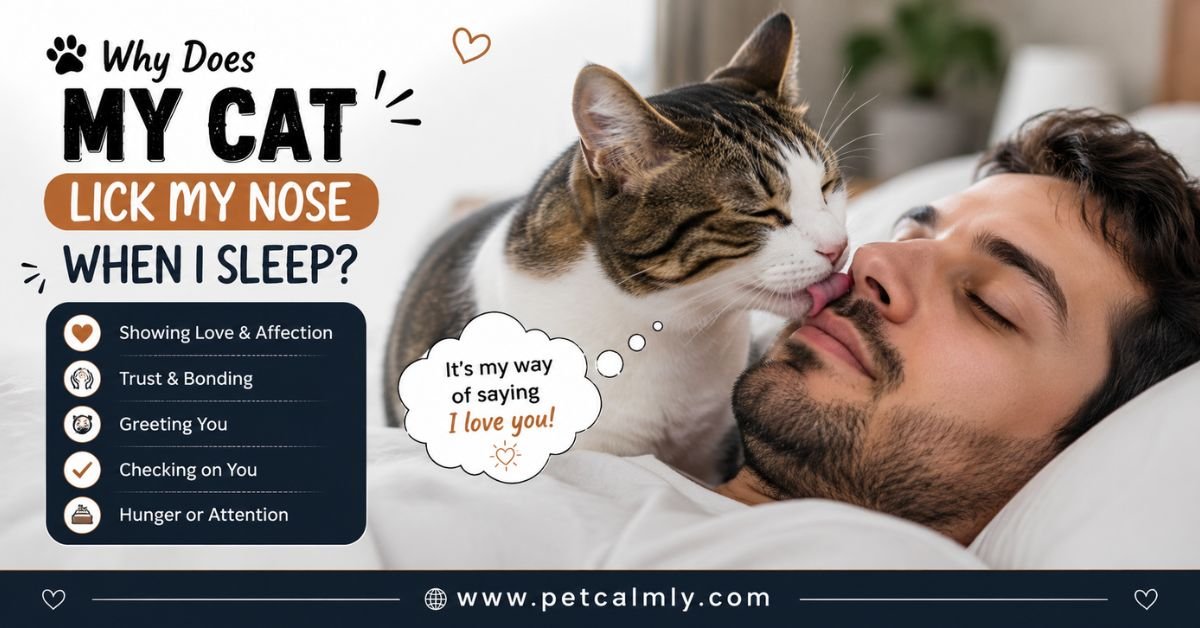
If you’re wondering why does my cat lick my nose when I sleep, the most likely explanation is that your cat is showing affection, recognizing your scent, or trying to wake you up. Cats often lick people they trust as part of their social bonding behavior. Your nose also carries natural skin oils and scents that attract a curious cat. In most cases, this habit is harmless, but if it becomes obsessive or is accompanied by other unusual behaviors, it’s worth looking for underlying causes or discussing them with your veterinarian.
Understanding Cat Licking Behavior
Cats spend a significant portion of their day grooming themselves up to 50% of their waking hours, according to veterinary studies. This self-grooming isn’t just about cleanliness; it’s a way to regulate body temperature, remove parasites, and even relieve stress. When cats extend this behavior to humans, it’s called allogrooming, a social activity that builds trust and reinforces relationships in feline groups.
What Does Licking Mean in Cats?
In the wild, cats in colonies groom each other to maintain harmony and share scents. Domestic cats view their human families similarly, treating us as part of their “pride.” Licking releases endorphins in cats, creating a calming effect for both the licker and the lickee. However, the nose is a particularly intriguing target because it’s prominent, accessible, and often carries subtle scents or tastes that appeal to a cat’s heightened senses. During sleep, you’re immobile and relaxed, making it an ideal time for your cat to engage in this behavior without interruption.
Nighttime licking can also tie into cats’ natural crepuscular (active at dawn and dusk) rhythms. While you’re dozing, your cat might be entering a more alert phase, using licking as a way to interact. This behavior is more common in indoor cats who sync their schedules with their owners but still retain nocturnal instincts. Related keywords like “cat grooming habits” and “feline nocturnal behavior” often come up in discussions about why cats choose specific times for such actions.
The Anatomy of a Cat’s Tongue
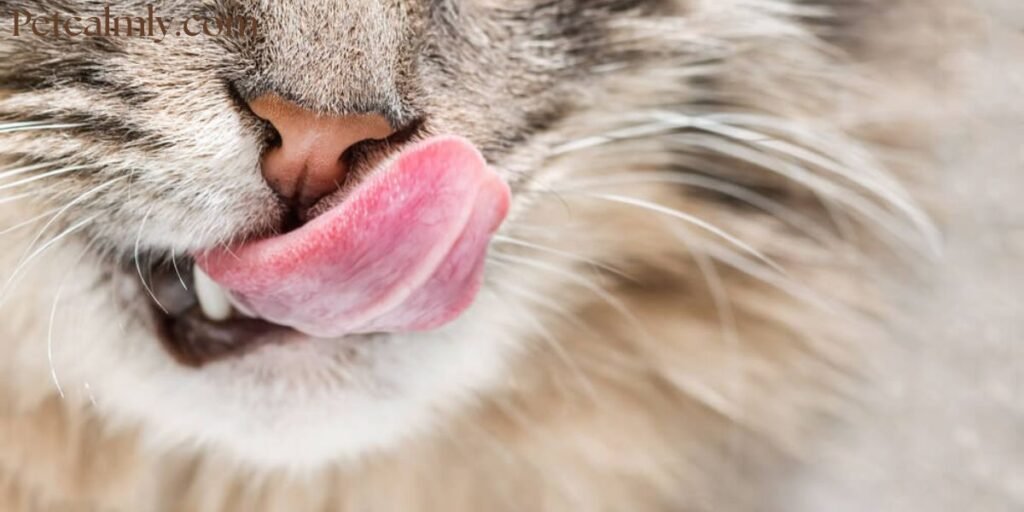
To fully grasp why cat licks feel so distinctive, consider the structure of their tongue. Covered in tiny, backward-facing barbs called papillae, a cat’s tongue acts like a built-in comb. These barbs help in grooming but can feel rough on human skin, especially on sensitive areas like the nose. This roughness isn’t meant to hurt; it’s an evolutionary tool for stripping meat from bones and detangling fur. When applied to your nose, it might exfoliate lightly, but repeated licking could cause minor irritation if not managed.
Top 9 Reasons Why Your Cat Licks Your Nose When You Sleep
Now, let’s address the core question: why does my cat lick my nose when I sleep? Based on expert insights from sources like PetMD and Catster, there are several common explanations. Each reason highlights a different aspect of cat psychology and physiology, helping you decode your pet’s intentions.
1. Expressing Affection and Love
One of the most heartwarming reasons is pure affection. Cats lick as a way to show they care, mimicking how mother cats groom their kittens. When your cat licks your nose while you’re asleep, it could be their way of saying, “You’re family.” This is especially true if the licking is gentle and accompanied by purring or head-butting. In feline terms, this is a high compliment cats only groom those they trust deeply. Affectionate licking often occurs at night because your cat feels secure in the quiet, shared space of your bed.

2. Grooming You as Part of the Family
Cats are meticulous groomers, and they might see your nose as needing a little “help.” Sweat, oils, or even residue from skincare products can attract them. During sleep, your face is still, allowing easy access. This grooming instinct strengthens social bonds, known as allogrooming in cat behavior studies. If your cat licks other family members similarly, it’s a sign of group cohesion.

3. Marking Territory with Scent
Cats have scent glands around their mouths, and licking transfers their pheromones onto you. By targeting your nose, they’re claiming you as “theirs” in a subtle way. This territorial marking is more pronounced at night when external stimuli are low, and your cat wants to reinforce their bond. It’s a comforting ritual that helps them feel safe in their environment.

4. Seeking Attention or Waking You Up
If your cat licks your nose persistently, it might be a gentle (or not-so-gentle) alarm clock. Cats learn that this gets a reaction whether it’s petting, feeding, or playtime. Nocturnal licking could signal hunger, boredom, or a desire for interaction, especially if their routine involves early morning feedings. Reddit users often share stories of cats using nose licks to rouse owners at dawn.

5. Attracted to the Taste or Salt
Human skin, particularly around the nose, can be salty from sweat, especially after a warm night. Cats are drawn to this flavor, as salt is a mineral they crave. If you’ve been exercising or it’s humid, this could explain the behavior. Some cats even lick noses after meals if food scents linger on your face.
6. Comfort and Stress Relief
Licking releases endorphins, acting as a natural stress reliever for cats. If your cat is anxious due to changes in the household, loud noises, or separation nighttime licking might soothe them. Your sleeping form provides a stable, warm anchor, making the nose an easy target for this calming activity.

7. Imitating Kittenhood Behaviors
Adult cats sometimes regress to kitten-like actions, recalling how their mothers licked them for comfort. Your nose might remind them of nursing or bonding moments. This is common in cats separated early from litters, using you as a surrogate for maternal care.

8. Curiosity and Exploration
Cats explore the world through taste and smell. Your nose emits unique scents breath, skin oils that intrigue them. At night, with fewer distractions, they might investigate more thoroughly. This exploratory licking is usually brief and non-intrusive.
9. Potential Health or Behavioral Issues
While rare, excessive licking could indicate underlying problems like allergies, dental pain, or nutritional deficiencies. If the behavior escalates or includes biting, it might signal discomfort. Monitor for other signs like excessive grooming or lethargy.
Is Cat Nose Licking Normal or a Cause for Concern?
In most cases, yes it’s perfectly normal and a sign of a healthy bond. Cat behavior experts note that licking is a positive interaction, as long as it’s not obsessive. However, if it disrupts your sleep or causes skin irritation, it might need addressing. Compare it to other feline habits like kneading or purring; context matters. If your cat only licks at night, it could align with their active periods, but sudden changes warrant attention.
How to Respond to Your Cat’s Nose Licking
If the licking is welcome, enjoy it as a bonding moment. Gently pet your cat or offer praise to reinforce positive behavior. For those who find it disruptive:
- Provide alternatives: A soft blanket or toy scented with your smell can redirect them.
- Adjust routines: Feed before bed to prevent hunger-driven licks.
- Create boundaries: Use a separate sleeping area if needed, but introduce gradually to avoid stress.
- Positive reinforcement: Reward quiet behavior with treats.
Remember, punishing licking can damage trust, so opt for redirection.
When to Consult a Veterinarian
If licking becomes compulsive, accompanied by hair loss, aggression, or weight changes, see a vet. Conditions like hyperthyroidism or skin allergies could be culprits. A check-up ensures it’s not medical. Behavioral specialists can help with anxiety-related issues.
More Information About Pets, Please Visit Our Website: Petcalmly.com
Top 7 Reasons Why Does My Dog Lick His Paws at Night
Conclusion
In summary, if you’ve been pondering “why does my cat lick my nose when I sleep,” it’s likely a blend of affection, instinct, and communication. This behavior underscores the deep connection cats form with their owners, turning nighttime into opportunities for bonding. By understanding these reasons from grooming and scent marking to attention-seeking you can better appreciate your cat’s unique way of expressing love. Embrace it as part of the joy of cat ownership, but stay vigilant for any shifts that might indicate deeper issues. With the right approach, you and your feline companion can enjoy peaceful nights filled with mutual trust and comfort. If this article helped demystify your cat’s habits, consider sharing your experiences or consulting a professional for personalized advice.
Frequently Asked Questions
1. Is it safe for my cat to lick my nose?
Yes, generally safe, but watch for allergies or if it causes skin irritation. Cats’ mouths have bacteria, so avoid if you have open wounds.
2. Why does my cat only lick my nose at night?
Nighttime aligns with cats’ active periods. You’re relaxed and accessible, making it prime time for affection or attention-seeking.
3. How can I stop my cat from licking my nose while I sleep?
Redirect with toys, adjust feeding times, or provide a separate bed. Avoid punishment; use positive reinforcement.
4. Does cat licking mean they love me?
Often yes it’s a sign of trust and bonding, similar to how they groom family members.
5. Could my cat’s nose licking indicate a health problem?
If excessive, it might signal anxiety, allergies, or nutritional issues. Consult a vet if it persists or changes.
6. Why is my cat’s tongue so rough when licking?
The tongue has barbs for grooming and eating. It’s normal but can feel abrasive on skin.