Short direct answer
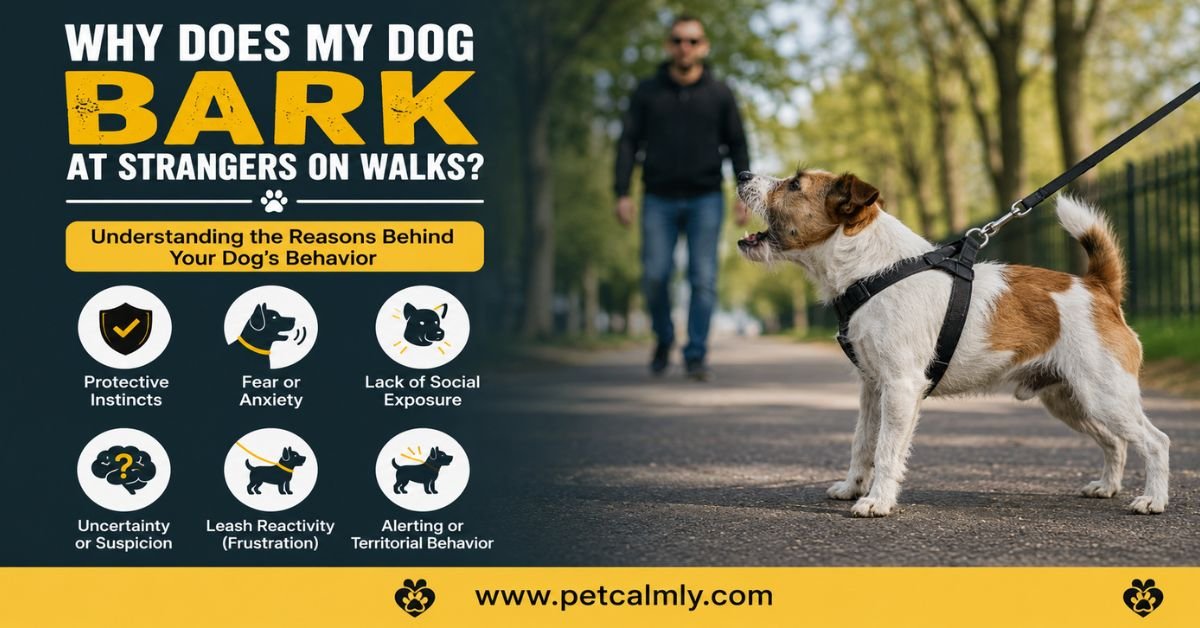
Dogs usually bark at strangers on walks because of a mix of fear, territorial instinct, poor early socialization, or excitement that hasn’t been taught an outlet. Barking is your dog’s way of communicating “I feel unsure about this” or “that person is too close for comfort.” It’s rarely about aggression it’s almost always about emotion. The fix isn’t punishment; it’s helping your dog feel safer through distance, consistency, and positive associations with strangers over time.
Understanding the Reasons Behind Dog Barking at Strangers
Dogs bark for various reasons, and when it happens specifically at strangers during walks, it’s often a sign of underlying issues. Recognizing these can help you tailor your approach to stop dog barking effectively. Leash reactivity in dogs is a behavioral response where your pet reacts strongly to stimuli like people, other dogs, or even bikes while on a leash. This isn’t just random noise it’s communication.
Fear and Anxiety as Primary Triggers
One of the most common causes of a dog barking at strangers is fear-based reactivity. Dogs are naturally protective, and if they feel threatened by an unfamiliar person approaching, they may bark to create distance. This is especially true for breeds like German Shepherds or Chihuahuas, which have strong guarding instincts. Anxiety can stem from past experiences, such as a negative encounter with a stranger or insufficient exposure to new people during their critical socialization period (typically between 3 and 14 weeks old).
Signs of fear include tucked tails, flattened ears, or pulling away while barking. If your dog barks at strangers on walks but is fine at home, the leash might amplify their anxiety, making them feel trapped and unable to flee. Addressing this involves building confidence through positive reinforcement training, where you reward calm behavior around strangers.

Territorial or Protective Instincts
Some dogs view their walking route as an extension of their territory. When a stranger enters this space, your dog might bark to warn them off, saying, “This is my area!” This territorial barking is more pronounced in breeds like Rottweilers or Terriers, bred for protection. On walks, the leash can heighten this instinct because your dog feels responsible for “guarding” you.
To differentiate this from fear, observe if the barking is accompanied by a stiff posture or forward-leaning body language. Over time, unchecked territorial behavior can lead to more aggressive responses, so early intervention is key. Desensitization techniques, like gradually exposing your dog to strangers from a safe distance, can help reduce this reactivity.

Lack of Socialization and Past Trauma
Puppies that aren’t properly socialized may grow into adults who bark at strangers out of unfamiliarity. If your dog was adopted from a shelter or had limited human interactions early on, they might see every new person as a potential threat. Trauma, such as abuse or abandonment, can also contribute to reactive barking on walks.
Socialization isn’t just for puppies adult dogs can benefit too. Start with controlled introductions to friends or family in neutral settings before progressing to public walks. Remember, forcing interactions can worsen the problem, so patience is essential.

Other Contributing Factors
Health issues shouldn’t be overlooked. Pain from arthritis or ear infections can make dogs irritable, leading to barking at strangers. Environmental factors, like crowded urban areas with lots of foot traffic, can overwhelm sensitive dogs. Even breed-specific traits play a role; herding breeds like Border Collies might bark to “control” moving strangers.
By identifying the specific trigger for your dog’s barking, you can choose the most effective training path. Consulting a vet to rule out medical causes is always a smart first step.
The Impact of Excessive Barking on Walks
While occasional barking is normal, persistent dog barking at strangers can have ripple effects. For you, it might mean shorter walks, avoidance of busy areas, or even embarrassment in public. This can strain your relationship with your dog, leading to frustration on both sides.
For your dog, constant reactivity increases stress levels, potentially causing long-term anxiety or health problems like elevated cortisol. It can also escalate to lunging or biting if not addressed, posing safety risks. Socially, reactive dogs miss out on positive interactions, which are crucial for their mental well-being.
On a positive note, tackling this issue head-on can transform walks into bonding opportunities, improving your dog’s overall quality of life.
Proven Training Techniques to Stop Dog Barking at Strangers
Training a reactive dog requires consistency, positive methods, and time. Avoid punishment-based approaches like yelling or shock collars, as they can increase fear and worsen barking. Instead, focus on reward-based training to teach alternative behaviors.
Desensitization and Counter-Conditioning
This duo is gold for leash-reactive dogs. Desensitization involves exposing your dog to strangers at a distance where they don’t react, gradually closing the gap. Counter-conditioning pairs the sight of a stranger with something positive, like treats.
Start in a quiet park: Spot a stranger far away, say “yes” when your dog notices but stays calm, and reward with high-value treats like chicken. If they bark, calmly move away and try again later. Practice daily, aiming for 10-15 minute sessions. Over weeks, your dog will associate strangers with good things, reducing barking.
Teaching Commands for Focus
Commands like “watch me” or “heel” redirect attention from strangers to you. To teach “watch me,” hold a treat near your face and say the cue when your dog looks up reward immediately. On walks, use it preemptively when a stranger approaches.
For “quiet,” wait for a bark pause, say “quiet,” and reward silence. Combine with a “sit” to encourage calm posture. Tools like clickers can mark exact moments of good behavior, speeding up learning.
Leash Management and Body Language
Your body language matters. Tense up, and your dog senses it, amplifying reactivity. Stay relaxed, use a loose leash, and change direction if needed to avoid triggers. Front-clip harnesses reduce pulling, giving you better control without restricting movement.
Incorporate games like “find it” (tossing treats on the ground) to distract during encounters. Always end sessions on a positive note to build confidence.
Advanced Training Methods
For stubborn cases, consider obedience classes or agility training to boost overall focus. Apps like “Dog Training” or online resources from the American Kennel Club provide video guides. Remember, progress varies by dog puppies might improve in weeks, while older dogs take months.
Essential Tools and Aids for Managing Reactive Dogs
While training is core, tools can support your efforts. A gentle leader headcollar redirects attention without pain. Treat pouches keep rewards handy. For severe cases, calming aids like Adaptil pheromone collars or CBD treats (vet-approved) reduce anxiety.
Avoid prong collars; they can cause harm. Instead, opt for no-pull harnesses from brands like Freedom or Ruffwear. Interactive toys during walks, like puzzle feeders, keep minds occupied.
When to Seek Professional Help for Dog Barking Issues
If home training doesn’t yield results after 4-6 weeks, or if barking escalates to aggression, consult a certified dog trainer or behaviorist. Look for credentials from the Certification Council for Professional Dog Trainers (CCPDT). Vets can rule out medical issues and recommend specialists.
In extreme cases, medication for anxiety might be prescribed. Professional help ensures tailored plans, preventing setbacks.
Prevention Tips for Future Walks
Prevent barking by starting socialization early. Expose puppies to diverse people in positive ways. Maintain routine walks to build familiarity. Use high-reward treats for good behavior.
Monitor diet and exercise tired dogs bark less. Join dog walking groups for controlled social exposure.
By implementing these strategies, you’ll see improvements in your dog’s behavior, leading to enjoyable walks.
Frequently Asked Questions
1. Why does my dog only bark at certain strangers?
Dogs may bark based on visual cues like hats, beards, or fast movements that remind them of past threats. It could also be scent-related or linked to the stranger’s energy. Observe patterns and use desensitization for specific triggers.
2. Is it normal for puppies to bark at strangers on walks?
Yes, puppies are learning about the world, and barking can stem from curiosity or fear. Early socialization helps prevent it from becoming a habit. If excessive, start basic training immediately.
3. Can breed influence barking at strangers?
Absolutely. Guarding breeds like Dobermans are more prone, while laid-back ones like Labradors less so. However, training overrides breed tendencies in most cases.
4. How long does it take to train a dog to stop barking at strangers?
It varies: 2-4 weeks for mild cases with consistent training, up to several months for severe reactivity. Patience and daily practice are key.
5. Are there any home remedies to calm a reactive dog?
Natural options include lavender essential oils (diluted), chamomile tea in food, or thunder shirts for compression comfort. Always consult a vet before trying remedies.
6. What if my dog barks at strangers but wags its tail?
This could be excited barking rather than aggressive. Tail wagging with loose body language indicates playfulness. Redirect with toys or commands to manage it.
More Information About Pets, Please Visit Our Website: How to Stop Dog Chewing
How to Stop Puppy Biting
Why Does My Dog Bark at Night for No Reason?
Dog Acting Strange Suddenly at Night
Conclusion
Dealing with a dog that barks at strangers on walks can be challenging, but with understanding, consistent training, and the right tools, you can turn things around. Remember, the goal isn’t to suppress your dog’s natural instincts but to channel them positively. Start by identifying triggers like fear or lack of socialization, then apply techniques such as desensitization and positive reinforcement. If needed, seek professional guidance to ensure safety and success.
Patience is your best ally celebrate small wins, like a calm pass-by of a stranger. Over time, these efforts will lead to stress-free walks, stronger bonds, and a happier dog. If you’re searching for “my dog barks at strangers on walks,” know that solutions are within reach. Implement these tips today, and enjoy the journey with your four-legged companion.