Short direct answer
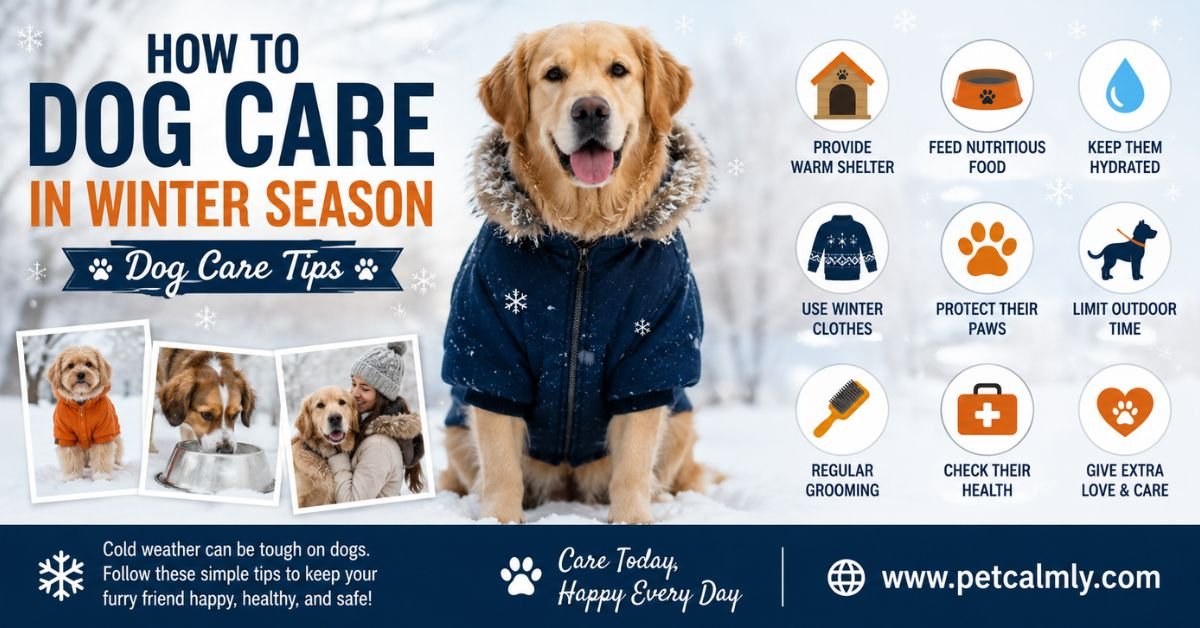
Winter dog care starts with protecting your dog’s paws from ice and salt, maintaining regular exercise despite cold weather, managing their nutrition as energy needs shift, and watching for warning signs of cold stress. Most dogs need extra protection from freezing temperatures, shorter walks during extreme cold, and careful attention to paw health. The specific care your dog needs depends on their breed, age, coat type, and general health senior dogs and short-coated breeds require more attention than cold-hardy breeds.
8 Main Dog Care Tips Your Dog’s Needs in Winter
Before jumping into specific tips, it’s crucial to understand why winter dog care is so important. Cold weather can exacerbate health issues, reduce activity levels, and increase the risk of injuries. Dogs rely on us to adapt their environment and routine to the season’s demands.
Dogs maintain their body temperature around 101-102.5°F, but extreme cold can lead to heat loss faster than they can generate it. Factors like wind chill, wet fur, and snow exposure amplify this risk. According to animal experts, pets burn more energy staying warm, which means their caloric needs might increase by up to 30% in harsh conditions. This is why feeding adjustments are key in winter dog care tips.
Age plays a role too puppies and senior dogs are more vulnerable. Puppies have less body fat and underdeveloped thermoregulation, while older dogs may have arthritis that worsens in the cold. Breeds with thin coats or small sizes feel the chill more intensely. Recognizing these needs helps tailor your approach to effective dog care in winter season.
Additionally, winter often means less outdoor time, leading to boredom or weight gain. Balancing indoor enrichment with safe outdoor activities is essential. By grasping these fundamentals, you’ll be better equipped to implement the following dog winter tips.
1: Providing Proper Shelter and Warmth
One of the foundational elements of how to care for your dog in winter is ensuring they have a warm, dry place to rest. Exposure to cold can lead to serious health issues, so prioritize shelter.
Indoor vs. Outdoor Living
Ideally, bring your dog indoors during winter, especially when temperatures drop below freezing. Even outdoor dogs should have access to insulated shelters. If your dog must stay outside, provide a draft-free doghouse elevated off the ground with a door flap to block wind. The interior should be just large enough for them to turn around comfortably too big, and it won’t retain body heat. Line it with straw or cedar shavings, avoiding blankets that can get wet and freeze.
For indoor dogs, create a cozy spot away from drafts, like near a heater (but not too close to avoid burns). Use orthopedic beds for joint support, particularly for seniors. In regions with severe winters, like Minnesota, owners recommend acclimating puppies to indoor routines early to handle the cold.

Bedding and Heating Options
Invest in heated pet beds or pads that are chew-resistant and safe. These can provide gentle warmth without overheating. Always supervise initial use to ensure your dog doesn’t chew cords. For extra insulation, add fleece blankets or self-warming mats that reflect body heat.
In very cold climates, consider room humidifiers to combat dry air from heating systems, which can cause skin irritation. Maintaining indoor humidity around 30-50% helps prevent cracked paws and noses, a common issue in winter pet care.
2: Dressing Your Dog for the Cold
Not all dogs need clothing, but for many, it’s a vital part of dog care in winter season. Coats and booties can protect against the elements, especially during walks.
When to Use Coats and Sweaters
If your dog shivers, lifts paws, or seems reluctant to go outside, it’s time for a coat. Choose waterproof, insulated jackets that cover from neck to tail, with adjustable straps for a snug fit. Breeds like Dachshunds or Bulldogs benefit greatly, as their short legs keep bellies close to snowy ground.
Introduce clothing gradually indoors with treats to build positive associations. Wash items regularly to prevent skin issues from dirt buildup.
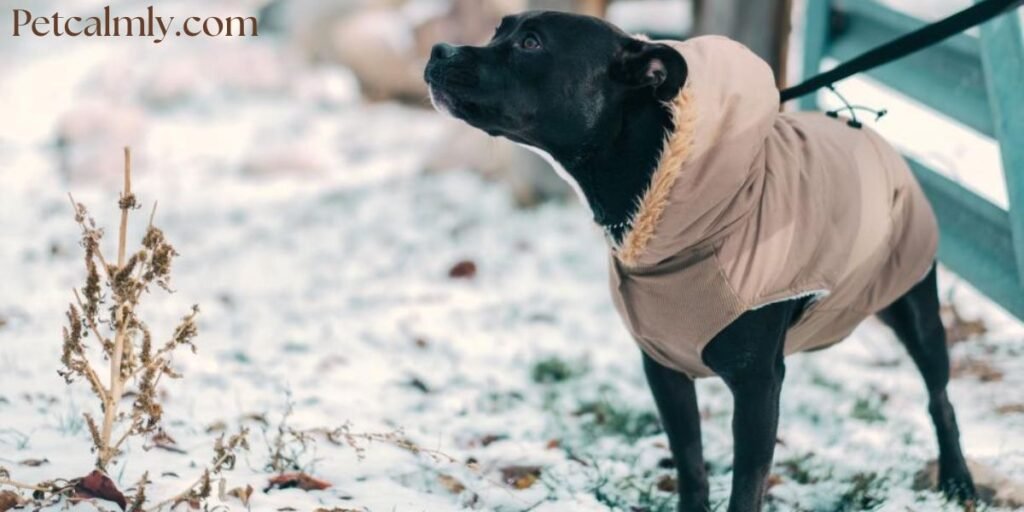
This image shows a dog comfortably dressed in a winter coat, illustrating how proper attire can make outdoor time enjoyable.
Booties for Paw Protection
Booties shield paws from ice, salt, and chemicals. Look for non-slip soles and secure fasteners. Start with short indoor sessions, rewarding with treats to get your dog used to them. If booties aren’t tolerated, apply pet-safe paw balm to moisturize and protect.
3: Paw Care in Winter
Paw health is a top concern in winter dog care tips, as snow, ice, and de-icing salts can cause cracks, burns, or infections.
After every walk, wipe paws with a warm, damp cloth to remove irritants. Trim fur between pads to prevent ice balls from forming, but don’t shave too close to avoid exposure. Check for cuts or redness daily.
Apply petroleum jelly or specialized balms before outings for a protective barrier. In extreme cold, limit walk times to prevent frostbite. Signs include pale or blue skin on paws seek vet care immediately if noticed.
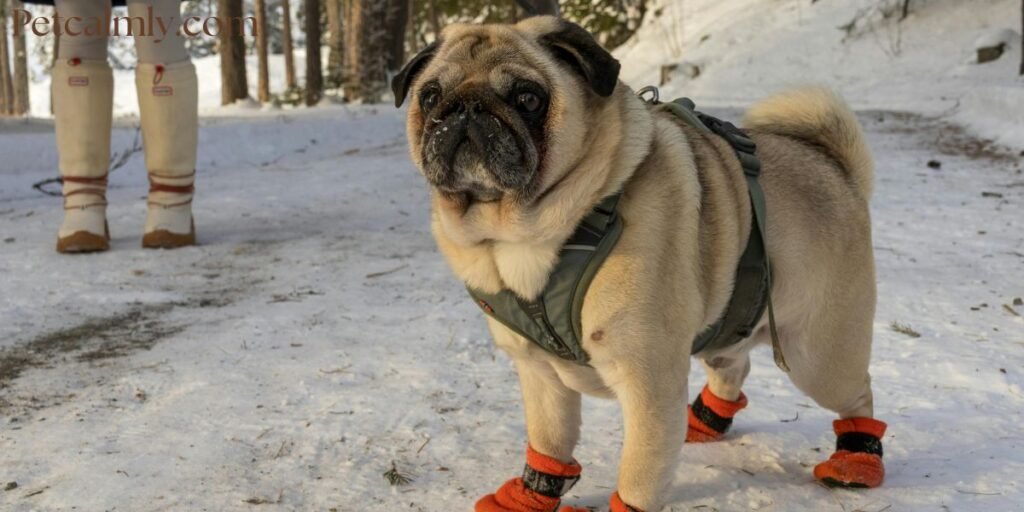
Here’s an example of a dog wearing protective paw socks, a great visual for understanding winter paw care.
For persistent issues, consult a vet about supplements like fish oil for skin health.
4: Nutrition and Hydration Adjustments
Winter affects your dog’s metabolism, making dietary tweaks essential in how to care for dogs in winter.
Increasing Caloric Intake
Pets expend more energy staying warm, so increase food portions slightly about 10-20% more for active dogs. Opt for high-quality, nutrient-dense kibble with added fats for coat health. Avoid overfeeding indoor dogs to prevent obesity.
Incorporate warm meals, like adding hot water to dry food or serving canned options at room temperature. This encourages eating and provides hydration.
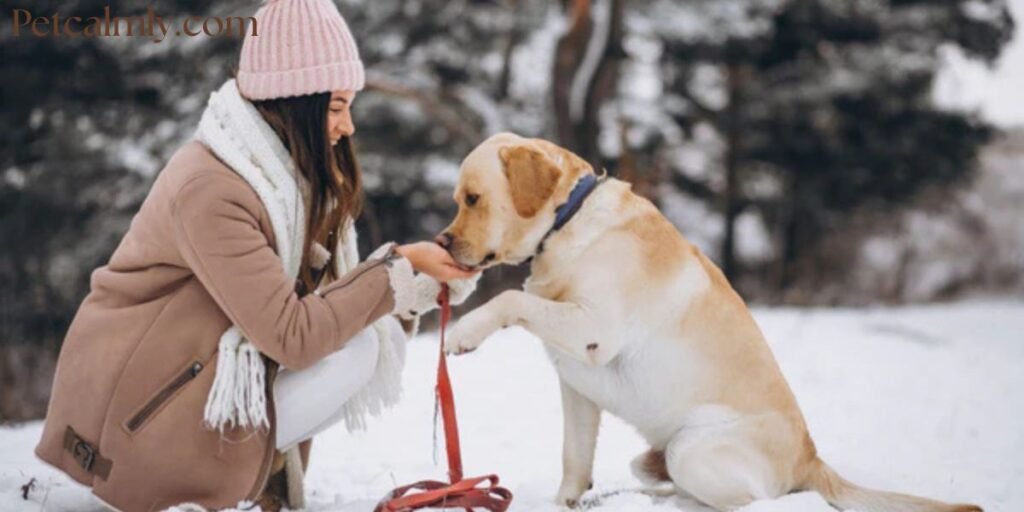
Ensuring Proper Hydration
Frozen water bowls are a hazard use heated bowls or check frequently. Dehydration risks rise in dry winter air, so add wet food or broth to meals. Monitor intake; lethargy or dry gums signal issues.
5: Exercise and Play in Cold Weather
Maintaining activity is key to winter dog care, preventing boredom and weight gain.
Shorten walks but increase frequency, aiming for 15-20 minutes in moderate cold. Use indoor games like fetch in hallways or puzzle toys for mental stimulation.
For snowy days, try dog-friendly treadmills or agility setups indoors. Always warm up before outdoor play to avoid muscle strains.
Watch for signs of discomfort shivering means it’s time to head inside. In sub-zero temps, opt for potty breaks only.
6: Health Monitoring and Common Winter Issues
Vigilance is crucial in dog care in winter season to catch problems early.
Signs of Hypothermia and Frostbite
Symptoms include shivering, lethargy, weak pulse, or discolored extremities. Warm gradually with blankets and seek vet help if severe.
Arthritis and Joint Care
Cold aggravates joint pain use ramps, heated beds, and supplements like glucosamine. Gentle massages and vet-prescribed anti-inflammatories help.

Monitor for respiratory issues or allergies from indoor allergens. Regular check-ups ensure overall health.
7: How to Dog Care in Winter Season Dog Care Tips
Contrary to myth, don’t skip grooming in winter it prevents matting and promotes circulation.
Brush regularly to distribute oils and remove dead fur. Bathe less frequently with moisturizing shampoos to avoid drying skin. Trim nails to prevent slipping on ice.
For long-haired breeds, keep belly fur trimmed to avoid snow clumps.
8: Safety Around Winter Hazards
Winter brings dangers like antifreeze poisoning use pet-safe alternatives and clean spills. Avoid thin ice on ponds and salt-treated roads.
Keep leashes on near traffic, as snow can disorient dogs. Store holiday decorations safely to prevent ingestion.
In cars, never leave dogs unattended in cold vehicles, as temperatures drop rapidly.
More Information About Pets, Please Visit Our Website:
Professional Dog Grooming Techniques
Senior Dog Anxiety at Night Symptoms
Conclusion
Mastering how to care for your dog in winter doesn’t have to be overwhelming. By focusing on shelter, clothing, paw protection, nutrition, exercise, health monitoring, grooming, and hazard avoidance, you can provide top-notch dog care in winter season. These dog winter care tips ensure your pet stays warm, active, and healthy, turning the cold months into a time of bonding rather than worry.
Remember, the key is observation and adaptation watch your dog’s behavior and adjust accordingly. With these strategies, you’ll meet the needs of anyone searching for comprehensive winter dog care advice. Stay proactive, and enjoy the season with your loyal companion. If conditions worsen or you’re unsure, always reach out to a veterinarian.
Frequently Asked Questions
1. How do I know if my dog is too cold in winter?
Look for shivering, whining, anxiety, or reluctance to walk. If their ears or paws feel cold to the touch, bring them inside immediately and warm them up slowly.
2. Should I feed my dog more food during the winter season?
Yes, many dogs need extra calories to maintain body heat. Increase portions by 10-30% based on activity level, but monitor weight to avoid overfeeding.
3. Are dog booties necessary for winter walks?
They’re highly recommended for protecting against salt, ice, and cold. If your dog refuses them, use paw balms as an alternative.
4. Can dogs get hypothermia, and what are the signs?
Yes, symptoms include intense shivering, lethargy, pale gums, and confusion. Seek veterinary care right away if suspected.
5. How often should I groom my dog in winter?
Brush 2-3 times a week to prevent matting. Bathe only when necessary with moisturizing products to keep skin hydrated.
6. What indoor activities can keep my dog exercised in bad winter weather?
Try puzzle toys, indoor fetch, training sessions, or hide-and-seek. These provide mental and physical stimulation without braving the cold.