
Short direct answer
A 15-year-old dog eating more than usual often experiences increased hunger due to age-related changes like declining metabolism, nutrient absorption issues, cognitive dysfunction, or medical conditions such as diabetes, hyperthyroidism, or Cushing’s disease. While some hunger increase is normal in aging dogs, sudden or dramatic appetite changes warrant a veterinary check-up to rule out underlying health problems. Your vet can help determine whether your senior’s hunger signals a dietary adjustment, medication side effect, or health concern requiring treatment.

Common Non-Medical Reasons for Increased Hunger in Senior Dogs
Not all cases of a hungry senior dog point to illness. Sometimes, lifestyle or environmental factors are at play. Understanding these can help you differentiate between normal aging and potential problems.
Age-Related Metabolic Changes
As dogs age, their metabolism slows down, but paradoxically, some may feel hungrier due to reduced efficiency in processing nutrients. A 15-year-old dog might not absorb calories as effectively from their food, leading to feelings of hunger even after meals. This is similar to how human seniors might experience changes in appetite. Breeds like Labrador Retrievers or Beagles, known for their food motivation, may amplify this trait in old age.
Additionally, decreased activity levels in senior dogs can create a cycle: less exercise means fewer calories burned, but boredom might make them seek food for stimulation. If your dog has arthritis or mobility issues, they might not play as much, leading to more time focused on eating.
Dietary and Nutritional Imbalances
The food you’re feeding might not meet your senior dog’s evolving needs. Commercial dog foods vary in quality, and if the diet lacks essential nutrients like proteins, fats, or fibers, your pet could feel unsatisfied. For instance, switching to a low-calorie senior formula without adjusting portions might leave them wanting more.
Senior dogs often require diets higher in antioxidants, joint-supporting ingredients like glucosamine, and easily digestible proteins to combat age-related decline. If their food is imbalanced perhaps too high in fillers or low in bioavailable nutrients they might eat more to compensate. Check the label: aim for AAFCO-approved senior formulas that address “elderly dog nutrition needs.”
Behavioral and Environmental Factors
Dogs are creatures of habit, and changes in routine can trigger hunger signals. If you have multiple pets, competition for food might make your senior dog eat faster or beg more often. Boredom is another culprit; without mental stimulation, dogs turn to food for entertainment. This is especially true for indoor seniors who no longer go on long walks.
Learned behaviors play a role too. If begging has been rewarded in the past, your 15-year-old might ramp it up, knowing it gets treats. Genetics also factor in some breeds are predisposed to higher appetites, and this can intensify with age.
Serious Medical Conditions Causing Excessive Hunger in Elderly Dogs
While non-medical causes are common, persistent hunger in a 15-year-old dog often signals underlying health issues. Polyphagia is a symptom of several conditions prevalent in seniors. Always monitor for accompanying signs like weight loss, increased thirst, or lethargy.
Diabetes Mellitus in Senior Dogs
One of the top causes of increased appetite in older dogs is diabetes mellitus. This endocrine disorder impairs the body’s ability to regulate blood sugar, leading to cells starving for energy despite adequate food intake. Your dog might eat ravenously but still lose weight.
Symptoms include excessive thirst (polydipsia), frequent urination, and fatigue. Middle-aged to senior dogs, especially overweight ones or breeds like Poodles and Dachshunds, are at higher risk. Diagnosis involves blood tests, and management includes insulin therapy, diet changes, and regular monitoring. Early detection can significantly improve quality of life.
Cushing’s Disease (Hyperadrenocorticism)
Cushing’s disease, caused by overproduction of cortisol from the adrenal glands, is another frequent offender in senior dogs. It leads to increased appetite, pot-bellied appearance, hair loss, and muscle weakness.
Pituitary-dependent Cushing’s is common in older small breeds like Terriers. Treatment options range from medications like trilostane to surgery in rare cases. If untreated, it can lead to complications like infections or diabetes.
Exocrine Pancreatic Insufficiency (EPI)
EPI occurs when the pancreas fails to produce enough digestive enzymes, causing malabsorption of nutrients. Affected dogs eat more to compensate but often have greasy stools, weight loss, and flatulence.
German Shepherds and other large breeds are prone to this in seniority. Diagnosis via fecal tests, and treatment involves enzyme supplements mixed with meals, leading to rapid improvement.
Inflammatory Bowel Disease (IBD) and Gastrointestinal Issues
IBD inflames the gut lining, impairing nutrient absorption and causing chronic hunger. Symptoms include diarrhea, vomiting, and abdominal pain. In seniors, this can stem from long-term dietary sensitivities or infections.
Other GI problems like intestinal blockages from foreign bodies or parasites (e.g., worms) can mimic hunger by preventing proper digestion. Regular deworming and vet check-ups are crucial.
Parasites, Infections, and Cancer
Internal parasites like hookworms or roundworms rob nutrients, leading to increased eating. Though less common in well-cared-for seniors, they’re still a risk.
Cancer, unfortunately, is prevalent in elderly dogs and can cause polyphagia through metabolic changes or tumors affecting appetite regulation. Lymphoma or gastrointestinal cancers might present this way.
Infections or thyroid issues (hyperthyroidism, rare in dogs) can also spike hunger.
Medication Side Effects
Certain drugs, like corticosteroids for allergies or arthritis, can increase appetite as a side effect. If your senior dog is on long-term meds, discuss alternatives with your vet.
When to See a Veterinarian for Your Hungry Senior Dog
Don’t wait if hunger is sudden or severe. Signs warranting immediate vet attention include:
- Rapid weight loss despite eating more
- Excessive drinking and urinating
- Vomiting, diarrhea, or changes in stool
- Lethargy, weakness, or behavioral changes
- Swollen abdomen or hair loss
A thorough exam might include blood work, urinalysis, and imaging to pinpoint issues like diabetes or Cushing’s. Early intervention is key for senior dog health management.
How to Manage and Alleviate Hunger in Your 15-Year-Old Dog
Once medical causes are ruled out or treated, focus on lifestyle adjustments to curb excessive hunger.
Adjusting Your Senior Dog’s Diet
Switch to a high-quality senior dog food with balanced nutrients. Increase fiber content (e.g., via pumpkin or green beans) to promote satiety without extra calories. Divide meals into smaller, more frequent portions three to four times a day to stabilize blood sugar.
Avoid table scraps; they encourage begging. For overweight dogs, low-calorie treats like carrots can satisfy without weight gain. Consult a vet nutritionist for personalized plans addressing “senior dog feeding guidelines.”
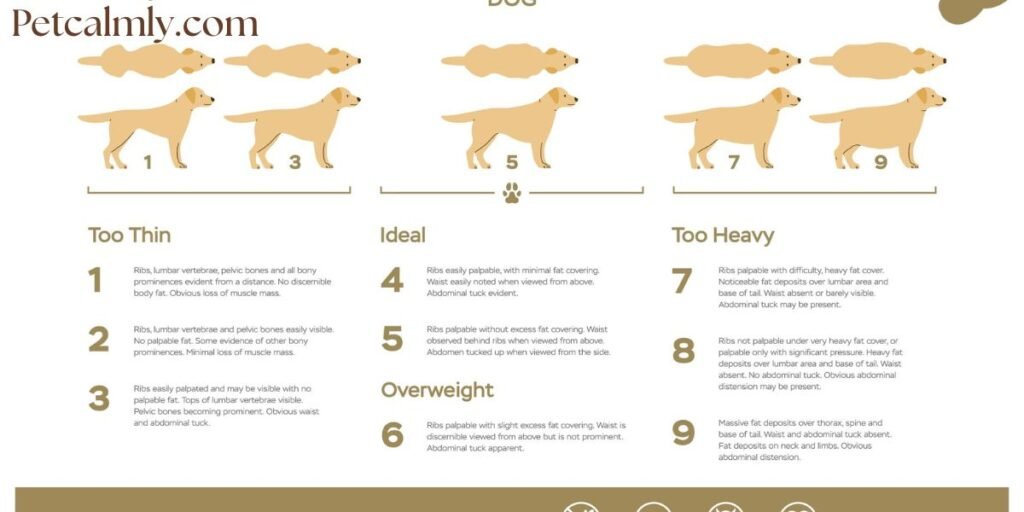
Dog Feeding Guide: Ultimates’ Tips for Healthy Meals in 2026
Incorporating Exercise and Mental Enrichment
Even at 15, gentle exercise helps. Short walks, swimming, or puzzle toys can burn calories and reduce boredom-induced hunger. Interactive feeders slow eating and provide mental stimulation.
Home Remedies and Daily Tips
Natural aids like adding warm water to kibble can make meals more filling. Herbal supplements (e.g., chamomile for stress) might help, but always vet-approved. Monitor portion sizes with a measuring cup to prevent overfeeding.
Prevention and Long-Term Care for Senior Dog Appetite Issues
Preventive care includes annual vet visits, dental cleanings, and parasite prevention. Maintain a consistent routine to avoid stress-related eating. As your dog ages, gradually transition to senior-specific care, monitoring weight and appetite monthly.
By staying proactive, you can ensure your 15-year-old companion enjoys their golden years comfortably.
More Information About Pets, Please Visit Our Website: Petcalmly.com
Conclusion
Dealing with a constantly hungry 15-year-old dog can be stressful, but understanding the causes from metabolic shifts and dietary needs to conditions like diabetes or Cushing’s empowers you to act. Prioritize veterinary consultation for accurate diagnosis, and implement management strategies like diet tweaks and enrichment for better quality of life. With proper care, your senior dog can thrive, hunger managed effectively. Remember, keywords like “why elderly dog always hungry” lead here for comprehensive info hope this helps!
Frequently Asked Questions
1. What are the first signs of diabetes in a senior dog?
Early signs include increased hunger, thirst, urination, weight loss, and lethargy. If noticed, seek vet testing promptly.
2. Can boredom really make my old dog seem hungrier?
Yes, lack of stimulation can lead to food-seeking behavior. Puzzle toys and short play sessions help alleviate this.
3. Is it normal for a 15-year-old dog to eat more than when younger?
Not necessarily; while some metabolic changes occur, sudden increases often indicate health issues. Monitor closely.
4. What diet changes help a hungry senior dog without gaining weight?
Opt for high-fiber, low-calorie senior foods. Add veggies like green beans for bulk, and feed smaller meals more often.
5. How do I know if parasites are causing my dog’s hunger?
Symptoms include weight loss, diarrhea, and visible worms in stool. Annual fecal exams can detect and treat them.
6. When should I worry about my senior dog’s increased appetite?
Worry if it’s accompanied by other symptoms like vomiting or weakness. Always consult a vet for peace of mind.