If you’re searching for information on chronic kidney disease in cats symptoms, you’re likely concerned about your feline companion’s health. Chronic kidney disease (CKD) is one of the most common conditions affecting older cats, and recognizing its signs early can make a significant difference in managing the illness. In this comprehensive guide, we’ll explore the key symptoms of CKD in cats, along with causes, diagnosis, treatment options, and tips for prevention. Whether your cat is showing subtle changes like increased thirst or more severe issues like vomiting, understanding these aspects can help you provide the best care possible.
CKD, also known as feline chronic renal failure, occurs when the kidneys gradually lose their ability to filter waste from the blood. This progressive disease often goes unnoticed in its early stages because cats are masters at hiding discomfort. By the time symptoms appear, significant kidney damage may have already occurred typically when about two-thirds of kidney function is lost. However, with proper veterinary intervention and home management, many cats with CKD can enjoy a good quality of life for months or even years.
What is Chronic Kidney Disease (CKD) in Cats?
Chronic kidney disease in cats is a long-term condition where the kidneys fail to perform their essential functions effectively. The kidneys are responsible for filtering toxins from the blood, regulating blood pressure, producing hormones, and maintaining electrolyte balance. When damaged, waste products like urea and creatinine build up in the bloodstream, leading to a host of health issues.
Unlike acute kidney injury, which happens suddenly and may be reversible, CKD develops over time and is irreversible. It’s particularly prevalent in senior cats, with studies showing that up to 30-50% of cats over the age of 15 may be affected. Breeds like Persians and Abyssinians may have a genetic predisposition, but any cat can develop it.
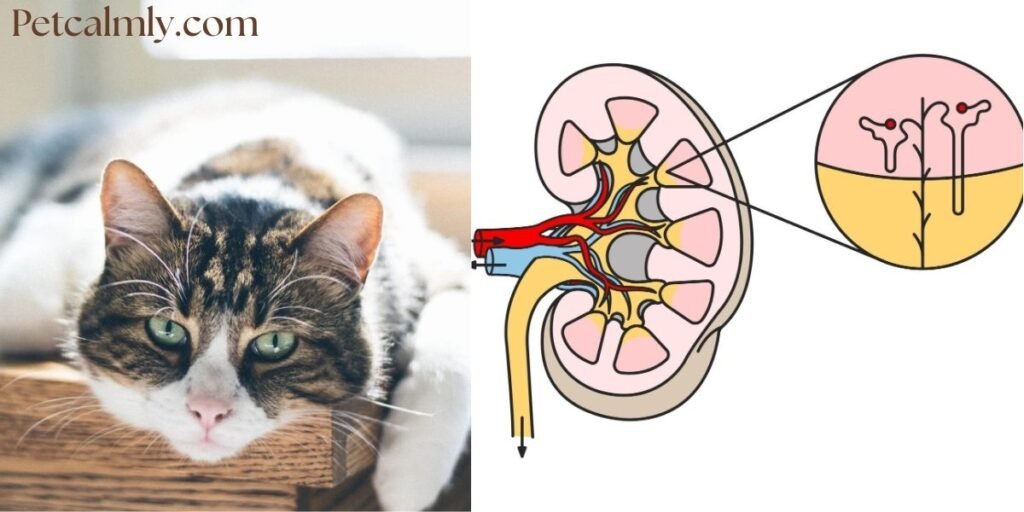
The disease is staged from 1 to 4 based on blood creatinine levels and other factors, as per guidelines from the International Renal Interest Society (IRIS). In stage 1, there are minimal symptoms, while stage 4 indicates severe failure with life-threatening complications. Early detection through routine vet check-ups is crucial, as it allows for interventions that slow progression.
Early Symptoms of CKD in Cats
Spotting the early signs of chronic kidney disease in cats can be challenging because they are often subtle and easily mistaken for normal aging. However, paying close attention to your cat’s behavior and habits can help you catch it sooner.
One of the first and most noticeable symptoms is increased thirst and urination (known as polydipsia and polyuria). Your cat might start drinking more water than usual perhaps lapping at the faucet or seeking out unusual water sources and you’ll notice more frequent trips to the litter box or even accidents outside it. This happens because the kidneys are less efficient at concentrating urine, so the body compensates by flushing out more fluid.
Another early indicator is weight loss and decreased appetite. Cats with CKD may eat less due to nausea from toxin buildup, leading to gradual muscle wasting and a thinner appearance. You might also observe lethargy or reduced activity levels, where your once-playful cat seems more tired or uninterested in toys and interaction.
Poor coat condition is another subtle sign. The fur may become dull, unkempt, or greasy because the body prioritizes vital functions over grooming. Additionally, some cats develop bad breath with an ammonia-like odor, stemming from uremia (high levels of urea in the blood).
If you notice these early symptoms of kidney failure in cats, consult your veterinarian immediately. Routine blood work during annual exams can confirm elevated creatinine or BUN levels, even before overt signs appear.
Advanced Symptoms of CKD in Cats
As chronic kidney disease progresses in cats, symptoms become more pronounced and can severely impact your pet’s quality of life. In advanced stages (IRIS stages 3-4), the kidneys have lost most of their function, leading to systemic effects.
Vomiting and diarrhea are common, often containing blood, due to gastrointestinal irritation from accumulated toxins. Your cat may also experience mouth ulcers or drooling, making eating painful and further reducing appetite.
Anemia is a frequent complication, causing pale gums, weakness, and increased lethargy because the kidneys produce fewer red blood cells. Hypertension (high blood pressure) can lead to sudden blindness, neurological issues like disorientation or seizures, or heart problems.
In end-stage kidney failure, cats may show inability to walk, confusion, body odor, incontinence, and refusal to eat or drink. These are emergency signs requiring immediate veterinary care, as they indicate severe uremia and potential collapse.
Monitoring for these advanced symptoms of feline kidney disease is vital. Regular vet visits can help manage complications like anemia with erythropoietin injections or hypertension with medications.
Causes of Chronic Kidney Disease in Cats
Understanding the causes of CKD in cats can help in prevention and early intervention. While the exact cause is often idiopathic (unknown), several factors contribute to its development.
Aging is the primary risk factor, as kidney tissue naturally deteriorates over time. Genetic predispositions in certain breeds increase susceptibility. Infections, such as bacterial pyelonephritis or viral diseases like feline leukemia, can damage kidneys.
Toxins are a major culprit: Ingestion of lilies, antifreeze, or certain medications (like NSAIDs) can lead to acute damage that progresses to chronic. Polycystic kidney disease, a hereditary condition where cysts form in the kidneys, is common in Persians.
Other contributors include high blood pressure, dental disease (which allows bacteria to enter the bloodstream), and diets high in phosphorus. Obesity and dehydration can exacerbate the condition.
Diagnosing CKD in Cats
Diagnosing chronic kidney disease in cats involves a combination of clinical history, physical exams, and lab tests. Your vet will start with a thorough check-up, noting symptoms like dehydration or pale gums.
Blood tests measure creatinine, BUN, and SDMA (symmetric dimethylarginine), an early marker for kidney dysfunction. Urinalysis checks for dilute urine, protein loss, or infection. Imaging like ultrasound can reveal kidney size and cysts.
Blood pressure measurement and tests for anemia or electrolyte imbalances are also standard. Staging helps tailor treatment plans.
Treatment Options for Cats with CKD
While there’s no cure for CKD in cats, treatments focus on slowing progression and managing symptoms. Prescription renal diets low in phosphorus and protein but high in omega-3s are cornerstone therapy.
Fluid therapy, either subcutaneous at home or IV in hospital, combats dehydration. Medications include phosphate binders, anti-nausea drugs, blood pressure meds, and appetite stimulants.
For anemia, erythropoietin or iron supplements may be used. In severe cases, dialysis or kidney transplants are options, though rare.
Managing CKD at Home
Home care is essential for cats with chronic kidney disease. Encourage water intake with fountains or flavored water. Monitor weight, appetite, and litter box habits daily.
Provide a stress-free environment and easy access to food and litter. Regular vet follow-ups every 3-6 months are key to adjusting treatments.
Prevention Tips for CKD in Cats
Preventing chronic kidney disease symptoms in cats starts with routine vet care. Annual blood and urine tests for seniors can detect issues early.
Keep toxins out of reach, maintain dental health, and feed a balanced diet. Control weight and ensure constant fresh water access.
Frequently Asked Questions
1. What are the first signs of chronic kidney disease in cats?
The earliest signs include increased thirst and urination, subtle weight loss, and decreased appetite. These can be easy to miss, so regular vet check-ups are important.
2. How long can a cat live with CKD?
With proper management, cats can live 1-3 years or more after diagnosis, depending on the stage. Early detection improves prognosis.
3. Is chronic kidney disease painful for cats?
CKD itself isn’t directly painful, but associated issues like mouth ulcers or nausea can cause discomfort. Pain management may be needed.
4. Can diet help manage CKD in cats?
Yes, renal diets reduce kidney workload by limiting phosphorus and protein. Always transition under vet guidance.
5. When should I take my cat to the vet for kidney issues?
If you notice symptoms like vomiting, lethargy, or changes in drinking/urination, seek vet care immediately. Don’t wait for advanced signs.
6. Is CKD contagious to other cats or humans?
No, CKD is not contagious. It’s a non-infectious condition related to internal factors like age or genetics.
More Information About Pets, Please Visit Our Website: What Is the Most Common Disease in Cats?
What Are the Signs of Dehydration in Cats?
Conclusion
Chronic kidney disease in cats, with its hallmark symptoms like increased thirst, weight loss, and vomiting, is a serious but manageable condition. By recognizing early signs and seeking prompt veterinary care, you can extend your cat’s life and improve their comfort. Remember, prevention through regular check-ups and a healthy lifestyle is key. If your cat shows any symptoms of feline kidney failure, consult a vet right away early action can make all the difference. With love and proper management, your furry friend can continue to thrive despite CKD.