To keep ants out of pet food bowls, place the bowl in a larger shallow dish filled with soapy water to create a moat that ants can’t cross. Clean up any food spills right away, elevate bowls on stands, and use natural repellents like cinnamon or peppermint oil around the area. Store dry food in airtight containers to avoid attracting ants.
As a pet owner in the USA, dealing with ants in your dog or cat’s food bowl can be frustrating and worrisome. These tiny invaders not only contaminate your pet’s meals but can also introduce bacteria or cause allergic reactions in sensitive animals. Keeping ants away ensures your furry friend’s health and saves you from constant cleanups during warm months when ant activity peaks.
Why Ants Target Pet Food Bowls
Ants are drawn to pet food for survival, scouting for easy sources of sugar, protein, and moisture. In homes across the USA, from humid Florida to dry California, this issue spikes in summer when ants forage more aggressively.
Common Types of Ants Involved
In most US households, Argentine ants and odorous house ants are the main culprits. Argentine ants form supercolonies and love sweet kibble bits, while odorous house ants (which smell like rotten coconut when crushed) target greasy residues in wet cat food. Fire ants in southern states can be more aggressive, posing a sting risk to curious pets.
Reasons Ants Invade
Food spills create scent trails that ants follow back to the colony. Even a few crumbs under the bowl can signal a feast. High-sugar or fatty pet foods, like those with fish or meat flavors, mimic ant-preferred wild sources. Damp environments from water bowls or recent mopping amplify the attraction, as ants need hydration too.
Environmental and Behavioral Factors
Outdoors, ants enter through cracks in doors or windows, especially in older homes. Indoors, cluttered kitchens or pet feeding areas near trash bins invite them. Pets that eat messily, like enthusiastic Labs or picky Persians, leave more residue, turning bowls into ant hotspots. In real life, a single overlooked spill can lead to a trail of hundreds of ants overnight.
Signs of an Ant Problem
Look for thin black lines of ants marching toward the bowl the classic trail. Tiny black specks (ant frass) in the food or around the base are another clue. Your pet might paw at the bowl or refuse to eat if ants are biting or swarming. In severe cases, you’ll see ants drowning in wet food or carrying kibble pieces away.
Potential Risks to Your Pets from Ants
Ants can carry pathogens like salmonella from garbage to your pet’s bowl, risking upset stomachs or worse in puppies and kittens. Some ants bite, causing irritation or allergic swelling think a cat’s paw puffing up after swatting a fire ant. Ingesting ants might lead to minor digestive issues, but the real danger is if ants contaminate food left out too long.
When Should You Be Concerned?
Worry if ants are fire ants, as their stings can cause painful welts or anaphylaxis in allergic pets seek a vet immediately if your dog yelps or your cat hides after contact. Be alert if the infestation persists despite cleaning, signaling a larger nest issue that could affect your home’s hygiene. For elderly or immunocompromised pets, even mild contamination warrants concern to prevent dehydration from avoided meals.
If your pet shows symptoms like vomiting, diarrhea, or excessive scratching after eating from an infested bowl, consult a veterinarian right away. In rare cases, massive invasions might indicate structural problems like hidden moisture attracting ants.
What Should Pet Owners Do?
Take proactive steps to block ants without harming your pets. Focus on safe, easy methods that fit busy US lifestyles, using items from your pantry or local stores like Walmart or PetSmart.
Immediate Cleanup Tips
Wipe the feeding area with vinegar-water solution (1:1 ratio) to erase scent trails ants hate the smell. Remove and wash bowls after every meal, drying them thoroughly. For outdoor feeding, move bowls to shaded, elevated spots away from plants where ants nest.
Natural Repellents and Barriers
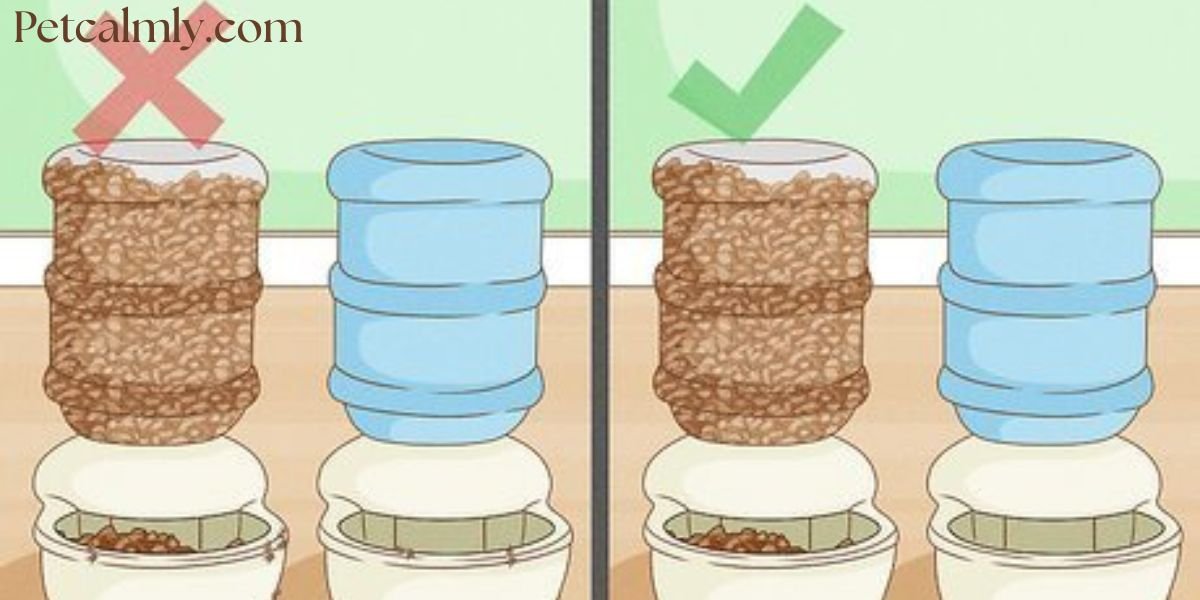
Sprinkle ground cinnamon, cayenne pepper, or diatomaceous earth (food-grade) around the bowl base; these dehydrate ants naturally without toxicity to dogs or cats. Create a moat by placing the food bowl in a pie tin with water and a drop of dish soap ants drown trying to cross. Refresh the water daily to avoid mosquito breeding.
Commercial Solutions
Invest in ant-proof pet bowls with built-in moats or elevated designs, available on Amazon for under $20. Use pet-safe ant baits like Terro stations placed away from feeding areas these lure ants to poison that they carry back to the nest. Avoid sprays near food; opt for gel baits for precision.
Long-Term Prevention Strategies
Seal home entry points with caulk around windows and doors, a quick DIY fix for most US homes. Store bulk pet food in sealed plastic bins in cool, dry spots like garages. Schedule regular pest checks, especially in ant-prone areas like Texas or Arizona, and consider eco-friendly pros if DIY fails.
Pet-Specific Advice
For dogs, who often eat outdoors, use heavy ceramic bowls that don’t tip easily. Cats, being indoor creatures, benefit from timed feeders that dispense small portions, reducing exposure time. Always test new repellents on a small area to ensure no pet reactions.
More Information About Pets, Please Visit Our Website: What Are the Signs of Kidney Disease in Cats?
What is the Dog Gut Microbiome?
Conclusion
Keeping ants out of pet food bowls is straightforward with consistent habits like moats, cleanups, and natural barriers. By addressing this promptly, you protect your dog or cat’s health and enjoy a pest-free home. If issues linger, a local vet or exterminator can provide tailored advice your pet’s well-being is worth it.
Frequently Asked Questions
1: Can ants make my pet sick?
Yes, ants can transfer bacteria to food, leading to tummy troubles like diarrhea. In rare cases, bites cause swelling. Always discard infested food and watch for symptoms.
2: What natural oils repel ants from pet bowls?
Peppermint or tea tree oil diluted in water works well spray around the area, not on bowls. These are safe for pets if used sparingly and avoided on food surfaces.
3: How do I stop ants from climbing pet food stands?
Coat stand legs with petroleum jelly or wrap with double-sided tape. This creates a slippery barrier ants can’t cross, ideal for elevated feeders.
4: Are there ant-resistant pet foods?
No specific foods repel ants, but drier kibbles attract fewer than wet varieties. Choose low-sugar formulas and store properly to minimize appeal.
5: What if ants are in my pet’s water bowl?
Empty and refill daily with fresh water. Add a floating barrier like a clean cork, or use a fountain-style bowl to keep water moving and less inviting.
6: How to handle ants in multi-pet households?
Feed pets in separate, clean areas to avoid cross-contamination. Use individual moats and monitor for territorial behaviors that might scatter food.