Short direct answer
To become your dog’s favorite person, spend daily quality time playing, training, and cuddling. Be the main one handling feeding, walks, and grooming to create positive links. Use treats and praise for good behavior, stay consistent, and match your energy to your dog’s personality. Patience builds a strong bond over time.
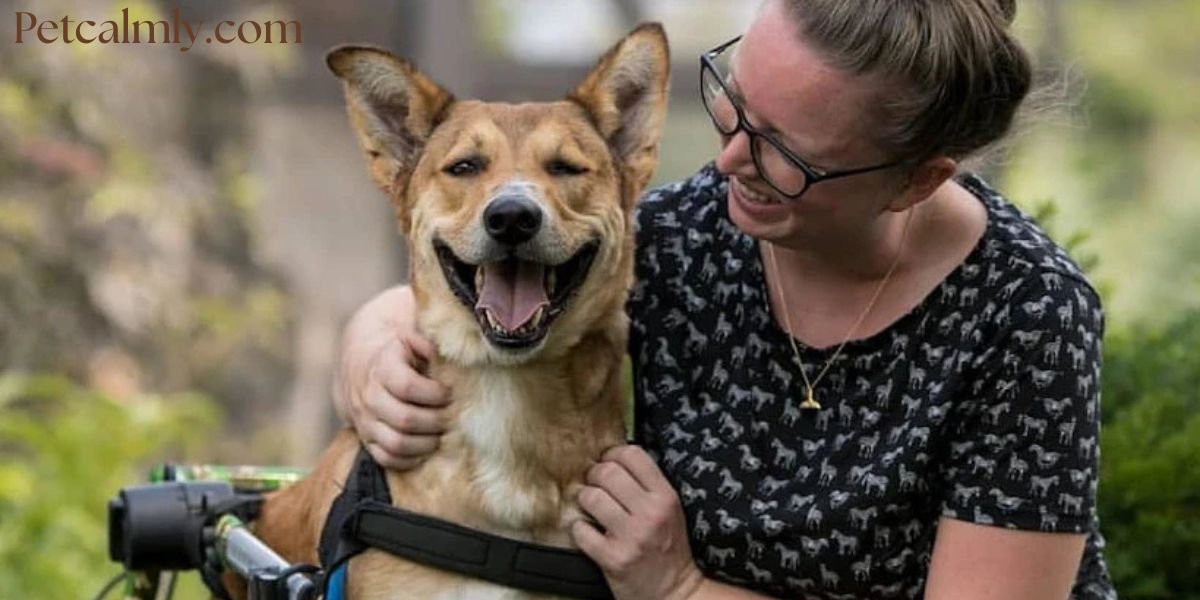
Building a special connection with your dog isn’t just rewarding it’s key for their happiness and your family’s harmony. A strong bond means better behavior, less stress, and a loyal companion who thrives. As a pet owner in the USA, where dogs are family members, becoming their top human boosts everyone’s well-being.
How Dogs Choose Their Favorite Person
Dogs pick favorites based on who meets their needs and makes them feel safe. It’s not random it’s about trust, fun, and reliability. Understanding this helps you step up.
Early Bonding and Socialization
Puppies often bond with the first caring human they meet. If you adopted an adult dog, early experiences shape preferences. For example, a rescue dog might favor calm people if past owners were loud.
Rescue dogs from shelters may take longer to choose due to trauma. Start slow with gentle interactions to rebuild trust.
Time, Attention, and Affection
Dogs love whoever gives the most undivided time. Busy schedules? Even 15 minutes of focused play counts. Ignore your phone eye contact and petting release feel-good hormones like oxytocin.
In multi-person homes, the one who plays fetch or hide-and-seek often wins. Dogs remember who makes life exciting.
Positive Associations and Rewards
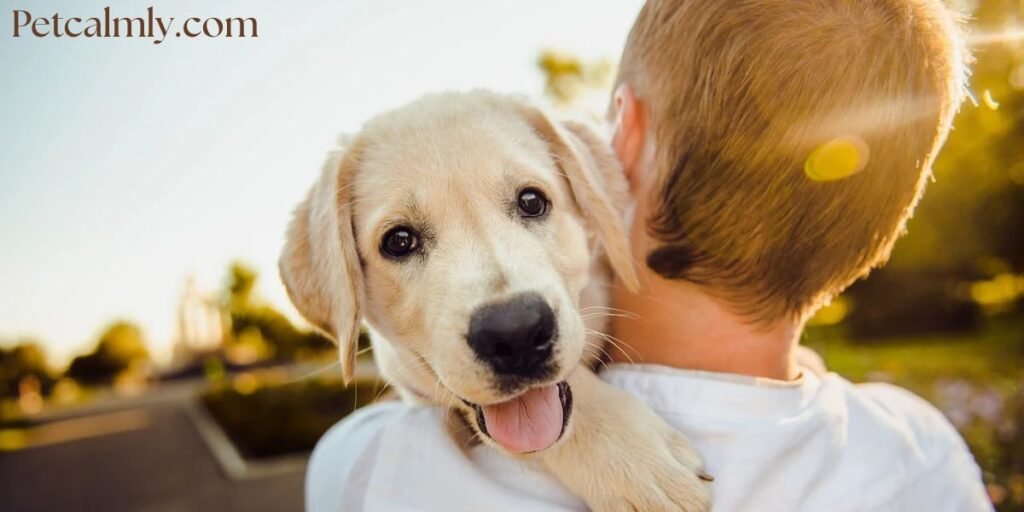
Link yourself to good things. Hand-feed meals or give treats during training. This makes you the source of joy.
Avoid punishment; it builds fear. Use positive reinforcement like praising a sit command to make you the fun, safe choice.
Personality Match
Outgoing dogs prefer energetic owners for runs. Shy pups like quiet, gentle folks. Watch your dog’s cues: tail wags mean you’re a match.
Breeds matter too. Herding dogs like Border Collies bond through work, while lap dogs like Chihuahuas crave cuddles.
Daily Caregiving Roles
The feeder or walker often becomes favorite. Rotate duties? Take over more to shift loyalty.
Grooming builds intimacy. Brushing a long-haired breed like a Golden Retriever creates calm bonding moments.
Signs You’re Becoming Your Dog’s Favorite
Look for clear behaviors showing you’re top dog. These real-life signals confirm your efforts.
Excitement and Greeting Rituals
Your dog rushes to you at the door with wiggles and licks? That’s a favorite sign. They might ignore others but light up for you.
In homes with kids, dogs may follow the adult who sets rules, showing respect through eager greetings.
Following and Proximity
“Velcro dogs” shadow favorites everywhere. If yours sits at your feet or sleeps on your bed, you’re chosen.
This happens in apartments where space is tight dogs pick one lap for naps.
Protective Behaviors
Favorites get guarded. Your dog might bark at strangers near you or lean against you for comfort.
Not aggression, but subtle watches like a Labrador eyeing the mailman when you’re outside.
Seeking Comfort and Play
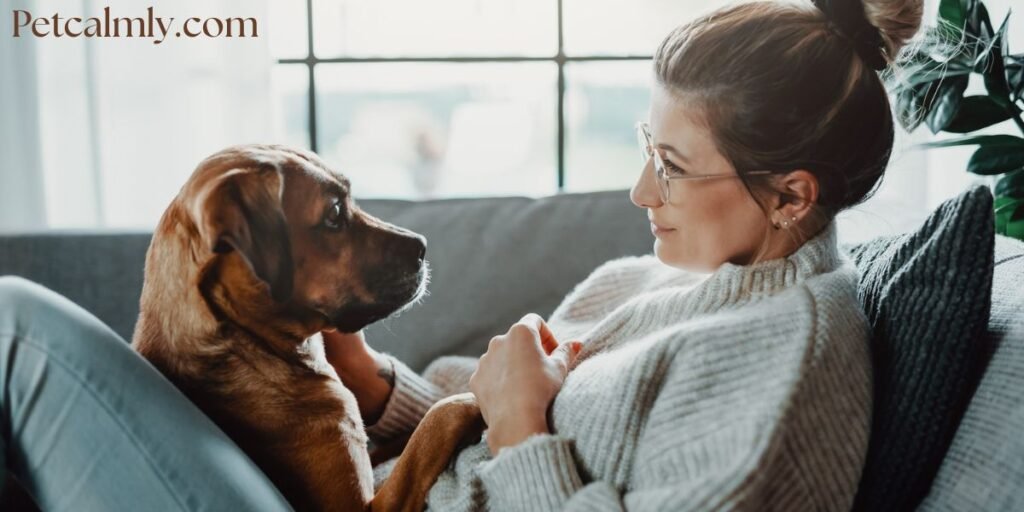
Stressed dogs seek favorites for reassurance. During thunderstorms, do they hide by you?
Play invites, like bringing toys, mean you’re the fun one. A Beagle dropping a ball at your feet is a big compliment.
Jealousy or Preference in Groups
In family settings, dogs may push between you and others for attention. This shows clear favoritism.
Watch for relaxed body language around you loose tail, soft eyes versus tension with others.
Common Concerns and Misconceptions
Pet owners worry if they’re not the favorite. It’s normal dogs can love everyone but bond deepest with one.
Household Dynamics
In couples, one might work from home, gaining more time. Balance by sharing fun activities.
Kids? Supervise so dogs don’t see them as unpredictable, shifting favor to steady adults.
Breed-Specific Traits
Working breeds like German Shepherds bond intensely with trainers. Toy breeds favor cuddlers.
Multi-dog homes? Each pup might pick differently based on play styles.
Age and Health Factors
Senior dogs may prefer quiet owners. Pups bond quickly with playful ones.
Health issues like arthritis might make them favor the gentle handler over rough players.
When Should You Be Concerned?
Most favoritism is harmless, but watch for red flags. If your dog avoids everyone, shows fear, or snaps, it could signal pain or anxiety.
Sudden changes like ignoring you after loving you might mean health problems. See a vet to rule out issues like thyroid imbalance.
Extreme attachment, like separation anxiety where they panic without you, needs professional help. Contact a certified trainer or behaviorist through the ASPCA.
In rare cases, aggression toward non-favorites indicates trauma. Don’t ignore early intervention prevents bites.
What Should Pet Owners Do?
Take simple, daily steps to win your dog’s heart. These practical tips work for any breed or age.
Build Daily Routines
Set a schedule: morning walks with you, evening play. Consistency makes you reliable.
Hand-feed kibble during meals to associate food with your presence.
Engage in Fun Activities
Play games like tug-of-war or fetch. For indoor days, try puzzle toys filled with treats.
Enroll in obedience classes together. Training strengthens bonds through teamwork.
Use Positive Reinforcement
Reward good behavior with praise, pets, or treats. Say “good boy” in a happy voice.
Avoid yelling calm corrections keep trust intact.
Show Affection on Their Terms
Cuddle if they like it, but respect space for independent breeds.
Gentle massages or belly rubs during quiet time deepen emotional ties.
Involve the Family Wisely
If not favorite yet, ask others to step back on treats while you take over.
Group walks let everyone bond without competition.
Seek Professional Advice if Needed
Stuck? Hire a trainer from the American Kennel Club directory. They tailor plans to your situation.
For health checks, visit your local vet regular exams ensure no underlying issues block bonding.
More Information About Pets, Please Visit Our Website: What Kills Fleas on Dogs Instantly Naturally
How Often Should I Bathe My Dog in Winter? (2026 Guide)
Conclusion
Becoming your dog’s favorite takes time, love, and smart actions. By focusing on quality interactions, positive vibes, and daily care, you’ll forge an unbreakable bond. Remember, it’s about mutual happiness your dog will reward you with loyalty and joy. If challenges arise, pros are there to help. Enjoy the journey with your furry friend.
Frequently Asked Questions
1: Do dogs really have a favorite person?
Yes, most dogs form a stronger attachment to one human based on care and fun. It’s instinctual, like pack dynamics, but they can love the whole family too.
2: How can I tell if I’m my dog’s favorite?
Watch for tail-wagging greetings, following you around, and seeking you for comfort. If they bring toys or protect you subtly, you’re likely the top choice.
3: What if my dog prefers my spouse over me?
It’s common in shared homes. Increase your one-on-one time with walks and treats. Over weeks, positive links can shift their preference.
4: Can I become the favorite if I adopted an older dog?
Absolutely. Adult dogs re-bond with consistent affection and routines. Patience is key focus on their likes, like quiet sits for shy rescues.
5: Why does my dog ignore me sometimes?
Dogs have moods too. Fatigue, distraction, or health tweaks might cause it. Check for issues; otherwise, refresh bonds with new games.
6: Is it bad if my dog is too attached to me?
Mild attachment is fine, but extreme separation anxiety needs help. Use crate training and gradual alone time to build independence.