Short direct answer
Cats do not “understand” siblings in the human way, with concepts like family ties or kinship. However, they can recognize littermates through familiar scents, especially if raised together. This recognition often fades after separation, as scents change over time. Bonded siblings may show affection like grooming or playing, but it’s based on shared history rather than awareness of being related. Reunions can sometimes spark immediate positive reactions, though results vary.
Why This Question Matters to Cat Owners
Many cat lovers adopt littermates or wonder about their cats’ bonds when meeting potential siblings later. You might notice your pair cuddling more than usual or feel curious if your cat misses littermates from the past.
Understanding cat sibling recognition helps explain behaviors, reduces worry about “cold” reactions during introductions, and guides better decisions like adopting pairs or preparing for reunions. It builds trust in your cat’s social world.
How Cats Recognize Other Cats: The Role of Scent
Cats rely heavily on smell to identify individuals. Their sense of smell is far stronger than ours, with about 200 million scent receptors compared to our 5 million.
Familiar scents from kittenhood create a baseline. Littermates share similar pheromones from the mother and environment early on. This shared scent profile helps them feel safe around each other.
As cats mature, diet, grooming habits, and environment alter their personal scent. This is why long-separated siblings may not instantly reconnect.
Experts like John Bradshaw from the University of Bristol explain recognition through “prior association” (familiarity from shared time) and “phenotype matching” (noting family-like traits learned young). Domestic cats rarely form deep kinship concepts beyond familiarity.
Do Cats Remember Their Siblings After Separation?
Short separations (weeks or months) often allow recognition via lingering scent memory. Cats retain memories of familiar cats for a year or more in some cases.
Longer separations over a year usually lead to faded recognition. Kittens adapt quickly to new homes, shifting attachment to their human family. Memories of littermates dim as new scents dominate.
Real-life examples show mixed results. In one video reunion, brothers greeted each other with joy after weeks apart sniffing, gentle kisses, and snuggling. They acted like old friends immediately.
In contrast, sisters separated for a year showed little recognition upon reunion. They tolerated each other but formed no strong bond, suggesting time erases early memories for many cats.
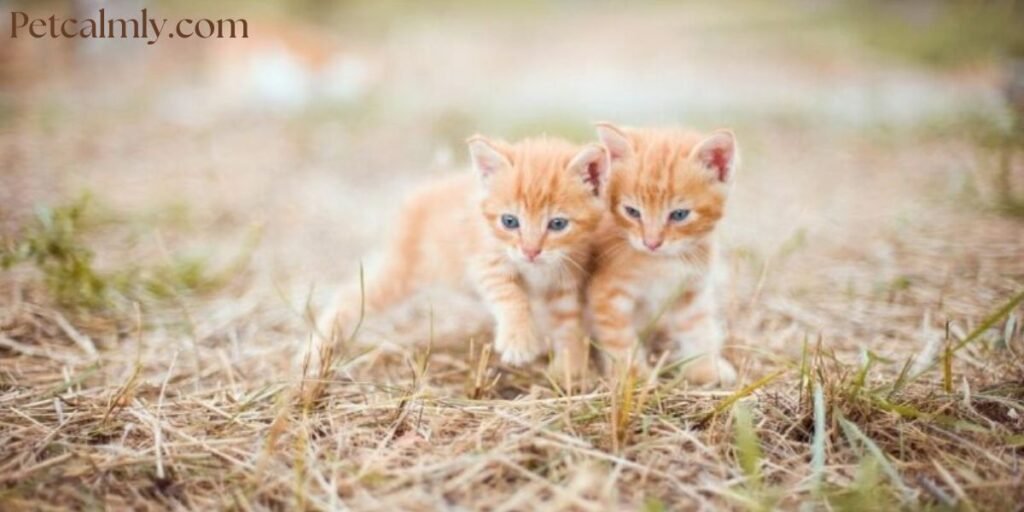
Signs That Cats Might Recognize Siblings
Positive signs include:
- Relaxed body language upon meeting (slow blinks, tail up)
- Mutual grooming or allogrooming
- Playing together without aggression
- Sleeping close or mirroring movements
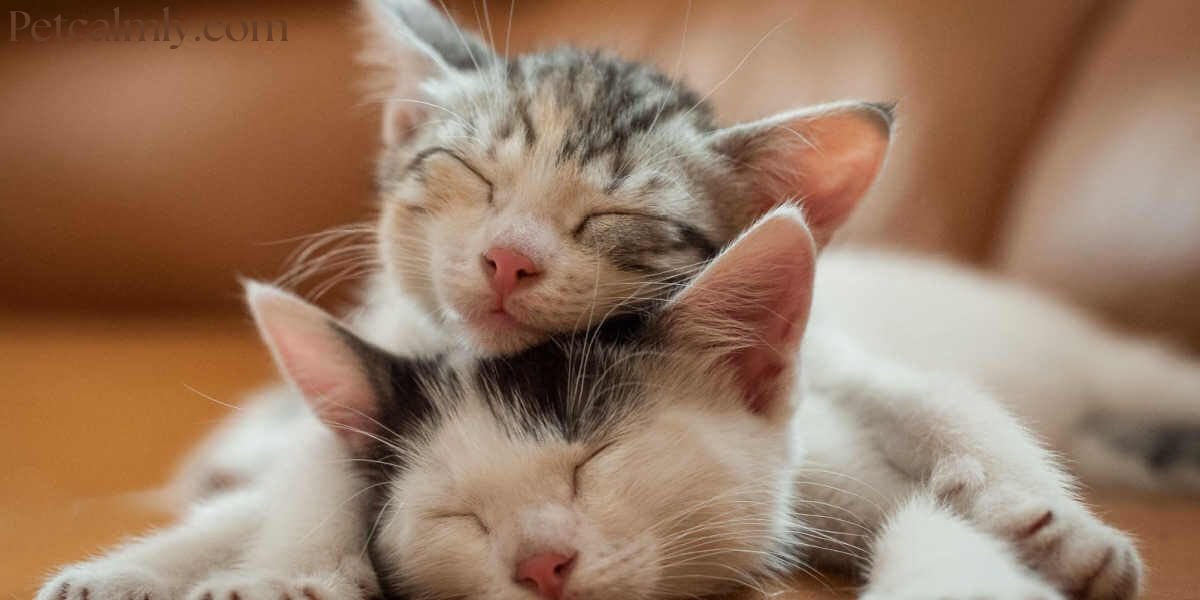
These indicate social bonding from shared history, not necessarily “sibling awareness.”
Negative or neutral signs:
- Hissing, swatting, or avoidance
- Staring or stalking
- Non-recognition aggression (common after vet visits when scent changes temporarily)
Even bonded pairs can show tension if one cat’s scent alters briefly.
Mini-story: Sarah adopted two littermates, Luna and Milo. They groomed each other daily and shared toys. When separated for boarding, they reunited calmly, rubbing cheeks right away. Their bond stayed strong because they grew up together.
Factors That Influence Sibling Recognition in Cats
Several elements play a role:
- Time spent together: Kittens staying with litter until 8–12 weeks form stronger memories.
- Age at separation: Early separation (before 8 weeks) often means quicker forgetting.
- Environment changes: New homes, diets, or neutering/spaying alter scents.
- Individual personality: Some cats are more social and bond easily; others prefer solitude.
Half-siblings or different-litter siblings rarely recognize each other without shared upbringing. They treat each other like any new cat.
When Should You Be Concerned?
Most sibling interactions are harmless, but watch for red flags.
Aggression during introductions signals stress, not failed recognition. Cats may view a “changed-scent” sibling as an intruder.
Signs to monitor:
- Persistent fighting, biting, or chasing
- One cat hiding or refusing food
- Excessive vocalizing or spraying
Sudden changes in bonded pairs like one becoming withdrawn could indicate health issues, not sibling problems.
If aggression escalates, separate them temporarily and reintroduce slowly. Consult a vet to rule out pain or illness.
Non-recognition aggression after vet visits is common but usually temporary. Use pheromone diffusers to help calm them.
What Should Pet Owners Do? Practical Tips
Support your cats’ social needs with these steps:
- Adopt littermates together when possible. They often form lifelong bonds and provide companionship.
- Introduce potential siblings slowly. Use separate rooms first, swap bedding for scent familiarization, then supervised meetings.
- Provide resources. Multiple litter boxes, food bowls, scratching posts, and high perches reduce competition.
- Encourage positive interactions. Play sessions with wand toys help burn energy and build trust.
- Use calming aids. Feliway diffusers mimic comforting pheromones during changes or reunions.
- Monitor health. Regular vet check-ups catch issues that affect behavior.
- Be patient. Some cats bond quickly; others need weeks or months.
For reunions, keep expectations realistic. Focus on creating new positive associations rather than expecting instant recognition.
More Information About Pets, Please Visit Our Website: Do Cats Remember Their Siblings When They Die?
Conclusion
Cats recognize familiar cats mainly through scent and shared experiences, not human-like family understanding. Littermates raised together often form strong, affectionate bonds that last. Separated siblings may remember each other briefly, but recognition usually fades over time.
The key takeaway: Focus on the bond your cat shares now, whether with a sibling or not. Provide a safe, enriched environment, and watch for their unique social cues. With patience and care, most cats thrive in multi-cat homes or as solo companions.
Your cat’s happiness comes from feeling secure and loved not from grasping sibling concepts. Enjoy the quirks and cuddles they offer every day.
Frequently Asked Questions
Do cats miss their siblings when separated?
Cats may show temporary signs like restlessness after leaving littermates, but they adapt quickly to new homes. They rarely “miss” siblings long-term in an emotional sense. Familiar scents trigger recognition, but daily life with you takes priority.
Can adult cats recognize littermates after years apart?
It’s unlikely after several years. Scent changes make old memories fade. Some reunions show positive reactions if separation was shorter, but most treat each other as new cats.
Should I adopt brother and sister cats together?
Yes, if possible. Littermates often stay bonded, offering mutual comfort and play. They reduce loneliness, though spaying/neutering is essential to prevent issues.
Why do sibling cats groom each other?
Grooming shows trust and social bonding. It’s common in cats raised together and strengthens their connection, similar to how they groom bonded non-relatives.
Do cats know if another cat is their half-sibling?
No, unless raised together. Half-siblings from different litters lack shared early scents and experiences, so they interact like strangers.
What if my sibling cats suddenly fight?
Redirect with play, ensure equal resources, and check for health problems. Temporary scent changes (like after vet visits) can cause confusion. Slow reintroduction often helps.