Short direct answer
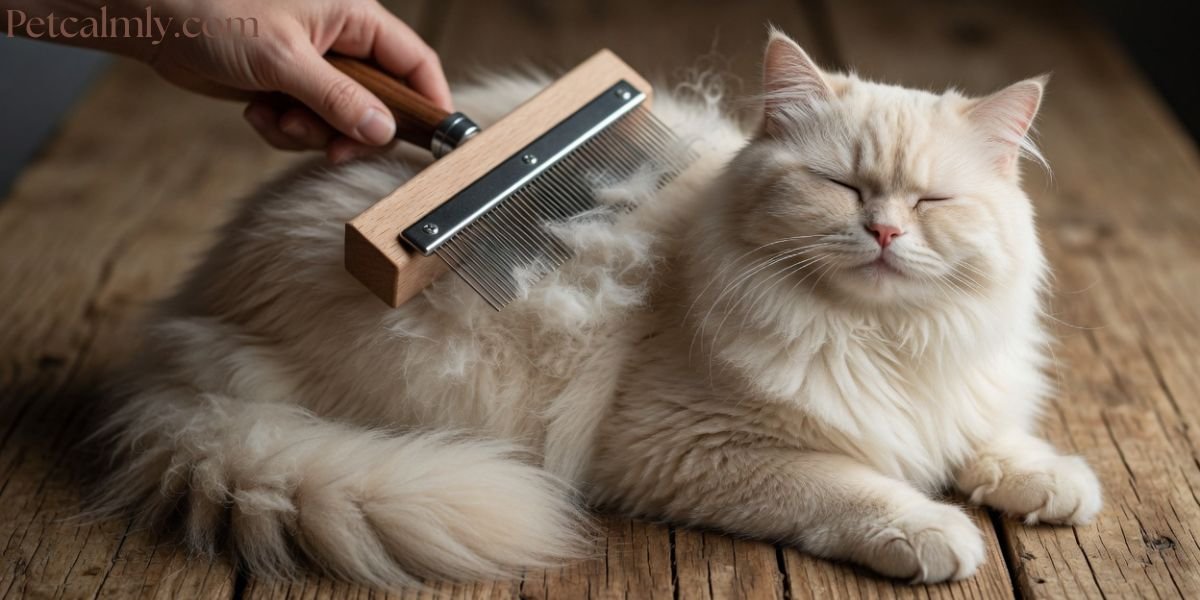
A professional cat grooming brush is a high-quality tool designed for effective, gentle coat care. It removes loose fur, prevents mats, reduces shedding, and promotes healthy skin often featuring durable bristles, rounded pins, or self-cleaning mechanisms that make daily grooming easier and more comfortable for both you and your cat.
Regular brushing with the right tool strengthens the bond between you and your feline friend while keeping their coat shiny and tangle-free. Many cat owners notice less hair on furniture and fewer hairballs after switching to a quality option.
Why Regular Grooming Matters for Your Cat
Cats spend a lot of time self-grooming, but they can’t always reach every spot or remove all dead hair. A professional cat grooming brush steps in as a helpful partner. It distributes natural oils, stimulates blood flow to the skin, and catches loose undercoat before it ends up on your clothes or in your cat’s stomach.
For indoor cats especially, brushing becomes essential. Without it, loose fur builds up, leading to more shedding around the house and potential digestive issues from swallowed hair. Think of it like brushing your own hair it feels good, looks better, and prevents problems down the line.
One owner shared how her Persian cat went from constant matting to a smooth, silky coat after consistent use of a proper brush. The difference was noticeable within just two weeks.
6 Types of Professional Cat Grooming Brushes
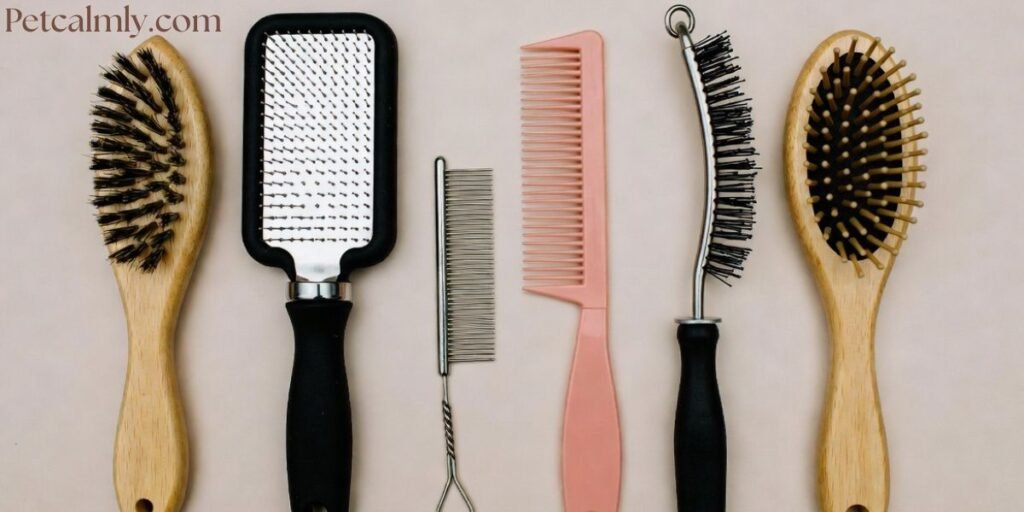
Professional cat grooming brushes come in several styles, each suited to different needs:
1: Slicker brushes: These have fine wire pins that excel at removing loose fur and small tangles. They work well for medium to long-haired cats. Look for versions with rounded tips to avoid scratching sensitive skin.
2: Pin and bristle combo brushes: Double-sided tools offer versatility one side with metal pins for detangling, the other with soft bristles for finishing and polishing the coat. These are popular for everyday use on both short and long coats.
3: Bristle brushes: Often made with natural boar bristles, these gently remove dirt and add shine. They’re ideal for short-haired cats or as a final step after a slicker.
4: Deshedding tools: These target the undercoat more aggressively. They help during heavy shedding seasons but should be used sparingly to avoid irritating the skin.
5: Rubber grooming gloves or curry brushes: Great for cats who dislike traditional brushes. The soft nubs massage while collecting hair perfect for sensitive or short-haired felines.
6: Self-cleaning slicker brushes: A favorite among busy owners. A simple button retracts the pins, making hair removal quick and mess-free.
High-quality professional options often include ergonomic handles for comfortable grip and durable materials that last through years of use.
How to Choose the Best Professional Cat Grooming Brush
Selecting the right professional cat grooming brush depends mainly on your cat’s coat type, age, and personality.
Start with coat length. Short-haired cats usually do well with a soft bristle or rubber brush. Medium or long-haired breeds, like Maine Coons or Ragdolls, benefit from slicker brushes or wide-tooth combs that reach deeper layers.
Consider skin sensitivity. Cats with delicate skin or older pets need gentler tools with rounded pins or flexible bristles. Always test on your arm first if it feels scratchy to you, it may bother your cat.
Handle comfort matters too, especially for frequent grooming. Look for non-slip grips and lightweight designs that won’t tire your hand.
Self-cleaning features save time and keep the brush hygienic. Brands like Safari, Hartz, or premium options from grooming specialists often include this handy function.
Budget plays a role, but investing in a durable professional cat grooming brush usually pays off. Cheap brushes can have sharp edges or break quickly, while quality ones feel smoother and last longer.
Benefits of Using a Professional Cat Grooming Brush
The advantages go beyond a pretty coat. Regular brushing with a good tool reduces hairballs by removing loose fur before your cat swallows it. It also minimizes shedding on furniture and clothing many owners report up to 50-70% less loose hair around the home.
Brushing improves skin health by removing dander and dirt while spreading protective oils. This can help reduce dryness, itchiness, and even minor allergies in the household.
It strengthens your relationship with your cat. Short, positive sessions turn grooming into bonding time. Some cats start purring or seeking out the brush once they associate it with comfort.
For long-haired cats, consistent use prevents painful mats that can lead to skin infections or require professional shaving. Early intervention keeps grooming stress-free.
In multi-cat homes, a professional brush helps manage overall fur buildup, making cleaning easier for everyone.
5 Signs Your Cat Needs More Grooming Attention
Watch for these clues that it’s time to reach for your professional cat grooming brush:
- Visible loose fur floating around or clinging to surfaces
- Small mats forming behind ears, under legs, or on the belly
- Increased hairballs on the floor
- Your cat scratching or biting at their coat more than usual
- Dull-looking fur despite a healthy diet
Short-haired cats may need brushing once or twice a week, while long-haired ones often benefit from daily or every-other-day sessions, especially during shedding seasons in spring and fall.
When Should You Be Concerned?
Most grooming issues are straightforward, but certain signs warrant a closer look or a vet visit.
If your cat suddenly resists brushing that they previously tolerated, it could indicate pain from hidden mats, skin irritation, or even arthritis. Excessive shedding beyond normal seasonal changes might point to stress, diet problems, or medical conditions like thyroid issues.
Bald patches, redness, sores, or unusual odors during grooming are red flags. Heavy matting that pulls on the skin can cause discomfort and infection risk.
Senior cats or those with health conditions may need gentler tools and shorter sessions. If grooming leads to aggression or hiding, pause and consult your veterinarian to rule out underlying problems.
Never force a matted cat severe mats often require professional grooming or sedation to avoid injury.
What Should Pet Owners Do? Practical Grooming Tips
Start slow if your cat is new to brushing. Begin with just a minute or two in a calm environment, perhaps after a meal when they’re relaxed. Offer treats and praise to create positive associations.
Always brush in the direction of hair growth. Use gentle strokes and avoid pulling. For tangled areas, work from the ends toward the roots with a wide-tooth comb first.
Make it a routine. Many owners brush during evening wind-down time. Keep sessions short and consistent quality matters more than duration.
Clean the brush after each use to prevent bacteria buildup. For self-cleaning models, simply push the button and wipe away hair.
Combine tools when needed. Use a slicker for loose fur, then finish with a bristle brush for shine. During heavy shedding, add a deshedding tool once or twice a week, but not daily.
For resistant cats, try a grooming glove while petting them normally. Many gradually accept full brushing this way.
Check your cat’s skin each time. Look for fleas, dryness, or lumps. Grooming doubles as a quick health check.
Store your professional cat grooming brush in a clean, dry place. Replace it when pins bend or bristles wear down.
6 Common Mistakes to Avoid
Many well-meaning owners make small errors that reduce effectiveness or stress their cats.
1: Using the wrong brush type tops the list. A slicker that works great on long hair can feel too harsh on a short-haired cat’s sensitive skin.
2: Brushing too aggressively or against the grain causes discomfort and can damage the coat. Always stay gentle.
3: Skipping regular sessions leads to buildup. Waiting until mats form makes grooming harder and less enjoyable.
4: Forgetting to clean the brush spreads dirt back onto the coat. A quick wipe after each use keeps it effective.
5: Ignoring your cat’s signals tail swishing, ears back, or walking away can damage trust. Stop immediately and try again later.
6: Over-relying on deshedding tools can strip too much undercoat and irritate skin if overused.
Conclusion
Choosing and using a quality professional cat grooming brush makes a real difference in your cat’s comfort, health, and appearance. The right tool removes loose hair efficiently, prevents mats, reduces hairballs, and turns grooming into enjoyable bonding time.
Match the brush to your cat’s coat and personality, start with short positive sessions, and stay consistent. With patience and the proper technique, most cats learn to tolerate or even enjoy regular grooming.
Invest in a durable, well-designed brush from a reputable brand. Your floors will stay cleaner, your cat will feel better, and you’ll both benefit from the extra closeness.
Take that first step today. Pick up a professional cat grooming brush suited to your feline friend and watch the positive changes unfold.
More Information About Pets, Please Visit Our Website: Best Cat Litter for Odor Control in 2026
Frequently Asked Questions
1: What makes a cat brush “professional” quality?
Professional cat grooming brushes use better materials, rounded pins, ergonomic designs, and often self-cleaning features. They last longer and perform more gently than basic store brushes.
2: How often should I use a professional cat grooming brush?
Short-haired cats usually need 1-2 sessions per week. Long-haired or heavy shedders benefit from daily or every-other-day brushing, especially in shedding season. Adjust based on your cat’s coat and response.
3: Can a professional cat grooming brush help with hairballs?
Yes. By removing loose fur before your cat licks it up, regular brushing significantly reduces hairball formation and related vomiting.
4: Is it safe to use a slicker brush on short-haired cats?
It can be, if the brush has fine, rounded pins and you use very light pressure. Many short-haired cats prefer softer bristle or rubber brushes instead. Always monitor your cat’s comfort.
5: What’s the best professional cat grooming brush for long-haired cats?
A slicker brush combined with a wide-tooth metal comb often works best. Self-cleaning slickers make the process easier for thick, prone-to-matting coats.
6: How do I introduce my cat to a new grooming brush?
Start with very short sessions while offering treats. Let your cat sniff the brush first. Brush gently in favorite areas like the head or back, and stop before they show signs of annoyance. Consistency builds acceptance over time.