Short direct answer
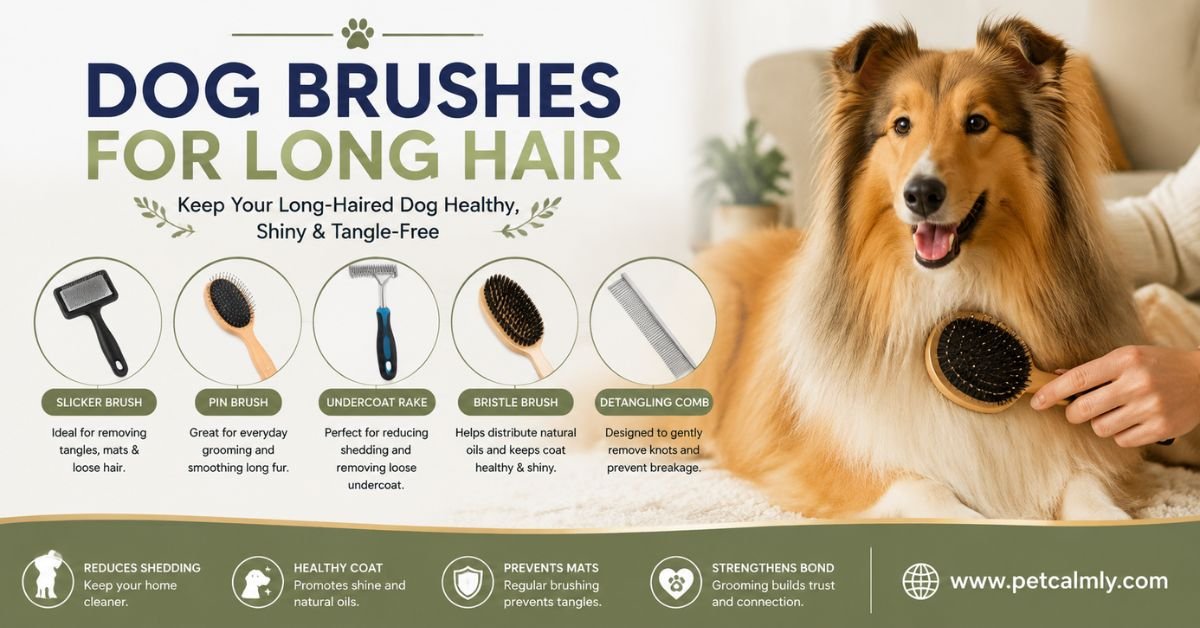
The best dog brushes for long hair remove loose fur, prevent painful mats, distribute natural skin oils, and keep your dog’s coat healthy without damaging the hair. Most long-haired dogs benefit from using more than one grooming tool. A slicker brush is ideal for removing tangles and loose undercoat, while a metal comb helps find hidden knots. Dogs with thick double coats may also need an undercoat rake during seasonal shedding. Regular brushing typically three to five times per week keeps the coat comfortable, reduces shedding around your home, and gives you a chance to spot skin problems early.
Introduction
A beautiful long coat is one of the most striking features of many dog breeds. Whether your companion has silky flowing hair, a thick double coat, or soft feathering around the legs and tail, that luxurious fur requires regular care to stay healthy.
Without consistent grooming, loose hair quickly turns into tangles. Those tangles tighten into mats, pulling painfully on the skin every time your dog moves. Mats can trap moisture, dirt, burrs, and parasites, sometimes leading to skin irritation or infection. Fortunately, the right brush—and the right brushing technique—can prevent these problems before they start.
Choosing among the many dog brushes for long hair can feel overwhelming. Slicker brushes, pin brushes, undercoat rakes, de-shedding tools, grooming gloves, and combs all promise professional results. The truth is that no single brush works perfectly for every coat type. The best choice depends on your dog’s hair texture, coat density, shedding level, and grooming routine.
This guide explains how long-haired coats work, why regular brushing matters, and how to choose the right grooming tools for your dog’s specific needs. Whether you’re caring for a playful puppy or an older dog with a mature coat, you’ll learn practical techniques that make grooming easier and more comfortable for both of you.
Understanding Long-Haired Dog Coats
Not all long-haired dogs have the same type of coat. Understanding your dog’s coat helps you choose the right grooming routine and avoid unnecessary frustration.
Single Coat vs. Double Coat
One of the biggest differences among long-haired breeds is whether they have a single or double coat.
Single-Coated Dogs
Single-coated breeds have one layer of hair that continues growing over time. Their coats often appear silky or soft and usually require regular trimming.
Examples include:
- Yorkshire Terriers
- Maltese
- Afghan Hounds
- Shih Tzus
- Lhasa Apsos
These dogs are especially prone to tangles because their hair grows continuously.
Double-Coated Dogs
Double-coated breeds have:
- A soft insulating undercoat
- A protective outer coat made of longer guard hairs
Examples include:
- Golden Retrievers
- Border Collies
- Rough Collies
- Australian Shepherds
- Samoyeds
These coats shed seasonally and often require deeper brushing to remove loose undercoat before it forms mats.
Coat Texture Matters
Hair texture changes which brush performs best.
Common coat textures include:
- Silky
- Straight
- Wavy
- Curly
- Thick
- Fine
- Dense
- Feathered
For example, a silky-coated dog benefits from gentle brushing that avoids breaking delicate hairs, while a dense double coat often requires tools that can reach the undercoat without scratching the skin.
Areas That Tangle Most Easily
Even dogs that receive regular brushing can develop mats in hidden areas.
Pay extra attention to:
- Behind the ears
- Under the collar
- Armpits
- Chest
- Belly
- Tail base
- Feathering on the legs
- Between the hind legs
Checking these spots during every grooming session prevents small tangles from becoming painful mats.
Why Regular Brushing Is Essential for Long-Haired Dogs
Brushing is about much more than appearance. It supports your dog’s comfort, skin health, and overall well-being.
Prevents Painful Mats
Mats tighten over time.
As your dog walks, runs, or lies down, matted hair pulls against the skin. Severe mats may even restrict movement or hide wounds beneath the coat.
Removing small tangles early is far easier and much less stressful than shaving off heavily matted fur.
Reduces Shedding Around the Home
Long-haired dogs naturally shed loose hairs.
When those hairs stay trapped in the coat, they eventually fall onto furniture, carpets, and clothing.
Regular brushing removes loose fur before it spreads throughout your home.
Supports Healthy Skin
Brushing stimulates the skin and helps distribute natural oils throughout the coat.
Benefits include:
- Softer fur
- Better shine
- Reduced dryness
- Improved coat condition
Healthy skin also provides a stronger barrier against environmental irritants.
Helps Detect Health Problems Early
Grooming sessions allow owners to examine areas that aren’t normally visible.
You may notice:
- Lumps
- Ticks
- Fleas
- Hot spots
- Cuts
- Skin infections
- Dry patches
- Unusual odors
Early detection allows you to seek veterinary advice before minor issues become more serious.
Strengthens Your Bond
Many dogs learn to enjoy grooming when introduced gradually with patience and positive reinforcement.
Regular brushing can become:
- A calming routine
- Quality one-on-one time
- A trust-building activity
- Mental enrichment for your dog
Even energetic dogs often become more relaxed after consistent grooming sessions.
Signs Your Dog Needs More Frequent Brushing
Every dog has different grooming needs.
Your dog may need brushing more often if you notice:
- Small tangles forming daily
- Hair collecting under furniture
- Mats behind the ears
- Loose fur falling out in clumps
- Dirt trapped in the coat
- Leaves or burrs sticking to the hair
- Increased scratching due to trapped debris
- A dull-looking coat
Rather than waiting until mats become obvious, frequent light brushing usually keeps grooming easier.
Types of Dog Brushes for Long Hair
Different grooming tools solve different problems. Understanding how each one works helps you build a grooming kit that suits your dog’s coat.
Slicker Brushes for Long-Haired Dogs
A slicker brush is often considered the most versatile grooming tool for long-haired breeds.
It features:
- Fine wire pins
- Slightly angled bristles
- A flat or curved head
Best For
- Daily grooming
- Removing loose fur
- Preventing tangles
- Breaking apart small mats
- Fluffing the coat
Advantages
- Reaches deep into dense coats
- Removes trapped hair efficiently
- Improves coat volume
- Works well for many long-haired breeds
Use With Care
Avoid pressing hard against the skin.
Gentle strokes prevent scratching while still removing loose hair effectively.
Pin Brushes
Pin brushes resemble human hairbrushes.
They have rounded metal pins that glide smoothly through longer hair.
Best For
- Silky coats
- Feathered coats
- Finishing after brushing
- Daily maintenance
Advantages
- Gentle on delicate hair
- Adds shine
- Reduces static
- Helps smooth the coat
Although pin brushes are excellent for maintenance, they usually cannot remove deep mats by themselves.
Metal Combs
A stainless steel grooming comb is one of the most valuable finishing tools.
Many feature:
- Wide teeth
- Fine teeth
- Dual-sided design
Best For
- Finding hidden tangles
- Checking grooming quality
- Sensitive areas
- Facial hair
- Leg feathering
Professional groomers often finish every brushing session with a metal comb because it reveals knots a brush may miss.
Undercoat Rakes
Dogs with thick double coats often trap loose undercoat beneath the surface.
An undercoat rake reaches this hidden layer.
Best For
- Heavy seasonal shedding
- Thick coats
- Dense undercoats
- Preventing undercoat mats
Advantages
- Removes trapped undercoat
- Improves airflow
- Reduces shedding
- Helps prevent compacted fur
Owners should use undercoat rakes carefully and avoid excessive grooming, which may damage the protective outer coat.
De-Shedding Tools
De-shedding tools remove loose undercoat more aggressively than standard brushes.
These tools are useful during heavy shedding seasons but should not replace regular brushing.
Best For
- Spring shedding
- Fall coat changes
- Heavy undercoat removal
Overusing these tools may thin the coat, so follow the manufacturer’s instructions and use them only as needed.
Grooming Gloves
Some dogs dislike traditional brushes.
Grooming gloves provide a gentler introduction.
Best For
- Nervous dogs
- Puppies
- Short daily grooming sessions
- Bonding
They remove surface hair but cannot replace deeper grooming tools for long-haired coats.
Dematting Tools
Sometimes mats become too tight for standard brushes.
Dematting tools are designed to safely split stubborn tangles before brushing them out.
Important Safety Note
Never pull hard on a mat.
If a mat is tight against the skin or covers a large area, it’s safer to seek help from a professional groomer or your veterinarian rather than attempting to remove it yourself.
Which Dogs Benefit Most from Long-Hair Grooming Brushes?
Many breeds require consistent brushing to maintain healthy coats.
Common examples include:
| Breed | Grooming Need | Recommended Tools |
|---|---|---|
| Golden Retriever | Heavy shedding | Slicker brush, undercoat rake, metal comb |
| Rough Collie | Thick double coat | Slicker brush, rake, comb |
| Afghan Hound | Long silky coat | Pin brush, metal comb |
| Shih Tzu | Continuous hair growth | Slicker brush, pin brush, comb |
| Yorkshire Terrier | Fine silky hair | Pin brush, comb |
| Maltese | Long flowing coat | Pin brush, slicker brush, comb |
| Australian Shepherd | Seasonal shedding | Slicker brush, undercoat rake |
| Bernese Mountain Dog | Dense long coat | Slicker brush, rake, comb |
These breeds often benefit from brushing several times each week, though the ideal schedule depends on coat condition, activity level, and how quickly tangles develop.
How to Choose the Best Dog Brushes for Long Hair
Choosing the right grooming tool isn’t about buying the most expensive brush. It’s about matching the brush to your dog’s coat type, grooming habits, and comfort level. Many professional groomers use two or three tools during a single session because each serves a different purpose.
If you’re building your first grooming kit, start with a quality slicker brush and a stainless steel comb. You can add specialized tools later if your dog’s coat needs extra care.
Match the Brush to Your Dog’s Coat Type
Silky Coats
Dogs with silky coats have fine hair that tangles easily but usually doesn’t have a thick undercoat.
Examples include:
- Yorkshire Terriers
- Maltese
- Shih Tzus
- Afghan Hounds
Best grooming tools:
- Pin brush
- Soft slicker brush
- Stainless steel comb
Avoid aggressive de-shedding tools, which may damage delicate hair.
Thick Double Coats
Double-coated breeds have a dense undercoat beneath longer guard hairs.
Examples include:
- Golden Retrievers
- Rough Collies
- Australian Shepherds
- Samoyeds
Best grooming tools:
- Slicker brush
- Undercoat rake
- Metal comb
During heavy shedding seasons, an occasional de-shedding tool may also help remove loose undercoat.
Curly or Wavy Coats
Curly coats trap loose hair instead of letting it fall naturally, making regular brushing especially important.
Examples include:
- Goldendoodles
- Labradoodles
- Poodles
Best grooming tools:
- Slicker brush
- Long-pin brush
- Stainless steel comb
Curly coats should always be brushed thoroughly before bathing, as water can tighten existing tangles.
Feathered Coats
Some breeds develop long feathering around the ears, legs, chest, and tail.
These areas require extra attention because they collect dirt, burrs, and small tangles more easily.
A combination of a pin brush and metal comb usually works well.
Features to Look for in a High-Quality Dog Brush
Not all grooming brushes are made equally. Paying attention to a few key features can make grooming easier for both you and your dog.
Comfortable Handle
A non-slip ergonomic handle helps reduce hand fatigue during longer grooming sessions.
This is especially helpful if your dog has a large or dense coat that takes more time to brush.
Flexible Brush Head
Some slicker brushes have flexible heads that adjust to your dog’s body shape.
This helps reduce pressure on sensitive areas while improving comfort.
Rounded or Coated Pins
Rounded pin tips glide more gently across the skin and are less likely to cause irritation.
Sharp or poorly finished pins may scratch the skin, especially if too much pressure is applied.
Durable Construction
Look for:
- Strong metal pins
- Secure brush head
- Quality materials
- Easy-to-clean design
A well-made grooming brush can last for years with proper care.
Step-by-Step Guide to Brushing a Long-Haired Dog
Brushing isn’t simply running a brush over the top of the coat. Proper technique reaches every layer without causing discomfort.
Step 1: Let Your Dog Relax
Choose a quiet place where your dog feels comfortable.
You can help create a positive experience by:
- Offering treats
- Speaking calmly
- Keeping sessions short
- Allowing breaks when needed
If your dog is nervous, begin with just a few minutes each day.
Step 2: Check for Mats First
Before brushing, gently run your hands through the coat.
Look for tangles around:
- Behind the ears
- Under the collar
- Armpits
- Belly
- Tail
- Legs
Small mats are much easier to remove than large, tightly packed ones.
Step 3: Brush in Sections
Divide the coat into manageable areas.
For example:
- Neck
- Shoulders
- Chest
- Back
- Sides
- Belly
- Legs
- Tail
Working methodically helps ensure no areas are missed.
Step 4: Use the Line Brushing Technique
Professional groomers often recommend line brushing for long-haired breeds.
Here’s how:
- Lift a layer of hair.
- Brush the hair beneath it.
- Lower another small section.
- Repeat until you’ve brushed the entire coat.
This method reaches the undercoat rather than only smoothing the surface.
Step 5: Finish with a Metal Comb
After brushing, run a stainless steel comb through the coat.
If the comb catches anywhere, there’s still a tangle that needs attention.
Many owners skip this step, but it’s one of the best ways to prevent hidden mats.
Step 6: Reward Your Dog
Always end grooming on a positive note.
Offer:
- Praise
- Gentle petting
- A favorite treat
- A short play session
Positive reinforcement helps your dog associate brushing with enjoyable experiences.
How Often Should You Brush a Long-Haired Dog?
The ideal brushing schedule depends on coat type, lifestyle, and shedding level.
| Coat Type | Recommended Brushing |
|---|---|
| Long silky coat | Daily or every other day |
| Thick double coat | 3–5 times weekly |
| Curly coat | Daily or at least 4–5 times weekly |
| Moderate feathering | 2–3 times weekly |
| Heavy seasonal shedding | Daily during shedding season |
Dogs that swim frequently or spend time hiking may need additional grooming because dirt and debris become trapped in the coat.
Seasonal Grooming Tips
Your dog’s coat changes throughout the year, so your grooming routine should change too.
Spring
Many double-coated breeds “blow” their undercoat in spring.
Increase brushing frequency to remove loose hair before it mats.
Summer
Regular brushing improves airflow through the coat.
Contrary to popular belief, most double-coated dogs should not be shaved unless advised by a veterinarian or professional groomer.
Their outer coat helps regulate body temperature and protects against sun exposure.
Autumn
Many breeds experience another shedding cycle as colder weather approaches.
Continue regular brushing to remove loose undercoat.
Winter
Snow, mud, and moisture can become trapped in long fur.
Check:
- Paw feathers
- Belly hair
- Leg feathering
Dry the coat thoroughly after walks to prevent tangles and skin irritation.
Common Grooming Mistakes to Avoid
Even well-meaning owners sometimes develop habits that make grooming less effective—or even uncomfortable for their dogs.
Only Brushing the Top Layer
A shiny surface coat can hide dense mats underneath.
Always brush down to the skin using the line brushing technique.
Pulling Through Tangles
Never yank a brush through a knot.
Instead:
- Hold the hair near the skin to reduce pulling.
- Gently work from the ends toward the base.
- Use a detangling spray if appropriate.
- Seek professional help for severe mats.
Bathing Before Removing Mats
Water tightens existing tangles, making them harder to remove.
Brush thoroughly before every bath.
Using the Wrong Brush
A grooming glove works well for removing loose surface hair but won’t effectively groom a thick double coat.
Matching the tool to your dog’s coat is one of the biggest factors in successful grooming.
Brushing Too Aggressively
Firm brushing doesn’t remove more hair—it simply increases the risk of skin irritation.
Use slow, gentle strokes with light pressure.
Ignoring Sensitive Areas
Mats often develop where owners least expect them.
Remember to brush:
- Behind ears
- Armpits
- Groin
- Tail base
- Chest
- Under the collar
Signs Your Current Brush Isn’t Working
If you notice any of the following, it may be time to switch brushes or adjust your grooming routine.
- Mats keep returning.
- The brush barely reaches the undercoat.
- Your dog becomes uncomfortable during brushing.
- Loose hair remains after grooming.
- The coat still looks tangled.
- The comb catches repeatedly after brushing.
A combination of tools often provides better results than relying on one brush alone.
Dog Brush Comparison Table
| Brush Type | Best For | Removes Mats | Removes Loose Hair | Daily Use |
|---|---|---|---|---|
| Slicker Brush | Most long-haired breeds | ✔ Yes | ✔ Excellent | ✔ Yes |
| Pin Brush | Silky coats | Limited | Moderate | ✔ Yes |
| Metal Comb | Finishing and checking | ✔ Small tangles | Moderate | ✔ Yes |
| Undercoat Rake | Double coats | Moderate | ✔ Excellent | Weekly or seasonal |
| De-shedding Tool | Heavy shedding | No | ✔ Excellent | Occasional |
| Grooming Glove | Nervous dogs | No | Light | ✔ Yes |
Creating a Simple Home Grooming Kit
You don’t need dozens of tools to keep your dog’s coat healthy.
A practical grooming kit includes:
- ✔ Slicker brush
- ✔ Stainless steel comb
- ✔ Undercoat rake (for double-coated breeds)
- ✔ Detangling spray
- ✔ Grooming scissors with rounded tips (for experienced users only)
- ✔ High-quality dog shampoo
- ✔ Absorbent microfiber towel
- ✔ Nail clippers or grinder
- ✔ Ear-cleaning solution recommended for dogs
Keeping your grooming supplies organized makes regular maintenance much easier and encourages consistency.
Keeping Grooming Sessions Stress-Free
Some dogs love brushing, while others need time to build confidence.
To help your dog enjoy grooming:
- Start with short sessions of 5–10 minutes.
- Brush after exercise when your dog is calmer.
- Use treats and praise generously.
- Avoid forcing your dog to stay still.
- Take breaks if they become restless.
- Introduce new tools gradually.
- End each session on a positive note.
With patience and routine, many dogs come to see grooming as relaxing one-on-one time with their owner.
When Should You Seek Professional Grooming?
Home grooming is enough for many dogs, but there are times when professional help is the safest choice. A skilled groomer has the tools and experience to handle difficult coats while keeping your dog comfortable.
Consider booking a professional grooming appointment if your dog has:
- Large or tightly packed mats
- A coat that hasn’t been brushed for several weeks or months
- Hair blocking the eyes
- Severe tangles around sensitive areas
- Thick seasonal undercoat that won’t brush out
- Anxiety that makes home grooming unsafe
Professional groomers can also provide breed-specific trims that are difficult to achieve at home.
Tip: If mats are tight against the skin, avoid cutting them with scissors. The skin often gets pulled into the mat, making accidental injuries more likely.
When Should You Contact Your Veterinarian?
Brushing is a great opportunity to check your dog’s skin and overall condition. While minor tangles are normal, some findings deserve veterinary attention.
Contact your veterinarian if you notice:
- Red or inflamed skin
- Open sores
- Bleeding
- A foul odor coming from the coat
- Hair loss in patches
- Persistent itching
- Lumps or unusual growths
- Parasites that don’t improve with treatment
- Signs of pain when touched
These symptoms may indicate allergies, skin infections, parasites, hormonal conditions, or other health concerns that require medical evaluation.
Grooming Tips for Puppies
Introducing grooming early helps puppies develop lifelong positive habits.
Start Slowly
During the first few weeks:
- Let your puppy sniff each grooming tool.
- Brush for just a few minutes.
- Reward calm behavior immediately.
Short, positive sessions build confidence much faster than long grooming sessions.
Handle Paws, Ears, and Tail
Even if you’re only brushing the coat, gently touching your puppy’s:
- Feet
- Ears
- Tail
- Belly
helps prepare them for future nail trims, veterinary visits, and professional grooming appointments.
Keep the Experience Positive
Never punish a puppy for moving during grooming.
Instead:
- Use treats.
- Speak calmly.
- End before they become overwhelmed.
Consistency matters more than long sessions.
Grooming Tips for Senior Dogs
Older dogs may need extra patience during grooming because of arthritis, reduced mobility, or sensitive skin.
Helpful adjustments include:
- Shorter grooming sessions
- Soft bedding or a non-slip mat
- Frequent breaks
- Gentle brushing pressure
- Extra support when standing
If your senior dog struggles to stand comfortably, ask your veterinarian or groomer for recommendations that reduce physical strain.
How Nutrition Supports a Healthy Coat
Even the best dog brushes for long hair can’t make up for poor coat health caused by inadequate nutrition.
A healthy coat starts from the inside.
Important nutrients include:
- High-quality protein
- Omega-3 fatty acids
- Omega-6 fatty acids
- Vitamin E
- Zinc
- Biotin (when appropriate)
Fresh water is equally important, as dehydration can contribute to dry skin and a dull coat.
If your dog’s coat suddenly becomes brittle, thin, or excessively dry, consult your veterinarian before adding supplements.
Lifestyle Habits That Help Keep Long Coats Healthy
Brushing is only one part of good coat care. Everyday habits also make a difference.
Dry the Coat Thoroughly
After swimming or bathing, dry the coat completely, especially:
- Under the legs
- Belly
- Behind the ears
- Tail
Damp fur can encourage tangles and skin irritation.
Remove Debris After Walks
Long-haired dogs often collect:
- Grass seeds
- Burrs
- Twigs
- Leaves
- Mud
Removing debris promptly prevents knots from forming.
Wash Bedding Regularly
Clean bedding helps reduce dirt, loose hair, and allergens that can stick to your dog’s coat.
Check the Collar Area
Hair beneath collars and harnesses mats easily due to constant friction.
Remove collars during grooming so you can brush these hidden areas thoroughly.
Dog Brush Maintenance Tips
A dirty brush is less effective and can transfer dirt back into your dog’s coat.
After each grooming session:
- Remove trapped hair.
- Wash brushes periodically with warm water and mild soap.
- Let tools dry completely before storing them.
- Replace bent or damaged brushes when needed.
Keeping your grooming tools clean helps them last longer and improves grooming results.
Quick Checklist for Brushing Long-Haired Dogs
Use this checklist to keep your grooming routine consistent:
✔ Brush before bathing.
✔ Work in small sections.
✔ Use gentle strokes.
✔ Check behind the ears.
✔ Brush under the legs.
✔ Examine the belly.
✔ Finish with a metal comb.
✔ Reward your dog after grooming.
✔ Clean brushes after use.
✔ Watch for skin changes.
Frequently Asked Questions
1. What is the best type of brush for a long-haired dog?
A slicker brush is the best all-around choice for most long-haired dogs because it removes loose hair, prevents tangles, and reaches deeper into the coat. Pairing it with a stainless steel comb helps catch hidden knots that a brush may miss.
2. How often should I brush my long-haired dog?
Most long-haired dogs benefit from brushing three to five times a week. Dogs with silky or curly coats often need daily brushing, while heavy double-coated breeds may require extra grooming during seasonal shedding.
3. Can I use a human hairbrush on my dog?
It’s generally not recommended. Human hairbrushes are designed for different hair textures and may not reach your dog’s undercoat or safely remove tangles. Brushes made specifically for dogs provide better results and are less likely to irritate the skin.
4. Should I brush my dog before or after a bath?
Always brush before bathing whenever possible. Water tightens existing mats, making them more difficult and sometimes painful to remove after the coat dries.
5. Why does my dog still shed after brushing?
Brushing removes loose hair, but shedding is a natural process. Dogs with double coats often continue shedding during seasonal coat changes. Regular brushing reduces loose fur around the home but won’t completely stop normal shedding.
6. What should I do if my dog has severe mats?
Avoid pulling hard or cutting close to the skin with household scissors. Large or tight mats should be removed by a professional groomer or veterinarian to prevent accidental injury.
Common Mistakes New Dog Owners Make
If you’re new to grooming a long-haired dog, you’re not alone. These are some of the most common mistakes beginners make:
- Waiting until tangles become mats
- Brushing only when the dog is shedding heavily
- Buying one brush and expecting it to do every job
- Skipping hidden areas like armpits and behind the ears
- Brushing too quickly
- Forgetting to reward calm behavior
- Bathing before removing tangles
- Ignoring early signs of skin irritation
Small improvements to your routine can make grooming easier and more enjoyable over time.
More Information About Pets, Please Visit Our Website
To help readers continue learning, naturally link this article to related resources on your website, such as:
- Best Dog Hair Removal Products
- Dog Coat Care Products
- Dog Pheromone Diffuser for Peeing in House
- Last Days of Dog with Kidney Failure Symptoms
- Best Dog Shampoos for Sensitive Skin
These related articles can help build topical authority while guiding readers to additional helpful information.
Conclusion
Choosing the right dog brushes for long hair is one of the simplest ways to keep your dog’s coat healthy, comfortable, and free from painful mats. While no single brush suits every breed, understanding your dog’s coat type makes it much easier to select the right combination of grooming tools.
Regular brushing does more than improve appearance. It helps distribute natural oils, reduces shedding, improves skin health, and gives you a chance to spot potential problems before they become serious. Whether your dog has a silky flowing coat, a thick double coat, or soft feathering, a consistent grooming routine supports their comfort and overall well-being.
Remember that grooming should never feel like a struggle. Start with short, positive sessions, use gentle techniques, and choose tools that match your dog’s individual needs. If you encounter severe mats, skin problems, or signs of discomfort, don’t hesitate to seek help from a professional groomer or your veterinarian.
With patience, the right grooming tools, and a little consistency, brushing can become more than a maintenance task it can become a relaxing routine that strengthens the bond between you and your dog while keeping their beautiful long coat in excellent condition.