Short direct answer
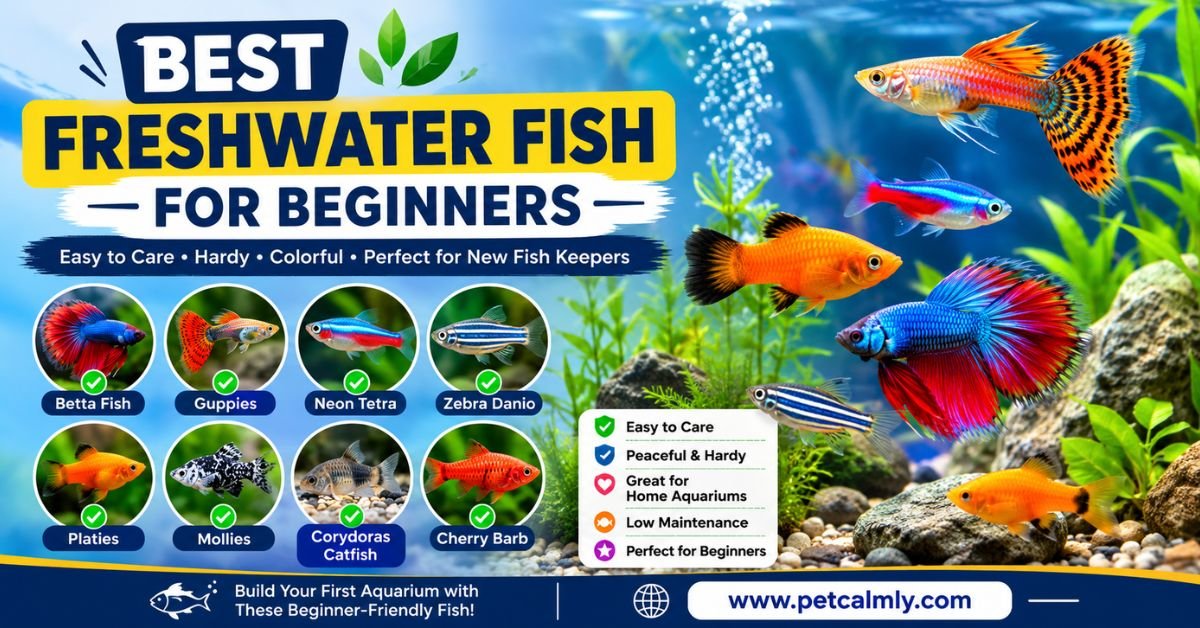
The best freshwater fish for beginners are guppies, cherry barbs, corydoras catfish, platies, white cloud mountain minnows, and bettas, because they tolerate minor water fluctuations, adapt well to smaller tanks, and don’t demand advanced equipment. If you want the single most forgiving option, a betta fish in a filtered, heated 5-gallon-or-larger tank is usually the easiest starting point. For a peaceful community tank, guppies and corydoras together are a combination that rarely goes wrong.
That’s the short version. Now let’s get into what actually matters the part most care guides skip.
Why Fish Choice Trips Up So Many First-Time Owners
Most beginner aquarium mistakes don’t come from picking a “bad” fish. They come from picking a fish that doesn’t match the tank, the water, or the owner’s patience level.
It tends to happen the same way over and over: someone buys a small tank, adds a school of neon tetras because they’re pretty, and within two weeks half the fish are gone. The fish weren’t the problem. An uncycled tank was.
So before we talk species, it helps to understand what “beginner-friendly” actually means in fishkeeping terms. A beginner-friendly fish should:
- Tolerate small swings in ammonia, nitrite, or temperature without dying
- Adjust to a range of water hardness and pH, not just one narrow window
- Eat a basic flake or pellet diet without special feeding schedules
- Stay a manageable size for a small-to-medium tank
- Show visible, easy-to-read signs of stress or illness before things become serious
Fish that fail on these points like discus, certain rainbowfish, or wild-caught species aren’t bad fish. They’re just not forgiving of a learning curve, and beginners deserve fish that leave room for mistakes.
The Best Freshwater Fish for Beginners (Ranked by Ease of Care)
1. Betta Fish (Betta splendens)
Bettas get a bad reputation from being sold in tiny cups, but a properly housed betta is genuinely one of the easiest fish to keep. They breathe atmospheric air using a labyrinth organ, which gives them more tolerance for lower oxygen levels than most fish.
What makes them beginner-friendly: They’re hardy, don’t need a huge tank, and have big, expressive personalities that make fishkeeping feel personal rather than like maintaining a machine.
What beginners get wrong: Housing them in unheated bowls. Bettas are tropical fish and need stable temperatures between 76–80°F (24–27°C). A cold, fluctuating tank stresses them far more than most owners realize.
Tank mates: Best kept alone or with very calm bottom-dwellers like snails. Avoid fin-nippers like tiger barbs.
2. Guppies (Poecilia reticulata)
Guppies are often the first fish recommended to beginners, and for good reason — they’re active, colorful, and adapt to a wide pH and hardness range.
What makes them beginner-friendly: They reproduce easily (which teaches new owners a lot about fish behavior), eat almost anything, and rarely show aggression.
What beginners get wrong: Not accounting for how fast guppies breed. A tank of five guppies can become twenty within a couple of months if males and females are housed together.
3. Corydoras Catfish
Corydoras are bottom-dwelling scavengers that stay small, are peaceful with nearly everything, and add real personality to a tank without competing for space at the surface.
What makes them beginner-friendly: They’re social but low-maintenance, and their calm temperament makes them a safe addition to almost any community setup.
What beginners get wrong: Keeping only one. Corydoras are shoaling fish and get visibly stressed when kept alone — aim for a group of at least five to six.
4. Platies
Platies are close relatives of guppies but slightly hardier and less prone to overbreeding chaos.
What makes them beginner-friendly: Excellent water tolerance, calm temperament, and a manageable adult size around 2–2.5 inches.
What beginners get wrong: Overcrowding. Platies do best with roughly one inch of adult fish per gallon as a loose starting guideline, adjusted for filtration and tank shape.
5. White Cloud Mountain Minnows
Often overlooked, these are one of the few beginner fish that don’t even require a heater in most homes, since they tolerate cooler water naturally.
What makes them beginner-friendly: Extremely hardy, inexpensive, and forgiving of temperature swings a rare trait among tropical community fish.
What beginners get wrong: Assuming they need the same warm-water setup as tetras or guppies. They actually prefer slightly cooler conditions, around 64–72°F (18–22°C).
6. Cherry Barbs
A calmer alternative to tiger barbs, cherry barbs are peaceful schooling fish with a striking red color in mature males.
What makes them beginner-friendly: Unlike many barb species, they rarely nip fins, which makes them safer in mixed community tanks.
What beginners get wrong: Keeping too few. Like corydoras, they’re shoaling fish and become skittish or stressed in groups smaller than six.
Comparison Table: Best Beginner Freshwater Fish at a Glance
| Fish | Min. Tank Size | Temperament | Care Level | Avg. Lifespan |
|---|---|---|---|---|
| Betta | 5 gallons | Semi-aggressive (solo) | Easy | 2–4 years |
| Guppy | 10 gallons | Peaceful | Very Easy | 2–3 years |
| Corydoras | 15–20 gallons | Peaceful, social | Easy | 5+ years |
| Platy | 10 gallons | Peaceful | Very Easy | 3–4 years |
| White Cloud Minnow | 10 gallons | Peaceful | Very Easy | 3–5 years |
| Cherry Barb | 15 gallons | Peaceful, schooling | Easy | 4–6 years |
These numbers are general guidelines, not strict rules actual stocking depends on filtration strength, tank shape, and how heavily planted the setup is.
Setting Up a Tank That Actually Supports These Fish
Choosing the right fish only solves half the problem. The other half is giving them an environment where they can actually thrive, not just survive.
Cycling Your Tank Before Adding Fish
This is the single most skipped step, and it’s the reason so many beginner fish die in the first two weeks. An uncycled tank has no beneficial bacteria to break down ammonia from fish waste, so toxins build up fast.
A basic fishless cycle takes about 4–6 weeks and involves adding an ammonia source and monitoring bacteria growth with a liquid test kit until ammonia and nitrite both read zero and nitrate is present. If you’ve already added fish to an uncycled tank, don’t panic do smaller, more frequent water changes (around 25% every 1–2 days) until levels stabilize, and hold off on adding more fish.
Water Parameters Most Beginner Fish Tolerate Well
- Temperature: 74–80°F (23–27°C) for most tropical species
- pH: 6.5–7.5 works for the majority of fish on this list
- Ammonia/Nitrite: Should always read 0 ppm in an established tank
- Nitrate: Under 20–40 ppm, kept in check with regular water changes
Choosing the Right Tank Size
Bigger tanks are actually easier for beginners, not harder. A larger volume of water dilutes waste and temperature swings more slowly, which gives you more time to notice and fix problems. A 10–20 gallon tank is a realistic sweet spot for most first-time community setups.
5 Common Beginner Mistakes That Aren’t About Fish Choice
Even with the “right” fish, a few habits quietly undermine most new aquariums:
- Overfeeding. Uneaten food breaks down and spikes ammonia. Feed only what fish can finish in 1–2 minutes, once or twice daily.
- Skipping quarantine. New fish can carry parasites or disease without visible symptoms yet. A 2-week quarantine tank protects your existing fish.
- Changing too much water at once. Large, sudden water changes can shock fish with rapid temperature or chemistry shifts. Smaller, consistent changes are gentler.
- Adding fish too quickly. Stocking a whole tank on day one overwhelms a young bacterial colony. Add fish gradually over several weeks.
- Ignoring tank mate compatibility. Not every “peaceful” fish is peaceful with every other peaceful fish — fin shape, size, and activity level all matter.
When Should You Worry About Your Fish’s Health?
Most beginner fish issues are manageable if caught early, but it helps to know which signs mean “keep an eye on it” versus “act now.”
Watch closely, but not urgent yet:
- Slightly faded color after a stressful event like transport or a water change
- Occasional flicking against decor (can be normal itchiness)
- Temporary loss of appetite for a day
Requires prompt action:
- Gasping at the surface (often signals low oxygen or poor water quality)
- White spots resembling salt grains (a common sign of ich, a parasitic infection)
- Stringy white feces or bloating (can indicate internal parasites or poor diet)
- Red streaking on fins or body (may indicate bacterial infection)
- Sudden, unexplained deaths in the tank (often points to a water quality crisis)
If multiple fish show symptoms at once, or a single fish’s condition worsens over 24–48 hours despite a water change, it’s worth consulting an aquatic veterinarian or a knowledgeable local fish store for guidance, since some conditions (like advanced bacterial infections) need targeted treatment rather than guesswork.
What Should Beginner Fish Owners Actually Do?
If you’re just getting started, here’s a realistic checklist rather than a wall of theory:
- Cycle the tank fully before adding any fish
- Choose 1–2 hardy species from this list rather than mixing many at once
- Test water weekly with a liquid test kit, not just strips
- Feed a small, consistent amount once or twice daily
- Quarantine new fish for two weeks before adding them to the main tank
- Keep a simple log of water changes and any behavior changes you notice
This isn’t about being obsessive it’s about building habits that make problems visible before they become emergencies.
Conclusion
The fish on this list aren’t “beginner” fish because they’re less interesting. They’re beginner fish because they give you room to learn without punishing small mistakes. Once your tank is stable and you’ve got a feel for water changes, feeding, and reading fish behavior, you’ll have the confidence and the cycled, established tank to branch into more sensitive species down the line.
Start with one or two hardy species, get comfortable with the basics, and let the tank grow with your experience.
More Information About Pets, Please Visit Our Website: Best Fish for 10 Gallon Tank
Freshwater Aquarium Maintenance
Why Is My Fish Tank Water Cloudy?
How to Cycle a Fish Tank With Plants
Freshwater Aquarium Algae Control
Freshwater Fish Diseases
Ich Treatment for Freshwater Fish
Frequently Asked Questions
1: What is the hardiest freshwater fish for beginners?
White cloud mountain minnows and guppies are generally considered the hardiest, tolerating a wide range of temperatures and water conditions better than most tropical species.
2: Can beginner fish species live together in the same tank?
Yes, many combine well guppies, platies, corydoras, and cherry barbs are commonly kept together successfully because they share similar temperaments and water needs.
3: Do all beginner fish need a heater?
No. Most tropical beginner fish like bettas and guppies need a heater to stay in the 74–80°F range, but white cloud mountain minnows tolerate cooler, unheated water in most homes.
4: How many fish should a beginner start with?
Start small around 3 to 6 fish of one hardy species so you can monitor water quality easily before gradually stocking further over several weeks.
5: What is the easiest freshwater fish to keep alive?
Guppies and white cloud mountain minnows are widely considered the easiest to keep alive due to their tolerance for imperfect water conditions and simple diet needs.
6: How often should I change the water in a beginner fish tank?
A weekly 20–25% water change is a solid baseline for most beginner setups, adjusted upward if nitrate levels test high between changes.